The U.S. EPA’s announcement last week that it would roll back the “endangerment finding,” the scientific underpinning for much of its climate regulations, is expected to have significant impacts on federal rules and the climate, but is unlikely to directly change regulations tied to the waste and recycling industry, experts say.
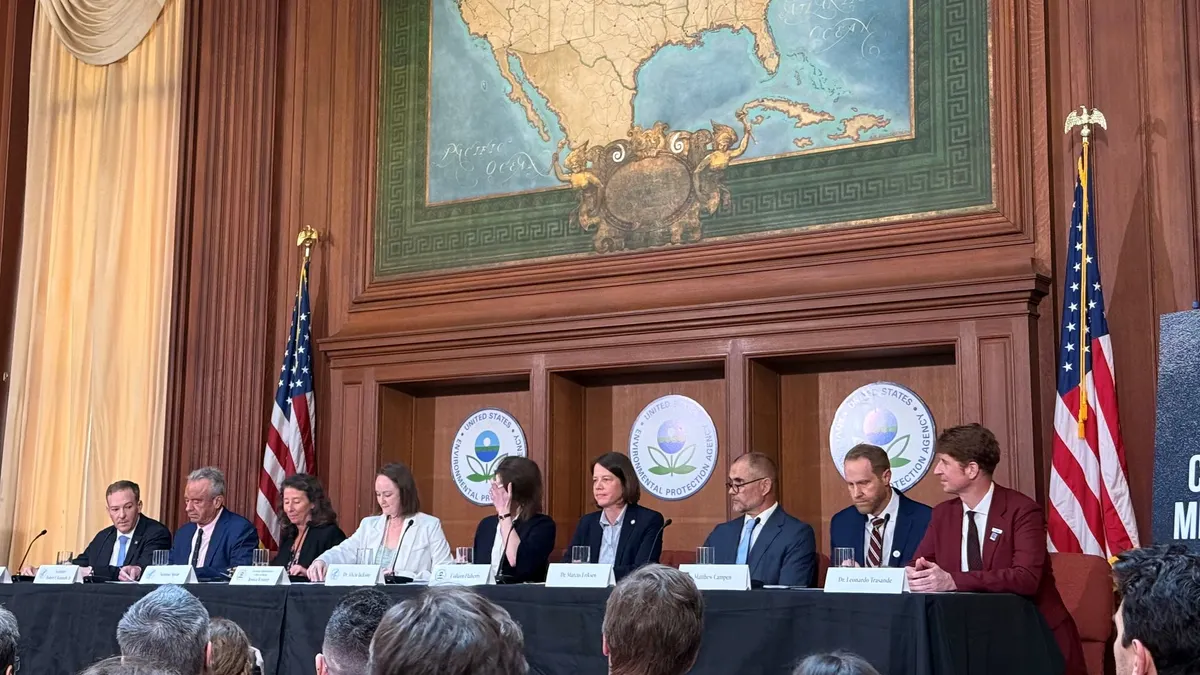
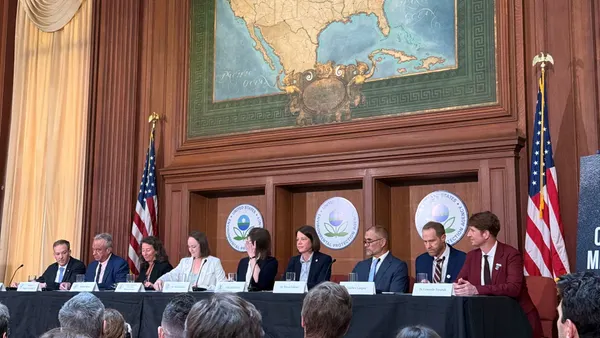
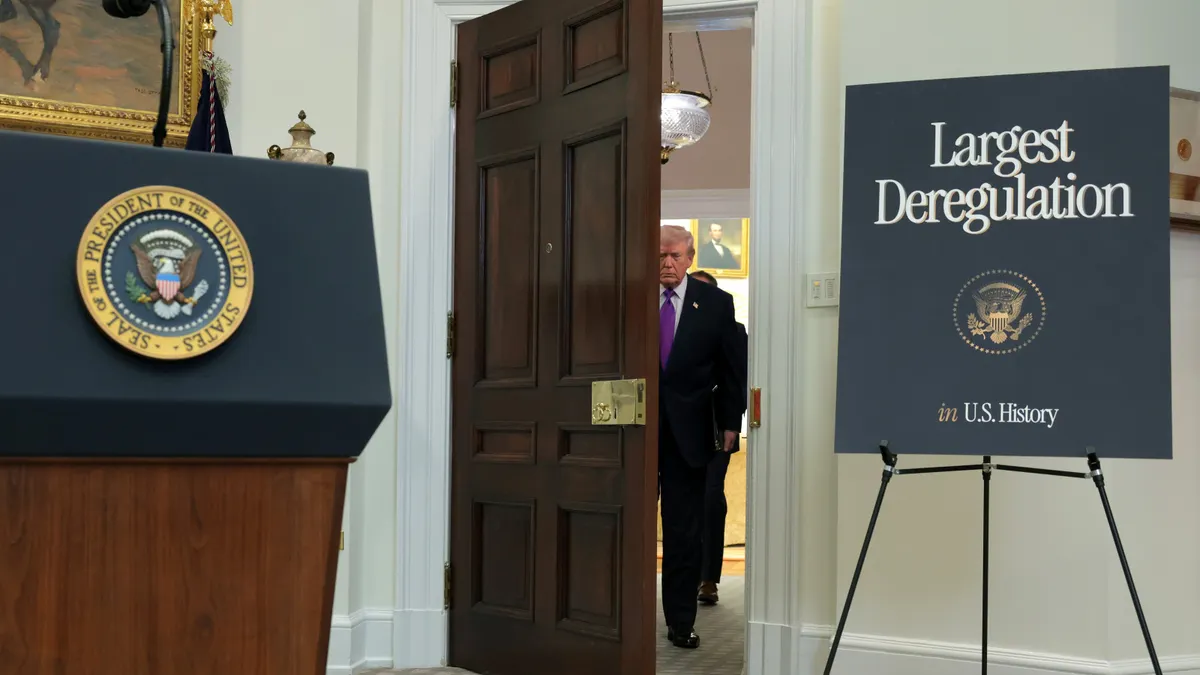
EPA Administrator Lee Zeldin announced the change in the White House's Roosevelt Room on Thursday. He championed the move as a means of limiting regulations on cars and trucks, but it's also expected to have wide-ranging effects on other regulations that limit climate pollutants.
In its explanation of its decision, the EPA argued that under the Clean Air Act the agency is not required to regulate climate-warming emissions and that its actions along those lines “have not and cannot have any material impact.” It also announced that deregulation on climate change would unlock $1.3 trillion in savings for American consumers, though environmental groups have argued climate costs stemming from this decision would be far greater.
“The Endangerment Finding has been the source of 16 years of consumer choice restrictions and trillions of dollars in hidden costs for Americans,” said Zeldin in his Thursday statement. “As EPA Administrator, I am proud to deliver the single largest deregulatory action in U.S. history on behalf of American taxpayers and consumers.”
Second-order effects from Thursday's decision are still being determined, including some that may ripple into the waste industry. The move could "introduce regulatory uncertainty and long-term negative impacts on public health and the environment," said Kristyn Oldendorf, senior director of public policy and communications at the Solid Waste Association of North America, in an emailed statement.
A warming climate could amplify long-standing issues in the waste and recycling industry, the organization noted. That includes risks to worker safety, as professionals in the industry have faced rising concerns about heat during the long shifts they spend outdoors.
The increased frequency and intensity of severe weather caused by climate change could also lead to more work for disaster recovery-related activities, which can be beneficial to the bottom line of waste companies. But it can also put more facilities and workers at risk and contribute to rising expenses for insurance, repairs and other costs.
“Regardless of policy shifts, SWANA will continue to support our members as they work to protect public health and the environment,” SWANA CEO Amy Lestition Burke said in a statement.
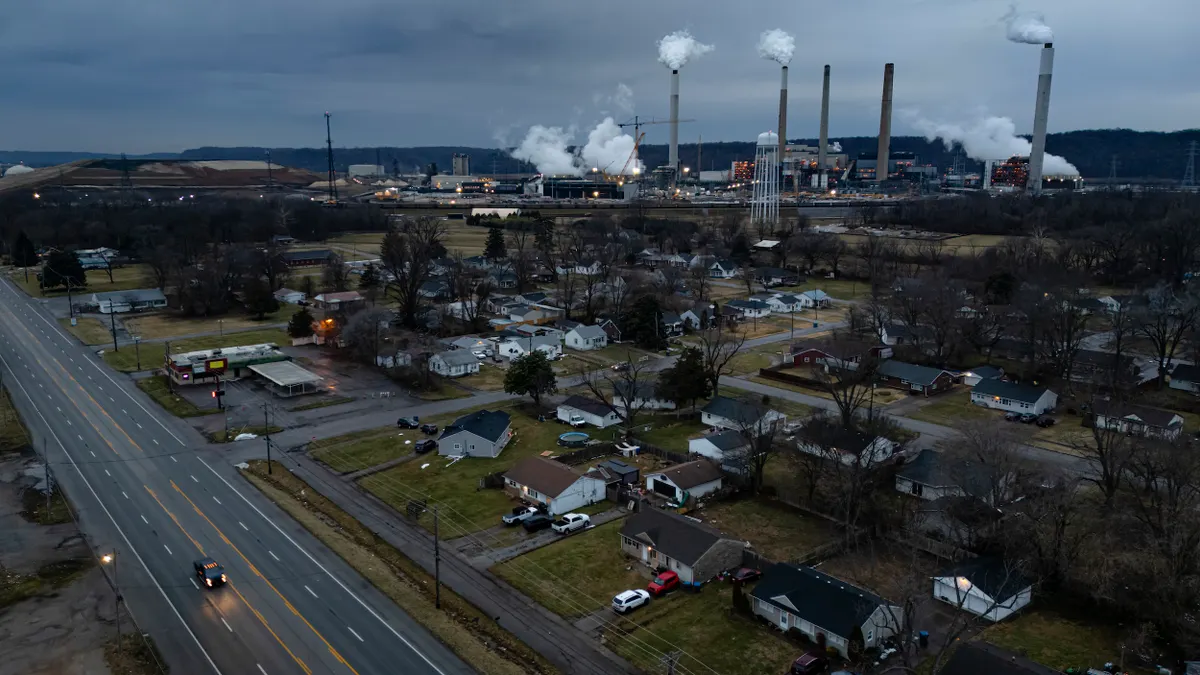
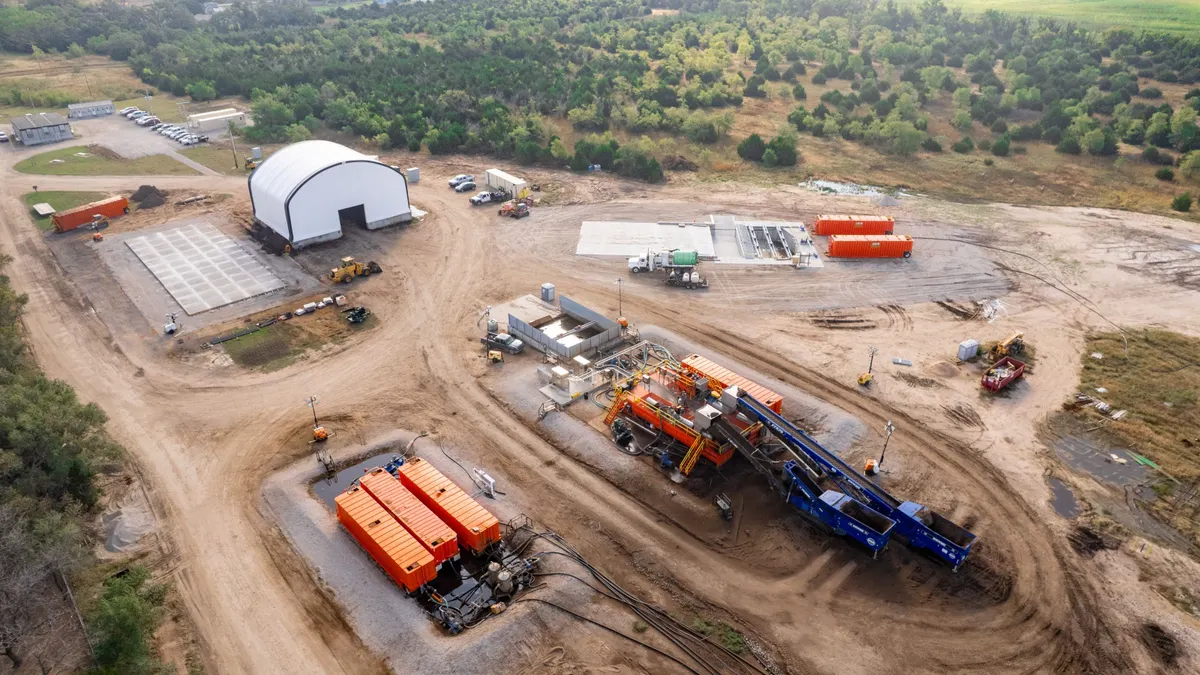
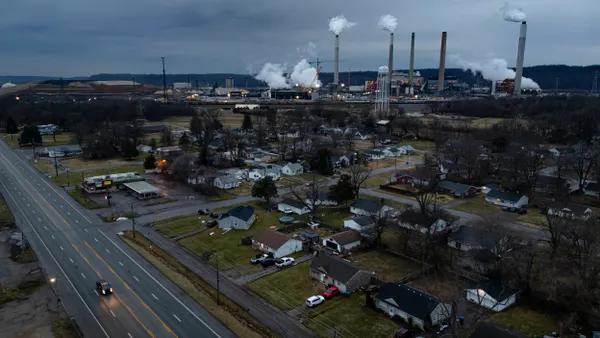
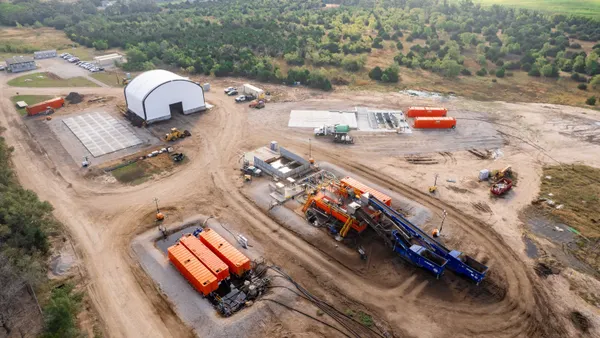
While the waste and recycling industry must weather the effects of changing regulations and the climate itself, the industry's own emissions rules are unlikely to be affected by a rollback of the endangerment finding, experts say. The regulations for landfill air emissions, the industry's principal contribution to climate-warming emissions, are based on non-methane organic compounds rather than greenhouse gases and are therefore unaffected by last week's announcement, National Waste & Recycling Association President and CEO Michael E. Hoffman said in a statement.
The endangerment finding rollback is part of a broader assault on climate regulations from the Trump administration. It has previously announced plans to shut down the Greenhouse Gas Reporting Program, an annual data program that monitors carbon emissions from thousands of industrial facilities, including municipal and hazardous waste landfills. Such a decision would revert regulations around greenhouse gas emissions reporting to states, several of which have passed such laws with varying requirements.
Unlocking a patchwork effect could cause problems for facility operators. Some have requested that the federal government keep the reporting program in place to avoid needing to comply with a variety of state laws, including a new requirement enacted in New York that's set to go into effect next year, said Mike McLaughlin, senior vice president and brownfields and landfill redevelopment expert at SCS Engineers.
The endangerment finding decision will be challenged in court, the Environmental Defense Fund announced Thursday. Environmental groups have criticized the rollback, which relies in part on findings from the Climate Working Group, a committee convened by the U.S. Department of Energy to cast doubt on previous administrations’ work on climate science.
The group was disbanded in September after releasing a report widely criticized by climate scientists; a federal judge later found its formation illegal, and emails released in court proceedings show an ideological process guided the review. Nevertheless, the judge allowed the report to stand, which helped form the legal underpinning for the endangerment finding’s rollback.
“This is not how policymaking is supposed to work,” the Union of Concerned Scientists wrote in a blog post examining the legal fight over the endangerment finding. “The science should drive the policy, not the other way around.”