A new report from the U.S. EPA's Office of the Inspector General found the agency conducted a rigorous and proper process to award Community Change Grants, which included several waste projects. Supporters of the program, which was eliminated by the Trump administration, said the report was further evidence officials acted unlawfully to halt the funds.
The EPA defended its "commitment to being a good steward of taxpayer dollars" in a statement shared with Waste Dive. It also recounted efforts to rescind the funding and criticized the previous administration’s focus on environmental justice, but did not push back on the findings of the report itself.
The Community Change Grant Program was funded with $2 billion allocated by the Inflation Reduction Act of 2022. During the Biden administration, the EPA planned to award funding through two tracks within the Community Change Grants Program.
The Office of the Inspector General operates independently from EPA. Its report evaluated the EPA's process to award about $1.5 billion to 80 grantees through Track I of the program, all of which were terminated by the Trump administration in May 2025. The One Big Beautiful Bill Act of 2025 also cut remaining unobligated funds from the program.
The grantees planned to tackle a variety of community-scale projects that addressed environmental and climate justice challenges. That includes energy efficiency upgrades, microgrid installations and food waste reduction initiatives.
“The Trump EPA didn’t terminate these grants because something was wrong with them — they terminated them because they refused to help communities that are overburdened and under-resourced address pollution and climate threats," Michelle Roos, executive director of the Environmental Protection Network, which is staffed by hundreds of former EPA staff and political appointees, said in a statement.
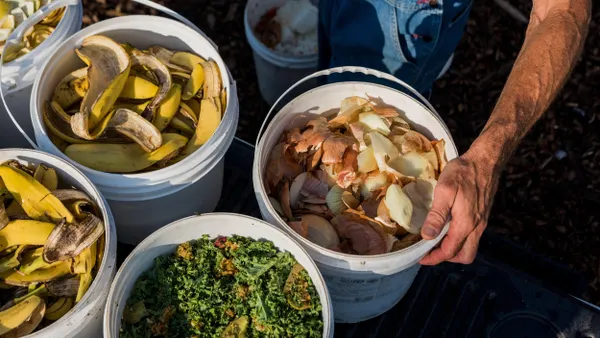
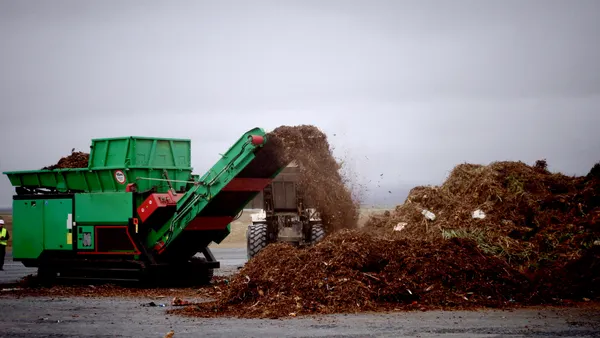
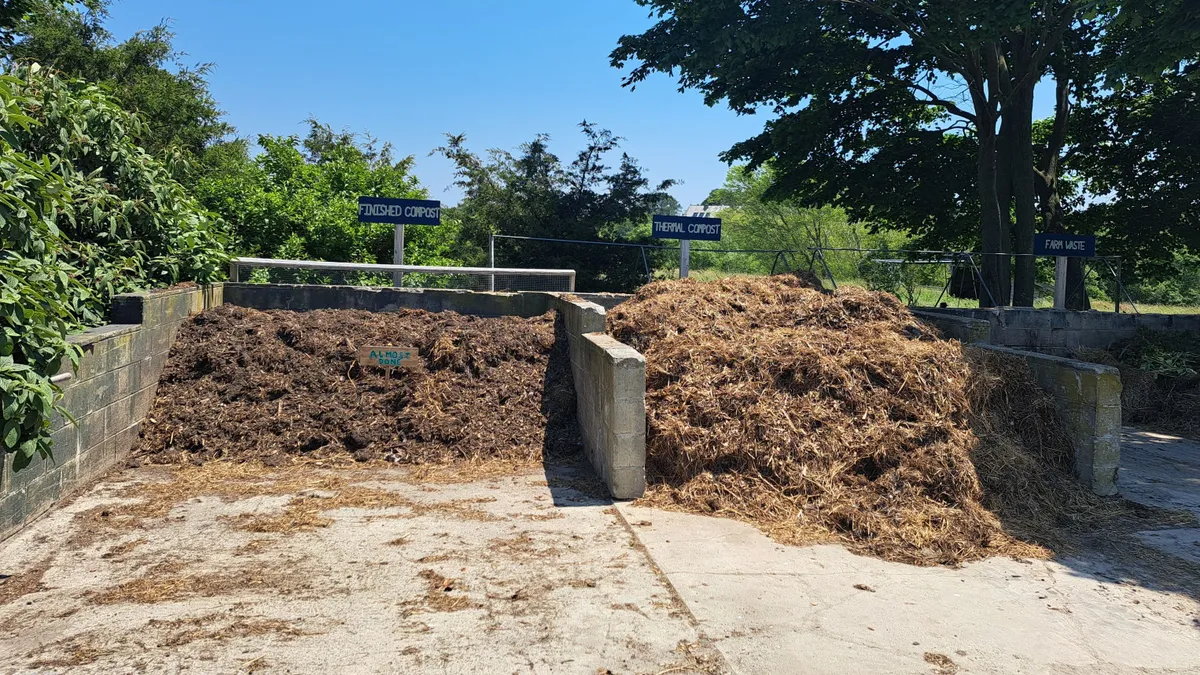
Seven Community Change grantees incorporated composting: in California, Connecticut, New York, Puerto Rico, Rhode Island, Texas and the U.S. Virgin Islands.
The Rhode Island Food Policy Council, a coalition of municipal and nonprofit community-based organizations, received $19 million for initiatives like a free food scrap collection pilot program in Providence and a compost hub. Since losing the grant, the council has had to scale back its ambitions. In a January update to stakeholders, partner organization Groundwork Rhode Island noted continued construction progress on its compost hub thanks to funds cobbled together from individual donors and a local Rhode Island foundation, but other initiatives remain on hold.
Isaac Bearg, food, climate and environment program director at the Rhode Island Food Policy Council, commended the OIG report. In an emailed statement, he said that the council's binding agreement with the federal government did not allow for the grant’s termination. The group isn't able to fully replace the funds it would have received from the federal government in the short term, he said, but it is continuing to work with community partners and pursuing legal avenues, "balancing the desire to recover these funds with other opportunities to move our mission forward."
Legal organizations continue to advocate for a variety of grant awardees that lost funding due to the Trump administration's widespread crackdown on programs addressing environmental justice and climate change. In August, a federal judge ruled that disputes over contracts with the federal government must be heard by the U.S. Court of Federal Claims, blocking an attempt to reverse the Trump administration's termination of the grants en masse.
The advocacy group Lawyers for Good Government says its Court of Federal Claims Clinic has connected more than 50 organizations that had their grants terminated with legal assistance.
“The Inspector General has confirmed there was no ‘fraud’ or ‘waste’ – the only things being wasted are time and human lives," Jillian Blanchard, senior vice president of climate change and environmental justice at Lawyers for Good Government, said in a statement. “The EPA cannot claim to champion efficiency and accountability while unlawfully terminating grants that would provide clean water and air for the very people it is charged by Congress to protect.”
Editor’s note: This story has been updated with comment from the EPA.