All financial information below is in Canadian dollars.
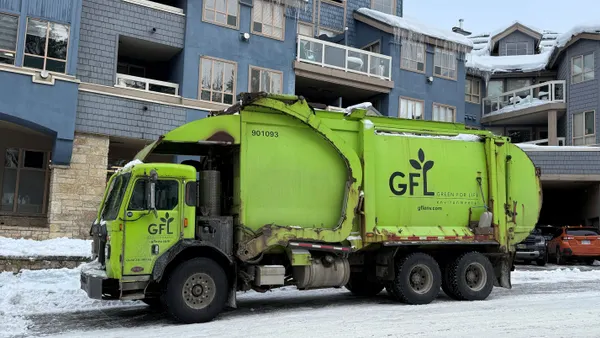
GFL Environmental announced a deal to acquire Calgary-based Secure Waste Infrastructure, a publicly traded industrial waste and energy infrastructure business with a focus on treatment of oil waste. GFL is offering 80% shares in its company and 20% cash in a deal that would value Secure at $6.4 billion Canadian dollars.
The deal is a vote of confidence in oil and gas waste as a stable business in the coming years, and would complement GFL’s existing footprint in Western Canada, CEO Patrick Dovigi told analysts on an investor call Monday morning.
“We don't believe oil is going away any time soon,” Dovigi said. “We think it's a very unique opportunity.”
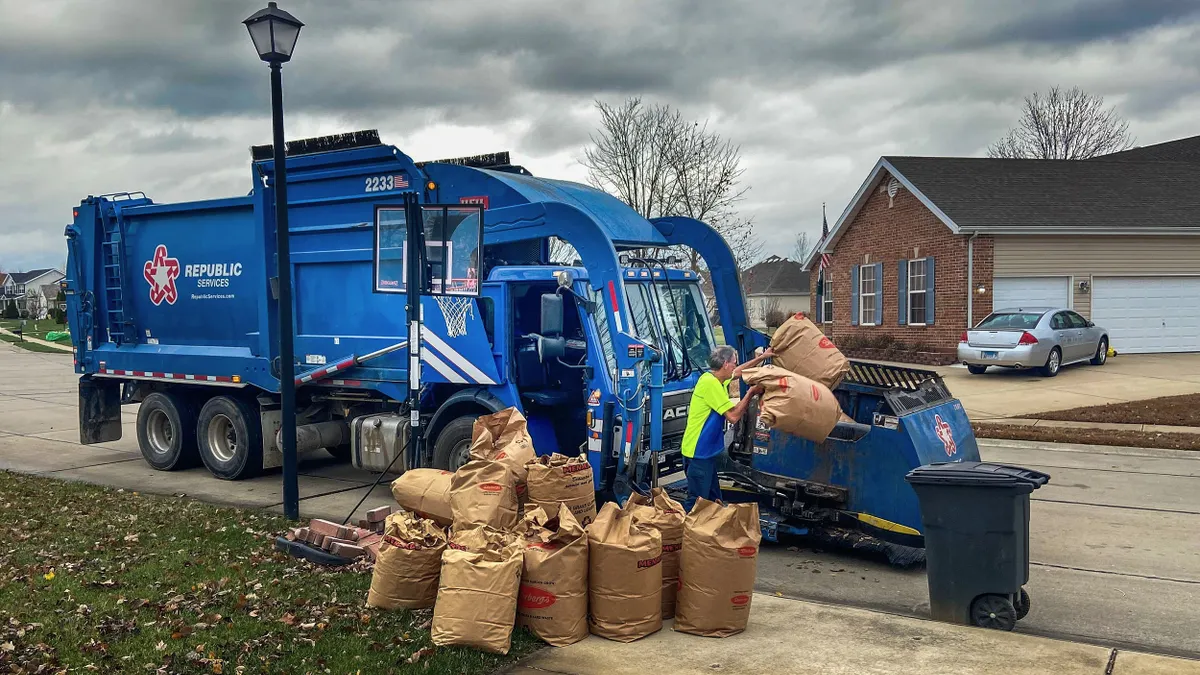
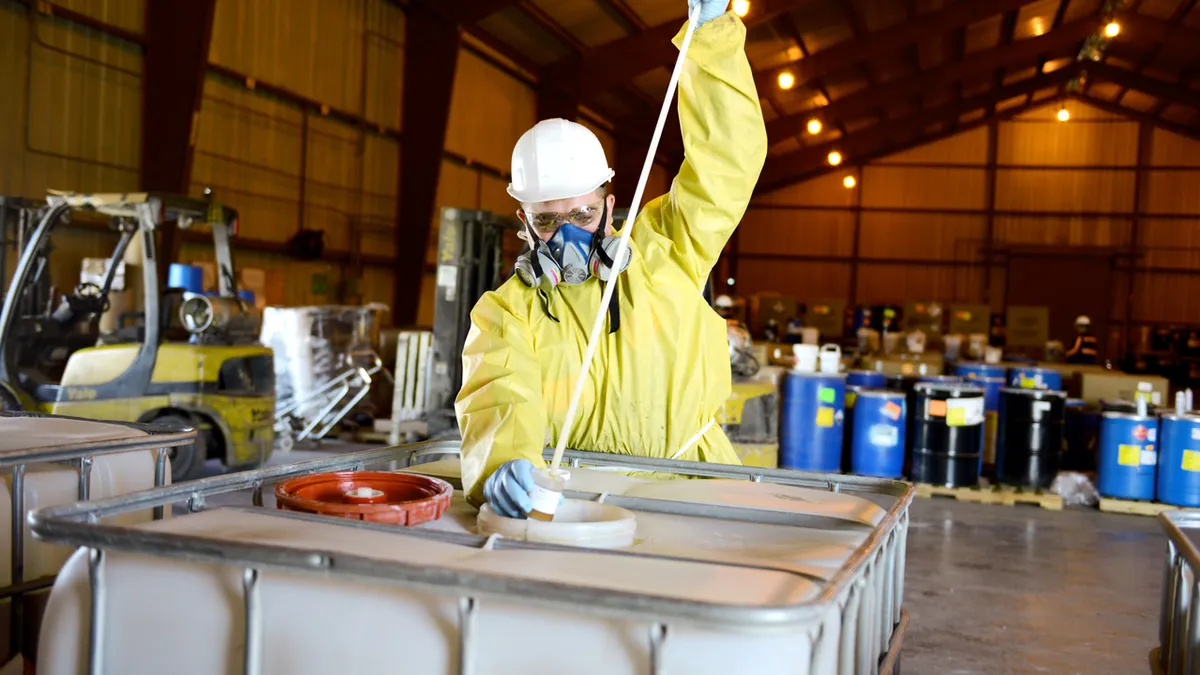
The proposed transaction is the latest in a long-term trend of growing diversification among major solid waste companies. Secure previously sold 29 energy waste treatment and disposal facilities in Western Canada to Waste Connections in 2024. That deal was a mandatory divestiture so Secure could close its acquisition of Tervita. Tervita’s U.S. assets, meanwhile, had been acquired by Republic Services a decade prior. Other companies, including WM, have also spent the last decade internalizing oil and gas waste, which often needs specialized treatment.
Such waste is subject to trends in the oil market driven in part by regulation. Dovigi said the regulatory environment in Canada supported increased production of oil and liquefied natural gas, which would lead to more waste. He also said the ongoing war in Iran would boost production as it has elevated energy prices.
Secure reported 1.47 billion Canadian dollars in revenue last year. Its waste management segment comprised 85% of its total revenue in 2025 and is tailored to the oil and gas and broader industrial sector, according to the company’s 2025 annual report.
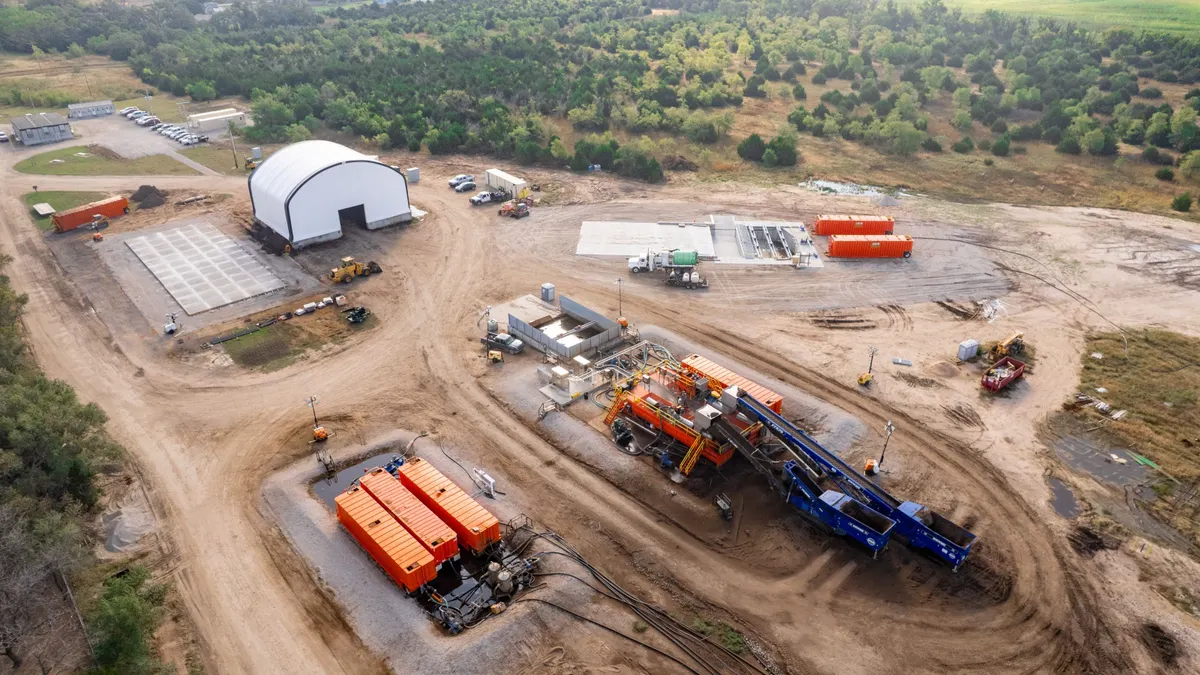
Secure’s portfolio includes nine produced water pipelines, more than 45 specialized trucks and more than 10,000 waste containment bins for its collections business. Secure's processing infrastructure includes 55 liquid waste facilities and 10 metals recycling facilities, including what it describes as Western Canada's largest metals shredder, which it acquired early last year.
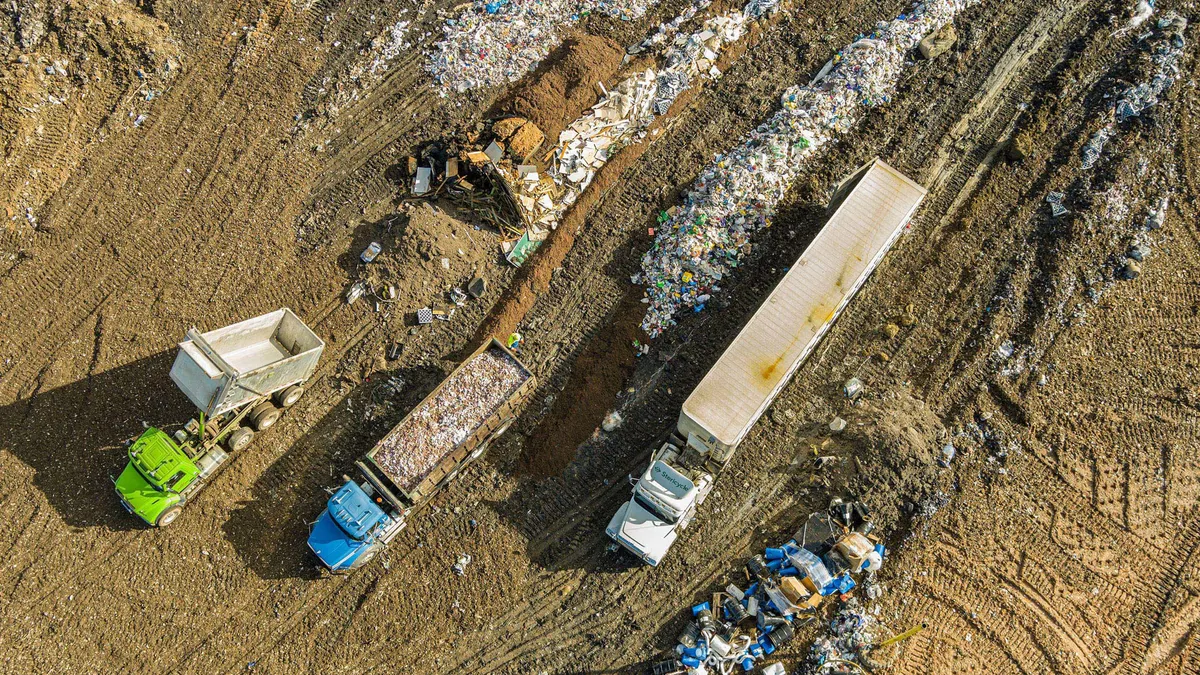
The company also has a significant landfill portfolio, including 13 sites it owns and two it operates under contract, according to its annual report. The company owns a hazardous waste landfill in Alberta, one of two in the province, as well as a special and industrial waste landfill in North Dakota.
Secure noted in its annual report that most of the waste brought to its facilities came from third-party haulers. On the call, GFL executives said they saw an opportunity to increase the amount of waste the company collects and brings to Secure's disposal infrastructure once the deal closes.
But some analysts say the deal is a step away from the core solid waste and recycling business toward which GFL has recently pared down. A year ago, it spun off its environmental services division in part to reduce debt and bolster its standing with credit agencies and the public markets. The company also spun off its infrastructure services division in 2022 as Green Infrastructure Partners, though it maintains a stake in both spin-offs. The company also continues to provide used motor oil collection and recycling.
In a note to investors, William Blair analyst Trevor Romeo noted the deal has both positive and negative aspects that add to GFL’s complexity as a business. Oil and gas production and industrial activity account for roughly 80% of Secure’s earnings before income, taxes, depreciation and amortization, which are inherently more cyclical business lines than solid waste, Romeo noted.
During the call, GFL’s executives faced questions about how the deal would expose the business to cyclical risks in the broader economy. Dovigi characterized the risk as “miniscule,” noting that 20% of Secure’s revenue is tied to commodity-based streams that are most exposed to volatility.
GFL CFO Luke Pelosi also said the deal had plenty of upside for GFL’s finances. The integration of Secure is expected to increase adjusted free cash flow and EBITDA margins, which he said would bring GFL closer to its goal of an investment-grade credit rating.
“It's inevitable that the credit ratings will come and [investment grade] will be obtained,” Pelosi said. “We're not going to pause growth investments in order to accelerate the achievement of that credit rating.”
The deal would not have a significant effect on the company's net leverage, according to a presentation provided to investors. GFL expects $25 million in cost synergies within the first year of the deal's closure. The company is also still anticipating its addition to the TSX 60 index in the coming months, which it expects would improve its standing in Canadian markets. Pelosi said the deal would improve GFL’s case for inclusion on the index.
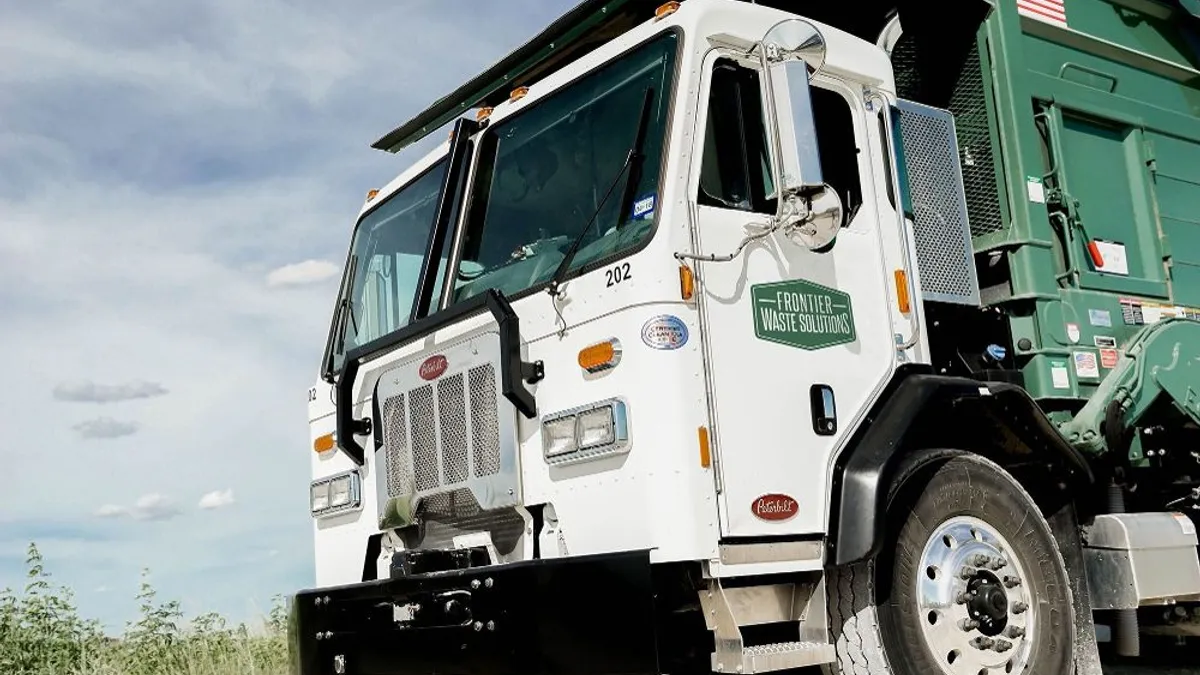
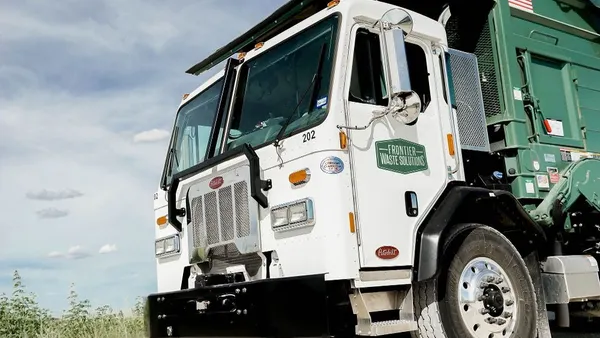
This is the second major transaction GFL has announced this year. On April 1, the company announced it had purchased Dallas-based Frontier Waste Solutions, which was backed by private equity firms Summer Street Capital Partners and Concentric Equity Partners.
Dovigi said the company would continue to be opportunistic on major deals and downplayed the likelihood of another large transaction this year. He reiterated plans to focus on tuck-in acquisitions, and said the company expects to spend up to $500 million on such deals through 2026.
The Secure deal is subject to a vote by that company’s shareholders. Secure expects to circulate transaction details to them in late April, and the companies expect the transaction to close in the second half of this year.
GFL’s first quarter earnings call is scheduled for April 30.