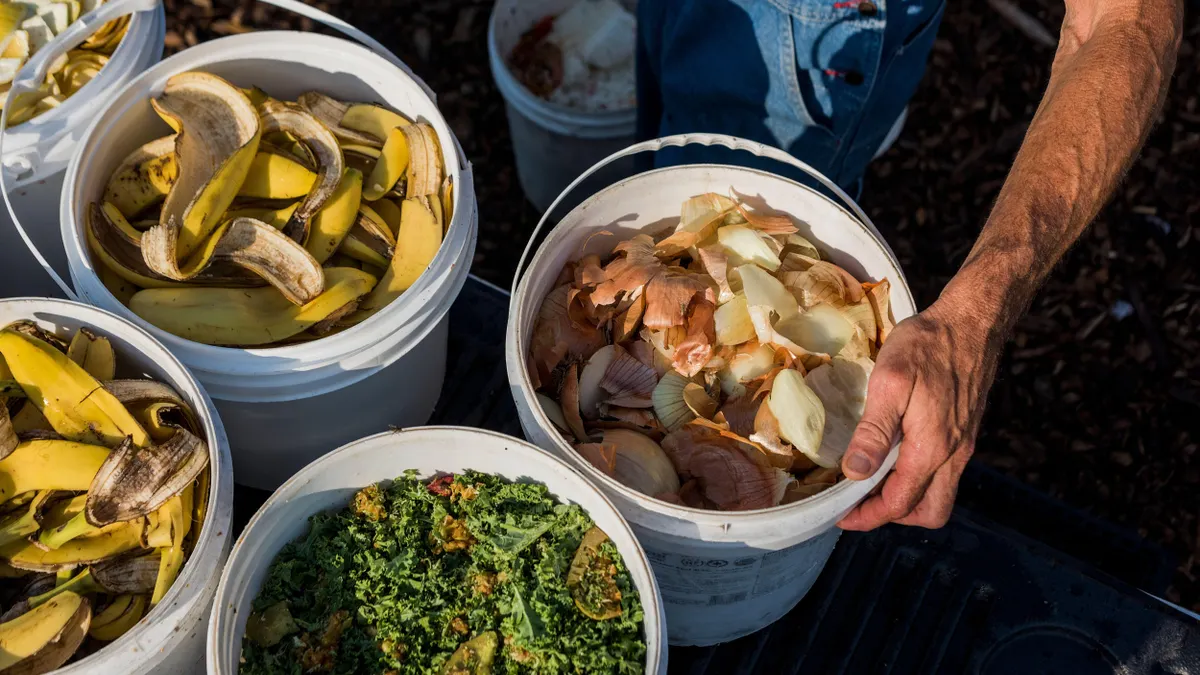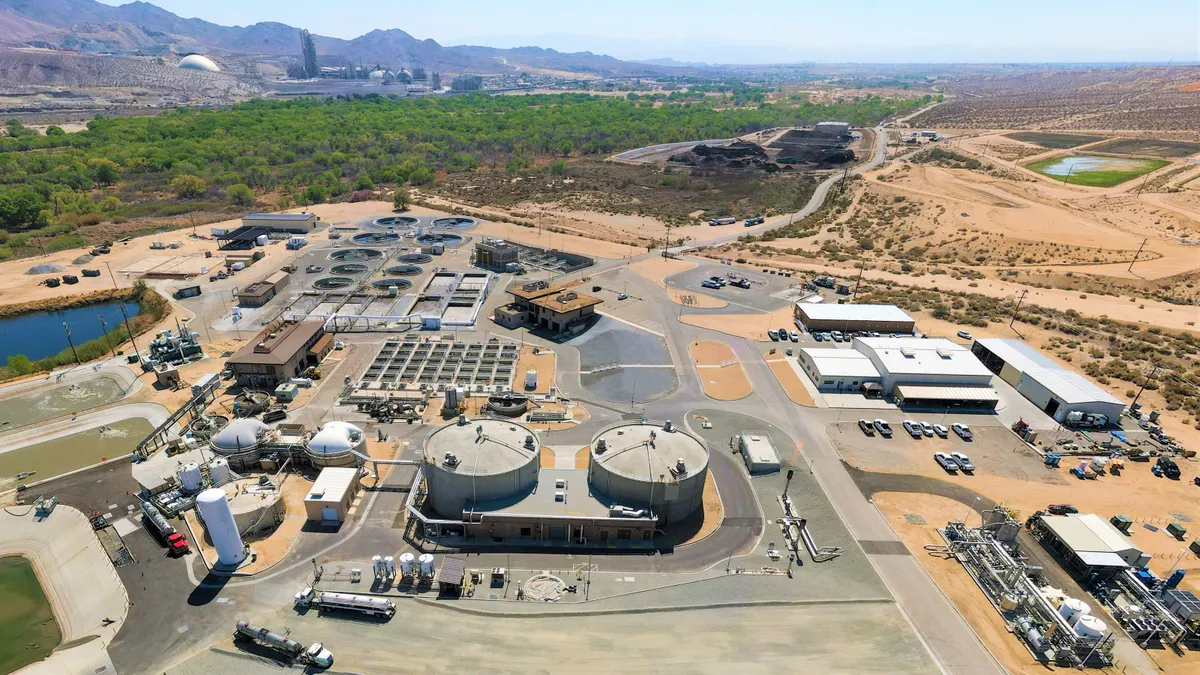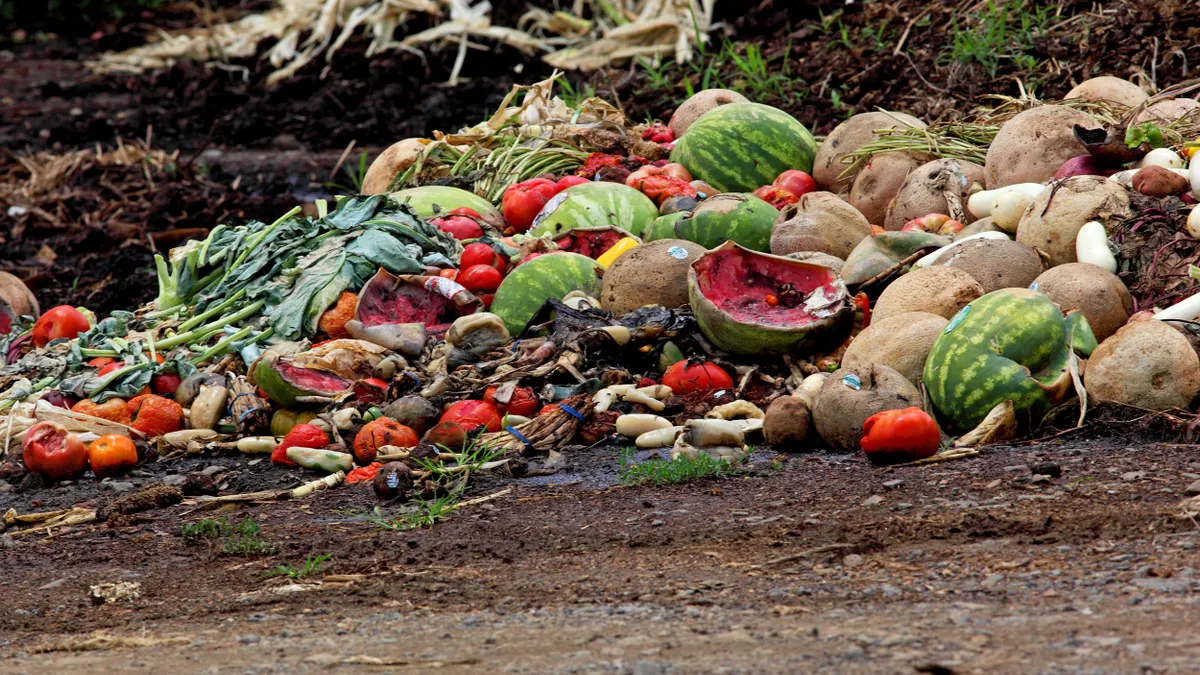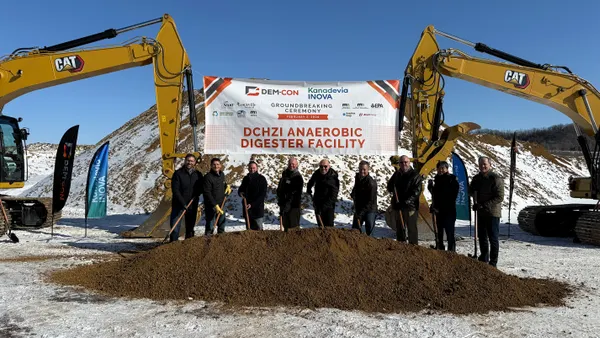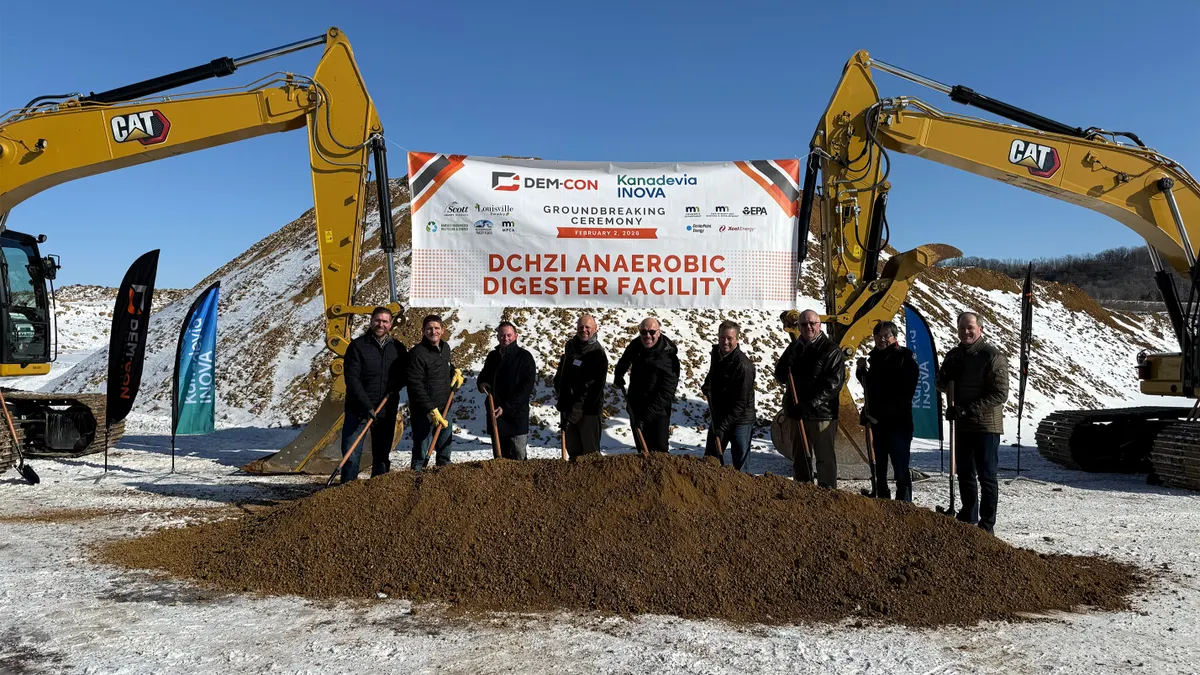
The Twin Cities area should see its first food waste anaerobic digester in 2027, as project partners broke ground in February on a facility in Louisville Township. The facility demonstrates the kind of collaboration necessary to ensure a facility meets the needs of its customers and community, project backers Dem-Con and Kanadevia Inova say.
Dem-Con is a facility owner and operator that serves haulers in the market, President Bill Keegan said. The company has long operated a landfill that serves the Minneapolis-St. Paul area, and also processes C&D waste.
In 2018, the company began looking for ways to serve Minnesota's new food waste recycling and clean energy goals. State law requires the Twin Cities area to reach a 75% recycling rate by 2030, and the state’s utilities to provide 100% clean energy by 2040. The Minnesota Pollution Control Agency has also urged the seven-county Twin Cities region to find ways to divert more material, including organic waste, leading to discussions between Dem-Con and Ramsey County, where St. Paul is located.
Keegan said the company was initially agnostic on organic waste processing methods. But Dem-Con was already familiar with, and sometimes partnered with, neighboring composting operations, and he was reluctant to compete with established players.
A “circularity exchange” trip to Sweden for business leaders and officials from Minnesota organized by the state’s Department of Employment and Economic Development pushed Keegan in a different direction. There, Keegan was able to tour a digester operated by Kanadevia Inova, a company that was then called Hitachi Zosen Inova. He liked the technology.
“My business card was a little metal cut-out of the state of Minnesota, because we were supposed to bring a little gift that we could give that would remind them of our exchange for Minnesota. So I gave him a little state of Minnesota metal cut out for his desk, and he gave me his business card. And I said, ‘I'm going to give you a call,’” Keegan said.
The partnership blossomed from there. Kanadevia Inova originally intended to be an equipment supplier for the digester in Louisville Township, but the company has expanded its role and is an equity partner in the project, said Heath Jones, the company's North America president.
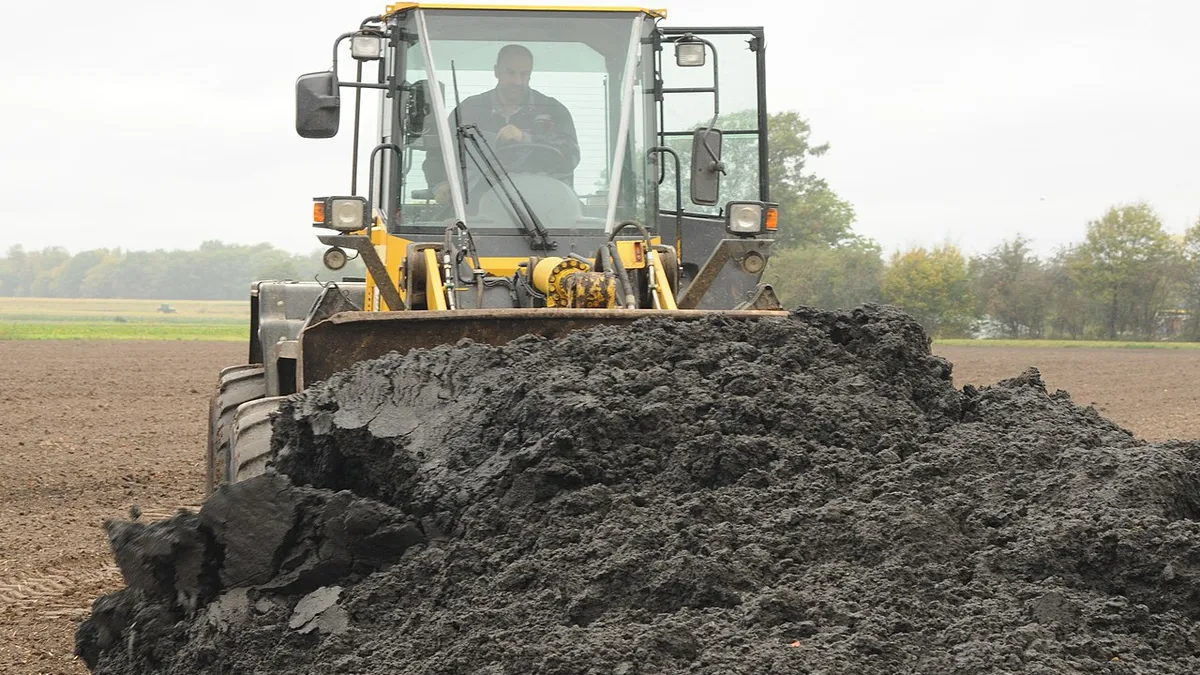
The project partners expect to process up to 75,000 tons of organic waste annually at the facility and produce 7,000 tons of biochar annually, which can be sold and generate environmental credits. The Ramsey/Washington Recycling & Energy joint powers authority is set to provide most of the material; it will allow residents to put organics in compostable bags in their curbside trash stream that Dem-Con will separate.
The project has received financial backing from the Minnesota Environment and Natural Resources Trust Fund and the Minnesota Department of Commerce. Jones also credits officials within Ramsey and Washington counties with helping the project get to its groundbreaking.
“I think it was fantastic,” Jones said. “A lot of times these projects get announced, and there's a lot of buzz, and then you don't ever see them come to fruition.”
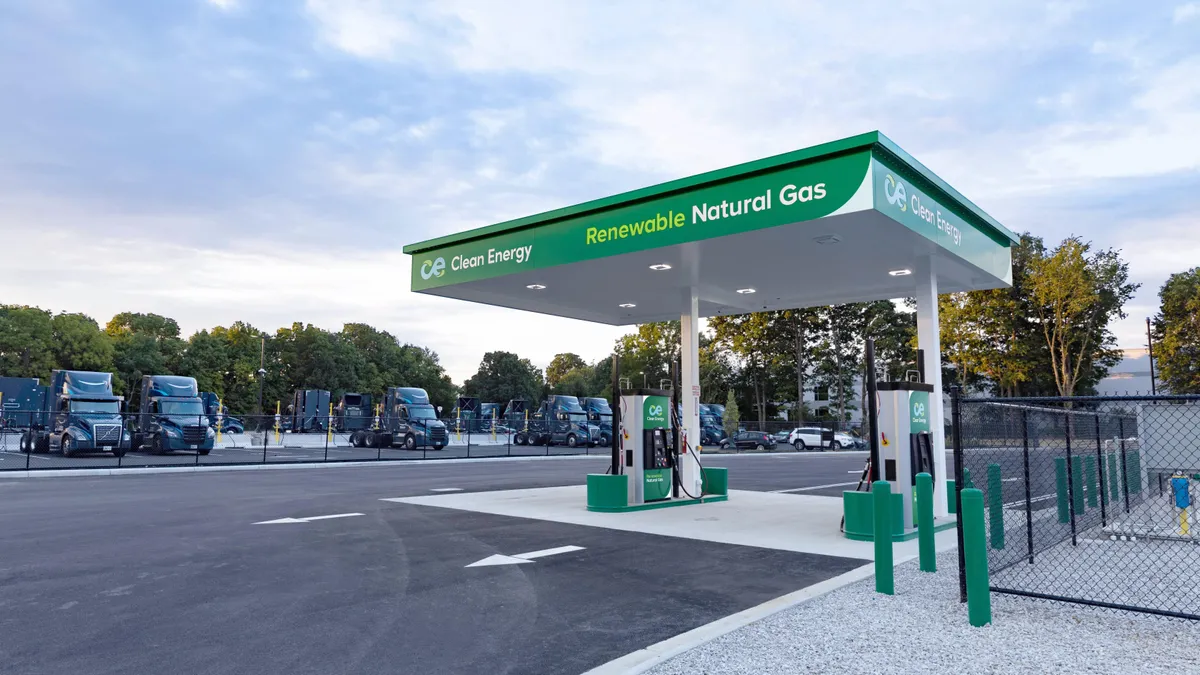
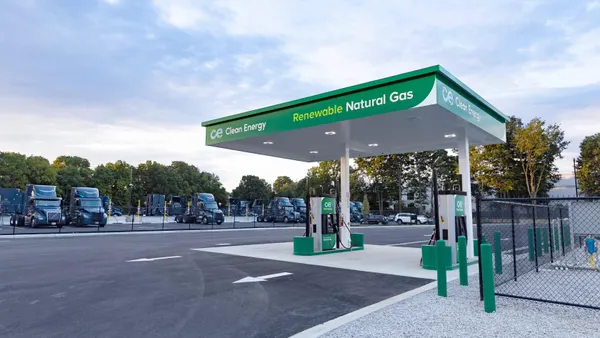
The facility also secured offtake agreements for the 200,000 mmBtus of renewable natural gas it's expected to produce. Utilities CenterPoint Energy and Xcel Energy signed agreements with the facility because of Minnesota's Natural Gas Innovation Act, which allowed them to pursue offtake agreements that move away from fossil fuels.
Keegan said the regulatory framework in Minnesota was key to making the project work because disposal costs are too cheap to compete with otherwise.
“If you're competing with disposal, without the regulatory framework to support a project like this, you're not going to get the project off the ground,” Keegan said.
This is not Kanadevia Inova's first U.S. digester. The company previously built a high-heat digester in San Luis Obispo, California, which it still owns and operates today, and it's also built projects for poultry farms and distilleries.
Jones said the Minnesota project demonstrates the value of anaerobic digestion as a means of diverting waste, but also the importance of supportive policy. He also noted that California’s organic waste diversion mandate and biomethane procurement program are similarly supportive on paper, but their slow ramp up have hamstrung the viability of organic processing projects.
“I think there’s got to be a regulatory component to it, and there’s got to be a follow through on that regulatory component. Additionally, I think there's got to be some financial incentives to be able to help promote this early on,” Jones said.
The facilities should also be integrated within a community’s existing infrastructure, Keegan said. While composters and digesters can be at odds in some communities, Dem-Con has taken a collaborative approach.
The company is setting up an agreement with the neighboring Dakota Prairie Composting facility, run by the Shakopee Mdewakanton Sioux Community, in which one facility can take the other’s incoming material if they’re temporarily offline. The composter will also provide the digester with wood waste, while the biochar produced by the digester can be used by the composter, according to Keegan.
In a market where anaerobic digestion can cost three times as much as composting, the two technologies can complement each other by serving different needs, Keegan said.
“We're not competing for the same customer,” he said. “If there were equal processing fees, you'd be duking it out on the streets.”
Keegan said he views Dem-Con as “a landfill company that embraced landfill diversion,” and is open to further measures to boost recycling. The company is exploring permitting its Shakopee landfill site to accept municipal solid waste so that it can take in residues from the company’s growing processing infrastructure.
“My thought on waste processing is, it's another tool in the toolbox,” Keegan said. “We process and recycle everything we can, and then dispose of the residue on site. So it's really an extension of our core belief in that model to divert materials from landfill.”