A review of loan note guarantees issued through the Rural Energy for America Program for on-farm anaerobic digesters will now extend through the end of the year, a U.S. Department of Agriculture official told agency staff in a letter last week.
The agency had previously announced a 90-day pause in January for new loan note guarantees for digester projects after flagging what it called a high delinquency rate among its portfolio of projects. The pause also applies to controlled environment agriculture projects like vertical farming and hydroponics.
J.R. Claeys, administrator of the Rural Business Cooperative Service which oversees REAP, told staff in an April 2 letter that he extended the pause through Dec. 31 due to “continuing and significant risks identified during the initial review period.”
In a separate release on March 31, the USDA also announced a broader pause in new grants issued through the REAP program. The agency said the pause is to update program language to comply with an executive order signed by President Donald Trump in July entitled "Ending Market Distorting Subsidies for Unreliable, Foreign Controlled Energy Sources."
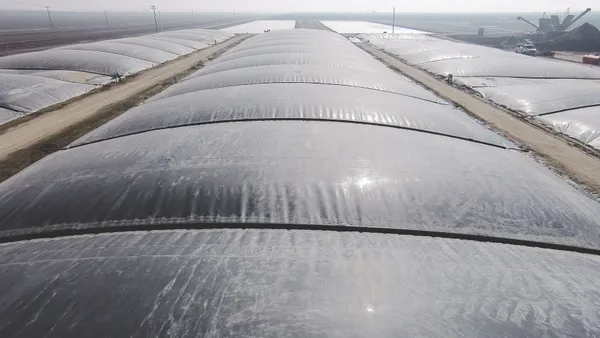
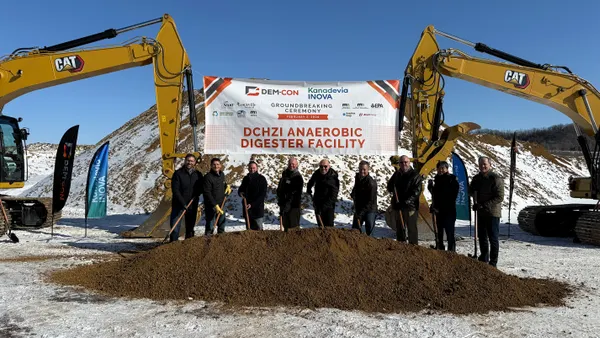
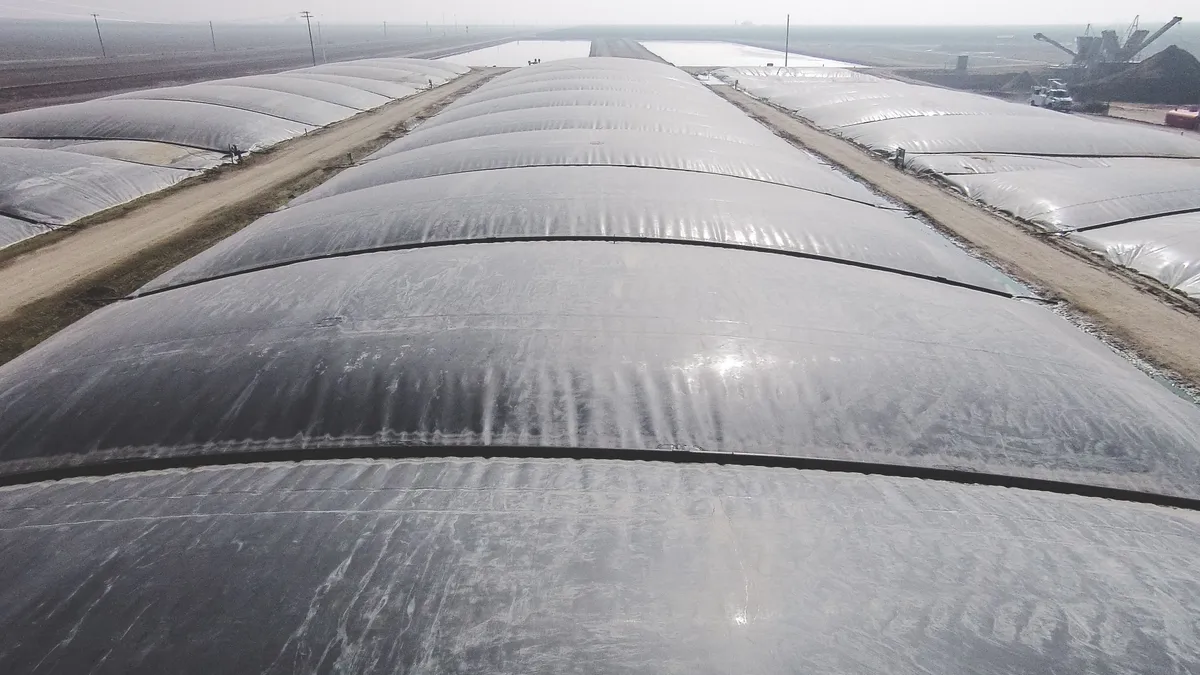
The USDA has issued dozens of loan note guarantees backing digester projects over the years through REAP, which has also backed hundreds of other projects such as on-farm solar and wind energy installations. Within the agency's portfolio, there are currently 12 digesters that are still under construction and five pending applications.
The letter said biodigestion projects in the agency’s portfolio had a 28% delinquency rate, similar to the rate USDA reported in January that it considered concerning enough to merit scrutiny.
“Continuing to guarantee high risk projects — particularly those underwritten by lenders’ lacking expertise — threatens the long-term stability of the program and its capacity to fulfill its mission,” the agency said in an April 2 release.
The USDA has taken a particularly close look at loan note guarantees within its REAP portfolio. Loan note guarantees reduce private lenders' risk when underwriting projects by guaranteeing a certain portion of the loan with the backing of the United States' coffers.
Last week’s letter went into greater detail regarding the agency’s concerns with its portfolio of digester projects, including regarding the lenders with which it partners. Claeys listed insufficient lender underwriting expertise for digester projects and concerns about "erosion of collateral, lower recovery values, and higher loss severity" as key issues.
Patrick Serfass, executive director of the American Biogas Council, said the industry group has engaged with USDA officials regarding the portfolio. He said he was not surprised the agency was taking additional time to review its portfolio, but the data he's seen gives him confidence that most USDA-backed projects are in good financial standing.
"The more that we understand about what loans actually defaulted and what was going on with those projects, the more surprising it is that there’s a pause in the first place," Serfass said. “This seems to be an outsized action compared to how many projects actually have problems.”
REAP continues to enjoy bipartisan support in Congress. A draft of the farm bill, USDA's five-year funding package, includes a proposed increase in the maximum loan guarantee allowed from $25 million to $50 million. The bill, which is currently on the House floor, would also expand the selection criteria for projects and instruct the secretary to ensure a diverse range of approved projects, among other tweaks.
But efforts from Republicans and the Trump administration to limit awards to solar projects and other forms of renewable energy may affect REAP. The president's budget proposal, released Friday, included a proposal to cut $82 million from the Rural Business Service, which oversees REAP.
The agency declined to say if such a cut would affect the grant and loan program. Serfass said it was too soon to tell what kind of an effect, if any, it would have on funding for digester projects.