Vaulted Deep, a deep well slurry injection facility based in Houston, is seizing on disposal capacity concerns across the country to offer an alternative to landfilling and incineration. Its backers are betting the high-tech solution can tap into carbon removal certifications to support facilities around the country.
Vaulted Deep’s technology began with Advantek Waste Management Services, a deep well slurry injection company that pumped oilfield waste back into the ground. Advantek’s injection wells pump material below a layer of impermeable caprock, locking it thousands of feet underground for the long term. Each well can handle tens of thousands of metric tons of organic material per year and can operate for decades, according to the company.
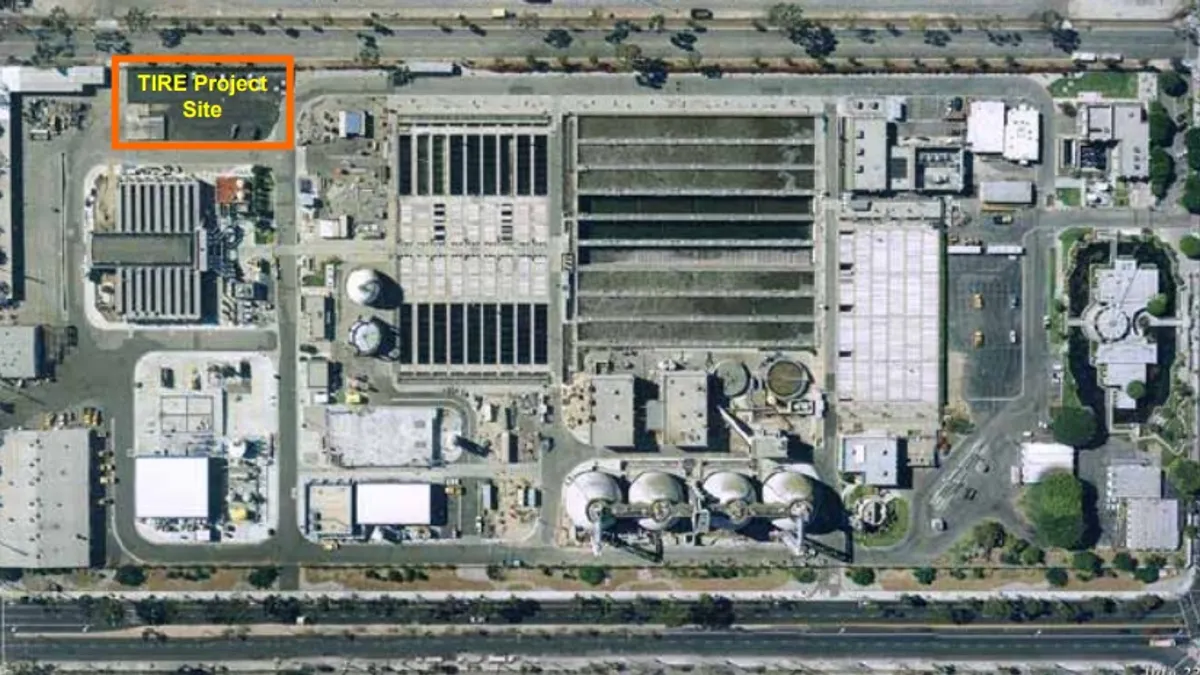
After securing contracts in the oilfields of the Permian Basin, Advantek began seeing demand from other industries. In 2008, it secured an agreement with the city of Los Angeles and other partners to inject sewage sludge at the Terminal Island Renewable Energy site.
The site continues to process 20% of the city’s biosolids, sequestering 65,000 tons of materials annually. Without it, the city would be forced to truck more material 300 miles round trip into the Central Valley for landfilling, where some residents may be concerned about contaminants leaching from the material, said Julia Reichelstein, co-founder and CEO of Vaulted Deep.
“What Advantek was doing was great waste management and also really good durable, scalable, measurable additional carbon removal,” Reichelstein said. “In some ways, the Los Angeles TIRE facility was the largest durable carbon removal project that the world had never heard of.”
Sensing an opportunity to grow the business, Reichelstein, then a venture capitalist in the climate space, worked with Advantek founder Omar Abou-Sayed to launch Vaulted Deep in 2023. The company now partners with Advantek to bring additional business to the Los Angeles facility and generates revenue from carbon credits off those agreements.
Since then, it has announced two funding rounds, a seed round led by Lowercarbon Capital and most recently a Series A round led by Prelude Ventures that closed in 2024. All told, the company has raised a total of $56 million in equity and awards. Reichelstein said the funding has put Vaulted Deep in a good position to grow, alongside the revenue it’s generating from its existing facilities.
Shortly after the company launched, it acquired and began operating a second injection well site in Hutchinson, Kansas. The Great Plains facility in Kansas processes a mixture of biosolids, manure and agricultural waste. The site has sequestered more than 157,000 metric tons of organic waste and removed 47,000 metric tons of carbon since then. Vaulted Deep has also invested in growing the facility and increased the amount of waste it processed by 225% between 2024 and 2025.
Vaulted Deep is also working to partner with clients to develop on-site solutions similar to the Los Angeles site, where an agricultural or industrial operation prefers to build a well on site to manage its waste without needing to transport it off site.
Since its founding, Vaulted Deep has received attention from Silicon Valley. It secured a $58.3 million carbon removal deal in 2024 with Frontier Climate, a decarbonization initiative backed by companies like Stripe, Alphabet, Meta, McKinsey and JPMorgan Chase. Last year, it won second runner-up in the XPrize Carbon Removal competition and announced new agreements with both Google and Microsoft.
Reichelstein said that support from those agreements has enabled the business to expand. At some sites, Vaulted Deep expects to earn more from carbon removal credits, while it can earn more from tipping fees at others. Reichelstein also noted Vaulted Deep is able to keep those tipping fees competitive with other forms of disposal, creating a new option for clients where previously only landfilling or incineration may have been an option.
Reichelstein expects the business to bring new wells online and expand into new markets in the coming years. Its next facility, in Weld County, Colorado, is set to come online next year.
“There’s so much organic waste that is in need of good disposal,” Reichelstein said. “We can provide long-term, locked-in, guaranteed disposal capacity at locked-in prices.”