

As household hazardous waste (HHW) collection activity increases nationwide, municipalities, counties, and environmental service providers (ESPs) are being encouraged to evaluate packaging inventories and logistics plans before peak collection season reaches full swing.
Spring and summer are traditionally the busiest months for HHW programs as homeowners dispose of paint, solvents, pesticides, cleaners, batteries, and other hazardous materials generated through spring cleaning, home improvement projects, and seasonal maintenance.
As participation rises, collection programs face increasing pressure to maintain safe, compliant operations while ensuring critical packaging materials are available when needed.
Why Packaging Readiness Matters
For HHW operators, compliant packaging is more than a procurement item—it is a critical component of safety and regulatory compliance.
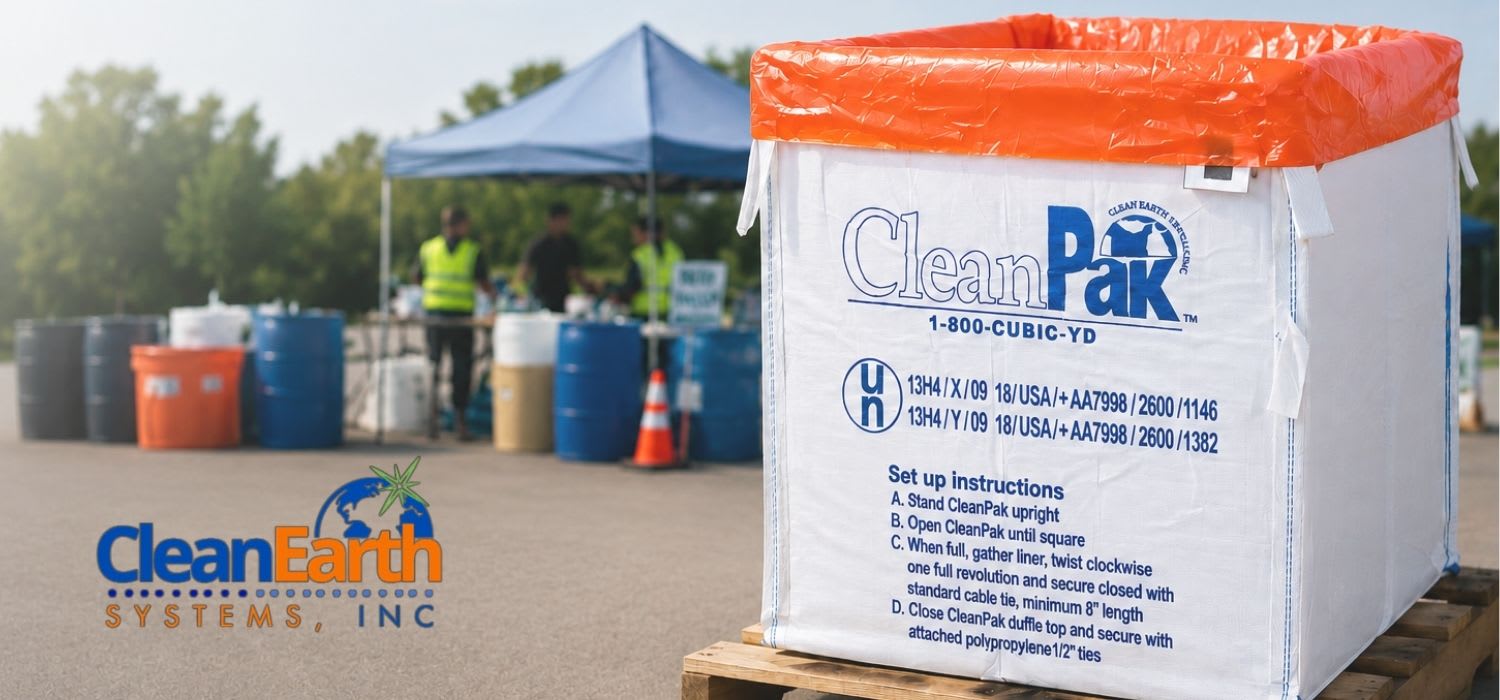
UN-rated containers, lab-paks, overpacks, absorbents, and combination packaging must meet strict transportation and environmental requirements before hazardous materials can be safely handled and shipped.
When packaging materials are unavailable or sourced too late, collection events may experience:
• Operational delays
• Increased compliance risk
• Safety concerns for workers and participants
• Disruptions to scheduled collection programs
"The biggest challenges we see often happen before an HHW event even begins," said Cory Stiger, Vice President of Sales at Clean Earth Systems. "When packaging needs are underestimated or materials are sourced at the last minute, programs can face unnecessary delays and compliance concerns. Planning ahead helps ensure collection events run safely and efficiently."
Growing Participation, Increasing Complexity
Many municipalities continue to see strong participation in HHW programs as public awareness of proper hazardous waste disposal grows.
At the same time, evolving transportation and environmental regulations are increasing the importance of advance planning, proper packaging selection, and supply chain reliability.
Organizations that assess packaging requirements early are often better positioned to manage collection volumes, maintain compliance, and avoid last-minute disruptions.
Key Packaging Materials for HHW Programs
Clean Earth Systems works with municipalities and environmental service providers to support collection programs with:
• UN-rated containers for hazardous material transportation
• Lab-paks and combination packaging for mixed waste streams
• Overpacks for damaged or leaking containers
• Absorbents and spill containment products for site safety
• Poly, steel, and fiber drums for high-volume collection events
• Custom packaging solutions designed around specific program requirements
In addition to product supply, the company works with customers to forecast volume requirements, coordinate deliveries, and help ensure materials arrive before collection events begin.
Planning Ahead for Peak Season
With HHW collection activity expected to remain strong throughout the spring and summer months, municipalities and environmental service providers are encouraged to review packaging needs well in advance of scheduled events.
Early planning can help reduce operational disruptions, support compliance objectives, and contribute to safer, more efficient collection programs.
For more information about HHW packaging solutions, visit Clean Earth Systems or call 800-282-4293.
Clean Earth Systems is a U.S.-based provider of hazardous waste packaging and environmental solutions. The company supplies UN-rated containers, corrugated packaging, lab-paks, pails, drums, absorbents, spill response products, and custom packaging solutions to environmental service providers, municipalities, industrial organizations, and government agencies nationwide. Through a network of warehouses and distribution partners, Clean Earth Systems helps customers maintain safe, compliant, and efficient hazardous waste operations.