Packaging choices create different implications for material recovery operations and waste management systems. Understanding how container options interact with existing recovery infrastructure provides important context for assessing sustainability outcomes.
Recent comparative life cycle assessment data examining corrugated containers and reusable plastic containers (RPCs) offers insights into recovery rates, material flows and infrastructure requirements relevant to waste management operations.
Recovery Infrastructure and Rates
Corrugated containers participate in well-established recovery systems. Current recycling rates for corrugated reach 69-74 percent in 2024, reflecting decades of infrastructure development. Material recovery facilities process corrugated through existing sorting systems, with established markets for recovered fiber.
Corrugated integrates into paper recycling streams that MRFs already handle. Sorting technology readily identifies and separates corrugated from other materials. The material maintains consistent value in commodity markets for recovered fiber.
Reusable plastic containers follow different pathways. These systems rely on closed-loop operations where containers remain within controlled distribution networks rather than entering municipal or commercial waste streams. When RPCs reach end-of-life, they require separation from other plastic waste due to their specific compositions and potential contamination.
Material Flow Patterns
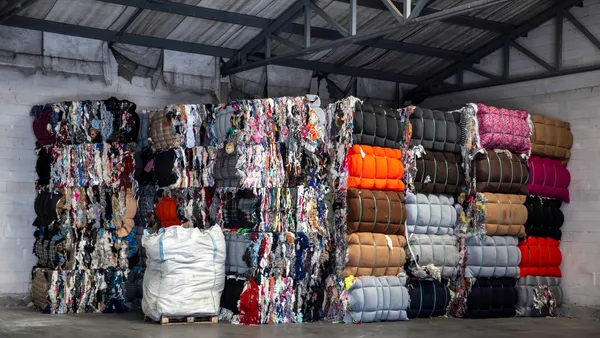
The two systems create different material flows. Corrugated follows a straightforward path: from use through collection, MRF sorting, baling and sale to paper mills for remanufacturing. This pathway uses infrastructure built over decades of paper recycling operations.
RPC systems operate through closed-loop networks managed by pooling companies or individual organizations. Containers travel from use points back to centralized facilities for cleaning and inspection. This model requires dedicated infrastructure separate from municipal waste management systems.
The closed-loop model removes RPCs from public waste infrastructure during their use phase. However, RPC systems require parallel infrastructure investment rather than utilizing existing recovery networks. Organizations must account for this dedicated infrastructure when evaluating total system costs.
Environmental Performance
The 2025 comparative LCA conducted by Anthesis Group measured environmental impacts across complete life cycles, including end-of-life stages (Anthesis Group, 2025). Recovery and recycling processes contribute to overall environmental performance for both systems.
Corrugated's high recovery rate supports circular material flows. Recovered corrugated reenters production as recycled content in new containers, with material cycling through multiple generations.
For RPC systems, multiple use cycles represent the primary circular economy mechanism. However, the study found corrugated demonstrated 69 percent lower global warming impact and 110 percent lower non-renewable energy use despite being single-use, indicating that reuse operations carry significant environmental costs related to cleaning, transportation and infrastructure.
Infrastructure Planning
Waste management planning must account for infrastructure implications of different packaging systems. Corrugated utilizes existing MRF infrastructure, collection systems and markets. Expanding corrugated recovery requires optimizing existing systems rather than building new infrastructure.
RPC systems require dedicated investment: cleaning facilities, quality control operations and reverse logistics networks. These systems operate independently of municipal waste management infrastructure.
Geographic factors influence infrastructure efficiency. Regional MRF capacity, transportation distances to processing facilities and local market conditions for recovered materials all affect system performance.
Material recovery operations benefit from predictable, high-volume streams that integrate with existing infrastructure. Corrugated provides this predictability with consistent material characteristics and established protocols. Closed-loop reusable systems remove material from public waste streams during use but require organizations to manage dedicated recovery networks.