
Extended producer responsibility programs for packaging can be a tool to help expand composting infrastructure in the United States, when designed strategically, according to a report from Closed Loop Partners’ Composting Consortium. The report offers guidance for decision-makers on strategies to fund composting projects in alignment with states’ emerging EPR laws.
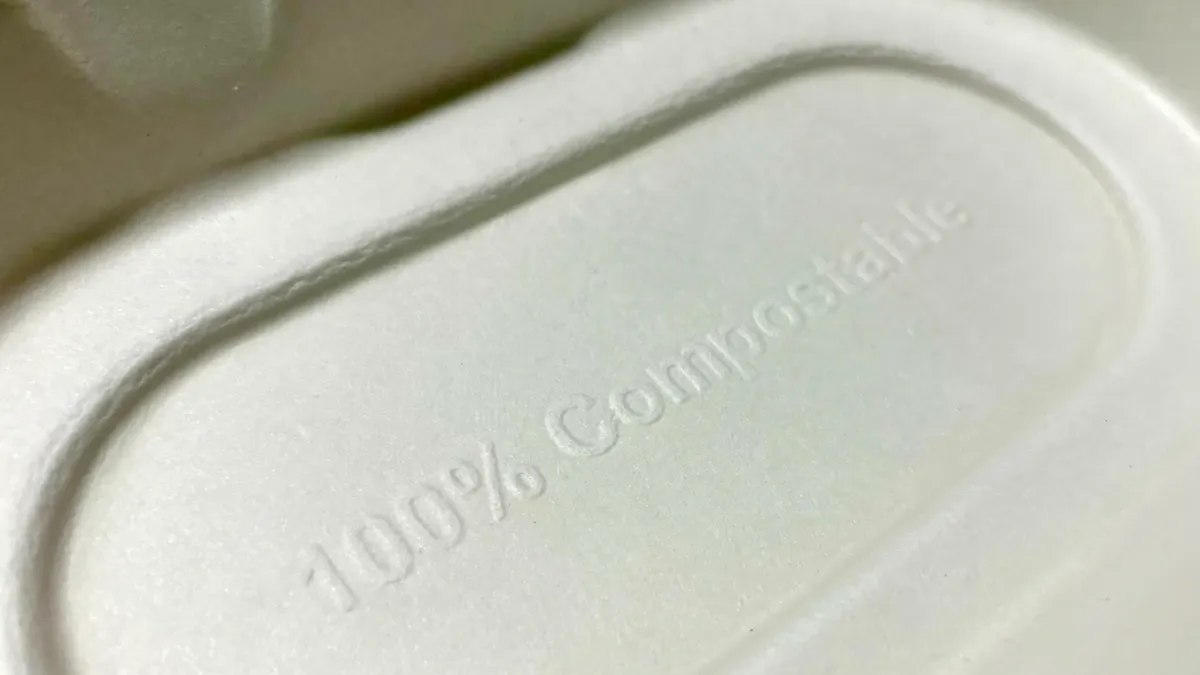
“Investing in and expanding composting infrastructure is essential for the success and longevity of an EPR program,” the report says, adding that EPR investment can increase acceptance of compostable packaging. CLP reported some 200 U.S. composters accept some type of compostable packaging, yet there’s no official industry guide for material management, the report states.
The report describes a framework for how compostable packaging can be included in state EPR laws. It also addresses how to handle fees related to EPR programs, specifically how a PRO would reimburse composters, as opposed to producer payments.
The authors do not believe that conventional recycling reimbursement programs translate to the composting sector. Instead, they encourage producer responsibility organizations to build on the provided framework, which they say is “replicable and realistic; it works well for EPR programs that are in their early years, and can be refined over time as programs mature and better data is collected.”
The guidance centers on a volumetric approach instead of a cost-based one. Directly correlating the volume of compostable packaging processed with the reimbursement amount incentivizes “greater acceptance of compostable packaging and rewards early adopters,” the report says.
Four key steps are laid out for a PRO to follow:
- Focus on direct operational reimbursement to composters who accept compostable packaging.
- After eligible composters have been reimbursed, invest remaining cash into permitting, technical assistance and upgrades to build new facilities or improve processing efficiency at existing facilities.
- Invest a smaller portion of funding in education and outreach for organics collections programs and composting.
- Set aside money to support twice yearly waste characterization studies performed by third parties at sites that accept compostable packaging.
The PRO should prioritize capital investments and upgrades when deciding how EPR money could support existing and future composting infrastructure, and increase the collection and recovery of compostable packaging, the report says. The framework includes a reimbursement category for permitting, technical assistance and facility upgrades, considering the benefits of specific equipment and automation for composting operations.
“It is our hope that this framework and analysis can inspire future EPR programs to recognize composters and compostable packaging producers as equal and important players in EPR programs,” the authors say.
CLP’s Composting Consortium counts participants among major brands and retailers, such as Mars, PepsiCo and Target; packaging companies including Eco-Products and Atlantic Packaging; and numerous composters. It also partners with industry groups like the Biodegradable Products Institute and US Composting Council. This year it launched a grant program to increase the recovery of food-contact compostable packaging.