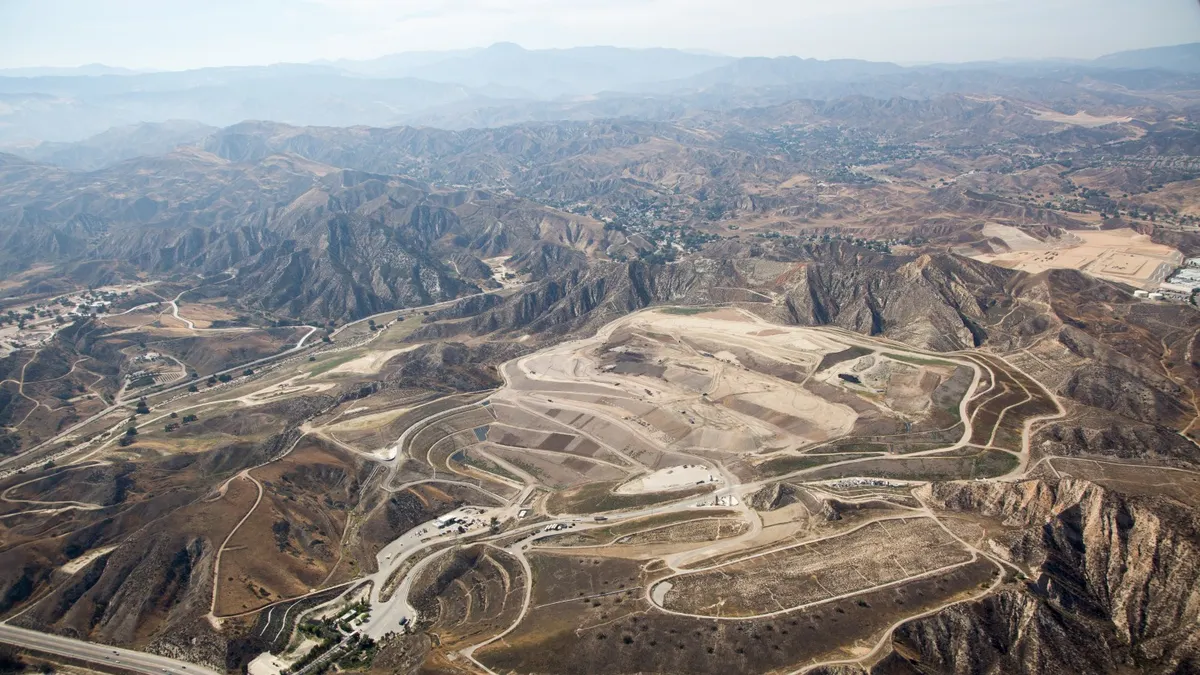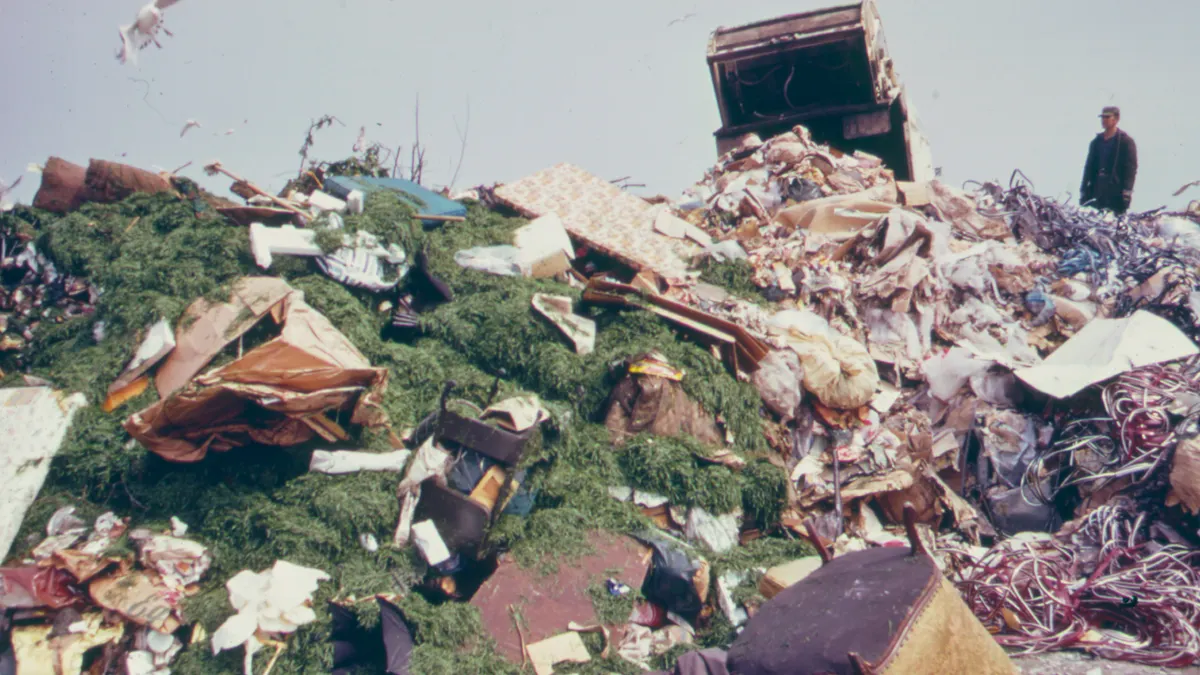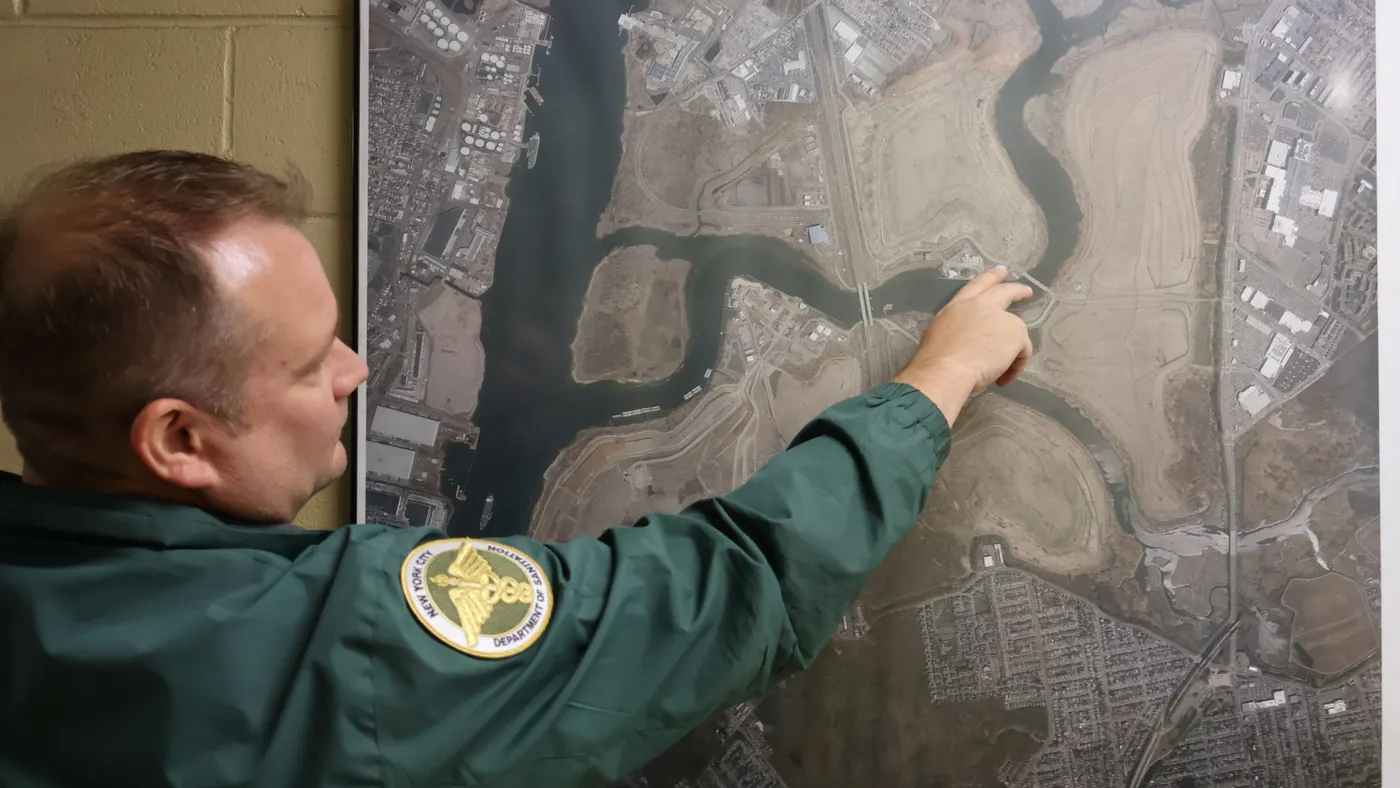
For more than half a century, the behemoth Fresh Kills Landfill has stored much of what New York City residents wished to forget.
The sprawling complex opened in 1948 and absorbed generations of garbage from a changing city. It persisted even as regulations like the federal Resource Conservation and Recovery Act made parts of its construction obsolete, and it continued operations under a consent decree and the watchful eye of regulators.
Its final act as a landfill — in which it accepted controversial debris from Ground Zero in 2001 — served as a fitting end for a facility that was routinely maligned for its impact on neighbors. City officials have been the subject of lawsuits related to the waste, and multiple studies on the landfill's health impacts on neighboring residents have come to inconclusive results.
Fresh Kills is now the nation’s largest post-closure landfill care project, and work to realize a vision of a 2,200-acre park remains ongoing.
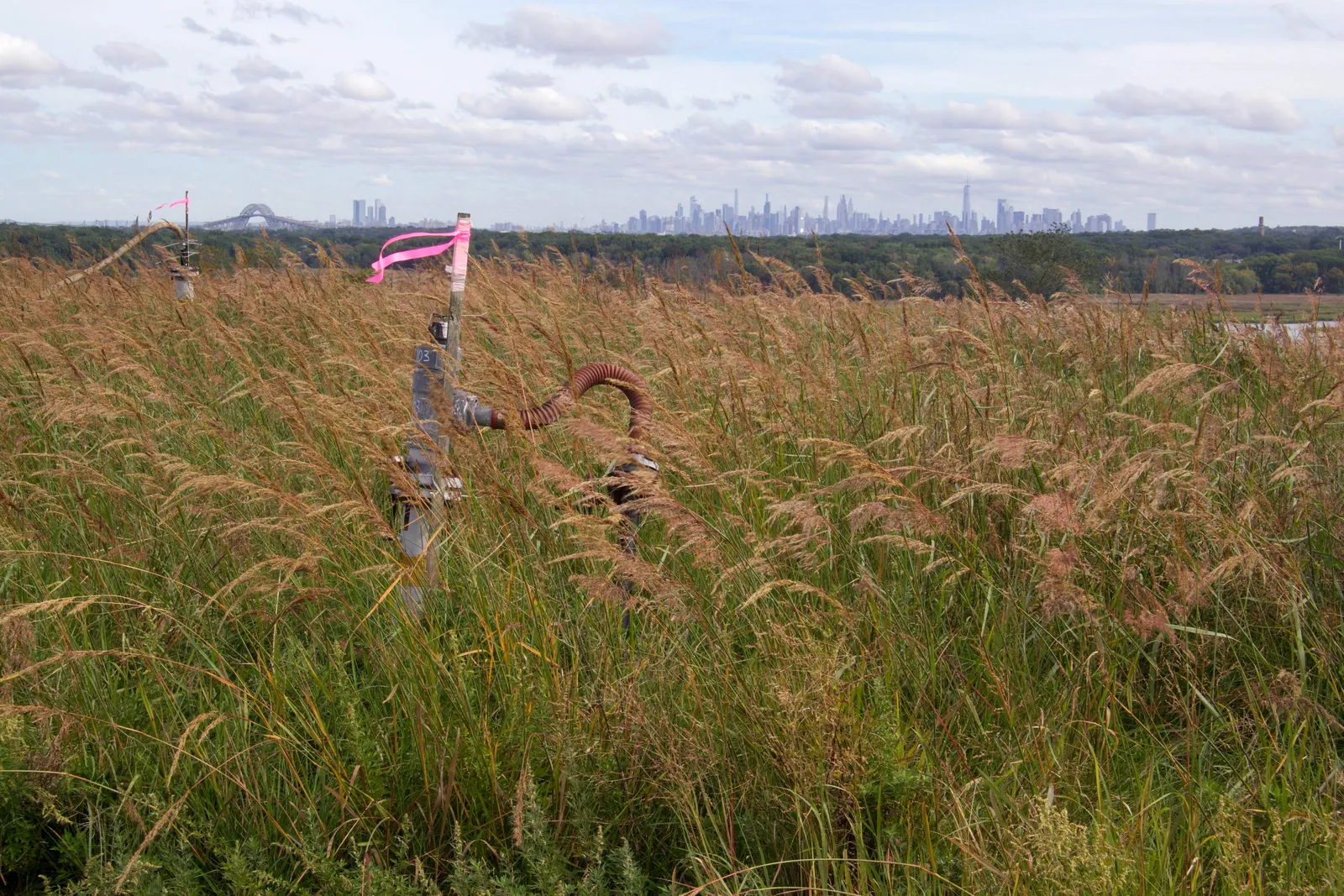
Despite the decades of activity that have occurred on-site, on a sunny day in late September, when a stiff breeze causes the tall grass that covers the former landfill's north slope to sweep toward its cover soil, the landfill seemed largely peaceful. In its afterlife, the landfill is slated to become a quiet reminder of the physical impact of waste, as well as the difficulties of managing materials even decades after they're buried.
"It seems calm outside," Santi Chang, director of landfill engineering in DSNY’s Bureau of Solid Waste Management, said on a tour of the site. "But underneath a lot is happening."
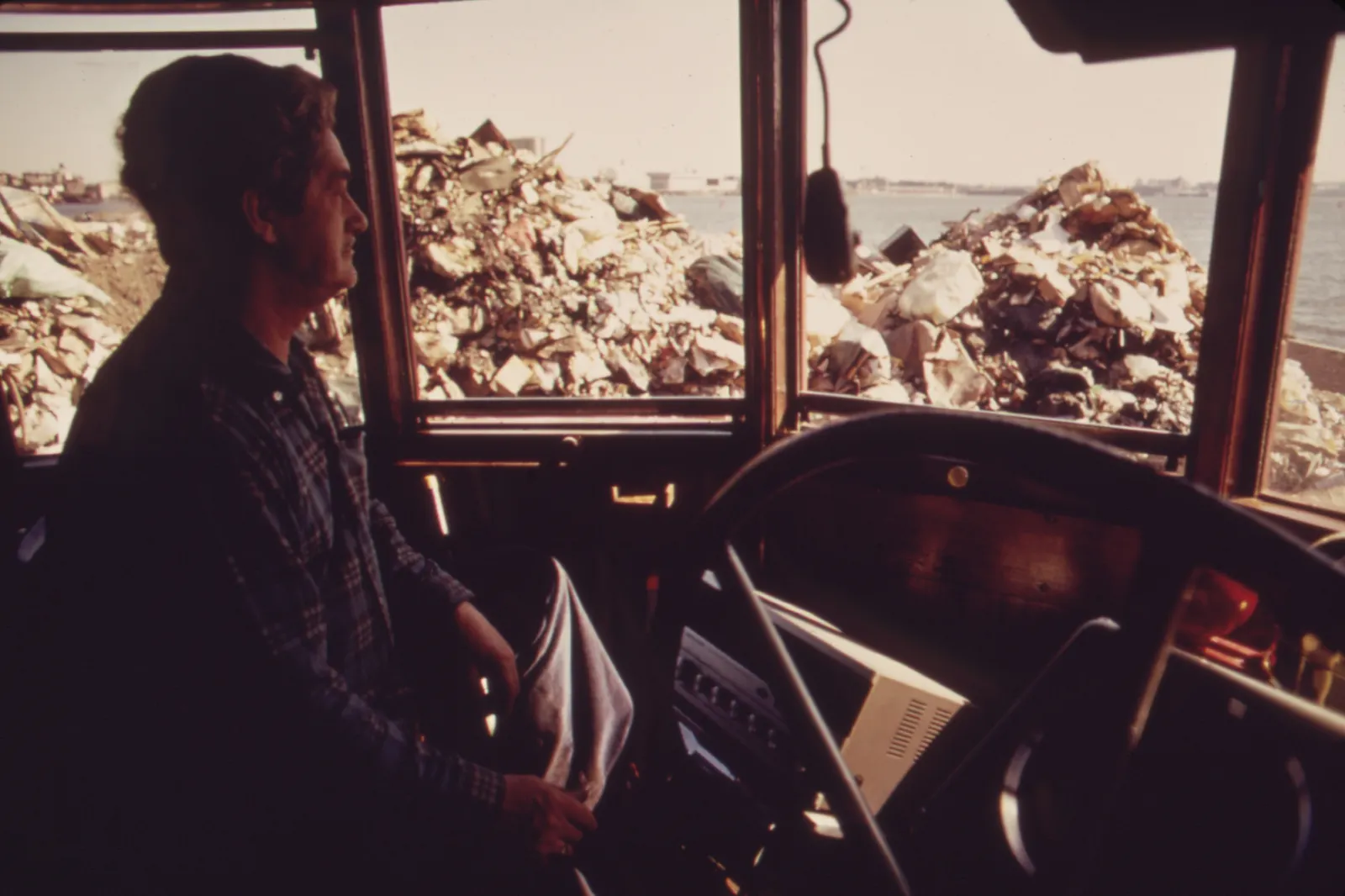
When it was open, Fresh Kills was considered the largest active landfill in the world. The site accepted up to 29,000 tons of waste per day from New York City's residents at its peak, and finally closed after decades of advocacy from Staten Island politicians and residents.
While the site no longer accepts waste, New York City's Sanitation Department maintains an active presence across the landfill.
It hosts more than 572 landfill gas collection wells and 238 groundwater monitoring wells. A team of six DSNY personnel oversee the agency's operations on site, with assistance from more than 50 people employed by contractors responsible for the leachate collection plant, gas facilities and other essential functions. To date, approximately 6.2 million tons of soil has been placed as final cover. Closure and post-closure costs have exceeded $1 billion, and will continue to rise.
Closed landfills and dumps can present a variety of problems for their neighbors, and Fresh Kills is no exception. But DSNY officials, working in partnership with the New York City Department of Parks & Recreation, the state’s Department of Environmental Conservation and other agencies, are hopeful that the site can create the blueprint for restoring a former landfill for nature and public use.
“We kind of built the rules together,” Jen McDonnell, DSNY’s director of solid waste management planning, said. “I see Fresh Kills as very much a demonstration site of how to design, construct, operate and maintain a modern landfill.”
A monument to waste
Fresh Kills was built on marshland on Staten Island at a time when the city’s other dumping areas were filling up and it was actively exploring new solutions.
The landfill was championed in the 1940s by Robert Moses, the famed New York urban planner, who felt the Staten Island site was a better option than marshland in other boroughs, according to the historian Martin Melosi.
"It was just done without their permission, essentially," Melosi said. "It was politically easier to do it because the other boroughs didn't complain; They were getting this for free."
Initially pitched as a temporary measure, the landfill far outlasted other sites in the city. The implementation of RCRA especially forced the closure of most of the city's remaining landfills.
In 1978, Staten Island Assemblywoman Elizabeth Connelly filed a lawsuit on the grounds that new landfill requirements set by RCRA should force the closure of Fresh Kills. The landfill lacked a liner system in its existing waste stack, as well as a comprehensive leachate collection system. While the lawsuit led to a consent decree setting new operating standards for the landfill, it failed to shut down the site.
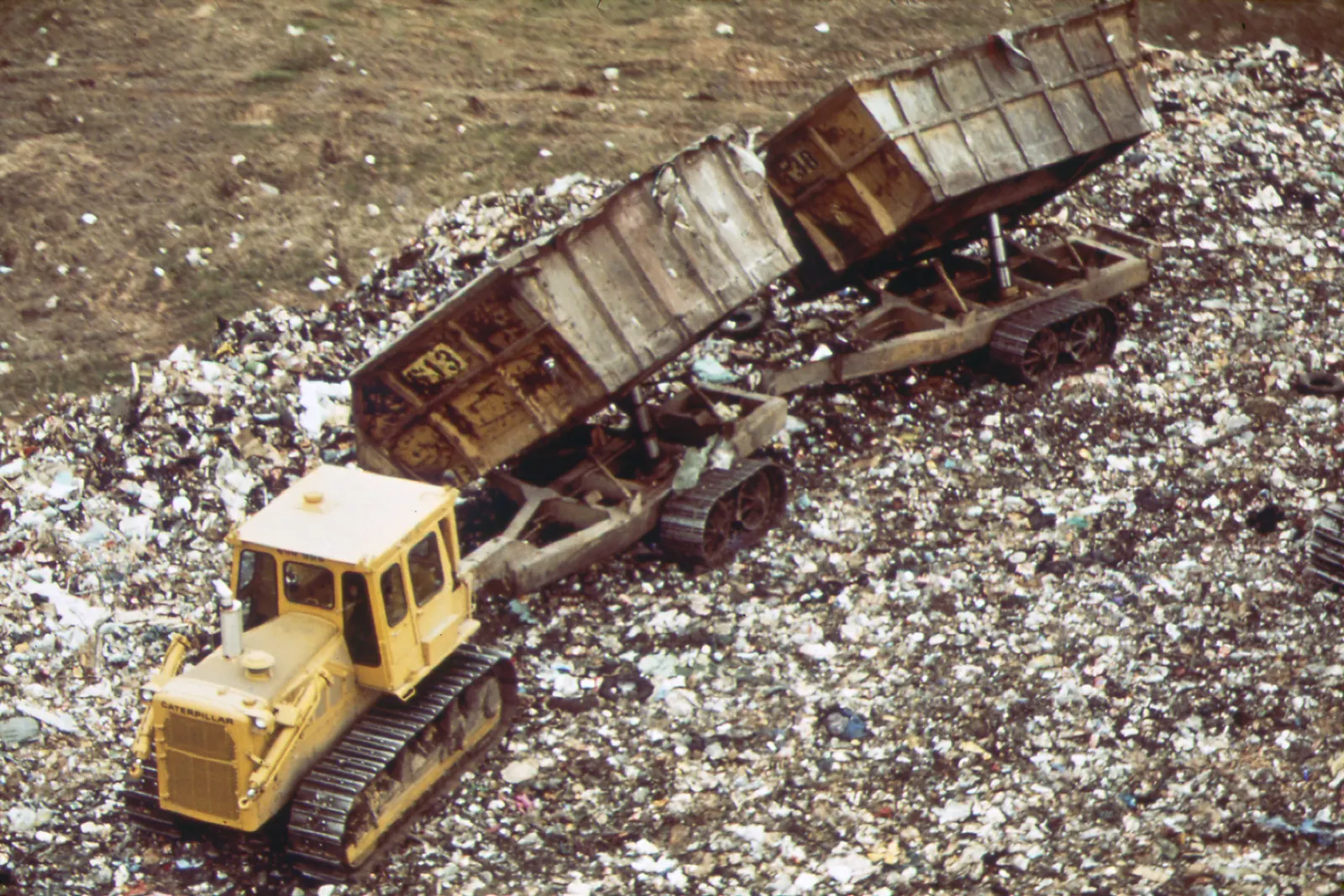
Tim Jackson, a project manager overseeing the landfill's post-closure operations today, grew up in New Dorp, Staten Island, in the years following the initial consent decree. Despite living several miles from Fresh Kills, he said the presence of the landfill was obvious.
"The hills are higher than anything else on the horizon," Jackson said. "That was always the thing about Fresh Kills. It was just there."
The landfill was a part of life for many Staten Island residents. Jackson said depending on the wind's direction, the smell could be noticeable from the Staten Island Mall, where students would hang out after school, and other spots around the borough.
It was just there, and it stunk.

Tim Jackson
Jackson graduated high school in 1999, just as closure activities at the landfill had begun to ramp up.
The decision to close Fresh Kills Landfill was political rather than environmental, according to Melosi. The borough's residents were a key political base for then-Mayor Rudy Giuliani and Gov. George Pataki. But Staten Island Borough President Guy Molinari, who was otherwise aligned with the two leaders, filed a federal lawsuit against the governor, mayor and commissioners of DSNY and DEC, attempting to close the landfill through the Clean Air Act.
In 1996, the state legislature passed a law ordering the closure of the Fresh Kills Landfill by 2002. At the time, the landfill had at least 20 years of remaining capacity, according to some estimates. Its closure presented a major challenge for DSNY, which was suddenly tasked with finding a destination for the city’s waste and closing a massive site.
"They had never informed the Department of Sanitation, who was responsible for running the place," Melosi said. "They were just told that's what they had to do."
The last barge of municipal solid waste arrived at the site on March 22, 2001. By that time, thousands of dumps and landfills around the country had already begun closure proceedings of their own, spurred and guided by the Subtitle D requirements for MSW landfills finalized by the U.S. EPA in 1991.
Yet the closure of Fresh Kills posed a monumental challenge. The landfill’s four mounds each contain different vintages of waste and design components and are different sizes. The height of the mounds alone ranges from 90 to 225 feet.
The facility opened before permits were issued, before the rules existed on how to even get a permit. … Not all of it is constructed and closed the same way.
Jen McDonnell
Jackson, who was loosely aware of the closure proceedings as he finished school, never expected he would work at Fresh Kills. But after earning a degree in environmental science, an opportunity opened up in 2005 for him to work as a geologist at the site handling closure responsibilities. He began his career working on engineering design and geotechnical borings for roadways and gas wells that would enable post-closure care.
By that time, three years after operations related to 9/11 were complete, two sections of the landfill had received final cover while two more still only had interim cover. That same year, Mayor Michael Bloomberg had also unveiled new plans for Owl Hollow Fields, the first public recreational space on Fresh Kills to be announced following the end of dumping activities.
The plan to transform Fresh Kills Landfill into Freshkills Park emerged at the same time that it was actively closing down. The city parks department selected landscape architecture firm Field Operations to design a master plan.
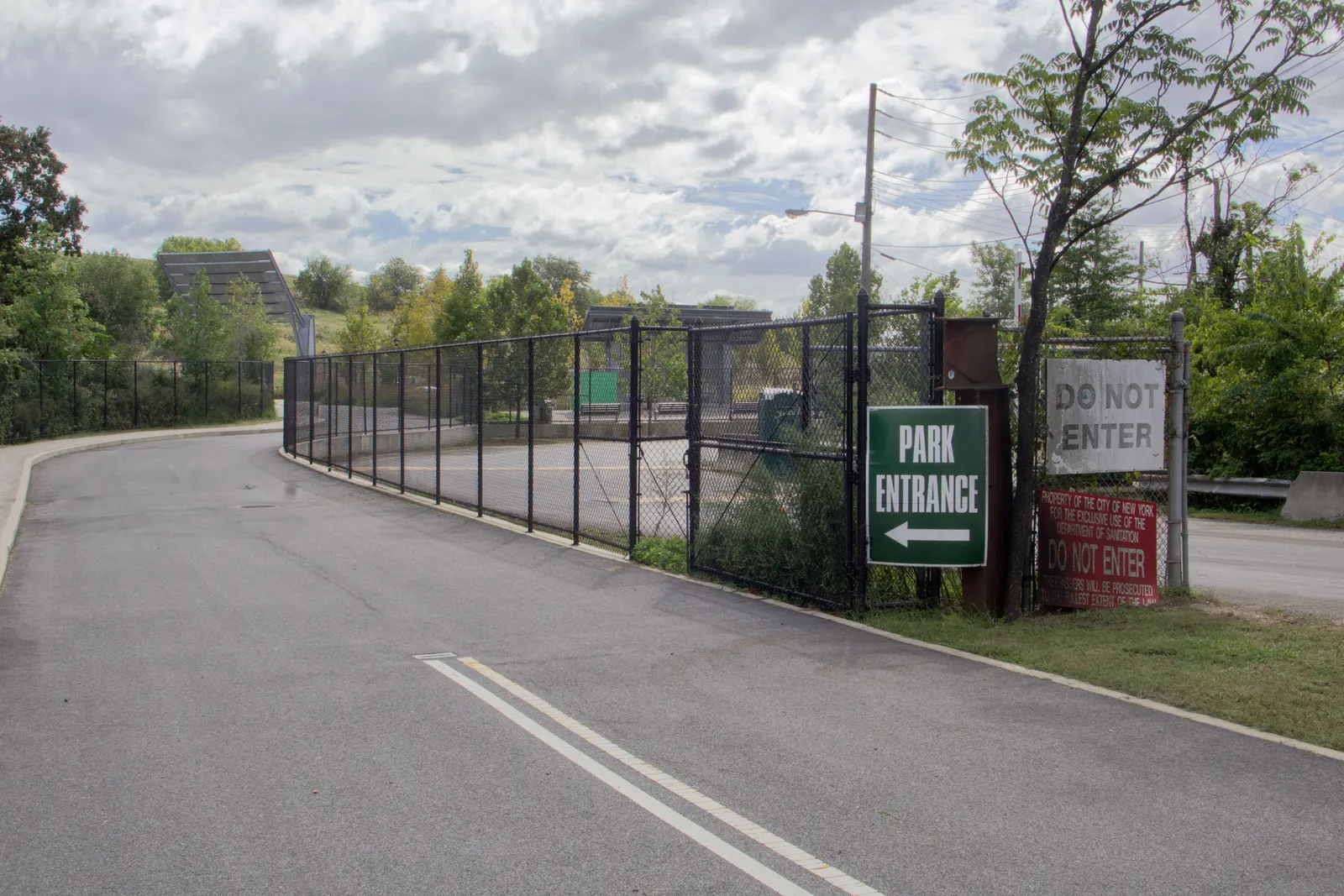
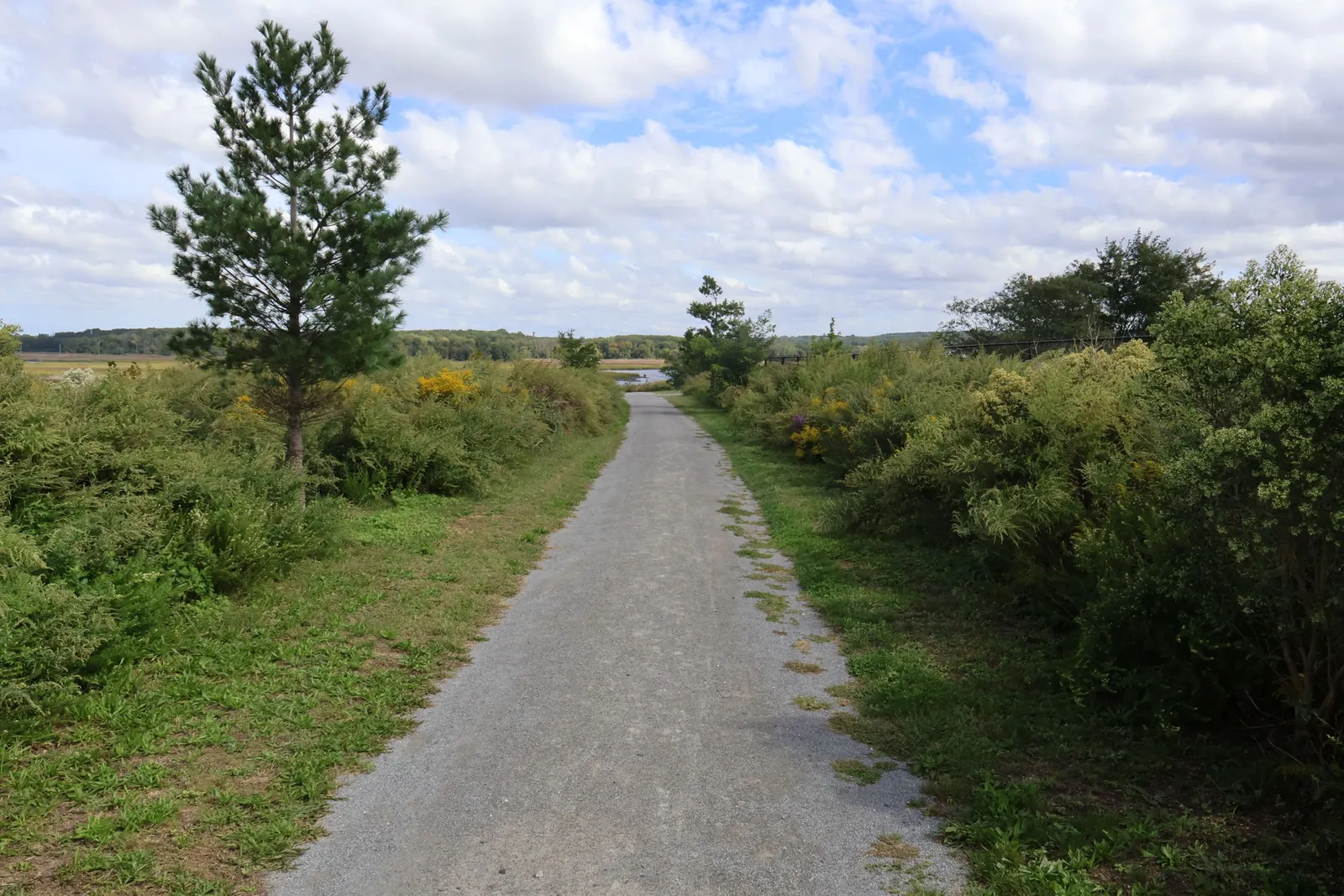
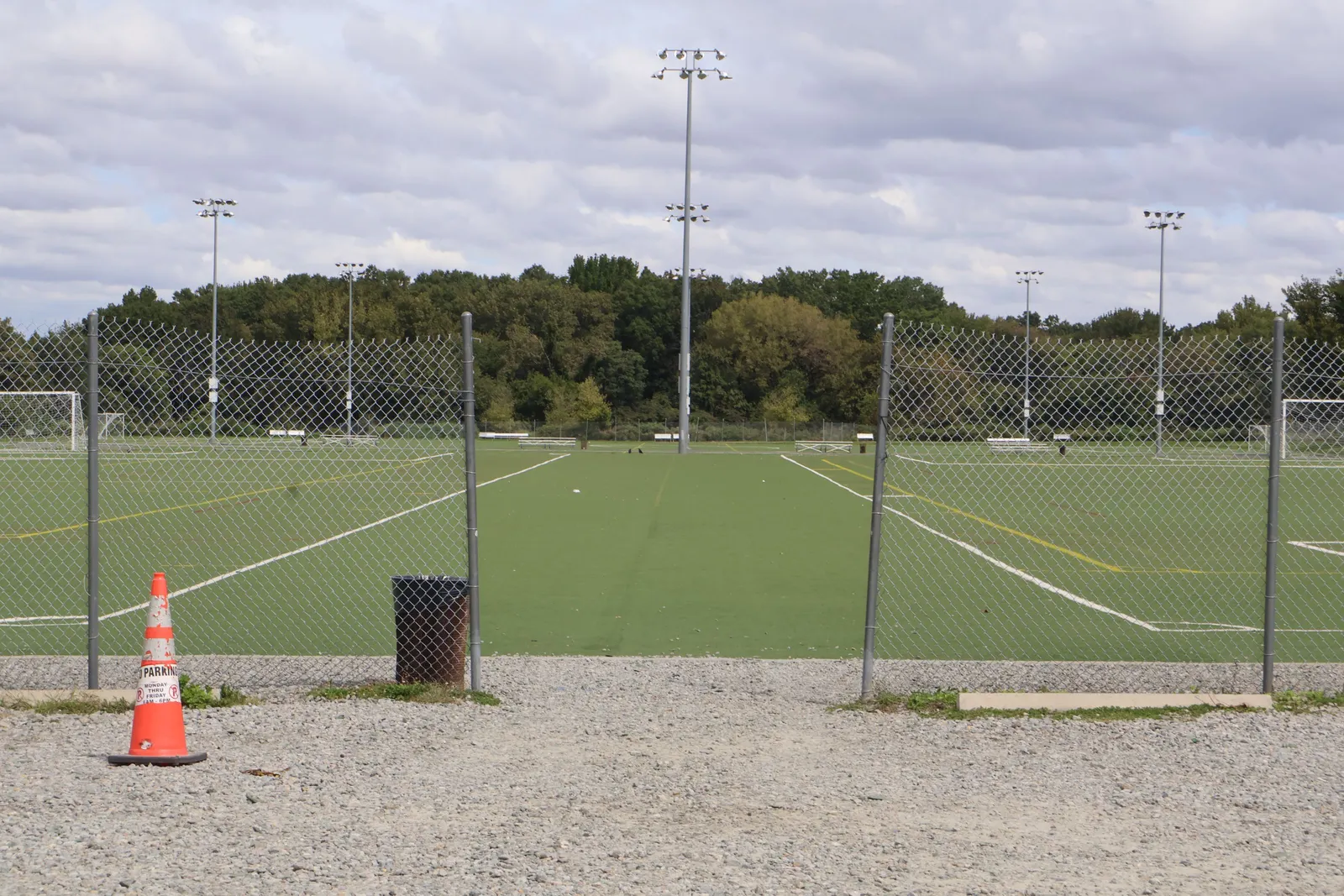
With an initial budget of more than $100 million, the plan called for more than 40 miles of new trails, and envisioned a wide range of recreational activities that would take place across the site. It charted an initial project timeline that would see this vision come to fruition by 2030.
The project is not on track to be completed by then. The latest public statement estimated the park would be complete in 2036. North Park Phase 1 opened three years ago, offering visitors a path along the landfill's North Mound toward the Main Creek and its wetlands. The parks department also noted another recreational area connected to Owl Hollow Fields is scheduled to be completed in 2028.
Development of the park has been subject to the vicissitudes of public financing and continued closure operations related to the landfill itself. The South Mound and North Mound were each capped in 1996 and 1997, respectively. But the capping of the East Mound was not completed until 2011, and the West Mound was not capped until 2021.
Designing for the future
Over such a long time period, DSNY's understanding of landfill closure has evolved. It has brought in higher quality soil for the more recent two capping projects, and has had to design a specialized wellfield around the Ground Zero waste stored in the West Mound.
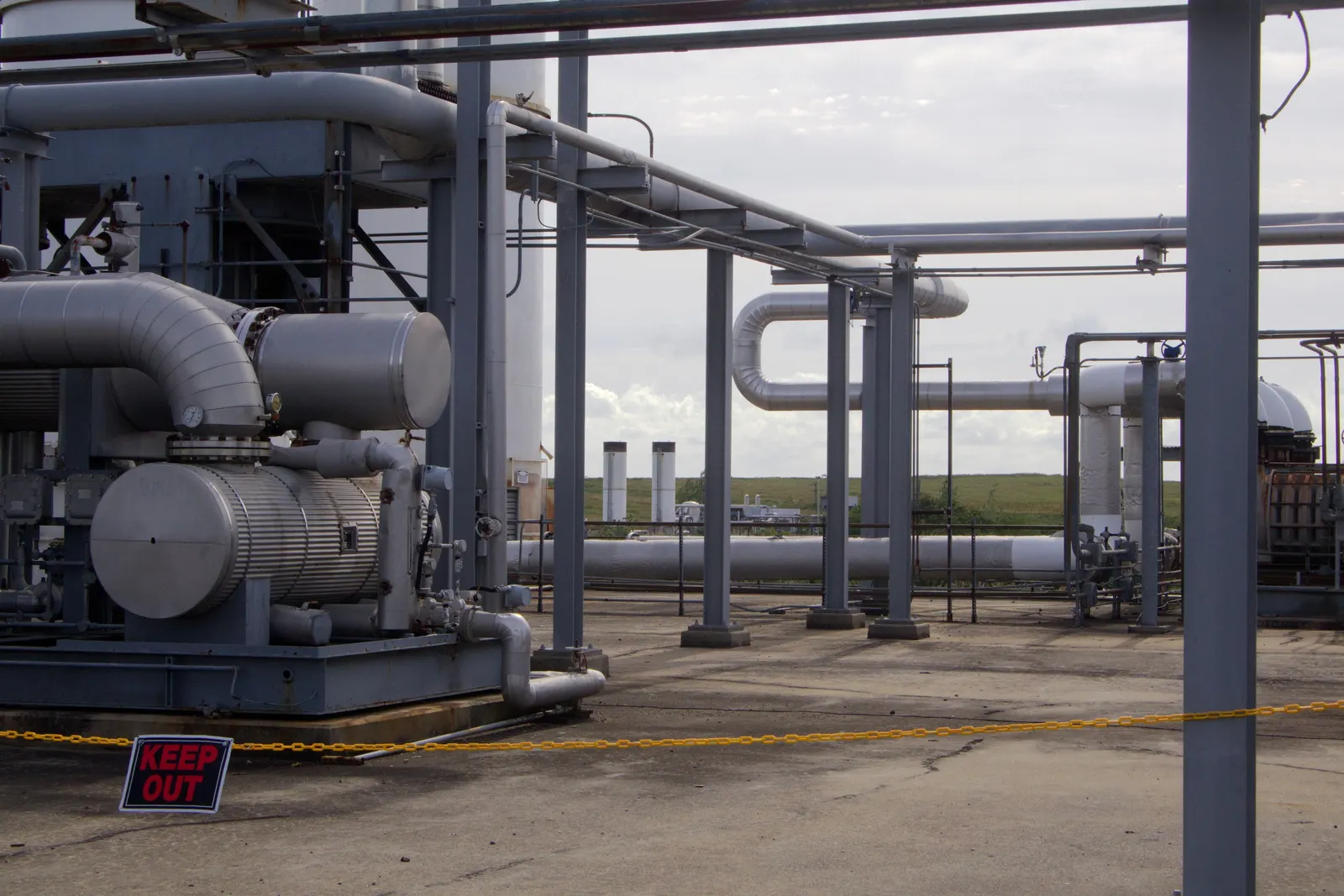
The site also refined its landfill gas into pipeline quality natural gas from 1980 through 2020 through an agreement with the utility National Grid, but production has declined since the landfill's closure.
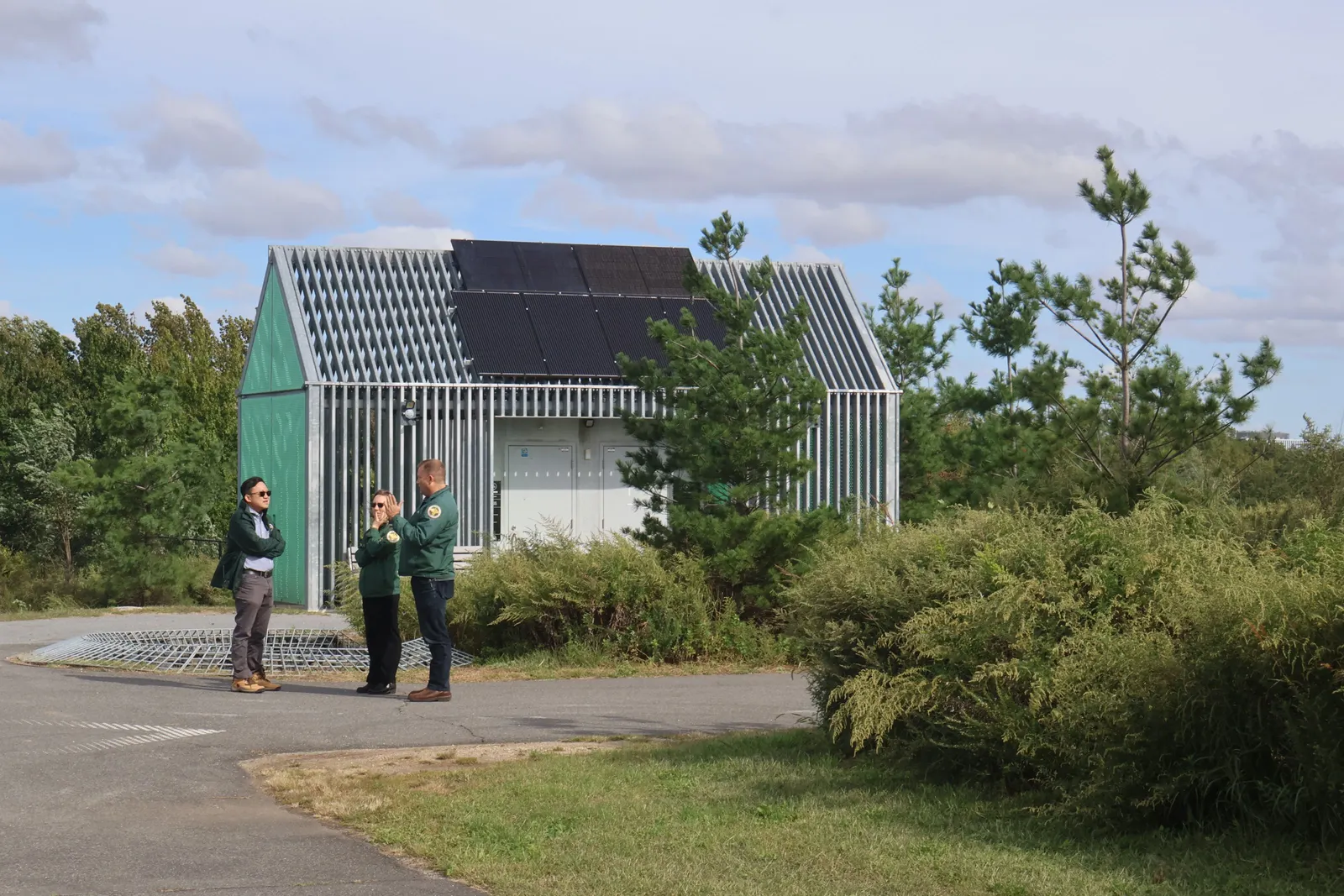
While there were once three stations across the site, today gas is routed to just one remaining flare station as volumes continue to decline. The station runs during business hours and shuts off on weekends — there isn't enough gas in the landfill to keep burning methane 24/7 anymore.
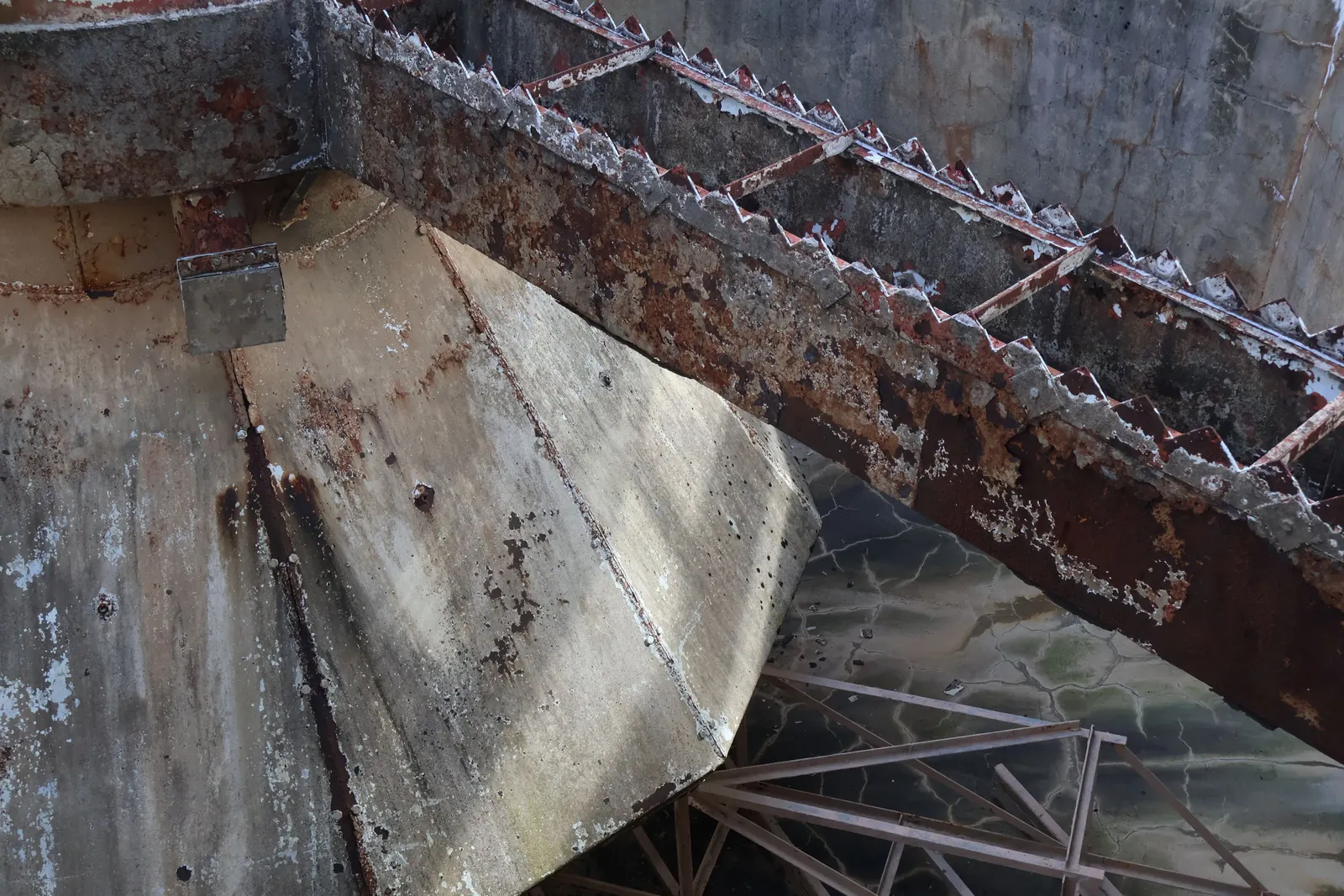
Fresh Kills' leachate plant is also seeing declining volumes. It currently processes about 200,000 gallons per day, a fifth of what it saw at its peak. The plant has taken one of its two clarifiers offline due to those declining volumes, and has significantly reduced the amount of solids it must ship out for disposal.
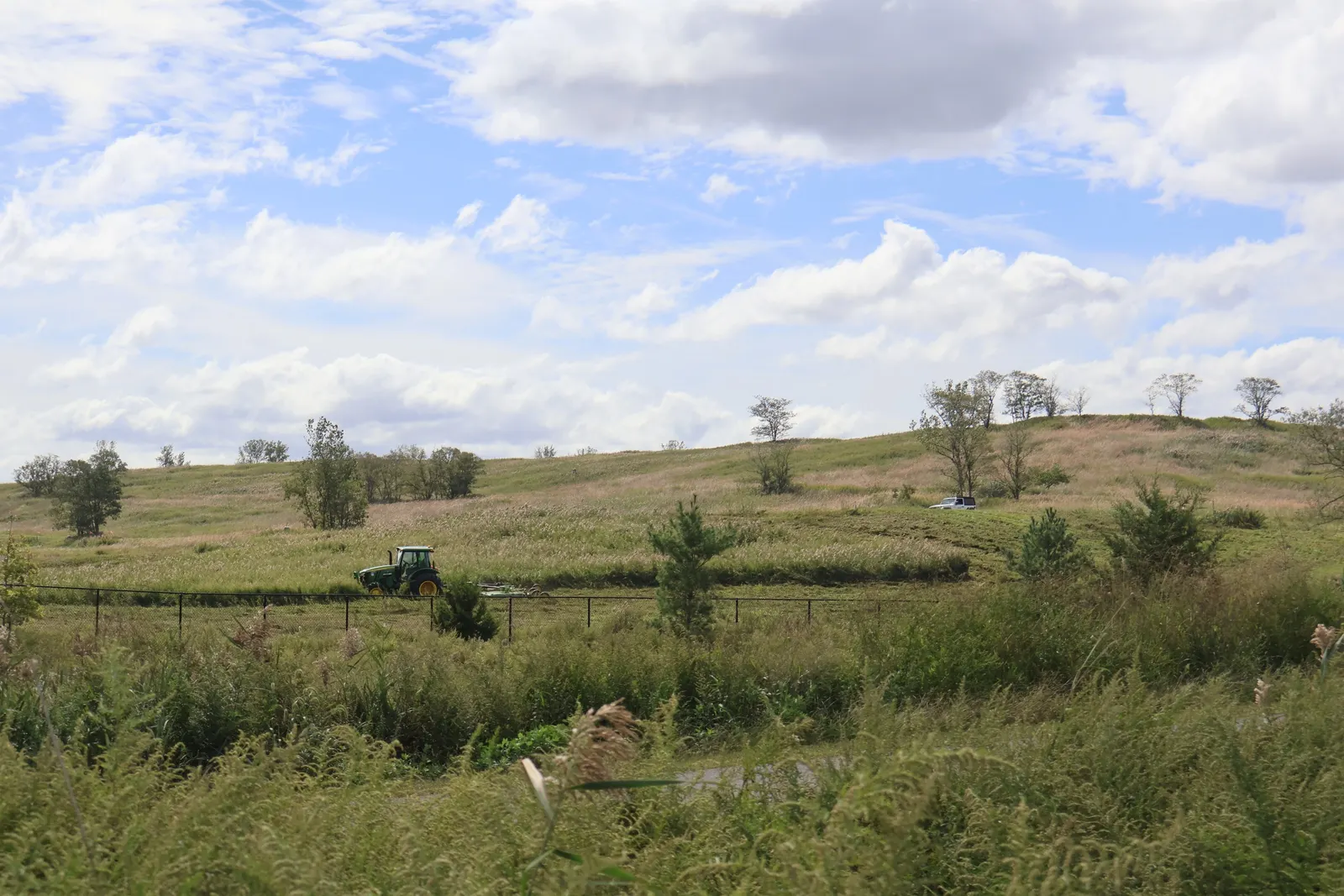
Jackson said decades of experience have allowed the landfill's team of staff and contractors to streamline their work. Annual mowing of the grassy mounds each fall keeps landfill gas wellheads visible, which staff check monthly. Meanwhile, DSNY is working with state regulators to reduce some of its monitoring cadence as gas and leachate volumes continue their steady decline.
New York City has not come up with a comprehensive replacement for Fresh Kills since it closed; It spends roughly $500 million annually through contracts with WM, Republic Services and Reworld to export its waste.
DSNY built a new transfer station on the landfill's footprint to account for this change, along with a network of rail and marine transfer stations. The city has spent decades rerouting trucks and barges to minimize the traffic impact from its waste. That’s caused significant consternation throughout New York City ever since the closure was announced.
"All of a sudden these boroughs had to take on a lot of the responsibility for their own waste, and they just did not want to do it," Melosi said.
But the Fresh Kills Landfill’s closure has led to a significant quality of life change for Staten Island residents. Jackson said people moving to the neighborhood today sometimes have no knowledge of the landfill or its impact on the borough. While it has receded into the background of daily life, Jackson said the landfill’s closure and eventual conversion is a major accomplishment.
As the site has matured, wildlife has begun to return. Visitors and staff on site have logged a dozen osprey nests. In September, the Staten Island Zoo released hatchling terrapins into the Main Creek. Red-tailed hawks, double-crested cormorants, killdeer, sandpipers and mockingbirds have all become visitors to Fresh Kills’ marshland and surrounding waters.
"To now be one of the largest landfill-to-park projects, I'm very proud of it, speaking as a department representative and as a resident," Jackson said. "It's a phoenix from the ashes.”
Senior Visuals Editor Shaun Lucas contributed to this story.
This is the second in a series of stories about the 50th anniversary of RCRA. We’re offering the Waste Dive community a behind-the-scenes look at how our RCRA coverage has come together and an opportunity for a live Q&A with the team. Register here for the exclusive event on Nov. 19.