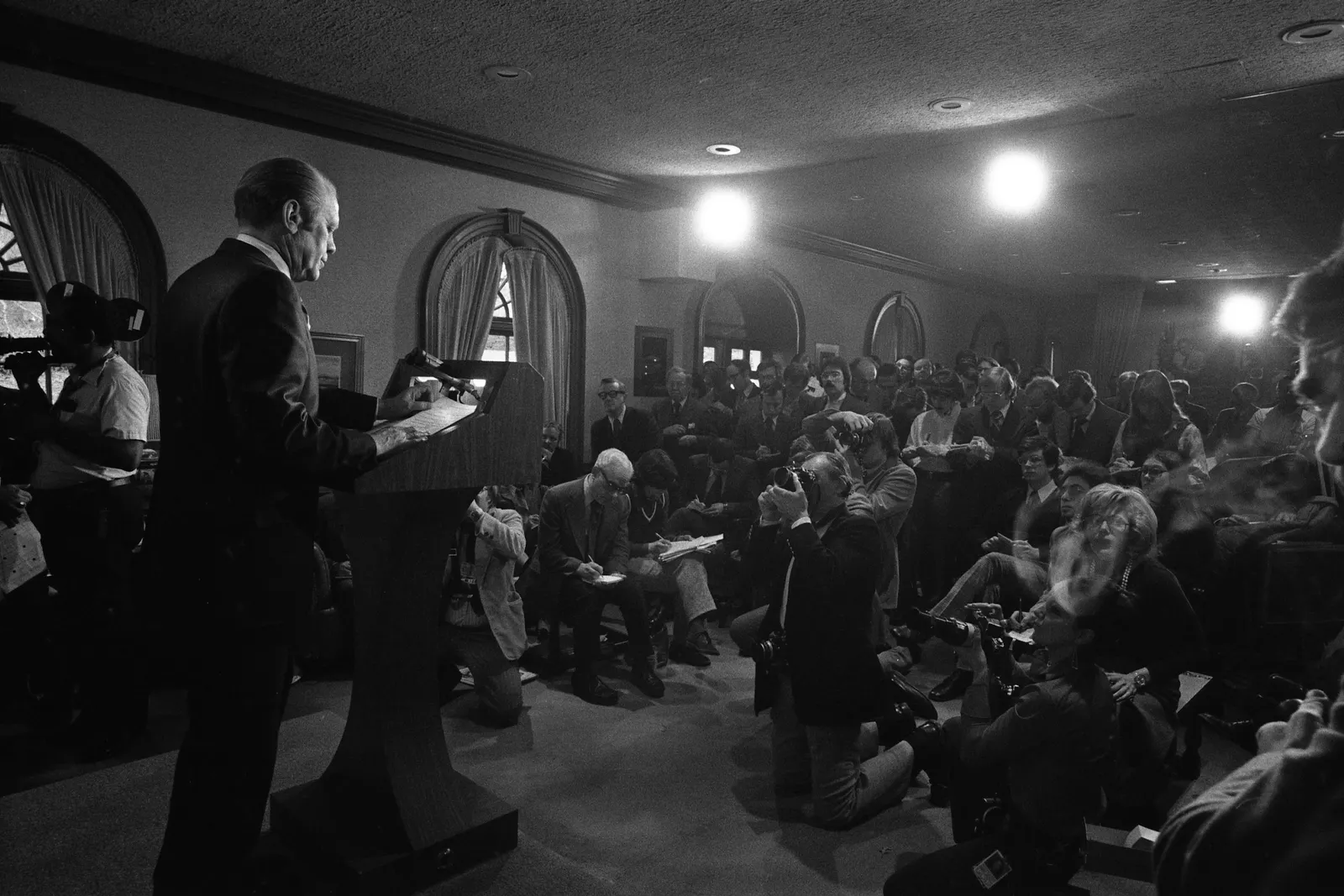
Fifty years ago, President Gerald Ford signed the Resource Conservation and Recovery Act amid a growing period of environmental activism and regulation.
The law took direct aim at the system of open dumping and burning of waste that proliferated into the 20th century. While RCRA envisioned a states-first approach, it also created a business environment that allowed waste companies to thrive, setting the stage for a multibillion-dollar network of private and public landfill operators coexisting today.
“I believe this bill provides a workable program aimed at solving one of the highest priority environmental problems confronting the nation, the disposal of hazardous wastes,” Ford said in an Oct. 21, 1976, statement. “The legislation also provides sound state and local programs to deal with ever increasing amounts of municipal solid wastes generated in this country.”
The timeline for the development of these regulations took years. But along the way, they curtailed the generation of hazardous waste, forced the closure of tens of thousands of dump sites and created a framework that still guides the operation of waste programs.
Timeline of key federal laws that shaped RCRA regulations
-
Oct. 20, 1965
Solid Waste Disposal Act signed by President Lyndon Johnson
-
Oct. 26, 1970
Resource Recovery Act signed by President Richard Nixon
-
Oct. 11, 1976
Toxic Substances Control Act signed by President Gerald Ford
-
Oct. 21, 1976
Resource Conservation and Recovery Act signed by President Ford
-
Nov. 8, 1978
Quiet Communities Act signed by President Jimmy Carter
-
Oct. 21, 1980
Comprehensive Environmental Response, Compensation and Liability Act signed by President Carter
-
Nov. 8, 1984
Hazardous and Solid Waste Amendments signed by President Ronald Regan
-
Oct. 6, 1992
Federal Facility Compliance Act signed by President George H.W. Bush
-
March 26, 1996
Land Disposal Flexibility Act signed by President Bill Clinton
-
Oct. 5, 2012
Hazardous Waste Electronic Manifest Establishment Act signed by President Barack Obama
The origins of RCRA pre-1976
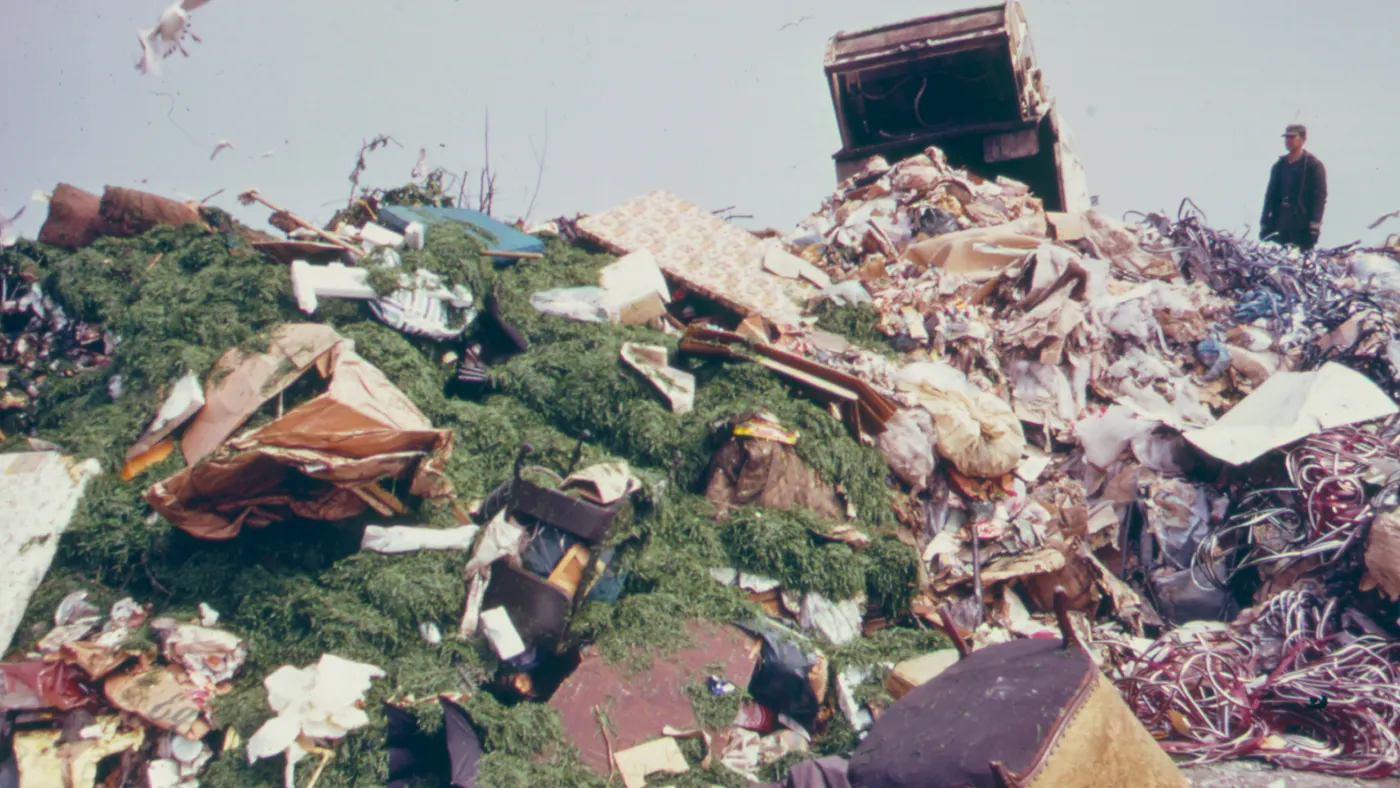
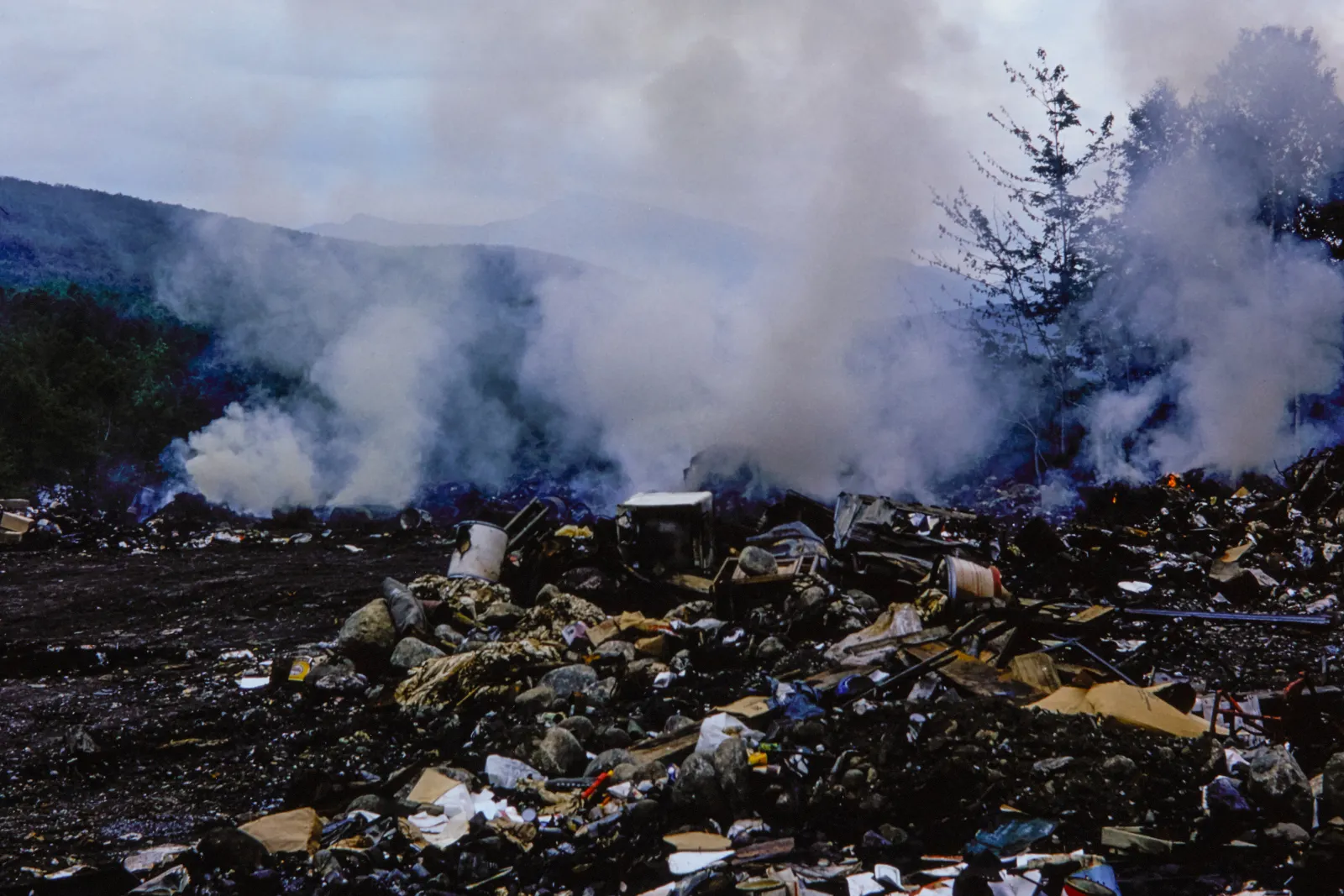
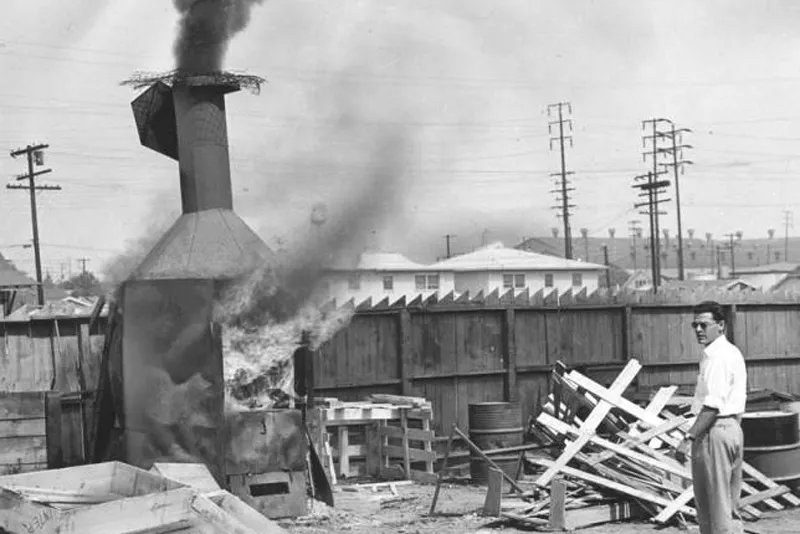
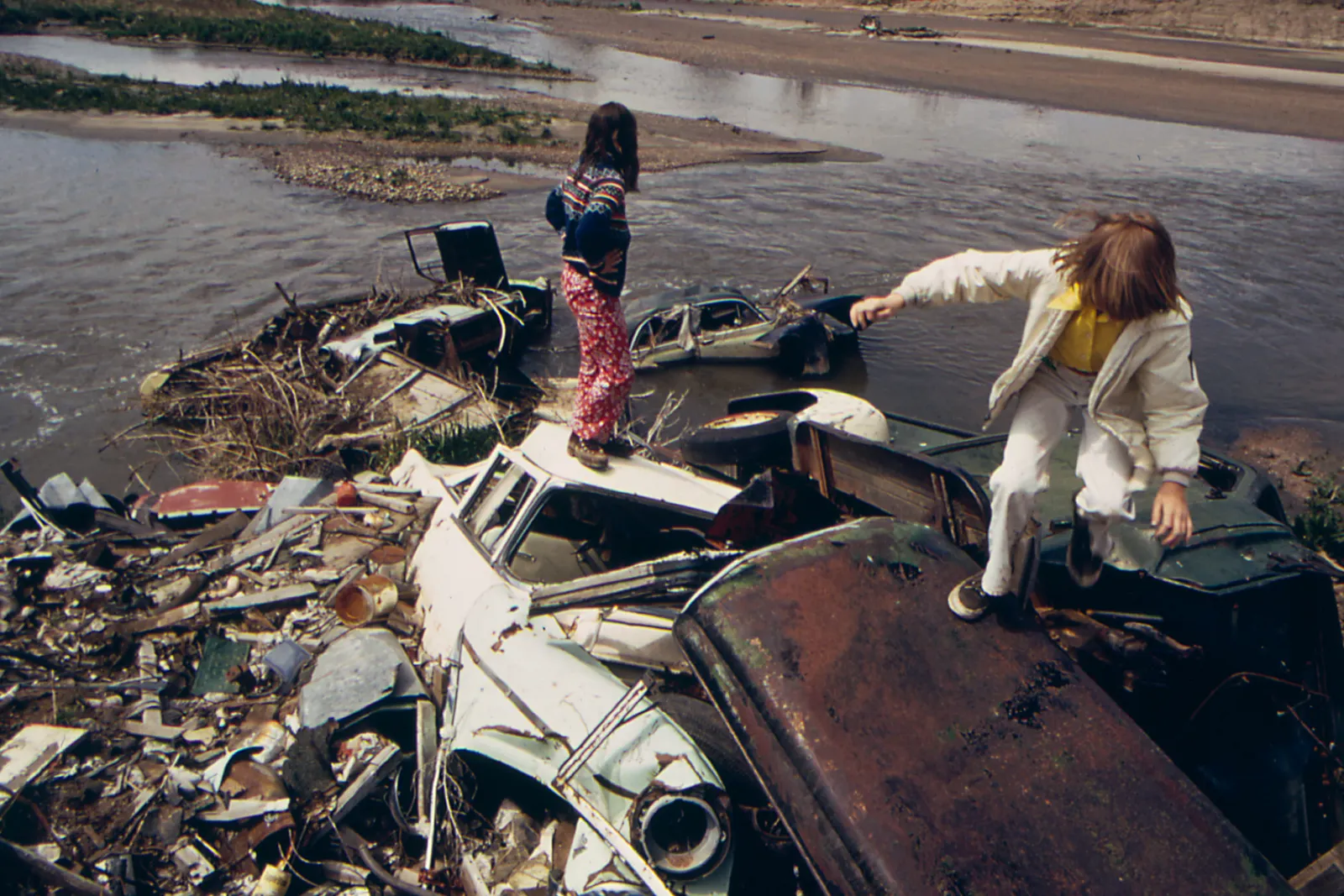
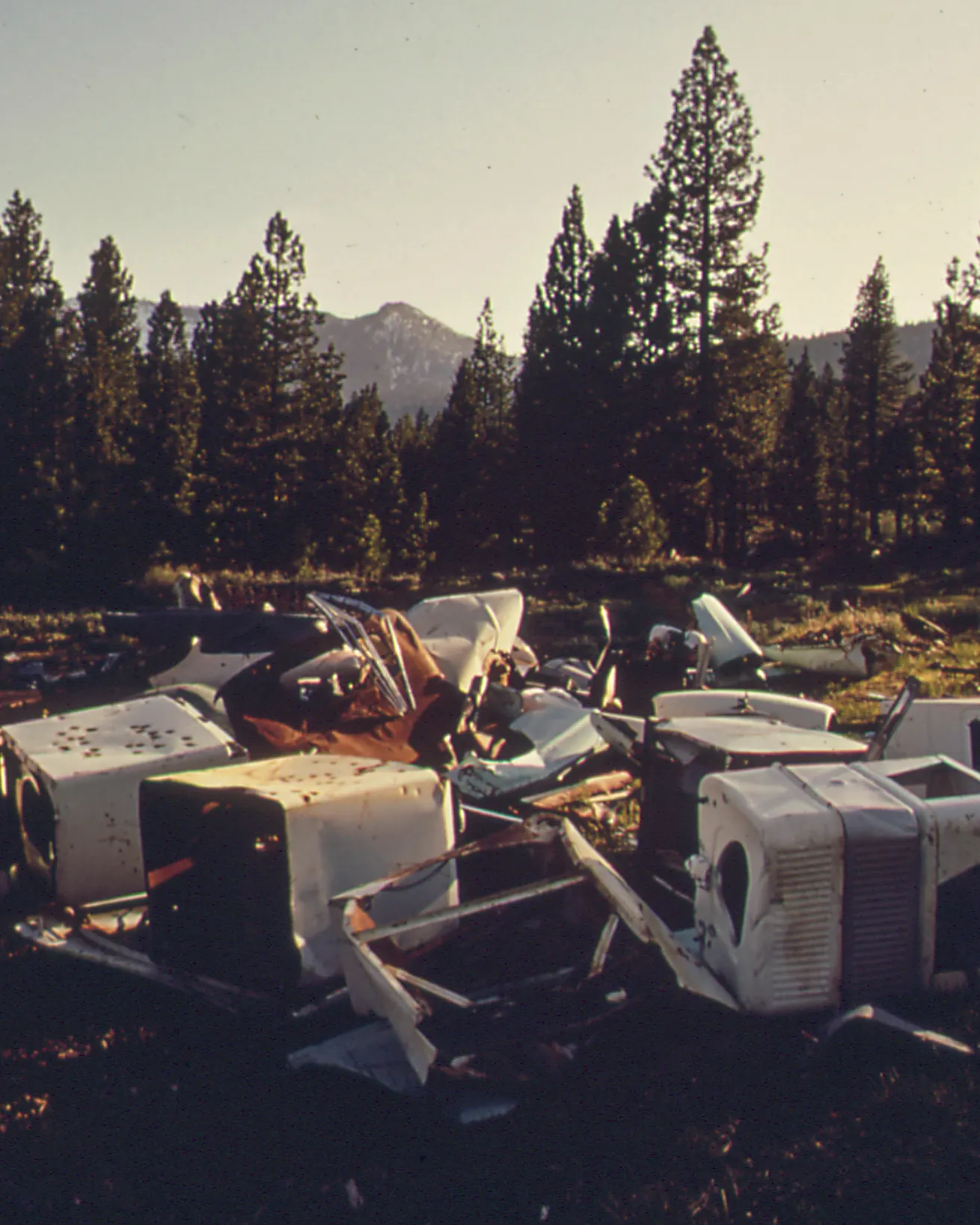
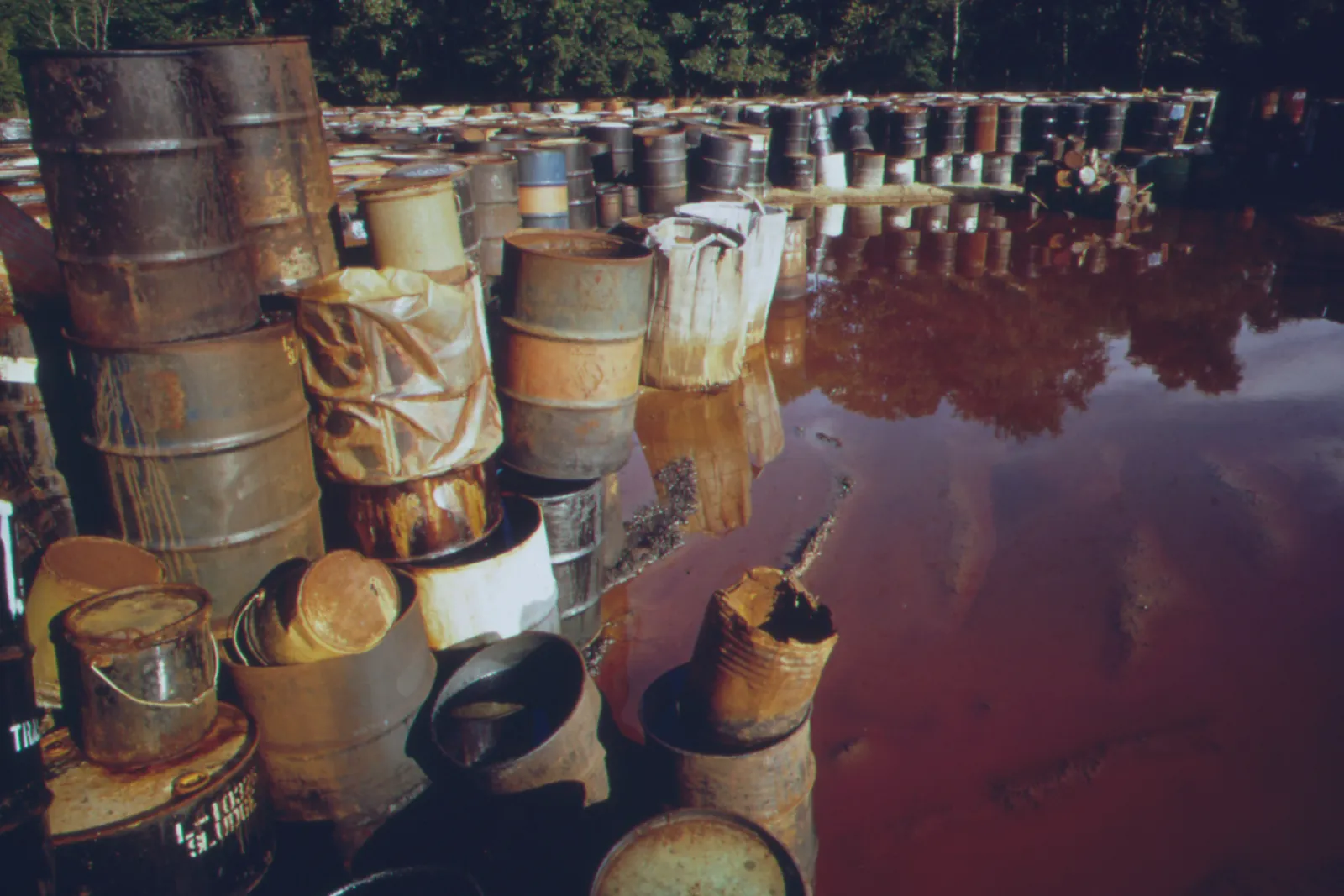
Before federal regulation, the disposal of waste was frequently ad hoc as it steadily grew amid the postwar economic boom. Dumping waste in open fields, or burning it in backyard barrels or incinerators at large residential buildings was common.
Chaz Miller, who has worked both for the U.S. EPA and the private sector, recalls a summer job on a dude ranch prior to RCRA where he would collect waste in barrels, bring it to the edge of a ravine, dump it and set it on fire.
“There are better things to do than throwing gasoline on garbage and watching it burn and fall off a cliff,” Miller said. “It's not the best way to handle waste, and you had to have regulations.”
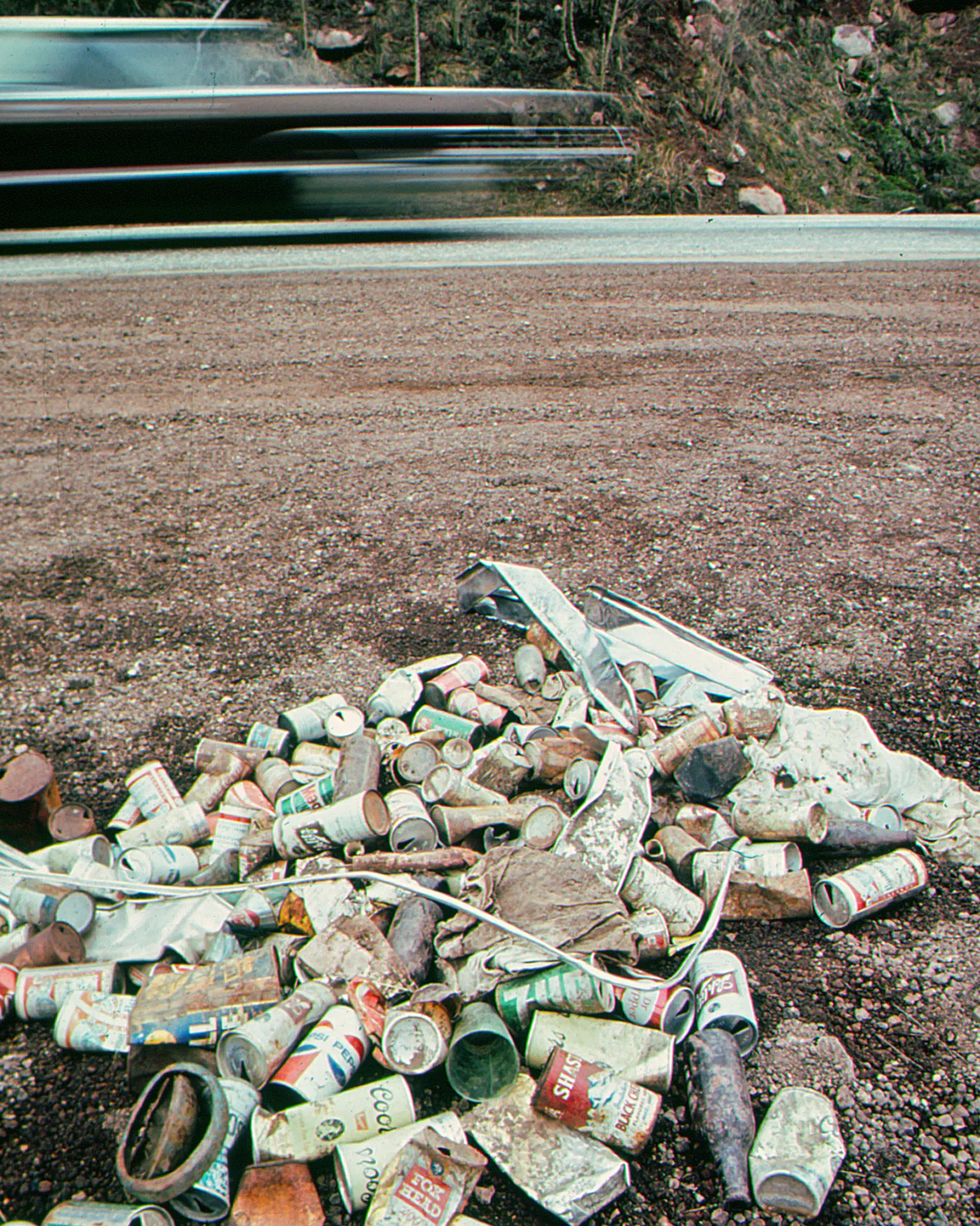
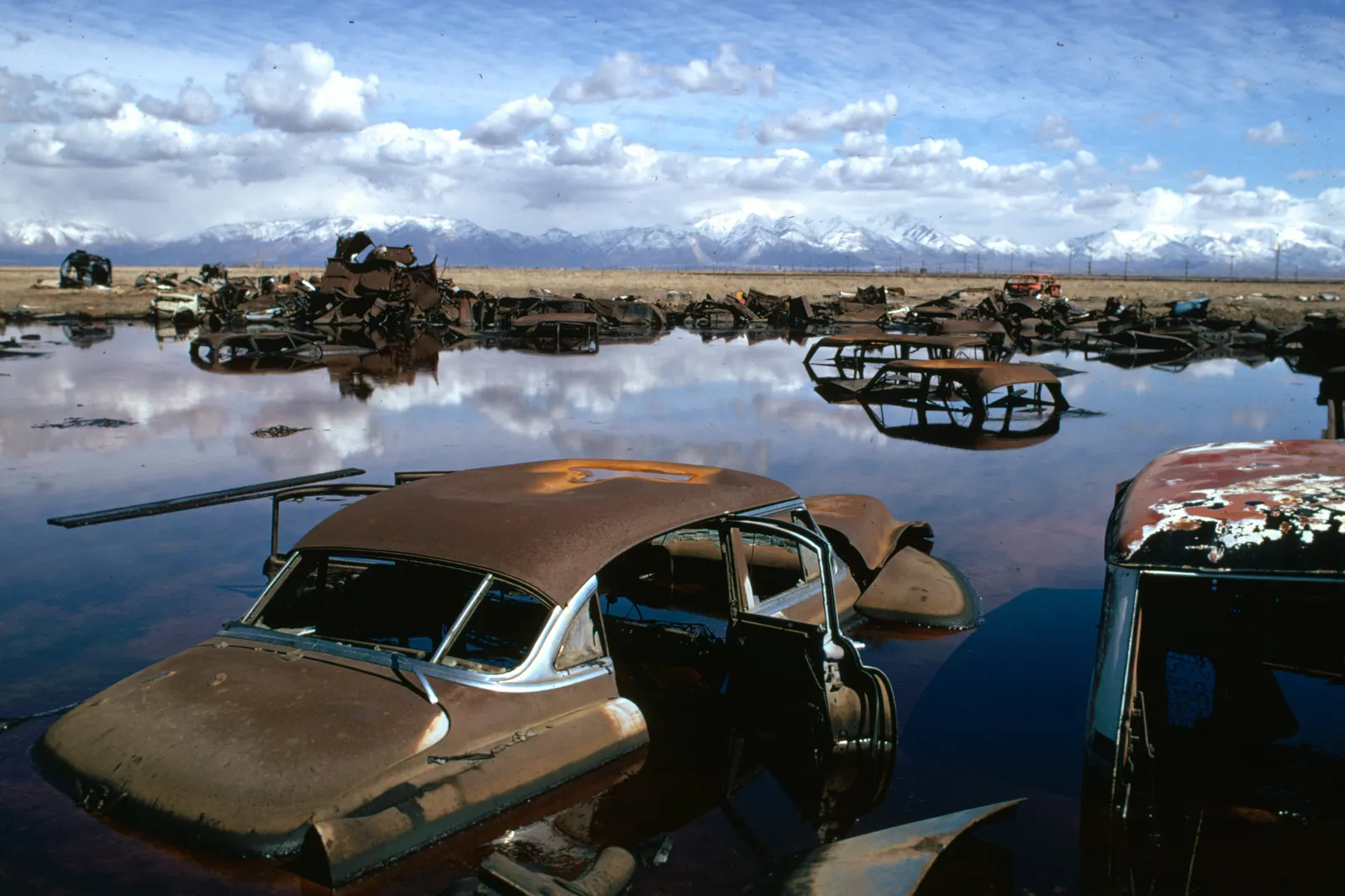
In 1965, President Lyndon Johnson gave a speech to Congress decrying how “wastes — from discarded cans to discarded automobiles — litter our country, harbor vermin, and menace our health” and calling for new solutions. He signed the Solid Waste Disposal Act later that year.
The SWDA funded research into modern waste technologies and supported state efforts to address the issue. At the time, according to the book “War on Waste,” just two states had solid waste management plans, and only a dozen reported operating any specific solid waste activities.
The law also encouraged an end to open dumping of waste, and ordered federal officials to provide guidelines for "sanitary landfills." Distinct from open dumps, “sanitary landfills” were envisioned as sites which would maintain minimum engineering standards to prevent litter, pests and surface water contamination.
At the time, it was estimated that open dumps accounted for 94% of land disposal sites and handled an estimated 90% of the nation’s waste.
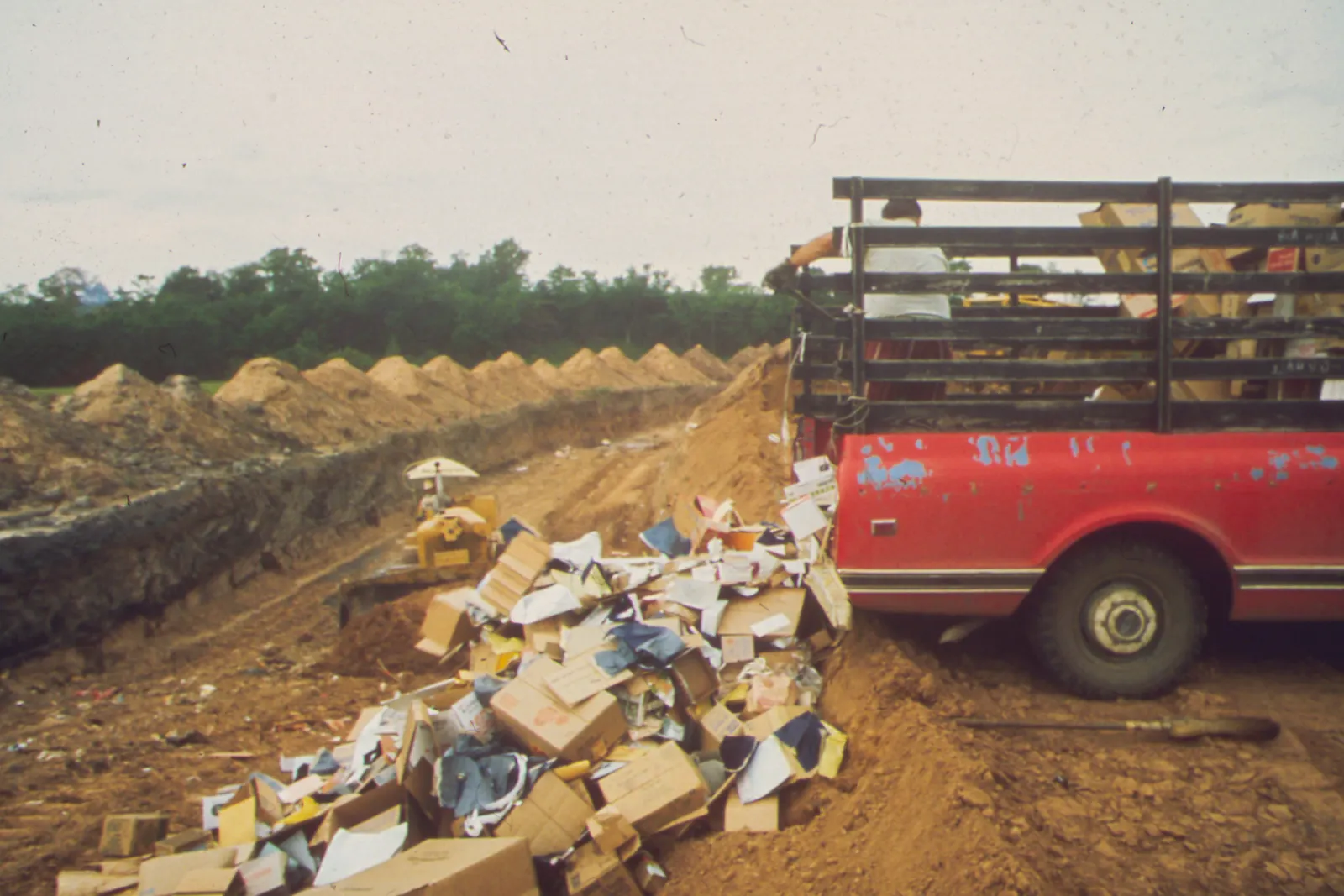
Cities were also increasingly running out of space to dispose of their waste. An early guide to landfill design released by the EPA estimated that 250 million tons of residential, commercial and institutional solid wastes were generated in 1969, but only 190 miIlion tons were collected.
“Much of the remainder found its way to scattered heaps across the countryside, was left to accumulate in backyards and vacant lots, or was strewn along our roadways,” wrote Dirk Brunner and Daniel Keller in the 1971 guide. “There has been far too little effort made to locate and reserve suitable areas for land disposal operations in anticipation of community growth.”
In 1970, President Richard Nixon signed the Resource Recovery Act, which further funded technological solutions for waste and recycling but didn’t notably change disposal practices.
The lack of clear results from prior legislation, and continued concerns about hazardous waste, paved the way for RCRA’s passage in 1976.
RCRA was signed after the enactment of the Clean Air Act and Clean Water Act, and was seen as a complement to the twin federal environmental programs. Rather than focus on pollution at the end of industrial processes, RCRA was explicitly designed to reduce the creation of hazardous waste and avoid its release into the environment.
It also provided a key pillar to managing material regulated under other federal laws, such as the Toxic Substances Control Act of 1976.
RCRA was also an inflection point for the likes of Waste Management, now WM, and Browning-Ferris Industries, now part of Republic Services, which had both recently grown into publicly traded giants.
Historical accounts of both companies show they positioned themselves to benefit from RCRA’s enactment. WM staffed up its landfill division in anticipation of the law, and engineers were ready to fly all over the country assessing both existing sites and potential acquisition targets.
That year, during a company retreat in Florida and an investor presentation in New York, Senior Vice President Hal Gershowitz pitched stakeholders on how this “landmark change” would benefit more well-resourced operators.
[Gershowitz] spoke of how RCRA followed logically from the country’s growing anxiety over pollution in all its forms, and of how the companies that positioned themselves to manage new streams of waste (or, more accurately, streams of waste newly perceived to be a threat) would stand to prosper mightily.

Timothy Jacobson
Waste Management: An American Corporate Success Story, 1993
The EPA’s long road to RCRA regulations: 1976-1988
While RCRA’s passage would prove momentous, it took years for regulations to fully affect waste and recycling operations through Subtitle C hazardous waste and Subtitle D solid waste standards.
EPA’s implementation was slow and fragmented, partially due to the relative newness of both the agency itself and its Office of Solid Waste. Ambiguity in Congress’ intent with the law and shifting political pressures also presented challenges.
Congress had enacted the RCRA as a broad, unwieldy monster of a law ... [EPA] was instructed to establish an exceedingly ambitious program with little guidance about how that was to be done.
Martin Melosi
Garbage in the Cities, 2005
From the jump, the federal government expected the states to play a large role in adopting more highly evolved solid waste management plans to carry out RCRA’s goals. A 1977 meeting between EPA staff and local officials at a Holiday Inn in San Francisco made that clear.
Lanny Hickman, a director in the Office of Solid Waste, insisted that "rational minds must prevail" at the local level to determine where municipalities would send their waste. The federal government, in his view, shouldn't be in the business of making those decisions.
"I guarantee that some dude coming out of Washington on a white horse doesn't have any better chance of solving it than you guys do at the local level," said Hickman, who later led the Solid Waste Association of North America.
The agency proposed its first operating standards for MSW landfills in 1979, under President Carter, and began enacting hazardous waste generator regulations in 1980.
A 1979 lawsuit filed by the state of Illinois and groups like the Environmental Defense Fund compelled the EPA to speed up development of further regulations. In response, the agency began to roll out regulations for multiple categories, including treatment, storage and disposal facilities, and issued its first RCRA permit in early 1981.
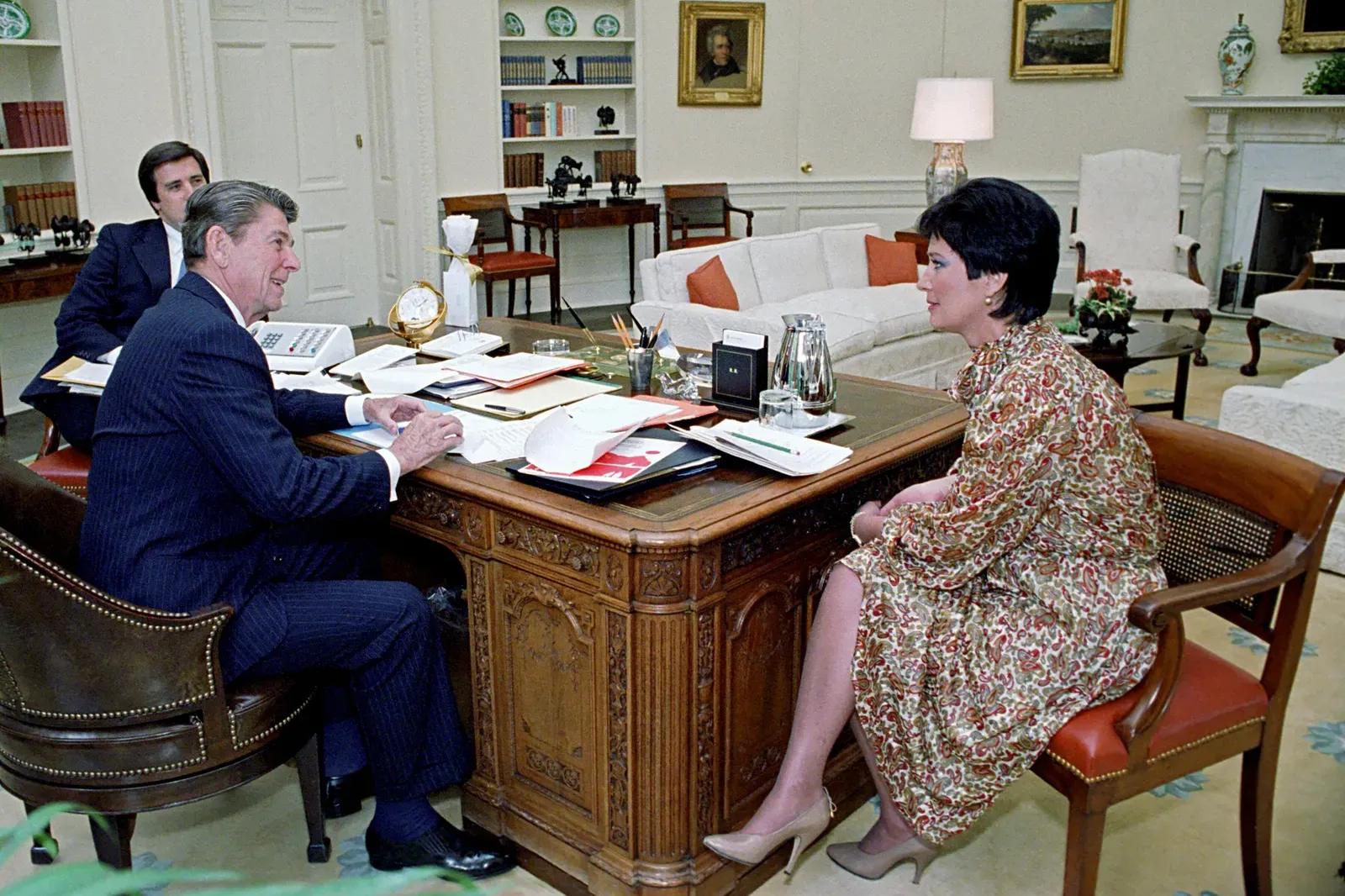
Those developments coincided with the arrival of the Reagan administration, which brought dramatic changes to the EPA.
In one small example, Miller, who worked in the agency's Resource Recovery Division, recalled receiving directions to stop answering questions from members of Congress about recycling for the first two years of the administration. Broader shifts were also happening.
In 1981, a Government Accountability Office report found the agency had been slow to implement RCRA. It said an open dump inventory from that year was significantly incomplete and raised concerns about state funding. While $47.8 million had been awarded to states to help with implementation, with the expectation that disbursement would continue through 1984, the administration proposed cutting all state funding.
Reagan’s budget cuts also affected research into modern landfill design. Jim Walsh, who is currently chairman of the board of SCS Engineers, recalls that almost all of the company’s business at the time came from the EPA. When the administration slashed EPA’s budget, SCS was forced to cut its staff in half.
“All the R&D and training and education programs got totally wiped out,” Walsh said.
While Administrator Anne Gorsuch was said to view hazardous waste as a priority, the EPA frequently tangled in court with environmental advocacy groups over efforts to change or water down RCRA regulations. Pressure was also coming from a regulatory reform task force led by Vice President George H.W. Bush.
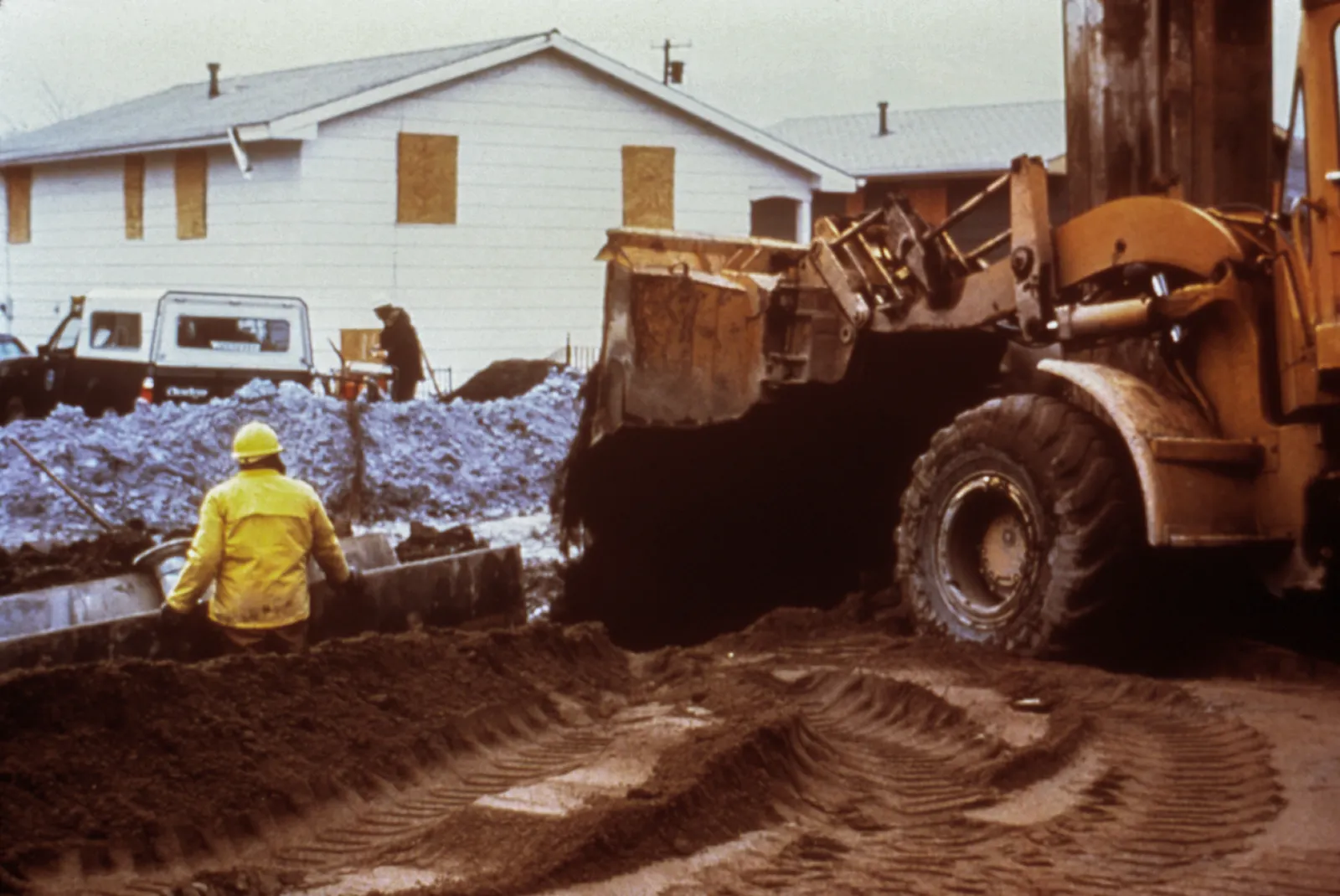
Meanwhile, the potential dangers of hazardous waste sites and the difficulties of managing the material had already was capturing public attention.
An incident in Love Canal, New York, drew numerous headlines in 1978. It involved a community built on top of a former chemical waste dump that experienced significant health effects from leaching chemicals, culminating in the relocation of hundreds of families. That also led to the passage of a new law, the Comprehensive Environmental Response, Compensation, and Liability Act, commonly known as Superfund, in 1980.
Industry facilities also drew new attention from the media and federal government, including locations owned by WM subsidiary Chemical Waste Management.
Congressional leaders, especially House Energy and Commerce Committee John Dingell, a Democrat from Michigan, decided additional regulation was necessary. The Hazardous and Solid Waste Amendments of 1984, which Reagan signed days after he won reelection, directed EPA to establish a host of new requirements for smaller hazardous waste generators and managers, increased criminal penalties, set new standards for MSW landfills and more.
Rising landfill costs fuel privatization: 1988-1994
With the guidelines for hazardous waste and the corresponding Superfund program in effect, the focus turned toward enforcement. William Reilly, who served as EPA administrator under President George H.W. Bush, said in an oral history that lawyers began to advise clients responsible for a Superfund site to settle rather than litigate.
"I believe we made considerable progress in cleaning up hazardous waste dumps, and perhaps more important, in laying out the considerations that should underlie the reauthorization of hazardous waste laws," Reilly said.
EPA’s focused increasingly turned to Subtitle D regulations that would guide the creation, management and closure of MSW landfills. The looming requirements started to spur many early closures, as these more modern landfills would prove expensive to operate.
“Prior to RCRA, solid waste problems were defined largely by the growing recognition of environmental and public health concerns; after RCRA, these became, particularly for municipalities, management problems, with a significant economic dimension,” wrote Louis Blumberg and Robert Gottlieb in 1989’s “War on Waste.”
While many of the guidelines put out by EPA had so far been voluntary, pressure was building from environmental justice groups and state regulations. Many operators of small landfills could see the writing on the wall and began to close as Subtitle D deadlines loomed, Melosi said in an interview.
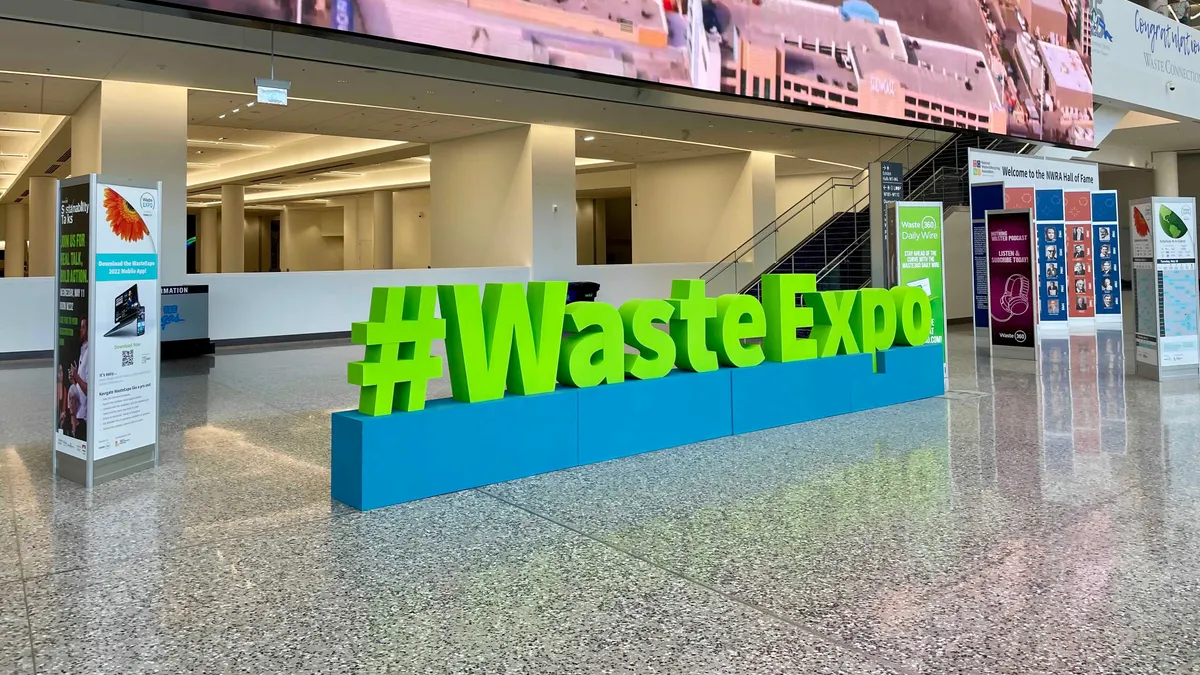
A 1986 BioCycle article, covering an EPA presentation at WasteExpo, shows a stark picture. The number of MSW landfills had shrunk to 9,300, down from 18,500 in 1979, in anticipation of forthcoming requirements.
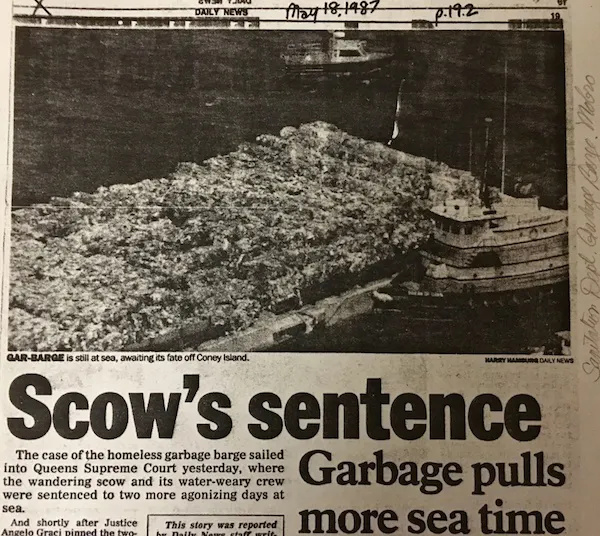
At the same time, high-profile incidents fueled concerns about declining capacity. The infamous 1987 Mobro garbage incident — in which a barge carrying New York City waste was turned away at ports first in the United States — and then in multiple other countries, drew headlines for months.
In 1988, EPA proposed updated Subtitle D requirements. For the first time, it would require a variety of new restrictions on siting, cover material, emissions monitoring, liner and leachate collection systems, groundwater monitoring and post-closure responsibilities.
At the time, Solid Waste Administrator J. Winston Porter said “very few” landfills would meet the proposed standards and “almost all landfills will need to do something” soon, per BioCycle. It was estimated that just 15% of remaining sites had liners and 5% had leachate collection systems.
In 1991, 15 years after RCRA’s signing, the agency finalized its minimum standards for MSW landfills.
Landfills that closed prior to the rule’s enactment were able to avoid much of its operating requirements. While the rules were initially scheduled to take effect two years after their release, various court cases and administrative decisions led to rolling applicability dates through 1998.
Local governments faced the difficult decision to either incur significant costs and modernize their dumps, or close sites and route their waste elsewhere. Some did both.
As the industry adapted to the full weight of Subtitle D, it increasingly became clear that private companies were well-positioned to adapt. They had access to capital that cash-strapped local governments did not, and they were able to leverage that to develop large, new and federally compliant facilities.
Facilities that closed were often small, substandard, and publicly owned. Far fewer, but much larger, facilities are opening. The reduction in landfills does not appear to be creating nationwide capacity problems.
Robert Steuteville
BioCycle, April 1995
Public entities that opted to continue running their own landfills sometimes struggled to obtain adequate volume after raising their tip fees. To solve this, some began implementing flow control, which forced haulers to keep waste within local borders.
That tactic was quickly challenged by the waste industry, and largely quashed. The full enactment of Subtitle D regulations coincided with the Supreme Court’s 1994 Carbone decision finding that flow control regulations violated the Interstate Commerce Clause. This further opened the doors for waste to move across state lines, often from more densely populated urban areas to larger sites in other states. In many places, transfer stations cropped up to facilitate that.

The cost of disposal at this time rose rapidly. In the decade prior to Subtitle D, average MSW tip fees at landfills had hovered around $21. But over the next five years, they rose nearly 50%, reaching $33.40 by 1996, according to data from Waste Business Journal.
That increase was fueled in large part by operators' sudden need to finance improvements, and corresponded with the closure of roughly 40% of landfills nationwide over the same period.
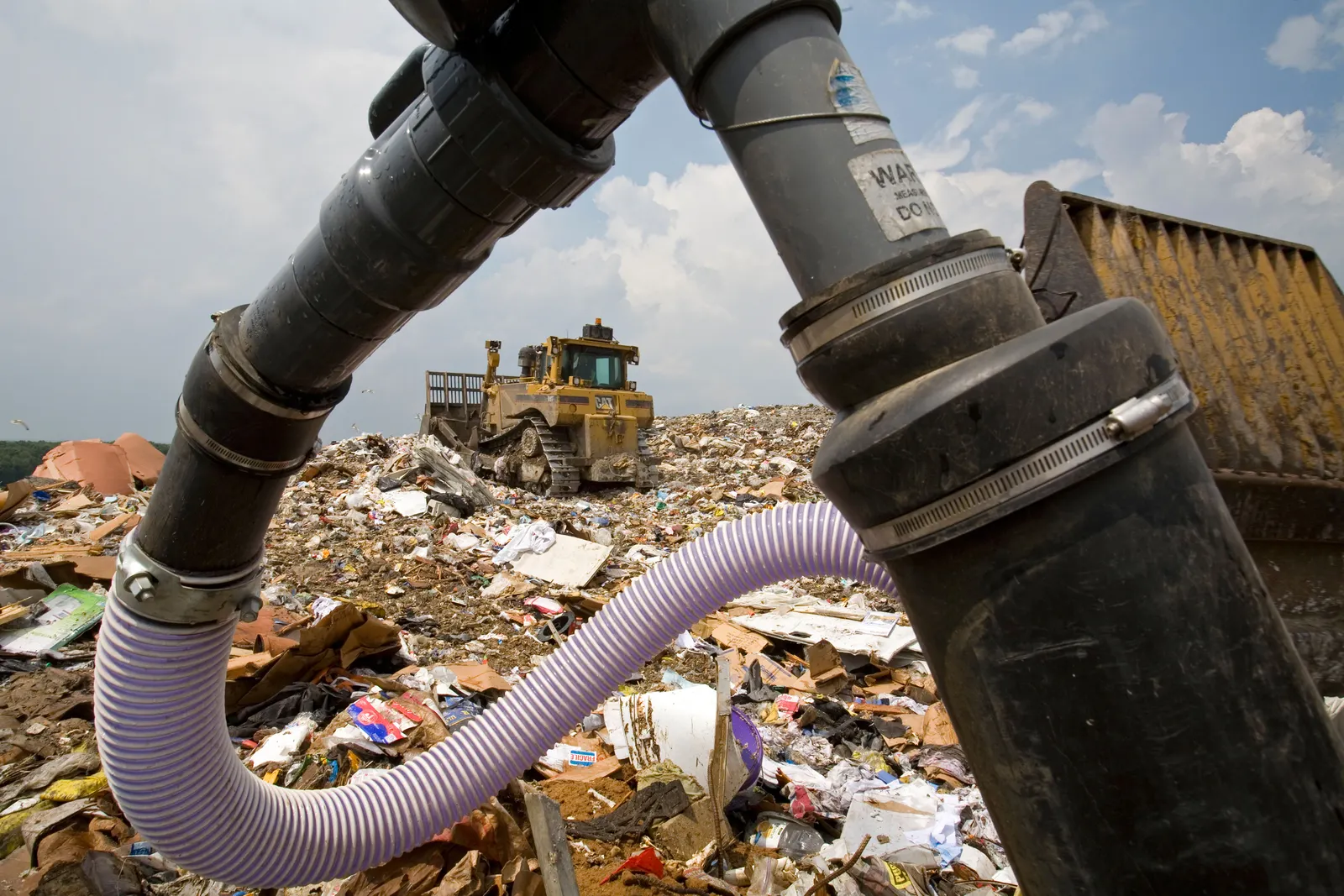
Anne Germain, who worked with local governments during this time, saw the changes to local facilities firsthand in St. Mary’s County, Maryland. The county closed six of its seven dump sites after Subtitle D’s finalization, and upgraded its remaining dump site into a sanitary landfill. But it faced steep costs for the upgrades and the closures.
In just a few years, the county raised its landfill tip fee from zero dollars to $18, and then to $40.
“A lot of these [requirements] added a significant cost which weren't anticipated by many of these small towns,” said Germain, who now serves as the National Waste & Recycling Association’s chief of technical and regulatory affairs.
Germain recalls many local officials were incredulous of the myriad new requirements, including the directive to install a plastic liner on “acres and acres” of land.
“It just seemed ludicrous,” she said. “But on the other side, well, yeah, of course you have to. These are things you have to do in order to protect the environment and safeguard everybody's welfare.”
The lasting impacts of RCRA
During its development, some attributed RCRA’s popularity to an unlikely alliance of environmental interests and private industry, both of which wanted to maximize regulations to protect public health or raise the barrier of entry. Today, even when federal environmental laws are in the crosshairs, RCRA has endured.
David Biderman, a former CEO of SWANA, said some interest groups have largely shied away from challenging RCRA’s most fundamental attributes. He said the law and its subsequent amendments “have completely changed the way” that waste is managed.
“Those laws, the regulations that followed, and the enforcement activities that followed in the wake of the passage of those laws have certainly resulted in a better management of waste in the United States,” he added.
Local governments’ struggle with disposal came as the waste industry expanded significantly, including a notable push to privatize municipal operations that ramped up in the Reagan era. New public companies formed, and consolidation continued among major Wall Street-backed companies into the 2000s and beyond.
The potential waste bonanza, eagerly anticipated by private entrepreneurs, was something of an embarrassment to the municipalities. Civic administrators did not feel they possessed the mandate to balance the enormous cash outlays needed with the considerable revenues that would flow from proper large-scale disposal services.
Harold Crooks
Giants of Garbage, 1993
Over time, the balance of volumes handled and revenue generated by landfills tipped in favor of the privately operated sites that could afford to charge lower tip fees.
Longtime observers of the waste industry say consolidation was a likely natural consequence of RCRA as costs for landfills began to rise.
"I think Subtitle D made it very hard for small communities to have their own landfill,” Miller said.
In the years since the finalization of Subtitle D guidelines, Congress and federal regulators have continued to tweak RCRA’s requirements, but its core focus hasn’t changed.
Barnes Johnson, who held various EPA roles covering waste from 1983 through 2020, said the modern history of the RCRA program is regularly defined by the issue du jour, including tires, agricultural waste and, most recently, per- and polyfluoroalkyl substances.
“RCRA would fly below the radar oftentimes in terms of the relative amount of attention paid versus say the Superfund program or the Clean Air Act program or the Clean Water Act program,” Johnson said. “I think it was fine the way it worked.”
Many of the more recent changes to federal waste regulations have come either through parallel programs, like landfill gas rules launched under the Clean Air Act, or via the designation of new kinds of waste.
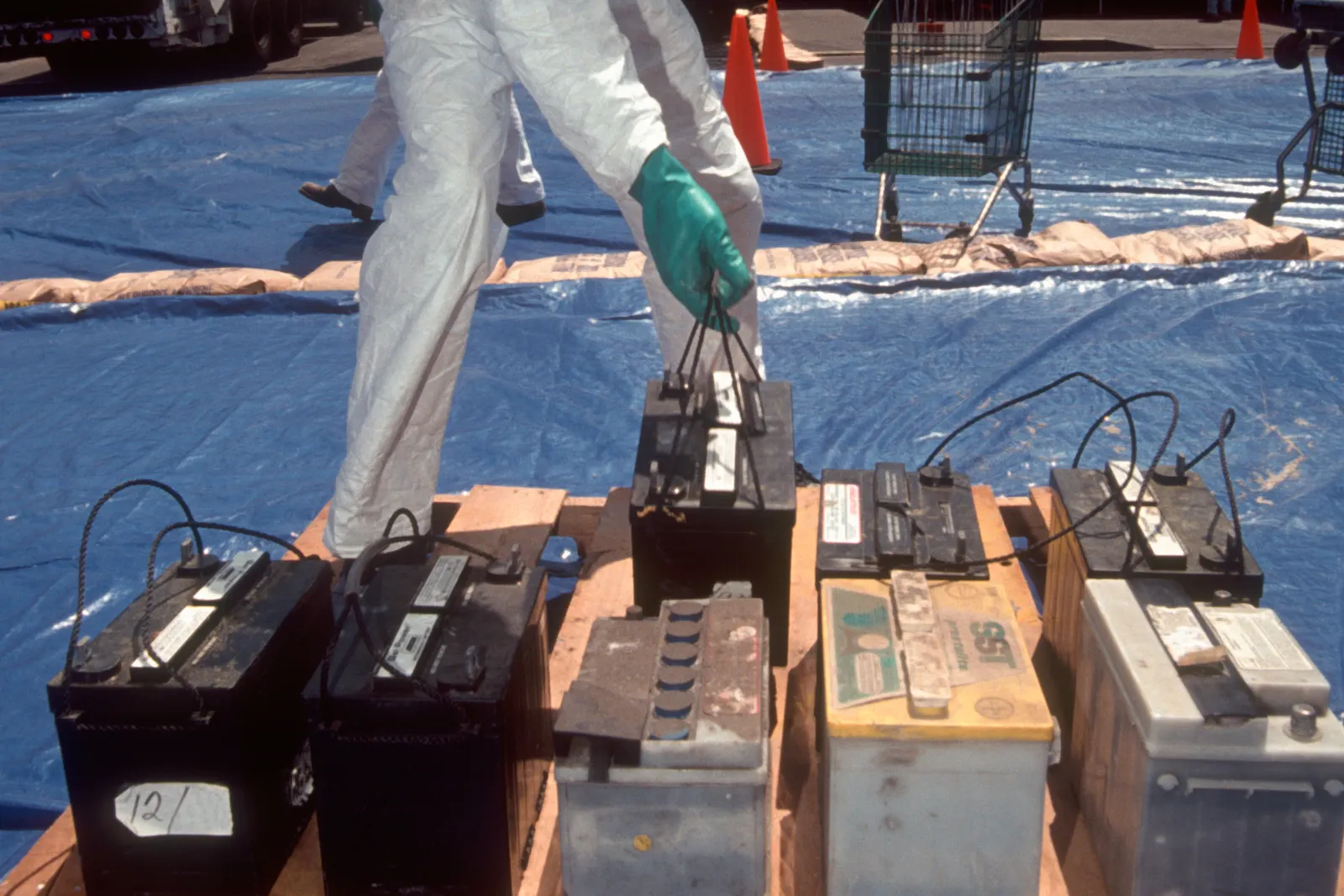
RCRA’s universal waste rules, finalized in 1995, set the framework for disposal of many kinds of hazardous waste that had caused problems in the MSW stream. The EPA also included a pathway for future materials or products to be incorporated.
In 2012, the agency was also directed by Congress to establish an electronic manifest system for tracking hazardous waste. But more than a decade later, less than 1% of hazardous waste shipments have gone purely digital.
There were many discussions about a RCRA reauthorization bill in the early ‘90s that could have put more emphasis on recycling, or environmental justice, but this didn’t come to fruition.
Robert Bullard, a distinguished professor at Texas Southern University, described this as a missed opportunity. Despite environmental justice pushes during multiple presidential administrations, he hasn’t seen notable changes in landfill siting as a result.
“[RCRA] may have strengthened the regulations, the engineering standards and the protections of the physical environment … but it had not stopped the disproportionate siting and targeting of Black neighborhoods for these facilities,” said Bullard. “It's not enough just to have an engineering solution to waste. We also have to have an ethical and value and justice orientation.”
There are also still some questions left by RCRA, including what to do with the thousands of sites that closed due to its implementation.
Investigations of sites in states like North Carolina and California have revealed closed dumps still have the potential to be dangerous, especially those that skirted closure requirements implemented through Subtitle D.
The U.S. EPA, which was not available for comment, has also indicated that RCRA regulations may continue to evolve.
To mark the law’s anniversary, the agency announced a “Common Sense RCRA Reform” initiative. It touted recent updates to requirements for electronic manifests, underground storage tanks and mercury handling, with “more than 25 additional actions” underway.
This is the first in a series of stories about the 50th anniversary of RCRA. We're offering the Waste Dive community a behind-the-scenes look at how our RCRA coverage has come together and an opportunity for a live Q&A with the team. Register here for the exclusive event on Nov. 19.