Dive Brief:
- Nova Scotia has rolled out its new extended producer responsibility program for packaging and paper as of Dec. 1. The province-wide program, run by producer responsibility organization Circular Materials, aims to modernize Nova Scotia’s recycling system.
- Nova Scotia will keep its dual-stream blue bag collection program, but now has a province-wide uniform material list to standardize what’s collected at the curb. Residents can now recycle an expanded list of items, including toothpaste tubes and hot and cold drink cups.
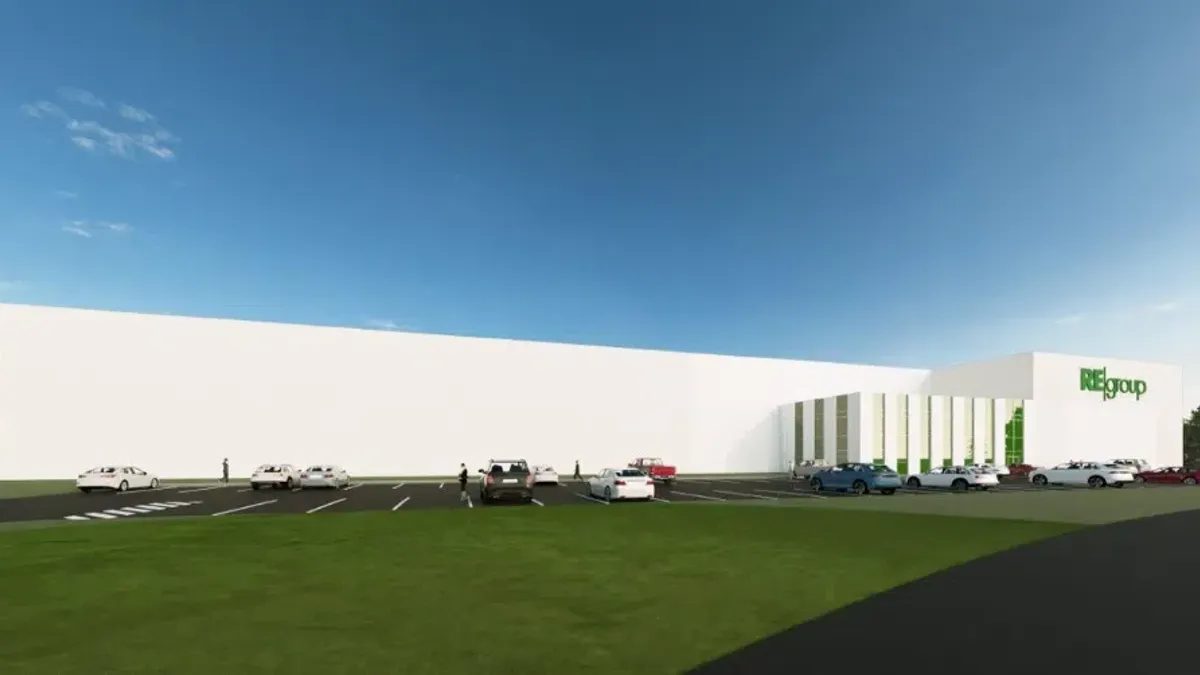
- As part of the new EPR program rollout, REgroup will design, build and operate a MRF meant to process more material from the newly enacted EPR program. The MRF will be funded by producers and is expected to open in early 2027.
Dive Insight:
The rollout comes as several Canadian provinces and territories adopt or update their EPR for packaging programs in an effort to improve recovery rates and expand recycling access for more people.
Nova Scotia’s transition to packaging EPR comes just a month after a similar packaging EPR transition in the Yukon. Ontario is also in the process of updating its Blue Box stewardship program and will transition its EPR program to a full producer responsibility model by Jan. 1. Circular Materials also operates those programs.
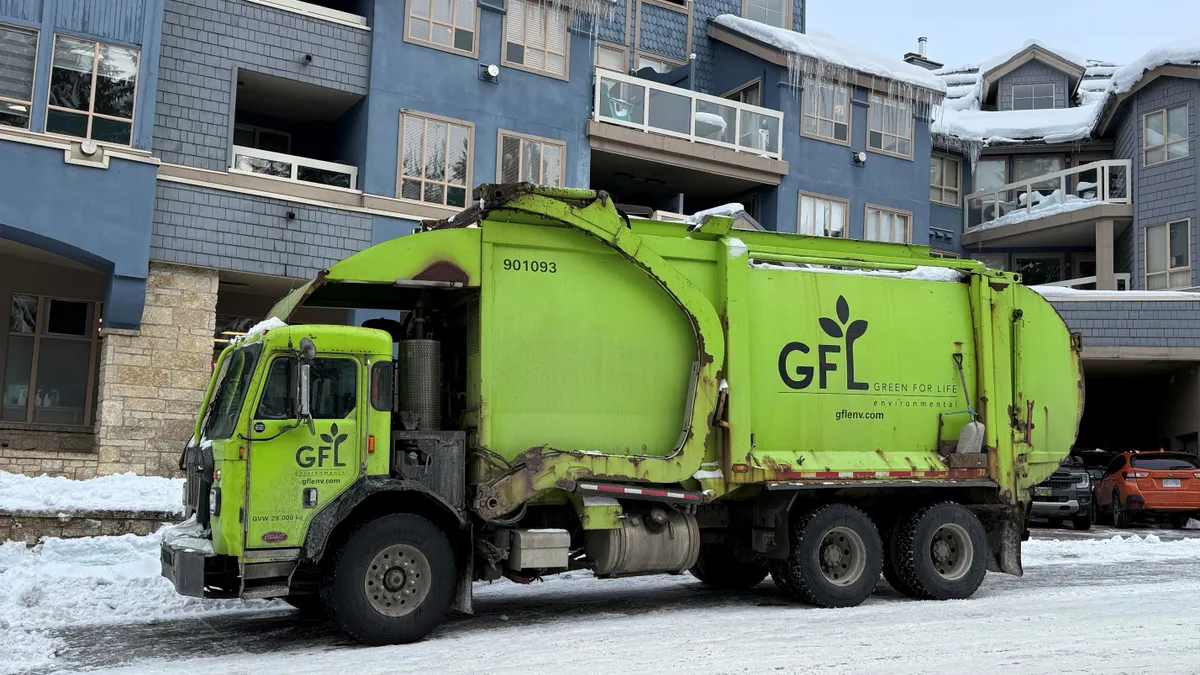
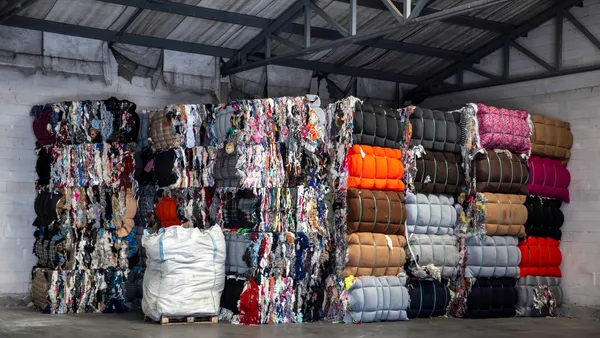
The EPR rollouts have also been a source of business for major waste companies such as GFL Environmental and WM, which have secured collection and MRF-related contracts in provinces such as Ontario. The latest EPR changes in Canada are also bringing more kinds of materials into recycling streams, such as lotion and deodorant tubes, pet food bags and other items.
In Nova Scotia, Circular Materials is now responsible for the residential recycling program across the province. The program covers single-family homes, as well as more than 25,000 multifamily units, 125 schools and 33 campgrounds. Additional multi-family buildings, schools, and campgrounds will come online on May 1, Circular Materials said.
“The transition to EPR allows us to build a more consistent and modern recycling system — one that expands what residents can recycle, improves material recovery and keeps valuable materials circulating in the economy,” said Allen Langdon, CEO of Circular Materials, in a statement.
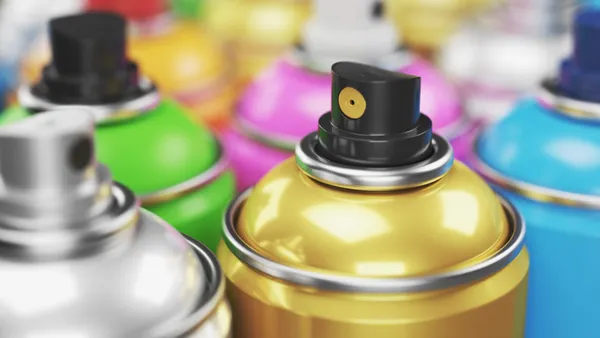
Residents will also be able to drop off certain items not accepted curbside at one of about 40 Enviro-Depots run by the Eastern Recyclers Association. Those depots will collect foam packaging such as meat trays, flexible plastics and aerosol containers.
As part of the broader system modernization plan, the province expects to process the increased volume of recyclable materials at REgroup’s new MRF when it opens in 2027. The company, which provides waste collection, recycling and disposal services in the Halifax region, plans to install numerous optical sorters and advanced imaging systems to process recyclables from both Nova Scotia and neighboring New Brunswick.
The transition involves ongoing stakeholder engagement for a “unified approach” at rolling out the program, said Andrew Philopoulos, Circular Materials’ managing director for the Atlantic Canada region. That means staying in close contact with the 37 participating communities and seven First Nations communities involved in the program, including the Confederacy of Mainland Mi’kmaq and the Union of Nova Scotia Mi’kmaq, he said.
Circular Materials says it will work closely with Divert NS, the non-for-profit that will be responsible for EPR program oversight. Divert NS has been managing recycling programs in Nova Scotia since 1996, including its beverage container deposit return system and its tire recycling programs.
This story first appeared in the Waste Dive: Recycling newsletter. Sign up for the weekly emails here.