When it starts on Jan. 1, Ontario’s updated EPR for packaging program will come with new business opportunities for MRF operators and haulers.
The province has long been planning the official transition of the management of this extended producer responsibility program, also known as the Blue Box program. The change will make packaging producers fully responsible for collecting and recycling materials, as opposed to the previous model where municipalities split costs and responsibilities with the producers.
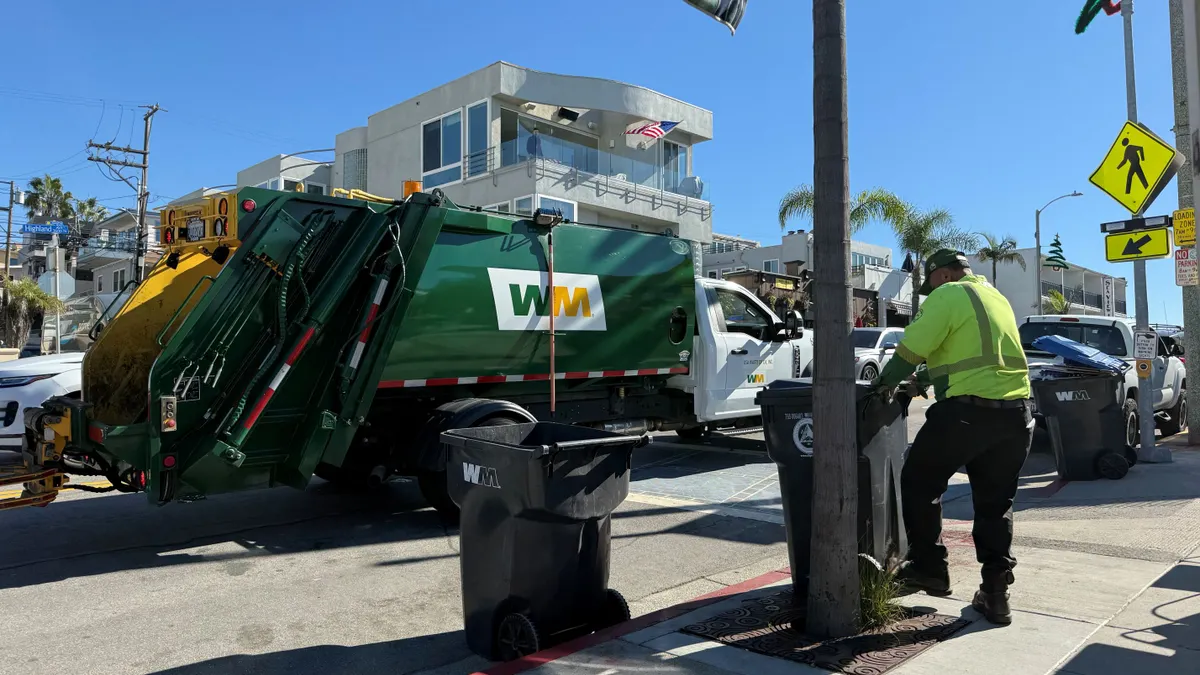
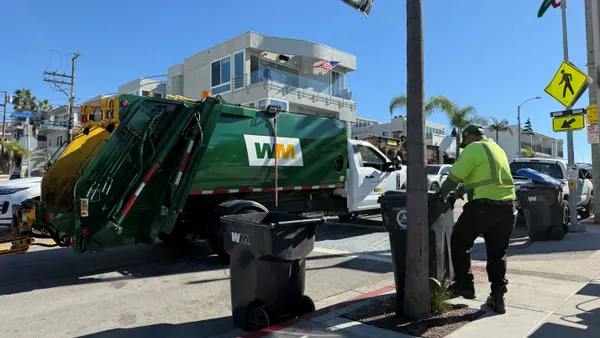
Several changes are expected to give waste businesses a boost. Municipalities will no longer manage their own recycling collection, meaning companies like GFL Environmental, Miller Waste Systems, Emterra and WM of Canada have taken on those new collection contracts throughout the province in their stead.
Some small businesses that received municipal recycling services will no longer have that service in January. Instead, they will be required to secure private recycling collection in 2026, a move that represents another major business opportunity for waste operators.
MRF operators, including WM and GFL, are also expected to benefit from a significant increase in collection volumes as a result of the updated EPR program, according to Circular Materials, a Blue Box producer responsibility organization.
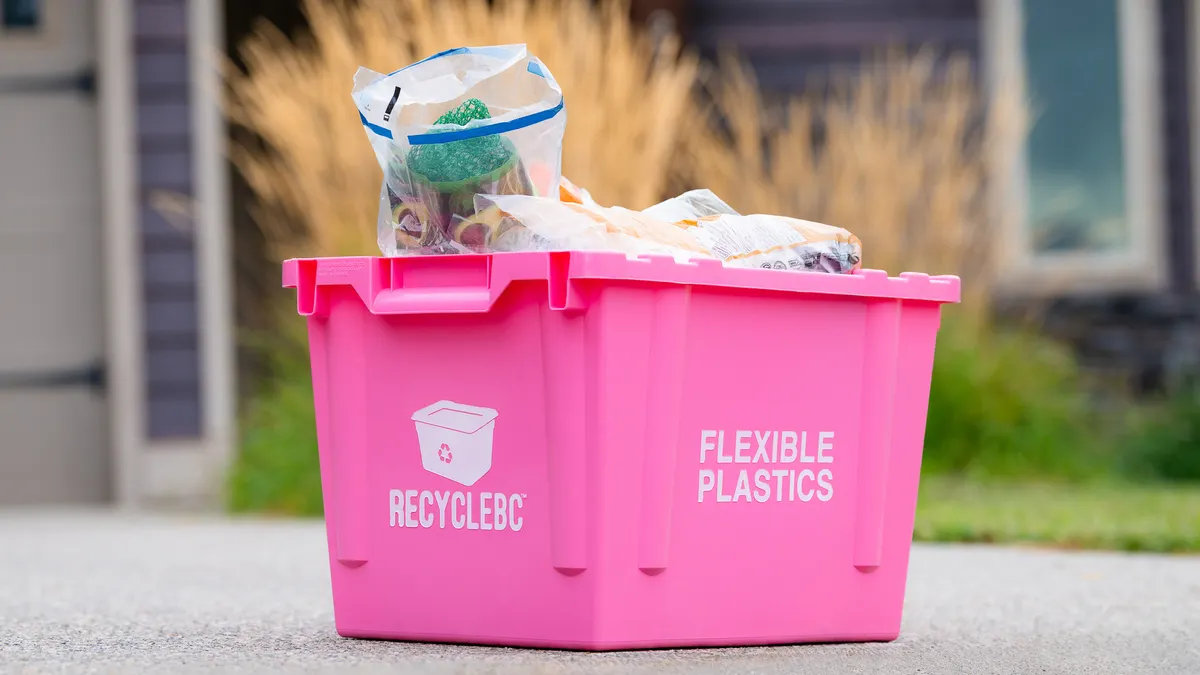
Circular Materials has touted the program changes as a move to improve collection rates. It has also expanded the list of materials not previously accepted in curbside programs to include items like paper cups, black plastic and toothpaste tubes. But the anticipated collection volume changes have also raised questions about whether there will be stable end markets for the new material.
The EPR transition process started in July 2023, with communities gradually onboarding to the new producer-run program over time. As of Jan. 1, 2026, 383 communities and 12 First Nations in Ontario will be fully transitioned.
The change “marks a major milestone and step forward for recycling in Ontario,” said Allen Langdon, CEO of Circular Materials, in a statement announcing the new program.
Waste companies and municipalities adjust to new collection contracts
Municipal contract changeovers have been a major feature of the Blue Box transition, with Circular Materials executing 948 collection contracts as part of this process, Langdon said in an email to Waste Dive. Some of these contracts are already in progress, while others will start on Jan. 1.
“Some of these changes present an enormous opportunity for some of these private contractors,” said Calvin Lakhan, director of York University’s circular innovation hub who studies the economic impact of recycling programs on the province.
Instead of collection being managed by hundreds of separate municipalities, “there’s only going to be a handful of players that operate in the space, and they can now more effectively manage materials,” Lakhan said. “There’s going to be a lot of logistical optimization, a lot of operational optimization.”
Many municipalities have been providing service in their communities for decades. While Circular Materials has said residents shouldn’t experience service interruptions, the new companies will need to get to know the specific needs of their new communities and address any growing pains, Lakhan said.
GFL will be among the major companies participating in the transition process. The company did not respond to inquiries about what its new collection footprint will look like in 2026, but during its Q3 earnings call in November, executives said new EPR contracts throughout Canada had contributed to its highest-ever margin for adjusted earnings before income, taxes, depreciation and amortization. GFL expects that benefit to level off in coming quarters.
Several municipalities that once handled their own recycling collection have announced GFL will take over services, including the Toronto suburbs of Georgina and Peel and the town of Kenora on the western edge of the province.
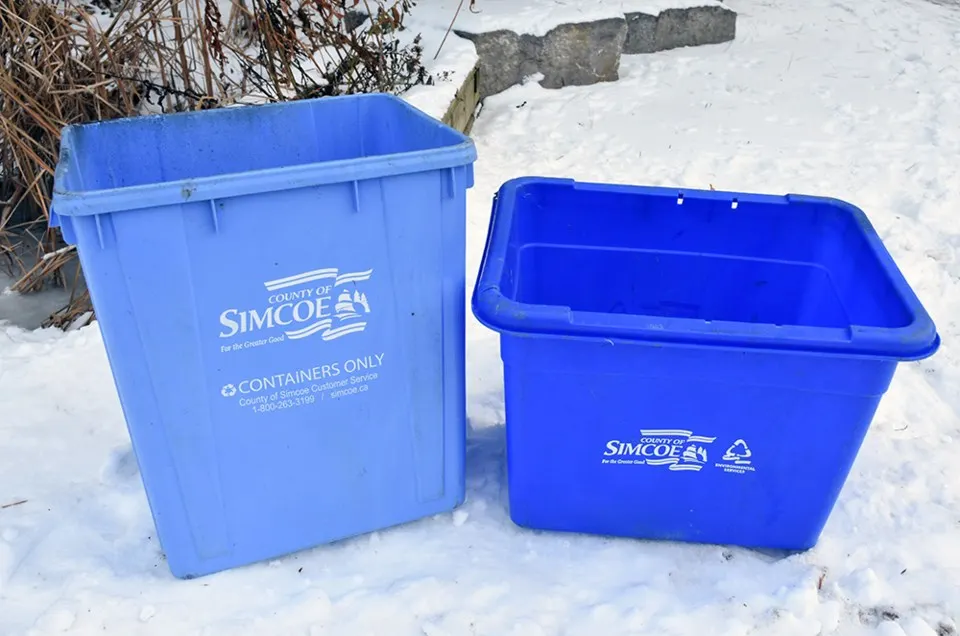
Other established waste companies will also pick up new contracts. Emterra will take over municipal recycling service in towns including Simcoe, and Miller Waste will pick up services in cities including Richmond Hill. Emterra and Miller Waste will each service parts of the Waterloo region, while Norfolk Disposal Services will take on collection in Haldimand County. WM of Canada started collection in Guleph in January 2025 as part of the rollout.
Many of these companies may pick up new commercial contracts as part of the Blue Box transition. Some small businesses that previously received recycling collection services from their municipality will now need to secure private waste and recycling collection services as of Jan. 1.
For many waste contractors, “it's a new market that opens up,” Lakhan said. But that change has dismayed some municipalities, which lobbied Ontario’s provincial government to allow businesses to be serviced under the same contracts.
It’s unclear how many businesses will need to comply with this new commercial collection aspect of the EPR program. The Greater Oshawa Chamber of Commerce, which represents a region east of Toronto, estimates about 3,000 businesses in that region alone would be affected.
MRFs are making major investments, but questions about end markets emerge
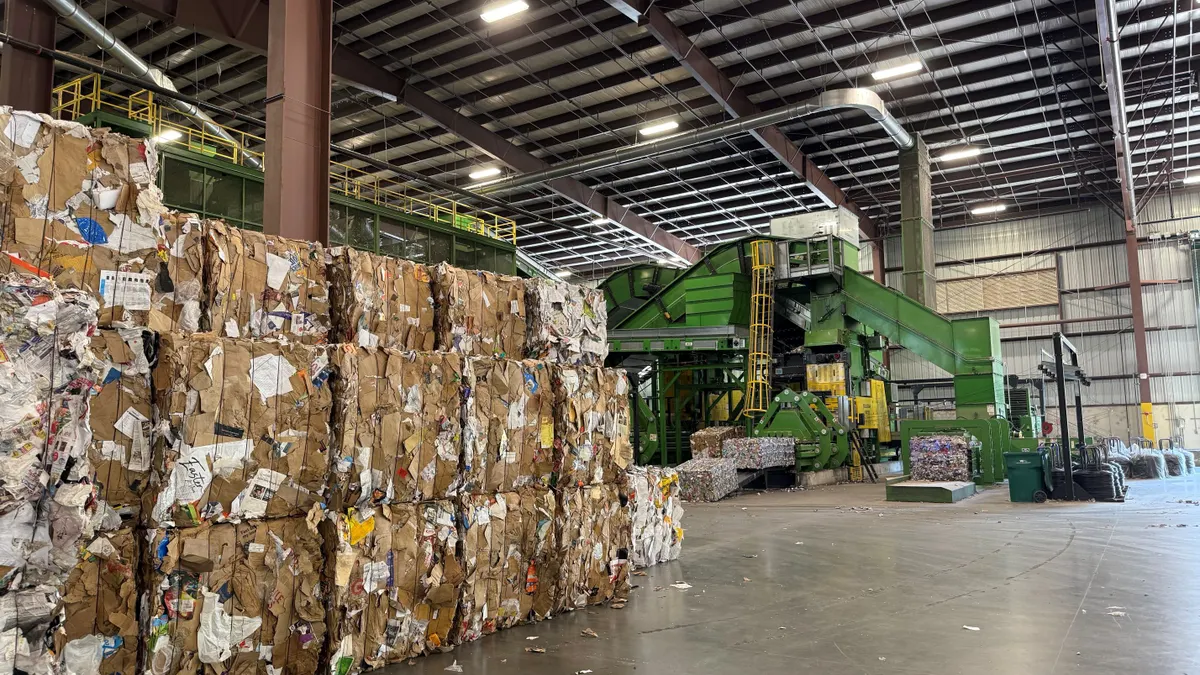
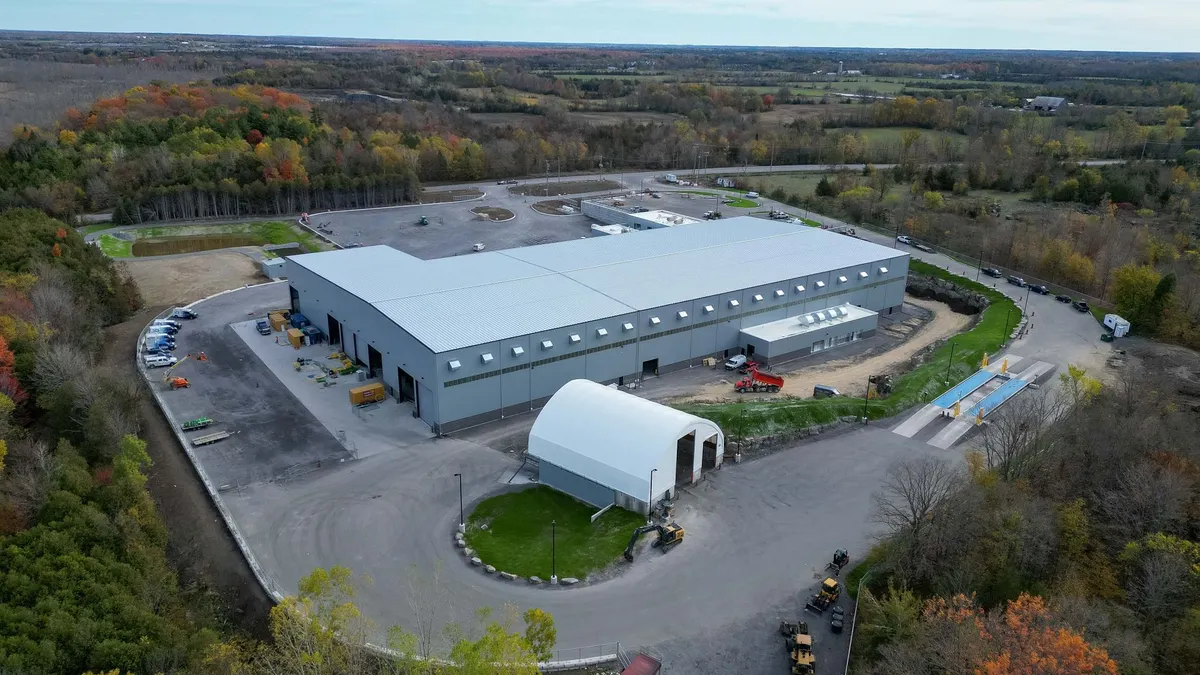
In January, WM expects to open two brand-new recycling facilities in the province to manage higher volumes of recycled materials. One will open in the Waterloo region southwest of Mississauga, while a second MRF will open in the Greater Napanee area in Southeastern Ontario, and both will feature AI-powered sorters and other automated equipment.
When complete, the new facilities are expected to process a combined 30% of Ontario’s total Blue Box volume through contracts with Circular Materials, a WM spokesperson said in an email.
GFL Environmental is also undertaking a major retrofit and upgrade of one of its facilities in the Toronto area, Circular Materials said. The PRO first entered into an agreement with GFL in 2023 to use the Arrow Road facility for growing volumes of material from the Blue Box program in the region, calling it “a pivotal milestone” in the EPR transition.
When combined, these three MRFs will handle about half of all Circular Materials’ Blue Box processing volume in the province, Langdon said.
Circular Materials also has agreements with six other existing MRFs that will continue to process the remaining 50% of its volume. “These facilities have and will continue to make ongoing investments in system upgrades to support improved recovery of targeted materials,” Langdon said.
One factor Circular Materials says will drive MRF volumes is a new unified material list for recycled materials. Residents anywhere in the province will be able to recycle the same types of materials, which the PRO says streamlines the recycling process and makes it less confusing.
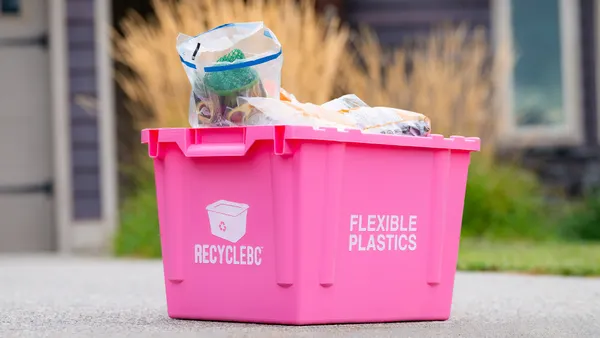
Along with commonly recycled items like cardboard and aluminum cans, the expanded list will also include deodorant, ice cream tubs, frozen juice containers and coffee cups.
“Because of the standardized mix of materials, it allows for strategic investments at the MRF. They know they have to find a way to sort black plastics and toothpaste tubes,” Lakham said. A unified collection list offers MRF operators a measure of assurance that any expensive sortation equipment investments they make will result in the collection volumes to back it up, he said.
The unified collection list also creates a “fair playing field across the entire province in terms of what [MRFs] are trying to capture,” he added.
But Lakham points out that some new materials added to the list have limited end markets, raising questions about how MRFs will fare if they can’t find buyers for the materials — and what role producers will need to play if major end market gaps emerge.
Circular Materials has said the unified collection list is part of the EPR program’s overarching goal of driving recycling and packaging innovation and creating stronger accountability for producers. For some items on the list, such as paper coffee cups, the PRO added them after conducting a specific recycling pilot program. And WM recently announced it would accept paper to-go cups across its collection network, noting recent specification changes and motivation from major paper mills.
But some other items, like toothpaste tubes, have more limited end markets with few innovations in sight, Lakham said. “At least in the immediate future, I don't see many viable end-use products being created, but over time, that might change. It really depends on whether they can get a critical mass of material, and whether they can convince enough people to say it has value.”