Dive Brief:
- Magnet recycler and manufacturer HyProMag USA aims to position itself as a major resource for recovering rare earth materials from electronics by building a hub-and-spoke recycling system using a patented, robot-assisted separation technology, a company executive told Waste Dive.
- In March, HyProMag USA commissioned its first preprocessing magnet separation system, which it has installed at a partner electronics recycler operated by Intelligent Lifecycle Solutions in Williston, South Carolina.
- Once fully operational, that system will supply prepared feedstock for HyProMag USA’s planned magnet recycling and manufacturing hub in the Dallas–Fort Worth region, set to open in 2027. Other hubs are planned throughout the U.S., including in Nevada, the company said.
Dive Insight:
HyProMag USA’s plans come as the U.S. continues to center domestic supply chain solutions for rare earth materials as a economic, manufacturing and national security priority. The U.S. government and private businesses are also pushing for more innovations in magnet collection and processing.
Though jointly owned by parent companies CoTec Holdings and HyProMag Limited, based in Canada and the UK respectively, HyProMag USA operates as its own entity within the U.S. and uses a unique patent for the magnet separation technology, said Julian Treger, president and CEO of CoTec Holdings and a director of HyProMag USA.
Treger has been closely involved in developing the company’s U.S. strategy and says he has been monitoring the growth of magnet demand for their use in manufacturing electric vehicles, data center infrastructure, robotics and some defense technologies.
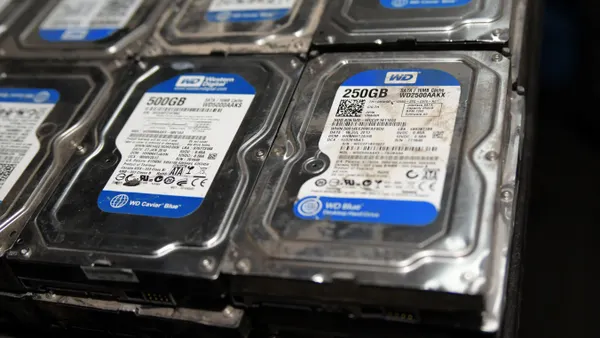
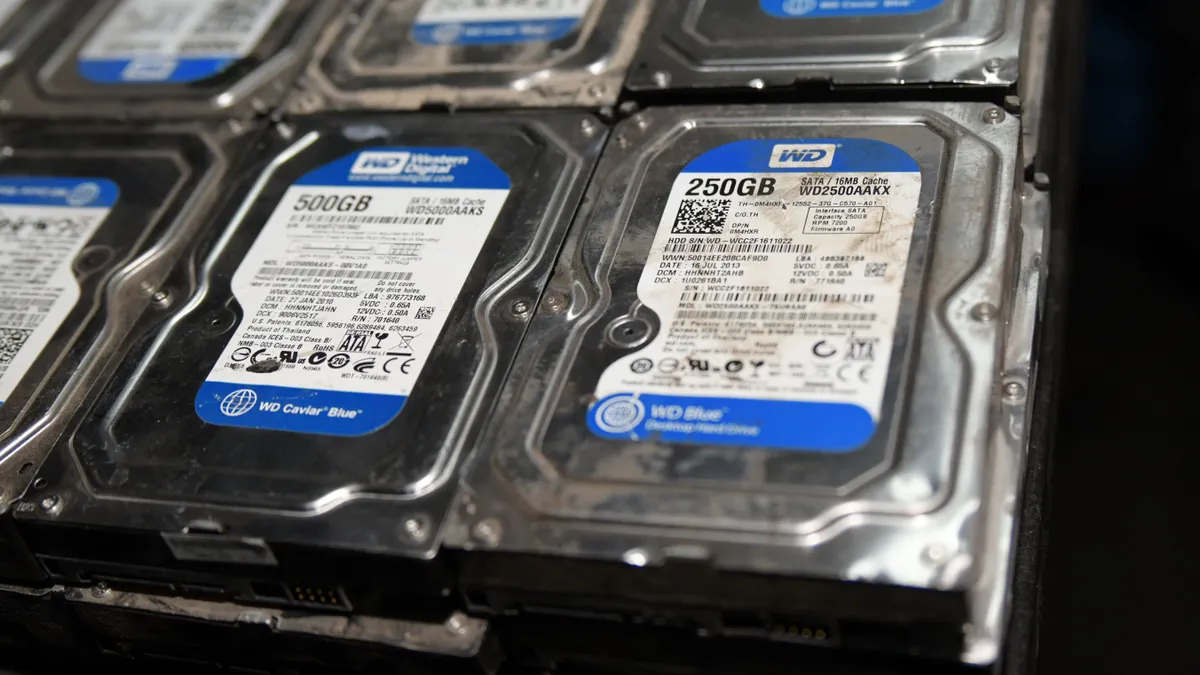
HyProMag USA’s ideal feedstock comes from a range of electronics, including hard disk drives, medical equipment like MRI machines, wind turbines and magnets from electric motors, he said.
“As the utilization of magnets in the U.S. grows, the feedstock will grow as well. We will be scaling as the demand for magnets scales,” he said.
The technology is already working in other parts of the world, Treger added. The parent companies have deployed a commercial plant in the UK, with plans to start up another facility in Germany. “This is not a science project,” he said.
Treger says HyProMag USA’s technology is different from other magnet processing equipment because it’s designed to identify and remove magnets from e-scrap before the devices enter a shredder. That process is more efficient and faster than picking magnet fragments out of shredded scrap, he said, and it recovers more of the magnet material.
First, the scrap moves along a conveyor, where sensors detect the location of the magnets inside the material. A robotic arm directly cuts out the magnets. The magnet pieces then go into a centrifuge that breaks down the magnet’s protective coating, releasing a magnetic powder. That powder is the rare earth magnet alloy mix that can be used to make batches of new magnets, he said.
Each of the planned facilities could process about 1,500 tons of magnets a year, though the Texas-based facility will start with about 960 tons, he said. Texas was an ideal place for the first facility because “there’s a hub developing for rare earth and magnets there, and it’s very pro-business,” he said.
Another facility could come online in Nevada in 2028, and a larger facility in South Carolina in 2029, he said.
South Carolina is also a hub for rare earth magnet recycling for companies like Toronto-based Cyclic Materials, which is expanding its strategic feedstock supply network in the U.S. through numerous partnerships.
HyProMag’s long-term plan is to deploy its processing and recycling centers at up to 10 locations in the country with a total capacity of about 15,000 tons of magnets a year. If that goes according to plan, Treger estimates the company could meet up to a quarter of U.S. magnet demand in around 10 years.
The idea is to co-locate these recycling hubs with facilities that have shredders, so HyProMag USA’s machinery could be mounted onto existing conveyor belts to cut magnets out before shredding. That’s the current setup at ILS’s South Carolina facility, he said.
As the technology expands, HyProMag aims to be able to produce dozens of types of magnets based on customer specifications, including military specs. “We envision being able to have a lot of different end users in due course,” he said.