SAN DIEGO — It’s been a rough past year for PET and PE reclaimers as they weather volatile plastics markets, steep competition from virgin resin, feedstock and supply chain issues and plant closures.
But reclaimers on a panel at the Plastics Recycling Conference on Feb. 24 said there’s a balance between acknowledging the challenging times and moving forward with solutions that could help stabilize their business not just for the short term, but for years to come.
“I want to come in with better energy this year,” said Paul Bahou, president of California-based Global Plastics Recycling, a PET reclaimer. The company has been hit hard with a combination of market and supply challenges for a few years, and those challenging times are expected to continue into 2026. “There are some solutions out there that we can delve into, and I remain optimistic,” he said.
Speakers highlighted ways that recycled content mandates, the introduction of more formal contracting processes, and the rise of extended producer responsibility for packaging could help with reclaimers’ rocky relationship with the business these days. But these solutions will take time, they said.
Here are some takeaways from this week’s event.
PE and PET facility closures cause ongoing market disruptions
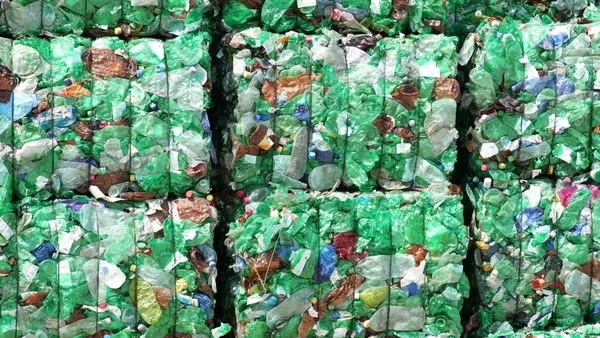
Recycled PET markets have faced layers of challenges in the past year, driven by weakened demand for domestic material coupled with increased imports of cheaper recycled resin from overseas.
There were five full or partial PET reclaimer closures last year, and news broke during the conference that PET recycler Evergreen Recycling planned to close two more PET recycling facilities in Clyde, Ohio, and Albany, New York.
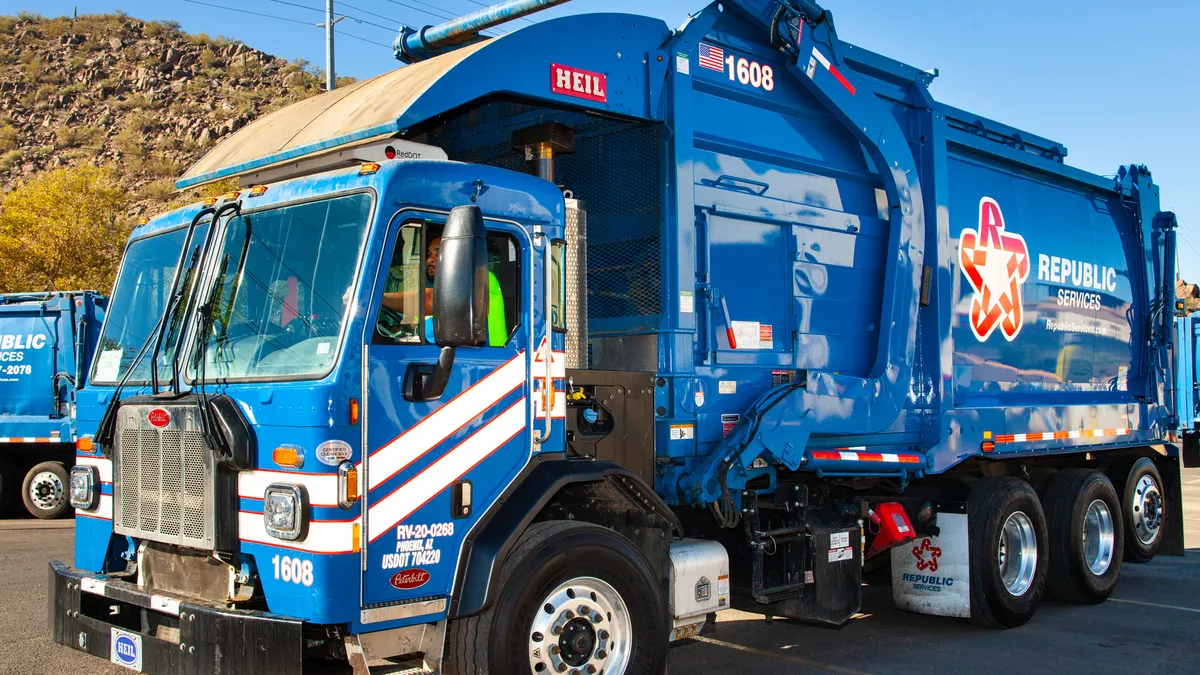
Republic Services also noted that it will wait to announce its next polymer center, in part because of market pressures from imports of both virgin and recycled PET.
PET bale prices are at historic lows, while the cost of operations to process the material keeps increasing, Bahou said. “This is a major math problem for me, when I’m trying to pay my employees.”
Film recycling facilities are also under strain, said Anna Rajkovic, market and innovation manager for mechanical recycling at Nova Chemicals. The company commissioned its new Indiana-based PE film recycling facility in 2025 and announced on Monday that it had commercialized two general-purpose grades of LDPE and would be adding food-contact grades later this year.
“The timing of bringing on our new plant is not a great time for demand,” she said, pointing to other recent film recycling facility closures, such as the October closure of WM-run Natura PCR in Texas. The closures “are a strong indicator for that kind of product. Bringing on a new facility, we need that demand to be there for the product we now have available.”
Supply challenges continue
Meanwhile, companies like Alabama-based KW Plastics, which buys recycled HDPE and and PP and converts it to pellet to use in products like paint cans, are facing a feedstock reliability issue. “We want to grow, but we need the raw materials,” said Billy Jefcoat, director of raw material procurement.
One issue, he said, is that KW sources material from all over the country, but only selects places that generate the material. Meanwhile, it can’t get recycled feedstocks from its neighboring state of Mississippi due to limited curbside recycling access.
Advanced Drainage Systems, a company that makes drainage pipes from recycled HDPE and PP, says it’s facing a similar problem.
“Getting good, reliable feedstock that’s of high quality is always a challenge,” said Kristen Rinehart, vice president and general manager of recycling. Lower quality materials can lead to manufacturing issues for the vertically integrated company, she said. “We are a reclaimer, but also an end user, so quality affects us in two areas.”
Building wider-reaching curbside recycling systems in underserved areas, coupled with strong public messaging that discourages wishcycling, is an important way for reclaimers to get higher volumes of reliable material, speakers said.
The rise of EPR could help with some of these issues, as these programs are meant to infuse funding into infrastructure and better collection methods, Bahou said.
Building reliable buyer commitments through contracts and mandates
Speakers also detailed the growing need for better mechanisms to lock in long-term buyer commitments to stabilize the industry. One ongoing discussion is about how to develop long-term contracts with buyers, something companies like Mars and Primo Brands have noted is an important part of ensuring they can continue to meet their recycled content goals.
But reclaimers also point out that market volatility can make it tough to hammer out a contract that reflects the ups and downs of pricing. On top of that, some reclaimers worry the concept might damage relationships with customers who have long enjoyed informal handshake agreements as opposed to formal contracts, speakers said.
At the same time, “Contracts are just an indication of downstream demand, right? And so without that demand, it's really hard to make a contract,” Rajkovic said.
The lever that is more likely to drive that demand, she said, is the introduction of more recycled content mandates. New Jersey’s law requiring recycled content in trash can liners has been helpful for companies like Nova, she said, while California’s law requires beverage containers under the bottle bill to contain at least 25% recycled content, and Washington has a still broader recycled content law.
These mandates become even more important as the price for virgin resin continues to stay much lower than for recycled resins, she said. However, the industry will also need to sort out how to handle the issue of imported recycled resins, which can also be used to meet recycled content mandates, speakers added.
“Kudos to those using recycled content, but to bring the rest of the crowd, we need some mandates,” she said. “To really push companies into that space that says they're going to prioritize sustainability and PCR usage, I think it really does have to come down to it being required.”
This story first appeared in the Waste Dive: Recycling newsletter. Sign up for the weekly emails here.