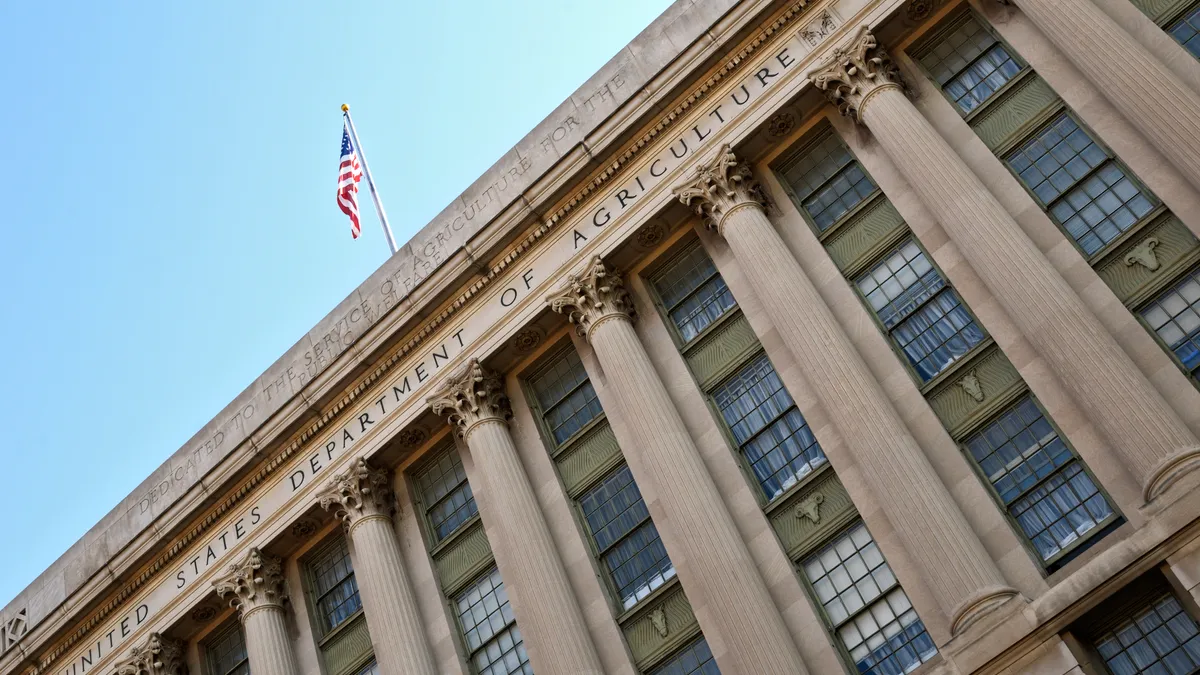
The U.S. Department of Agriculture’s Rural Business Cooperative Service on Friday paused the acceptance, processing and awarding of loan note guarantees to anaerobic digesters for up to 90 days while it conducts an investigation into loan delinquencies and project underperformance.
The pause means projects that had recently been selected for a loan through the popular Rural Energy for America Program but had not finalized agreements are now unable to proceed with project financing. Projects that had already received such agreements are still able to access funding.
RBCS Administrator J.R. Claeys announced the change in a letter signed Friday and sent to agency staff. It came days after a group of 34 environment and agriculture groups sent a petition to the USDA urging the agency to declare on-farm digesters processing manure ineligible for program funding.
The USDA did not immediately respond to questions about the letter, including whether it was spurred by the petition. In a statement provided to Waste Dive on Tuesday, an agency spokesperson said staff were reviewing the petition in accordance with the law but noted the agency “does not comment on active petitions.”
In the letter, RBCS disclosed 21 loans to digester projects totaling $386.4 million are seeing a delinquency rate of 27%. The pause also applies to “controlled environment agriculture” projects, a category that includes vertical farming and hydroponics, which have a reported 43% delinquency rate.
RBCS is now performing “a comprehensive review of the existing portfolio of such projects, including an assessment of delinquency rates, project performance, operational sustainability and underwriting guidelines to ensure prudent stewardship of federal resources,” per the letter.
The petition argued digesters provide limited environmental benefits. The petitioners also criticized the financial viability of digesters. They noted that the average grant award for on-farm digesters was $855,701, far more than the average award for other projects like solar installations, making digesters an expensive investment. They further argued that digesters face difficulties recouping their costs and rely on high electricity prices or programs like California’s Low Carbon Fuel Standard to boost their revenue.
Projects that apply for funding through REAP receive a score based on a range of criteria. They receive higher scores if their project is relatively inexpensive and if their project generates a high amount of energy per REAP dollar invested. Yet the petition notes that “digester projects needed almost three times more money to generate over four times less energy per dollar” than solar projects.
”These projects clearly are not worth their cost to taxpayers,” the petitioners wrote.
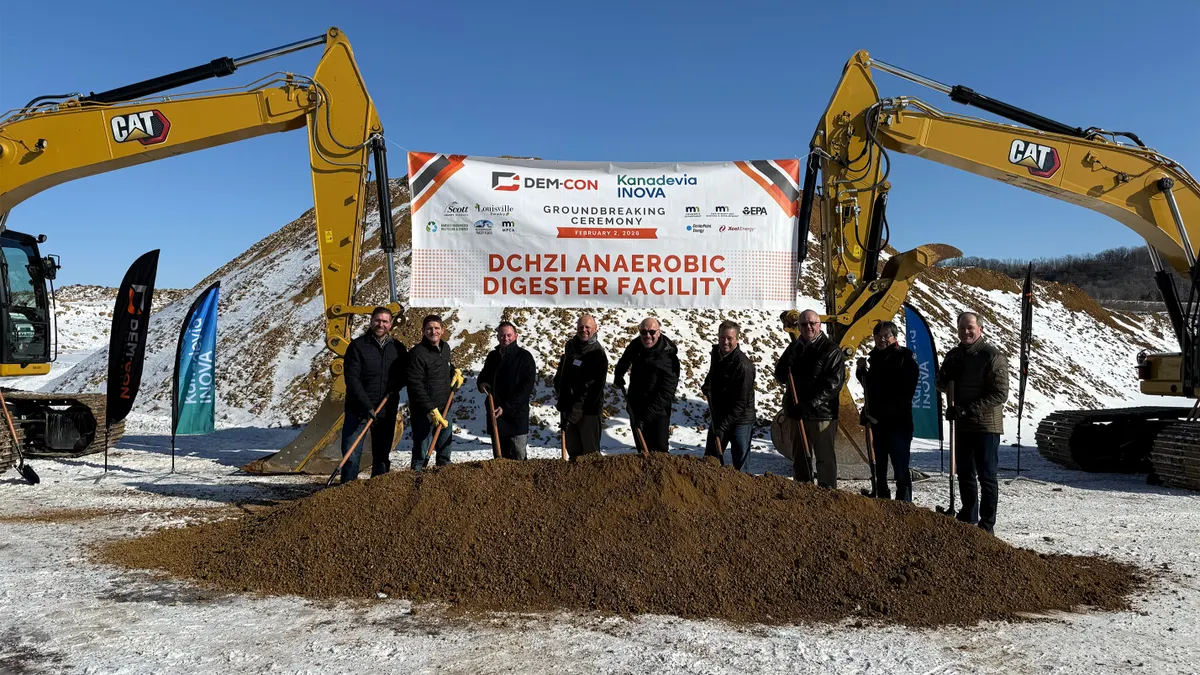
Industry groups have pushed back on the characterization that on-farm digesters are a poor investment, arguing they’re an effective source of revenue for farms and provide a cost-effective solution to manure management, preventing greenhouse gas emissions in the process. There are more than 600 anaerobic digesters on farms in the U.S., some of which codigest food waste in addition to manure, according to the American Biogas Council.
Patrick Serfass, executive director of ABC, said REAP loan performance data isn't available without filing a public records request with the USDA, and the reported delinquency rate was "news to us." He noted farmers and developers have invested nearly $3 billion into more than 200 on-farm digesters in the last three years alone.
"We look forward to learning more about what USDA claims are delinquent loans. The most important thing for Americans and rural communities is to help farmers recycle their manure into renewable energy and soil products," Serfass said in an emailed statement.
The REAP program allocates grants and loans to projects that provide renewable energy or boost energy efficiency on farms. It was touted as a tool to address climate change during the Biden administration, and received elevated funding from the Inflation Reduction Act of 2022.
But since the inauguration of President Donald Trump one year ago, USDA has been retooling its approach to REAP. The agency appeared to pause project funding through the program shortly after Trump took office, but by March Agriculture Sec. Brooke Rollins said REAP could be used as a tool to further the president’s energy agenda.
In order to continue to receive funding, however, projects had to remove language associated with climate change or diversity, equity and inclusion, according to a USDA release. The agency then paused the acceptance of new applications to REAP in June due to “the overwhelming response and continued popularity of the program resulting in a backlog of applicants.” A webpage for the program says that the agency is not currently accepting grant applications, but guaranteed loan applications can be submitted.
Friday’s letter is not intended to change project eligibility criteria for the program. Claeys instructed national and field office staff to pause the acceptance or awarding of any biodigester loan guarantee for a period of 90 days “or until further guidance has been directed.”
Editor’s note: This story has been updated to include a statement from the American Biogas Council.