Dive Brief:
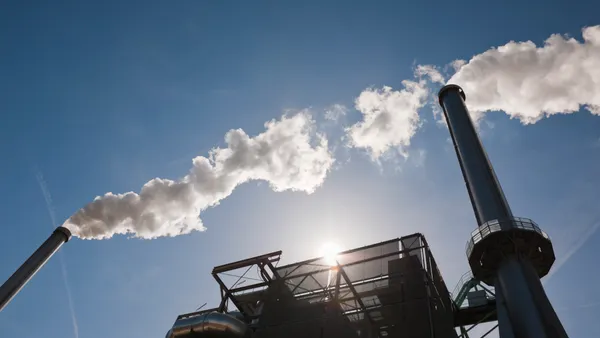
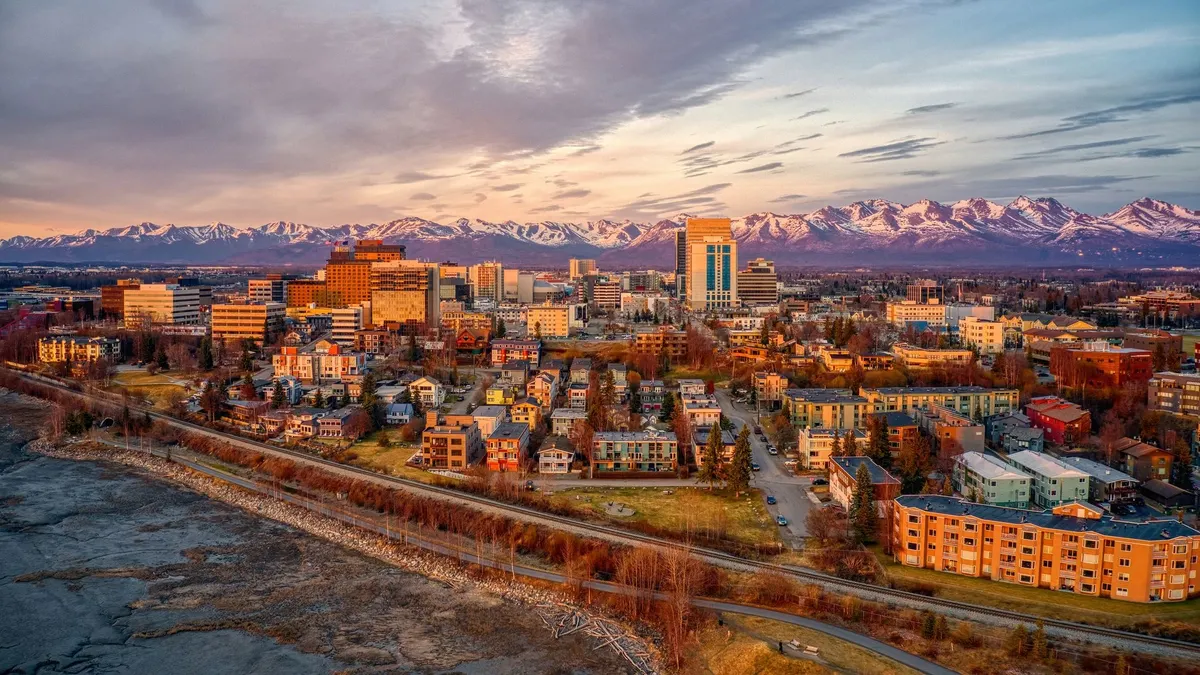
- The city of Anchorage, Alaska, has released multiple requests for proposals to design and build a mass burn combustion facility. The facility is expected to cost $700 million and process about 300,000 tons per year of waste, according to city officials.
- The plan has already earned strong support from local lawmakers, who want to extend the life of the city-operated Anchorage Regional Landfill. The region is also hoping the facility will add capacity for special waste that's currently shipped to other states for disposal.
- Mark Spafford, Anchorage's deputy municipal manager, said the project has received renewed support as the region faces an energy supply crunch. "We’re looking at any and all sources of variable renewable energy sources," he said.
Dive Insight:
Development of new waste-to-energy facilities in the United States has been limited in recent years due to pushback from communities that fear an added pollution burden on neighboring communities. Even so, places that struggle to identify alternative disposal capacity sometimes turn to building modern incineration facilities in states like Florida.
Spafford said the Anchorage project has so far received little pushback from the community, though it was stuck in the idea phase for several years. In 2019, Anchorage commissioned a report studying how an incineration facility could extend the life of the city's landfill. While Anchorage’s landfill still had more than 40 years of life estimated at the time, Alaska's difficult geography made the prospect of building another such facility unlikely, and officials said any alternative disposal destinations would be too costly.
The idea fell by the wayside in subsequent years as the pandemic shifted focus to essential services and Anchorage residents elected a new mayor. In 2021, Spafford left his role as the city’s solid waste services general manager, but returned in his new position following the election of Mayor Suzanne LaFrance in 2024. In the intervening period, Anchorage saw natural gas prices rise considerably.
That issue spurred renewed interest from the city's assembly. In April, the legislative body passed a memorandum approving $8 million in spending toward the planning of an incinerator, which would be Alaska's first. The document envisions the facility will produce 20 to 30 megawatts of energy annually.
The memo also states the facility should be designed to process biosolids. The city’s water utility has been considering a $100 million project to upgrade its biosolids treatment capabilities, but using the planned incinerator instead could avoid that cost, Spafford said.
Anchorage officials are considering other benefits of the facility as well. For instance, the state currently has few options for low-level hazardous waste. But if space at the landfill is freed up, the city could convert one cell to accept the material, Spafford said. He also noted that Anchorage officials are in talks with other, neighboring municipalities that may want to pay to ship their waste to the incinerator rather than to landfill.
Spafford said the plan for now is to bring in a private company that understands power generation to guide the design process. That company could also operate the facility once it's built, he said.
Spafford projects that the facility would be operational by 2030 at the earliest. That’s an optimistic projection, he said, but one based on the level of support this project has so far received.
“Like every big project, it takes a while to get the gears rolling,” Spafford said. But with “the widespread community support that we've had, I've just felt very lucky.”