Deposit return systems with strong fraud prevention measures can recover more containers and raise recycling rates, according to a new report from the Container Recycling Institute.
During a fraud prevention webinar on Thursday, speakers from Oregon and Alberta’s bottle bill programs discussed best practices for identifying and managing improper actions like redeeming containers not purchased in the jurisdiction or not paying the necessary deposit.
Fraud can drain deposit return systems of their financial and operational resources, making the programs less effective and eroding public trust in these programs, speakers said.
“Every dollar that's lost in fraud or free riding is a dollar that cannot be invested in customers' convenience and service improvements,” said Devon Horsfield, vice president of strategy and outreach for the Oregon Beverage Recycling Cooperative.
All 10 of the programs in the United States have a statute that addresses fraud to some degree, but “the breadth and effectiveness of these measures vary considerably,” the CRI report states.
Programs with proper staffing and auditing plans, and states with statutes that specifically address fraud through detection and prevention programs, can help contribute to better programs, speakers said.
Identifying signs of fraud
Different types of fraud affect programs in different ways, speakers said.
The most impactful type is “free riding,” which CRI President Susan Collins described as selling containers into a deposit state without paying the deposit. This shifts the cost to other system participants and can be hard to detect, she said.
Free riding can take several forms. Beverage brands may underreport their sales because they don't want to remit a deposit upfront. In other instances, complex supply chain logistics might make it hard to determine who’s responsible for the deposit in the first place. It’s “an upstream market entry problem,” said Horsfield.
“Historically, beverage distribution followed a pretty straightforward path from identifiable Oregon distributors to identifiable Oregon retailers,” she said, “but e-commerce, direct shipping, third-party marketplaces and other emerging sales channels have created more complex paths into Oregon's market.”
In the end, a consumer may not be charged a deposit, but the system still has to pay the refund when the container is returned, she said.
This kind of fraud is “widespread across the nation's deposit states,” with estimated annual instances ranging from 16% to more than 40%, the CRI report states.
In California, for example, annual audits typically find between $3 million to $15 million in underreported deposits, according to CRI’s report. That ends up being less than 1% of the $1.6 billion in annual deposit revenues the state collects. But CRI cited its 2014 analysis estimating that the real underreported deposit number could be closer to $200 million to $300 million – about 15%.
Speakers also discussed redemption fraud, or the practice of getting a refund for a container through an illegal process. This often describes the process of bringing containers into a bottle bill state from a state that does not have a program. CRI estimates this kind of fraud is rare. Oregon, for example, estimates its instances of cross-border fraud at about 5% a year.
Certain warning signs could help alert operators to instances of fraud, said Mark Emsden, president and CEO of Alberta’s Beverage Container Management Board, which operates the province’s program.
If a location starts getting notably higher volumes of returns, it could be cause for further investigation, he said. “People are creatures of habit, and people tend to buy the same amount of pop or alcohol every week, and they tend to return it to the same place if there is a return system. Large spikes can give you an indication that something's wrong.”
Another sign might be when a return location starts getting more containers from brands that aren’t typically sold in the state, Horsfield said.
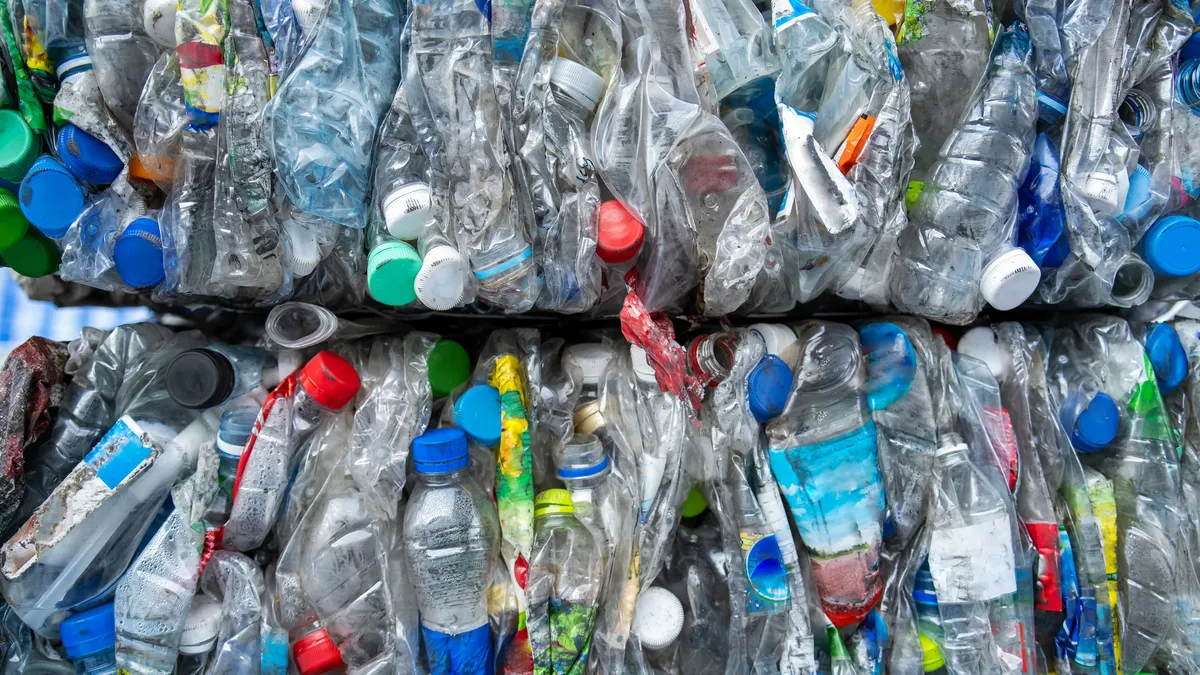
Loads of containers that look like they’ve been compacted into bales is another sign the containers might have been taken from an unauthorized location. Alberta’s auditors have occasionally seen instances where a bad actor buys a bale of aluminum in a neighboring province that doesn’t have DRS, then breaks down the bale to separate out aluminum cans they can attempt to sell in Alberta.
Fixing fraud through ongoing improvements
No single action will eliminate fraud, but Emsden and Horsfield said a range of prevention, detection, investigation and enforcement actions have strengthened both Oregon’s and Alberta’s systems.
Alberta logged an 83% redemption rate in 2024, making it the highest in Canada, Emsden said. Oregon’s 2025 rate was 88%, Horsfield said.
Properly funding and staffing auditing and fraud prevention efforts contributes significantly to their effectiveness, speakers said.
In the U.S., several states have updated their programs with new staffing and funding measures, Collins said. Connecticut, for example, very recently approved funding in its 2026 state budget for two new container redemption enforcement employees. In 2023, Maine passed legislation to add three new people to its DRS staff. Both states recently expanded their bottle bill programs.
Meanwhile, Encorp Pacific, an industry-owned PRO for British Columbia’s deposit return system, recently hired a fraud analyst to investigate both consumer and depot fraud, she said.
Alberta’s program has long benefitted from having several trained investigators on staff, Emsden added.
In Oregon, public-facing education campaigns such as bus ads and signs near state borders have also helped, Horsfield said. Some Oregonians “didn't realize they couldn't go into Washington to a friend's party, buy drinks and then bring your empties back into Oregon to redeem. There’s a lot of opportunity for education."
CRI’s report suggests other best practices, such as establishing programs that include specific anti-fraud measures that are explicitly written in statute. Plans must have transparent data collection and reporting systems and results that are publicly reported annually. Requiring “deposit initiators” to report sales data to a centralized body can also help streamline data and make parties more accountable, CRI recommends. Other data collection and review mechanisms include creating a process for reviewing container counts, CRI said.
The report also calls for establishing regular auditing processes and “true deterrents,” such as high fines, for participants who break the rules.