Call2Recycle has rebranded as The Battery Network, a move it says will better characterize the work it does throughout all stages of the battery lifecycle.
The nonprofit stewardship group, based in Atlanta, has been around since 1994 and is best known for its work coordinating drop-off sites for consumer batteries. But The Battery Network’s responsibilities have evolved over the years: It also handles numerous aspects of battery logistics and transportation, coordinates with battery producers on extended producer responsibility compliance and works with recyclers on projects meant to more efficiently recover critical materials from batteries.
Waste Dive talked with The Battery Network’s president and CEO, Leo Raudys, about how the rise of electric vehicles, smart devices, e-bikes and other battery-containing products have accelerated the organization's work. At the same time, numerous new state battery EPR programs will drive collection and infrastructure work for years to come. And federal efforts to invest in battery recycling and recovery initiatives aim to boost domestic supplies of critical materials to reduce reliance on overseas supply chains.
This conversation has been edited for length and clarity.
WASTE DIVE: In the decades since Call2Recycle has been around, the industry has changed, and so have people’s relationship with batteries and battery recycling. How have those changes influenced the rebrand to The Battery Network?
LEO RAUDYS: Especially over the last five years, we've undergone a very significant transformation and evolution, which is why we decided to change the brand. We're about a lot more than just recycling.
From the early days, we were essentially the EPR outfit for the battery industry and they used us to help satisfy those obligations. Over the course of the years, we have been evolving to meet the new demands of the industry, like new battery chemistries and a lot more focus on lithium-ion batteries, as opposed to cadmium.
As the demand for batteries — not just in products, but also for the materials in the batteries — increases, and there’s a greater focus on energy independence in the United States and focus on critical minerals, the work we do is much more network-based. It's a much broader scope than it used to be.
If you think about our old days, pretty much all we did was the consumer battery collection program, which is still an incredibly important part of what we do and we still do that. Now we're increasingly managing EPR in the states that are passing laws, and we do that on behalf of over 300 manufacturers. And we've also built a pretty substantial operation serving business-to-business customers.
We've always been very asset light, and a lot of what we do is through technology that we develop on a custom basis. We don't actually own and operate processors and sorters. Just 15 years ago, we worked with one facility where we sent material to sort and process. Today, that's 25.
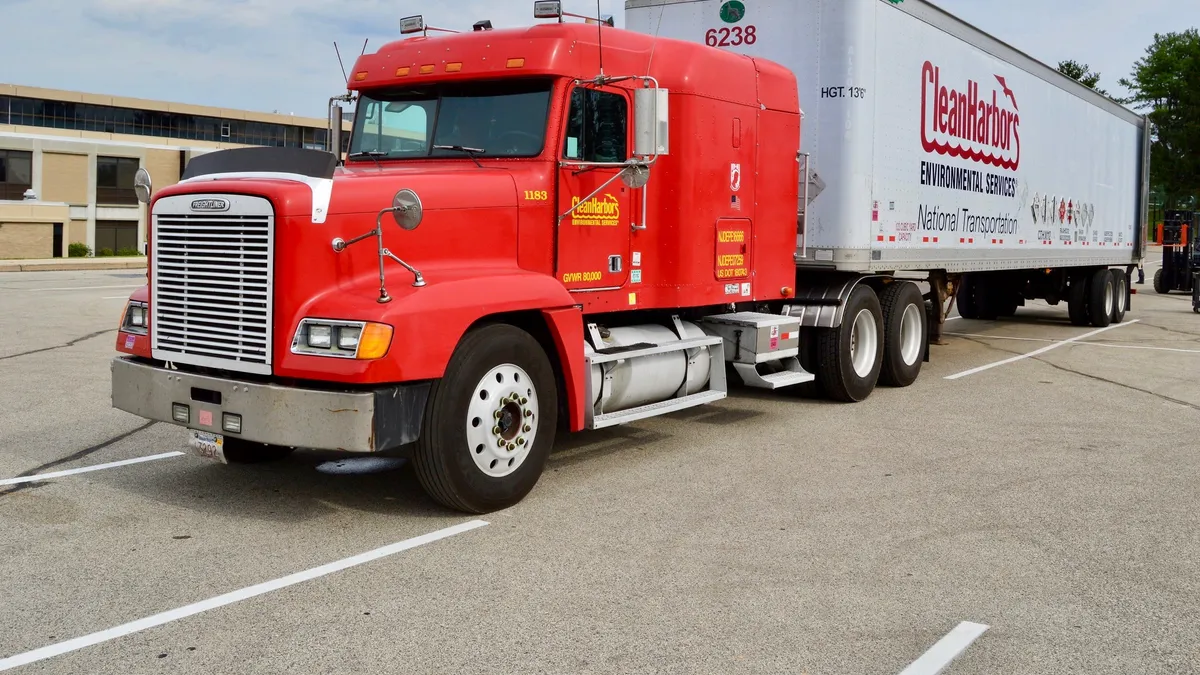
It’s very much like a standard commercial operation where we do back-end logistics; handle recalls; handle end-of-life batteries, including EVs, consumer products, industrial products. We also help on cleanups. If there's a fire and you've got to move batteries away from those locations, the expertise that we've developed over the years comes in pretty handy there.
We have over 3,000 regular [B2B] customers now that we do this work for. The only thing that we don't do is automotive car lead-acid batteries, because that's got its own system.
The recycling industry has long had to grapple with facility fires caused in part by batteries, and has been leaning into the role of EPR programs as part of the solution. Can you talk a little bit more about what kind of role you play in that?
The notable thing is the coalitions that have been supporting these bills are pretty bipartisan, and they're really focused on safety and fire risk, damage to facilities and people getting harmed by fires. People have come around to the idea that this is a common-sense approach to manage this and to place the responsibility on the manufacturers to solve it.
We can then manage the logistics of safely getting a battery from the field to a facility. For example, when we started our e-bike program in 2021, the industry came to us and said, “We're putting all these e-bike batteries on the market. We want to be able to get these things back to recyclers when they're done with them. How do we do that?”
Initially, the e-bike companies thought this would be a pretty simple task, but there’s a lot more to it. For one thing, employees actually have to be trained to take that material back. There’s over 2,400 independent bike shops that are in our network. They're really good bike techs, but they don’t necessarily know how to handle these materials.
Two: You’ve got to have a way to move the batteries, and you need a container for them, and you need permits. That took us well over a year just to get the permit from the federal government. After that, you have to find a commercial carrier willing to take it, even if you have the permit. That's about another year and a half. Then, on an ongoing basis, you need to manage the program and train people. That's not the kind of thing that processors are really good at or even want to do. So that’s where we come in to help.
What trends or themes are you seeing in the states that have recently passed battery EPR laws, or states that are introducing such bills this year?
Most of the states that are passing these battery laws now are pursuing “all battery” bills. That could include small and medium batteries and all chemistries. In the past, states might start by passing a law that covers one type, then expanding to add more types.
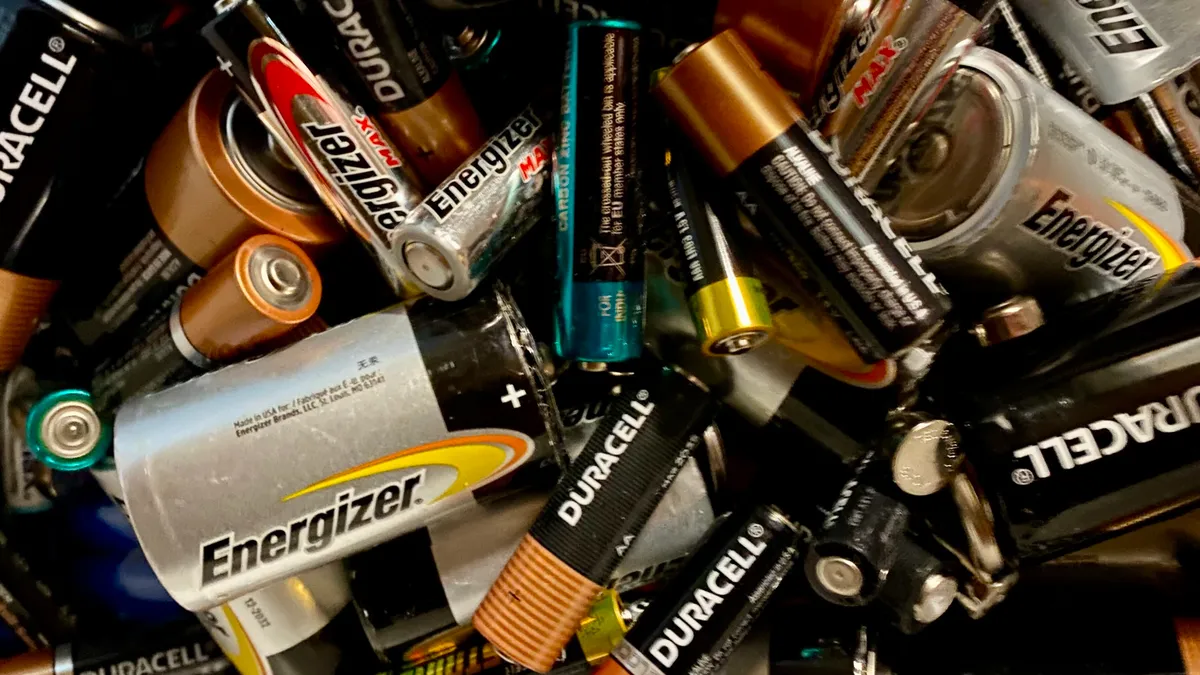
Policymakers understand now that if you don't have an all-battery bill, it's hard to make it work for consumers. If you went up to someone on the street and handed them two different batteries — two chemistries, one is single use and one is rechargeable, but they look the same — they might not know which one is recyclable. That consumer is going to put the battery right back into the drawer.
Just this year, we started up the new EPR program in Illinois, which will have an “all battery” requirement. Washington state is not far behind. Vermont also recently added rechargeable batteries [to its EPR program]. When these states come online, we're able to pretty efficiently put a plan together, get approval and then operate it in a way that makes people feel good about it
When bills are being developed at the state level, [The Battery Network] tends to stay in the background as a technical expert. Policymakers tend to want to know what works and what doesn't, and we'll give them technical information on that, but we don't lobby or advocate.
The battery industry itself has been really forward thinking on this. They've got model legislation that they share with policymakers, and by and large, most of the laws are following that model. It makes sure there’s a healthy outreach and education program. The metrics tracking is pretty much the same, as are the levels of accountability, which plays to our strengths as The Battery Network.
There is still a misconception out there, both in the general public and even to some extent the industry, that without EPR, there's enough money on the end of this to pay for itself, and that's just not the case. Even with the high-value batteries, you have to take into account what it costs to transport, manage, sort. Those costs far outweigh the value you get on the back end. All of this costs money, and that's why you see more of these [EPR] bills coming.
Another recent development in the battery recycling world is the federal government’s view that this kind of recycling can contribute to the overall push for domestic manufacturing and securing domestic supply chains. What’s your take on that?
It's super important, and it actually plays into our name quite well. The network-based approach makes sure our entire ecosystem is focused on an end goal of keeping materials on shore.
The reality is that, most of these [recycled battery materials] end up where the manufacturing happens, and manufacturing is still largely happening overseas. For recycling in particular, we shouldn't think about it as something that can be solved immediately today. When we do recycle the batteries here in the United States, we have to keep them in domestic custody first. Until you do that, you can't build a domestic refining industry.
The materials are here, and we can use them to continue to build upstream supply chains within the United States. We’re seeing very positive momentum. But first thing’s first: We have to get all those batteries out of people’s drawers. Then you can do the rest.