Dive Brief:
- Creators of Scrapp, a recycling guidance app, are kicking off the year with a new pilot program in partnership with Miami-Dade County in Florida. The county has invested in several tech-centered innovations meant to boost waste diversion as its population grows.
- Scrapp’s team is now working in earnest on scaling up its features for the county’s needs. That includes updating the app with regionally-specific collection day reminders, recycling guidance and the capability to navigate the app in Spanish and Haitian Creole, among other features.
- The pilot is funded by a $100,000 grant from the Miami-Dade Innovation Authority, a nonprofit in collaboration with the county that invests in “early-to-growth stage companies” to test and validate technologies. MDIA announced in November the grant recipients who won its fifth public innovation challenge, with this round focused on identifying waste and recycling solutions that could benefit the county.
Dive Insight:
Miami-Dade and the MDIA see these innovations as a key part of a long-term plan to reduce the amount of material sent to disposal by 40%, MDIA said. The county currently generates about 5 million tons of waste each year and has an estimated 37% recycling rate.
Further complicating matters is the county’s longtime work to decide how to replace its refuse-derived fuel plant in Doral, which burned down in 2023. Officials are mulling the possibility of building a new waste campus that could include an incinerator.
The Scrapp partnership, which is separate from the waste campus project, was first announced in November as part of MDIA’s Public Innovation Challenge. Clean Earth Innovations, which produces biochar from yard waste, and Fertile Earth Worm Farm, a composting company, also received grants as part of the program.
Scrapp aims to directly engage with Miami-Dade residents and provide them with tailored, specific recycling information for their area, said Mikey Pasciuto, Scrapp’s co-founder and chief sustainability officer. Scrapp is also in the process of rolling out several other municipal deployments, and Pasciuto says the team will learn from its work with Miami-Dade to inform future partnerships.
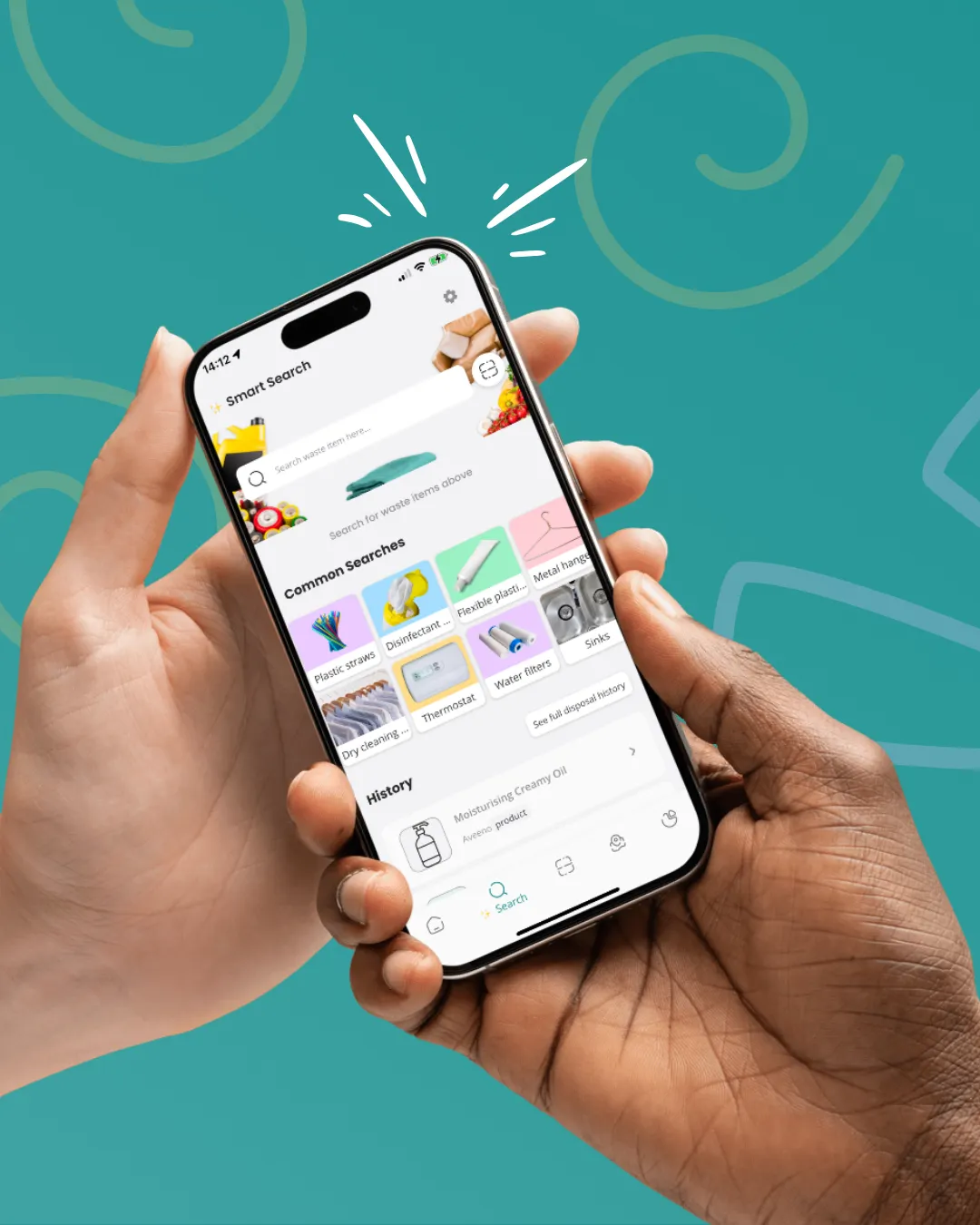
Scrapp’s app platform is already available for users across the U.S. to access base features like interactive maps that point out recycling drop-off sites and a barcode feature where users receive recycling guidance by scanning items.
By working closely with Miami-Dade, Scrapp will be able to offer expanded capabilities for residents there, such as educational features, information on weather-related impacts and settings for commonly-spoken languages in the region.
Pasciuto says he’s excited for the company to take on the challenge of adding capabilities for Miami-Dade’s 39 municipalities and unincorporated areas. “Everybody has different recycling schedules and needs. We’ve worked with other municipalities before, but this will be a first for us in terms of size,” he said.
Scrapp ultimately aims to help reduce recycling-related call volume to Miami-Dade’s 311 information system by providing a centralized spot for recycling information, he said.
“This is the challenging part about waste, right? Consumers think it's just one party managing the whole chain. On the waste side of things, we understand there's more to it: a hauler, a hauling company, contracts with the municipality and, sometimes, a town recycling coordinator,” he said. “When the chain of command feels so muddy, we want one central system where residents can get their answers.”
Scrapp first started in the dorms at the University of New Hampshire, and it has grown over more than five years since, according to the company website. Scrapp’s most recognizable product is its consumer-facing app, but the company does a lot of behind-the-scenes work collecting recycling and diversion data for a range of diverse clients, including consumer products companies and the New England Patriots.
“We're analyzing all of their waste data in the back of house, and then running a procurement assessment to understand how they can design waste out of their systems,” Pasciuto said.
The funding infusion from the MDIA grant is an important resource, he added. The pilot programs that have come from that process have helped the county constantly find "practical, sustainable solutions” to improve its waste management processes, said Aneisha Daniel, director of the Department of Solid Waste Management.