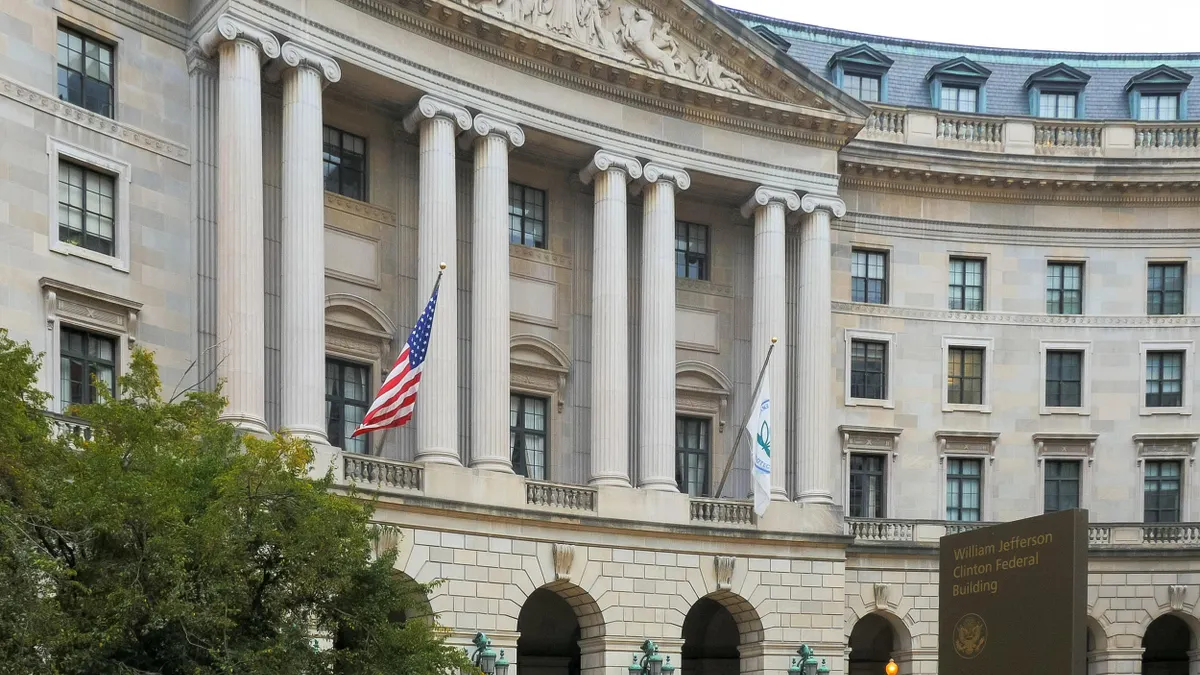
UPDATE: Jan. 26, 2026: President Donald Trump approved a funding bill package on Friday that includes $8.8 billion for the U.S. EPA. That budget is $320 million less than the previous year’s fiscal year budget, but avoids the major cuts the White House had previously proposed, which would have slashed the budget by more than half. The approved budget covers the agency through the end of the fiscal year in September.
In a statement, the Environmental Protection Network applauded the approved funding package as a bipartisan effort. “The president has signed a funding bill that rejects his administration’s effort to further hollow out the EPA. A bipartisan majority has been clear: weakening the agency that protects our air, water, and communities is unacceptable.”
The group also urged EPA Administrator Lee Zeldin to restore staffing levels at the agency after last year’s furloughs and layoffs.
Rep. Tom Cole, R-Okla., who led the House’s passage of the bill, described the bill package in a statement as “ensuring responsible resource management” while saving taxpayers money.
Dive Brief:
- Jan. 16: The Senate on Thursday approved an $8.8 billion budget for the U.S. EPA through the end of the fiscal year in September. The approval is part of a three-bill funding package that also approves certain science spending and budgets for the departments of Justice, Interior, Commerce and Energy.
- The bill, which now heads to President Donald Trump for signature, includes funding for key programs such as Superfund, but 47% less than the previous year’s budget. It also provides funding for various research projects involving PFAS, landfill methane, eRINs and numerous water quality and safety programs.
- The funding amount is about 4% less than last year’s budget of about $9 billion, but both environmental groups and lawmakers said the cuts were less dire than the White House had previously signaled. The president’s original budget proposal for the agency was around $4.16 billion.
Dive Insight:
The draft budget package approved by the House and Senate offers far more funding than previously expected, including for scientific research efforts. The Trump administration had previously called for major cuts across multiple agencies — including the National Science Foundation and the National Oceanic and Atmospheric Administration. The bill heading to Trump’s desk reverses some of those efforts to slash funding.
The Environmental Protection Network said the draft budget is a sign of a “bipartisan effort” to maintain key funding for environmental health and safety programs. Yet the group said in a statement that the EPA’s budget “remains historically low when adjusted for inflation, continuing a decade-long erosion of the agency’s capacity as its responsibilities have grown.”
Rep. Tom Cole, R-Okla., who led the House’s passage of the bill last week, characterized the budget as cutting unnecessary spending while maintaining funding for critical initiatives such as “ the stewardship of America’s resources.”
The bulk of the proposed EPA budget aims to continue operation of its key programs, such as CERCLA enforcement operations, water quality and infrastructure work, grantmaking and other day-to-day operations. It calls for $282.7 million for CERCLA, known as the Superfund program, which is a major decrease from the fiscal year 2025 budget and the same amount proposed in Trump’s proposed budget from last summer. The administration has previously said that 47% reduction reflects an overall need for “efficiencies and operational improvements” within the agency.
The budget also calls for about $27 million toward research projects. An explanatory document included with the draft budget outlined some of the types of research it expects EPA to continue in 2026, including continued landfill emissions research. It also proposes giving the agency 90 days to deliver a report on its approach to eRINS within the Renewable Fuel Standards program. The document also directs EPA to report whether it plans to include fuel derived from plastic waste or tires in the Renewable Fuel Standard and gives a 30-day deadline for the agency to do so. It also mentions programs like the Science To Achieve Results grant program, a competitive grant and graduate fellowship program, which was paused last year but now appears to be funded in the draft budget.
The document also proposes dedicating $9 million for work to help farmers, ranchers and rural communities "manage PFAS in agricultural settings” as well as drinking water-related grants for well owners to mitigate PFAS.
While not specifically mentioned in the budget, the EPA is still working on various aspects of PFAS research and rule development, some of which could have implications for waste and recycling industry operations in coming years, according to those familiar with the agency’s day-to-day work say
The draft budget also stipulates the agency could hire up to 100 people a year to “maintain staffing levels in order to fulfill the mission and statutory obligations of the agency.”
But it’s unclear how the agency might approach hiring since it underwent a major reorganization and “reduction in force” last year. That included thousands of employees leaving the agency either through layoffs or voluntary incentives. The Trump administration said the reorganization would save taxpayers money. Critics, including some in the waste and recycling industry, worried it would hamper key safety and research initiatives.