A region of southern Virginia is significantly changing the way it manages its solid waste and recycling through a new 20-year contract with Amp.
The artificial intelligence-enabled sorting company aims to divert 50% of waste from the region’s landfill and recycle 20% of the waste stream. That’s an improvement over the estimated 7% recycling rate in the region, according to Dennis Bagley, Southeastern Public Service Authority’s executive director. SPSA will pay Amp a minimum of $22.5 million a year, WHRO reported.
The contract with Amp will also expand the types of materials that will get recycled, he added, going from a “handful” of common types such as OCC and certain plastics to a list of about 16 types of materials.
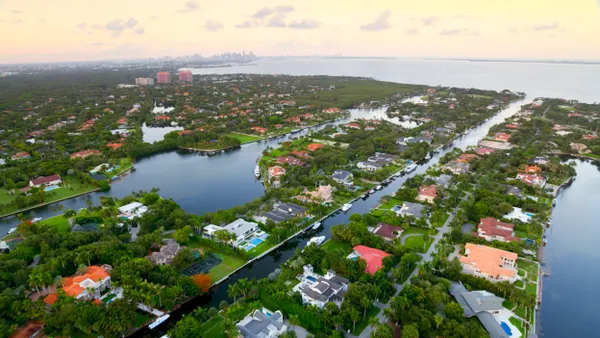
When the nearby Win Waste Innovations refuse-derived fuel plant closed last year, SPSA needed a new way to manage waste for the 1.2 million residents in the region of Portsmouth, Virginia. At the height of operations, the plant diverted more than 70% of the region’s trash from the landfill in nearby Suffolk, the Smithfield Times reported.
“Finding a solution was important to us, because we are running out of space at that regional landfill,” Bagley said in an interview.
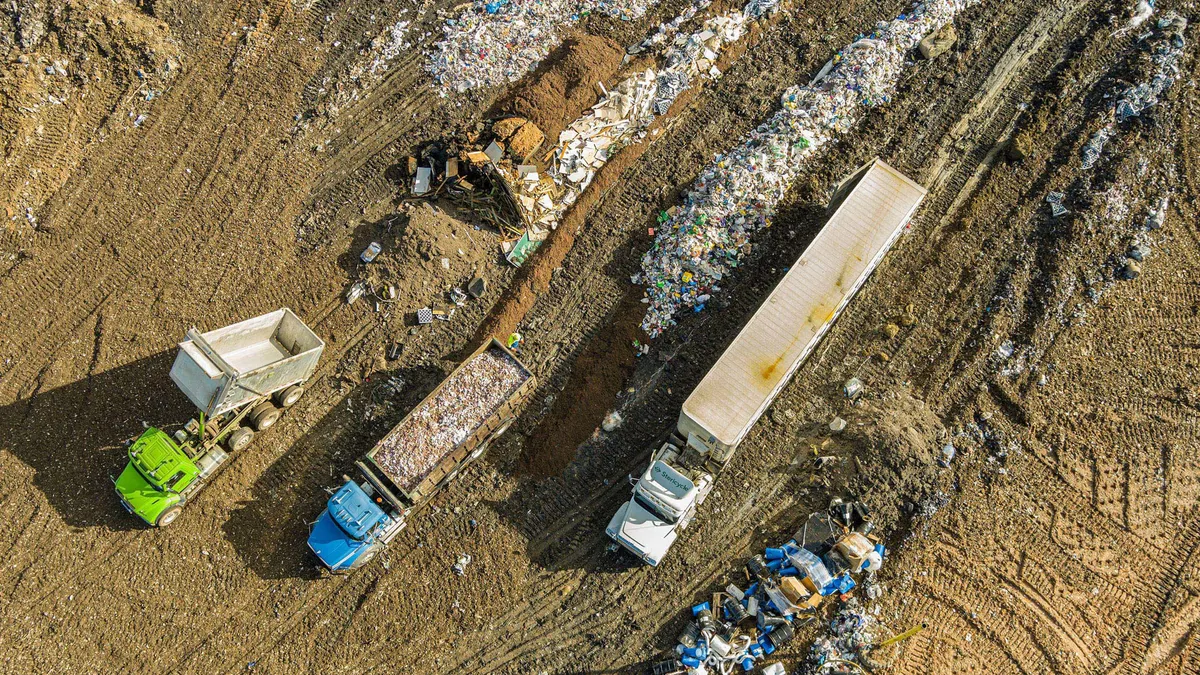
Though that landfill is currently undergoing an expansion, its wetlands permit disallows further expansion after the current project is complete, Bagley said. Without other waste diversion options, the landfill would reach capacity by 2060 at its current waste volume.
SPSA’s RFP process specifically asked for non-landfill waste diversion solutions, but Bagley expected most of the proposals to offer incineration projects to replace WinWaste’s operations. Instead, it got six proposals from candidates that instead offered mixed waste sorting.
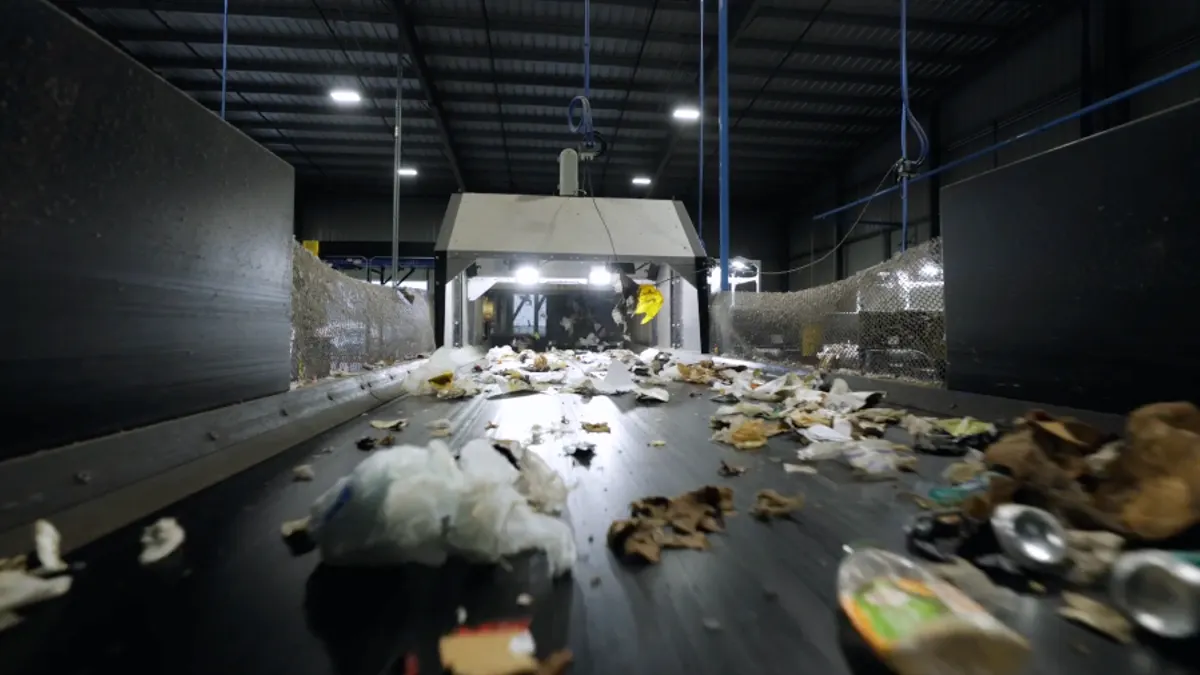
Amp, known for its AI-powered sortation technology, has recently been expanding its MSW processing capabilities through its Amp One sorting system. The system, designed to be co-located with landfills and transfer stations, can separate bagged trash into mixed recyclables, organics and residue streams.
“We selected Amp mainly due to the organics process they were using and the fact that they were using AI and robotics to remove recyclables,” Bagley said.
AMP will use two sortation facilities in Portsmouth to target recyclables and organics, while residuals will go back to the landfill. A third facility will process the organics into biochar, Amp said in a news release. AMP will repurpose the former Win Waste facility as part of its operations. SPSA took control of that facility as part of an agreement after Win Waste terminated its contract with the authority early, Bagley said.
Matanya Horowitz, Amp’s founder, said in an interview the company’s decentralized operations offer a “huge benefit” because it doesn’t require new permits and allow Amp to co-locate services where SPSA already operates, cutting down on transportation and other costs. “There’s a high degree of flexibility,” he said.
Amp was already familiar with the Portsmouth region because it was operating a pilot facility there in partnership with Recycling and Disposal Solutions.
Its Amp One system was already processing 30,000 to 40,000 tons of MSW a year there, but the new agreement with SPSA would process the authority’s estimated 540,000 tons of MSW a year.
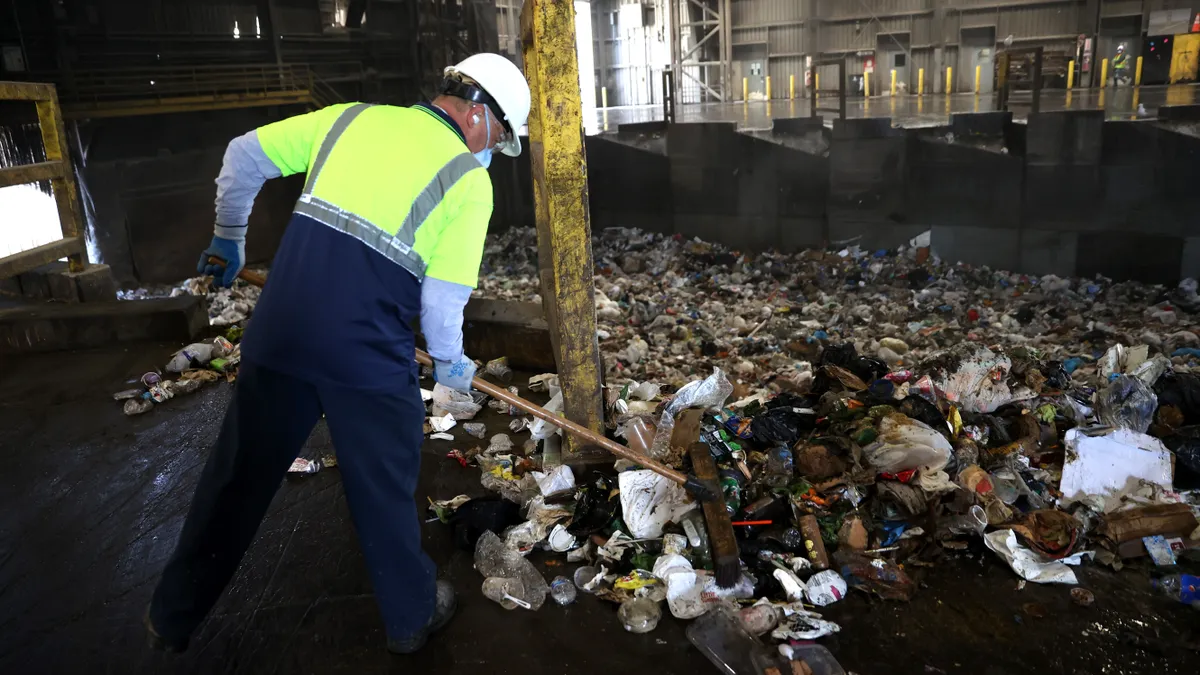
Prior to contracting with Amp, SPSA conducted a waste characterization study in 2023 that found high rates of recyclables moving through the region’s waste transfer stations, even from areas with curbside recycling services. “With all the education we've done, we haven't moved the needle on the amount of recycling material that we're bringing in,” Bagley said.
Before, that material may have ended up at a waste-to-energy plant. But the new MSW processing system will now sort those materials out of the waste stream. “It's going to really change the way waste is managed across the country as we move forward,” he said.
Amp plans to further expand its MSW sortation services offerings in coming years. The ramp-up comes a few months after Amp announced it had raised $91 million in series D funding in an effort to accelerate Amp One system deployments.
Amp has not yet announced future locations where it may operate.
“We’re looking for places that have high disposal costs, so the benefit to diversion is really high. That's an obvious thing, but that's core to our strategy,” Horowitz said.
This story first appeared in the Waste Dive: Recycling newsletter. Sign up for the weekly emails here.