This audio is auto-generated. Please let us know if you have feedback.
2025 was a year for change in the waste and recycling industries.
Waste and recycling operators faced regulatory updates and inflation while embracing advancing technology. The federal government under the new Trump administration changed its approach to regulations and waste-related priorities. States urged waste and recycling improvements through key legislation and initiatives. And M&A continued to shape the business landscape.
We’ve highlighted some of the major trends throughout the year, along with the numbers that give each story some perspective.
What topics will you be watching in 2026? Let us know at waste.dive.editors@industrydive.com.
Emissions
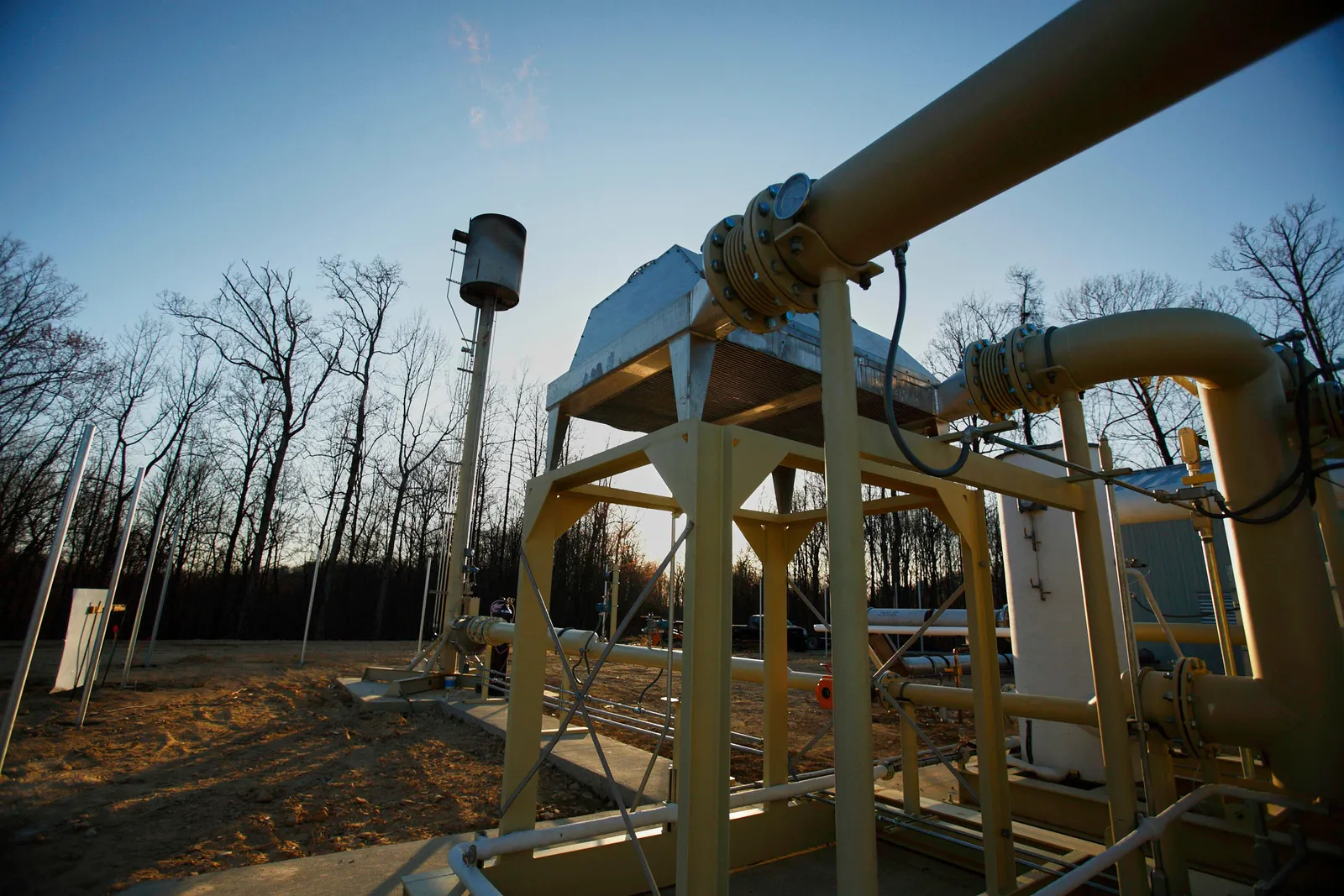
Alamy
By the numbers
The destruction efficiency of Clean Harbors' Aragonite, Utah, facility for certain PFAS chemicals, as determined by a test run in coordination with the U.S. EPA and Department of Defense. The pilot tested the hazardous waste incinerator’s ability to destroy materials contaminated by per- and polyfluoroalkyl substances.
The number of MSW and industrial landfills reporting emissions data to the federal Greenhouse Gas Reporting Program in its most recently published dataset. The EPA proposed ending the program in September.
The amount of time landfill operators in California have to reduce a detected pocket of elevated temperatures in their landfill below 145 degrees. The restriction is part of the update to California’s Landfill Methane Regulation adopted in November. It was spurred in large part by an elevated temperature event at Waste Connections’ Chiquita Canyon Landfill, which it closed in January.
Labor and economy
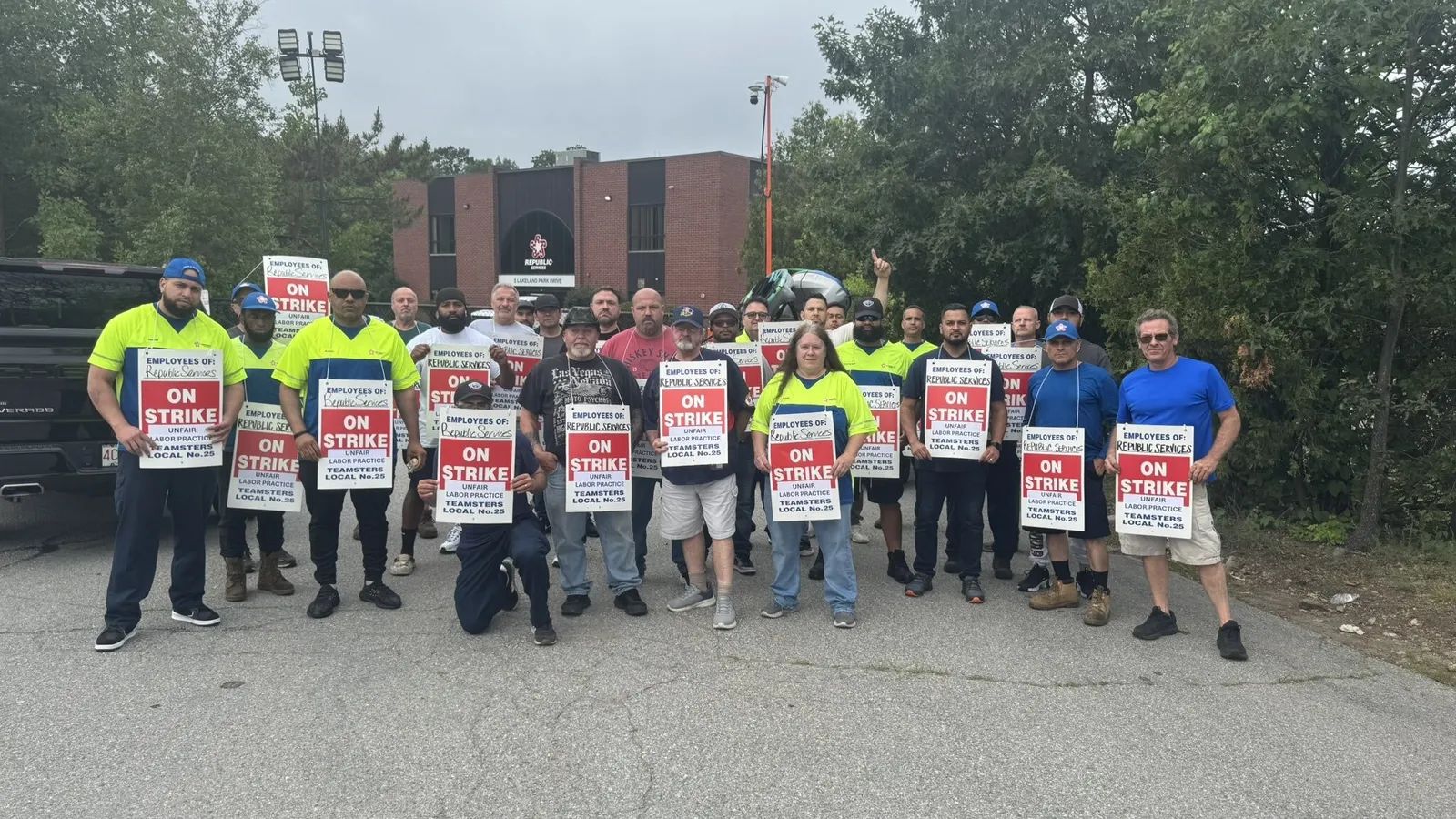
Permission granted by Teamsters Local 25
By the numbers
The number of Teamsters that went on strike against Republic Services this summer, the largest sanitation-related labor action in decades. The conflict ended with a new contract for workers in Georgia, but began when Teamsters walked off the job in the Boston area.
The inflation increase for garbage and recycling collection year over year in November, according to the Bureau of Labor Statistics’ Consumer Price Index. The rate is determined by what consumers pay for the service.
M&A
Jacob Wallace/Waste Dive
By the numbers
The number of transactions involving commercial waste haulers in New York City, which is in the first year of rolling out its commercial waste zone system.
The number of M&A deals Waste Dive identified across the industry, including the United States and Canada, in 2025. That’s slightly more than the number of deals Waste Dive identified last year, but not a definitive total.
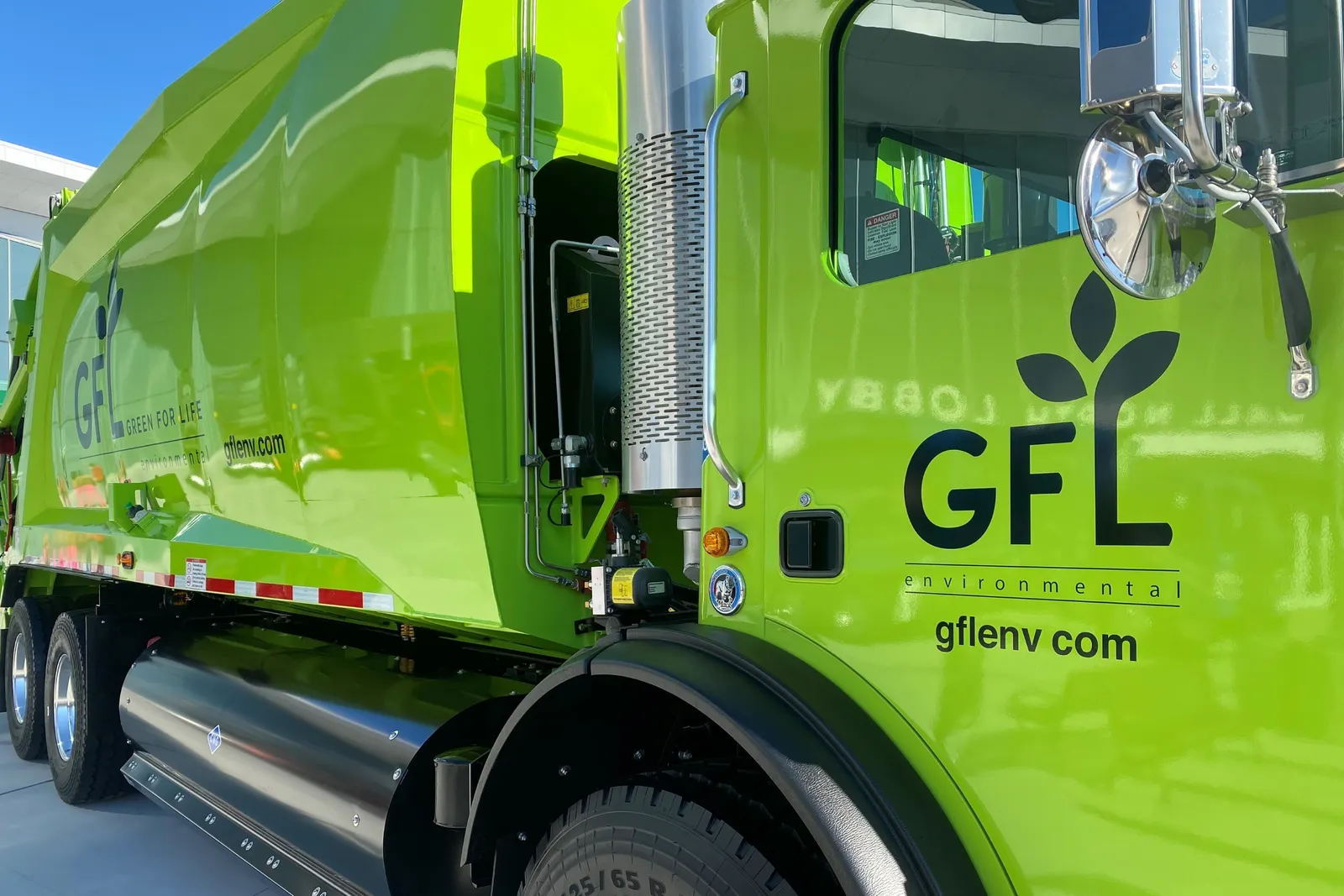
The total purchase price (Canadian) that affiliates of Apollo and BC Partners paid for a majority stake in GFL Environmental’s environmental services business. GFL retained a minority stake in the newly private entity and the right to buy it back after five years.
Federal actions
Justin Sullivan via Getty Images
By the numbers
The length of the longest government shutdown in U.S. history, which affected jobs and delayed some work at government agencies like the U.S. EPA. Waste and recycling groups expected to see a continued impact on certain activities, such as permitting and regulatory timelines.
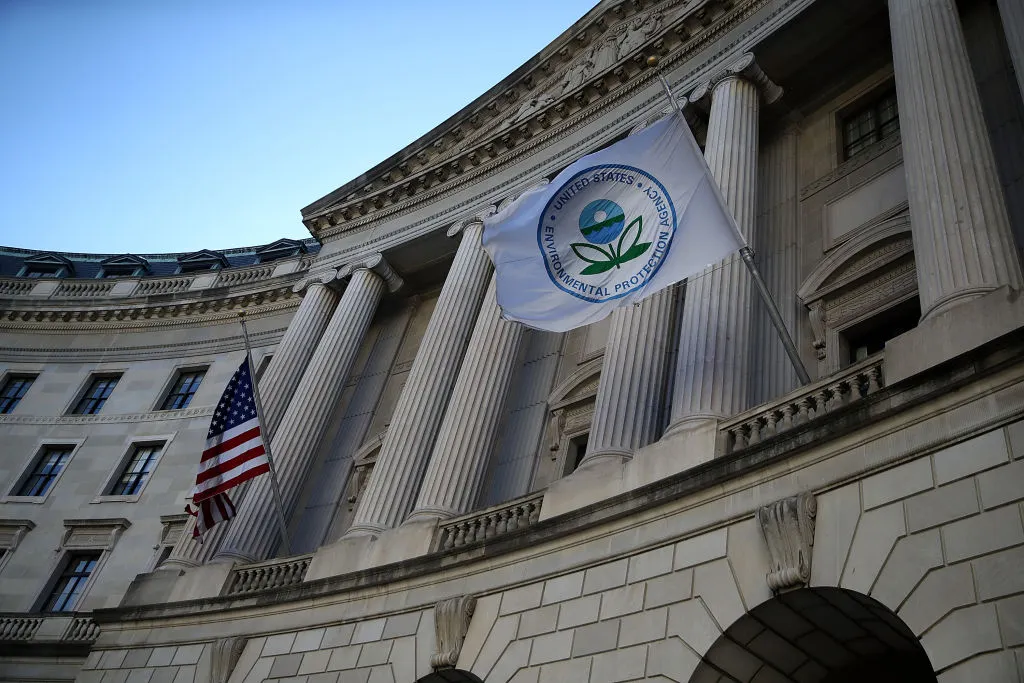
The types of per- and polyfluoroalkyl substances the EPA under the Trump administration plans to rescind from the National Primary Drinking Water Regulation. The original standard, announced by the Biden administration in April 2024, set legally enforceable limits for six types. The EPA’s rollback proposal aims to continue regulating two types, PFOS and PFOA, but will reconsider four others.
The proposed tax credit for private investments in certain recycling infrastructure proposed in the The Cultivating Investment in Recycling and Circular Local Economies (CIRCLE) Act. Under the Trump administration, the U.S. government has seen recycling investments as a key way to rely less on other countries for critical materials used in manufacturing.
State and local
Megan Quinn/Waste Dive
By the numbers
2
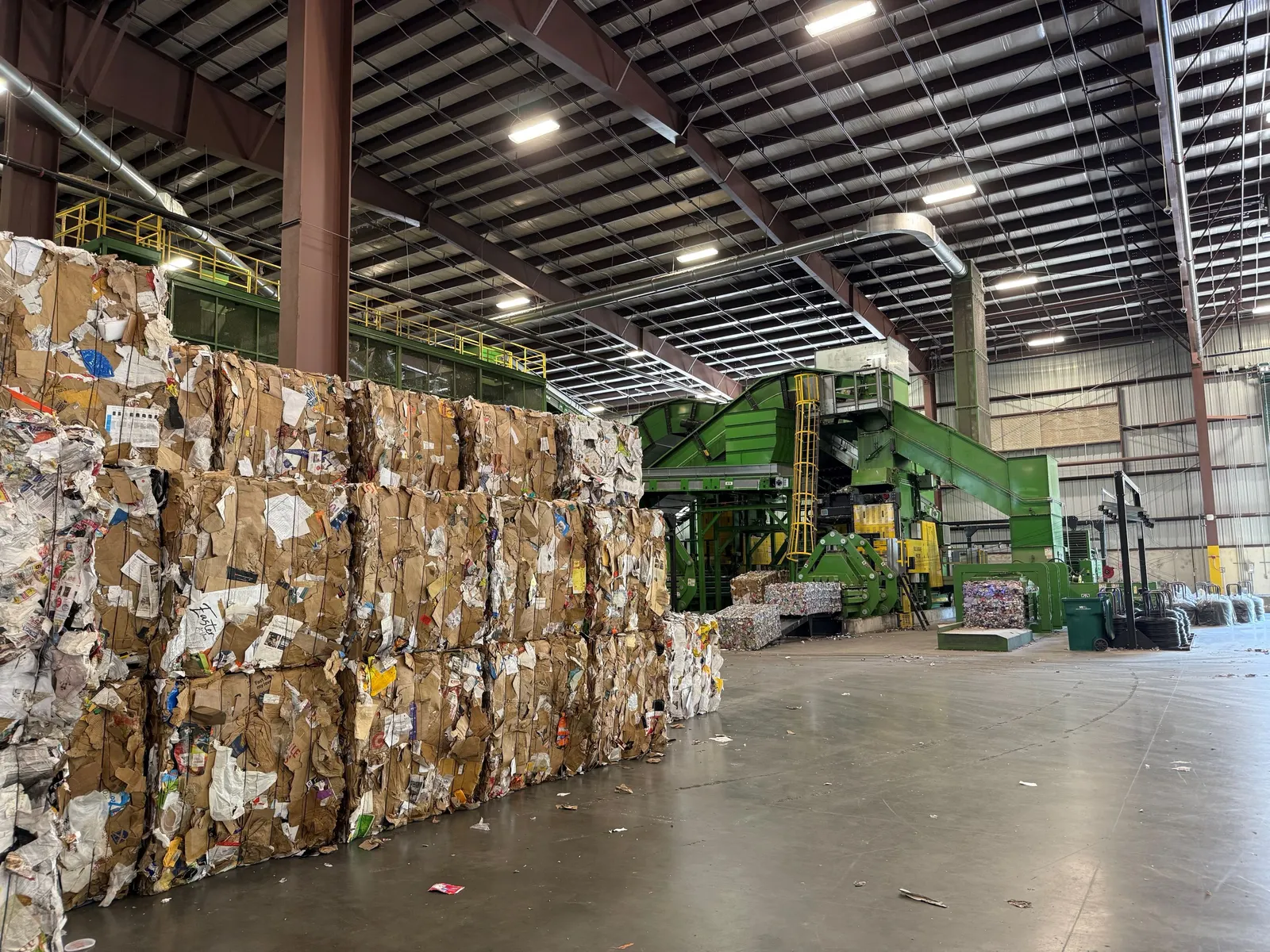
The number of states that passed EPR for packaging laws in 2025. Maryland and Washington join five other states with similar laws. In 2025, Oregon launched its EPR for packaging program, and states like Colorado will begin enacting theirs in 2026.
The last time the state of Virginia updated its solid waste management plan. It’s currently working on a new 20-year plan meant to focus on circular economy principles and waste diversion strategies. It’s among multiple states tackling new solid waste plans in 2026 and beyond.
Recycling
Megan Quinn/Waste Dive
By the numbers
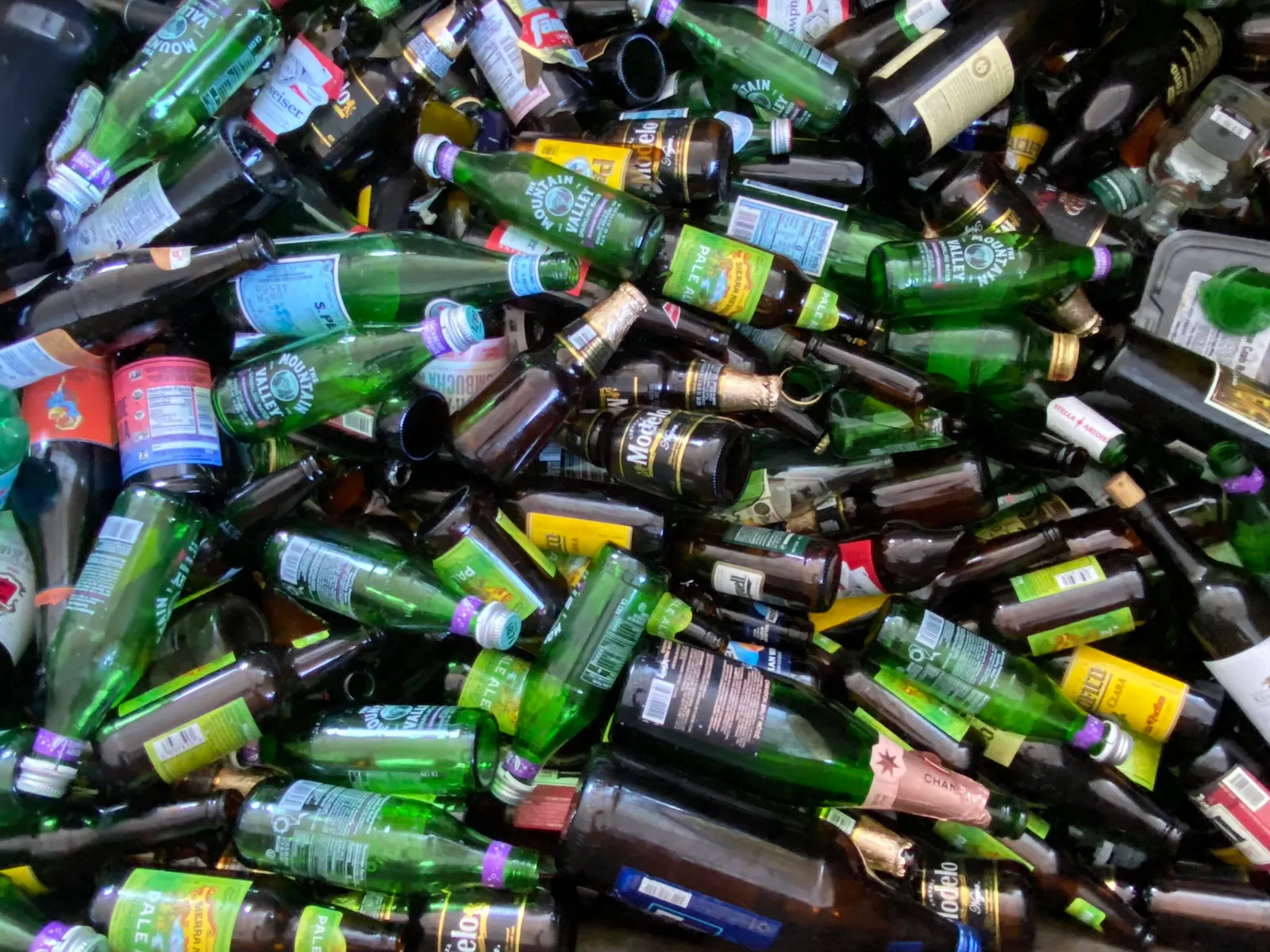
Amount the EPA awarded as part of the second round of Solid Waste Infrastructure for Recycling, or SWIFR, grants. The grants are meant to improve communities’ recycling, reuse, composting and anaerobic digestion systems across the country.
The amount of healthcare waste that typically gets recycled in North America and Europe, according to a 2025 report. Some waste and recycling stakeholders have called for more efforts to collect and recycle the materials through methods like chemical recycling. Yet existing infrastructure is limited, and a large share of healthcare plastic is classified as medical waste.