Dive Brief:
- The U.S. EPA is proposing to roll back rules surrounding air curtain incinerators, which currently fall under several sections of the agency's Clean Air Act incinerator rules. The proposal would allow the incinerators to operate without a federal air permit unless they are located at facilities that otherwise require one.
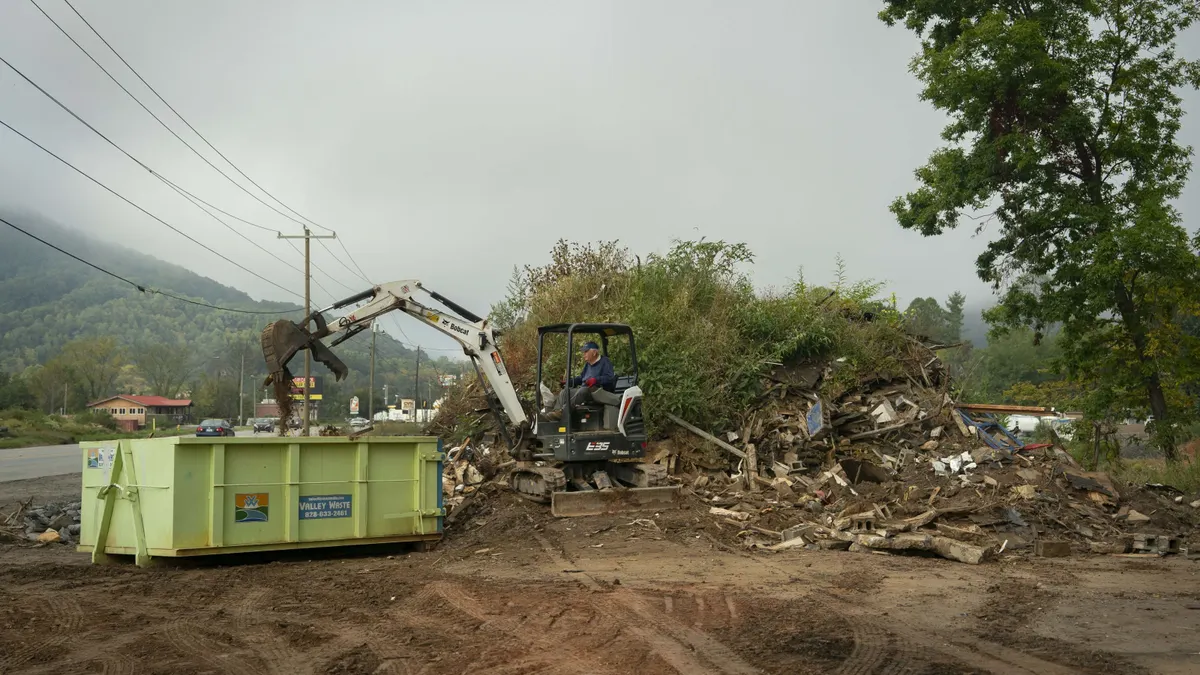
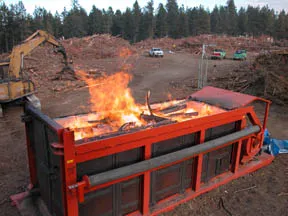
- Air curtain incinerators are machines that force air across a combustion chamber to raise the incineration temperature and trap certain emissions. They're typically used to burn wood waste, yard waste and lumber. The EPA has previously indicated it would like to expand the incinerators’ use as a method of cleaning up natural disaster debris.
- The proposal is subject to a 45-day public comment period. Environmental groups have previously urged that air curtain incinerators receive stronger regulation, including through the recently finalized rules for large municipal waste combustors.
Dive Insight:
The EPA issues distinct sets of regulations for multiple categories of incinerators loosely based on their size and the type of material they burn: large municipal waste combustors, small municipal waste combustors, commercial and industrial solid waste incinerators and other solid waste incinerators. Each category has distinct emissions limits, though some of those regulations are overdue for an update based on Clean Air Act deadlines.
The EPA released finalized air emissions rules for new and existing large municipal waste combustors on March 5, two decades after it last finalized rules for the facilities. It finalized rules for commercial and industrial solid waste incinerators in 2024, seven years after they were initially proposed.
But several incinerator categories have their own rules for air curtain incinerators, creating a range of standards based on how the machines are used. The EPA said its proposal this week would “cut red tape” for air curtain incinerators.
In its release, the EPA said that the Biden administration did not authorize the use of commercial and industrial incinerators, including air curtain incinerators, for cleanup during Hurricane Helene. The agency attempted to reverse that determination in August by issuing an interim final rule for the use of such incinerators following disasters or emergencies. Its proposal this week would replace that interim final rule.
“President Trump has worked to protect families from wildfires and respond to natural disasters in record time,” EPA Administrator Lee Zeldin said in a statement. “Under our proposal, states, local, and Tribal leaders will not only be able to safely clean up their communities after a natural disaster but ensure that unnecessary delays are not the reason more lives or homes are put in harm’s way."
The interim final rule issued in August was challenged by lawyers from Earthjustice in court. They argued the agency could not make such a change without a public comment period. EPA’s move this week would address the need for public comment.
Jim Pew, a senior attorney with Earthjustice, said the agency’s proposal would allow air curtain incinerators, which he called “dumpsters with a fire in them,” to burn waste that can release toxic emissions without controls. That includes demolition waste from homes and other buildings, as would be the case in disaster sites.
The EPA studied the use of such incinerators for disaster debris after Hurricane Katrina through tests conducted in June 2008. It found that burning such debris led to significantly higher levels of dioxin and furan air emissions compared to burning yard waste, the more typical use for air curtain incinerators. Those experiments were themselves the subject of a lawsuit brought by a citizen group that alleged EPA was "treating a storm-devastated Louisiana parish as a laboratory for illegal experiments."
“Disaster waste can be taken away from the disaster site and either landfilled or burned in a real incinerator with controls. They don't need to burn it in people's backyards in a dumpster. In fact, that's adding to the disaster,” Pew said.
In a fact sheet, EPA acknowledged that the proposal could cause the total amount of emissions released by air curtain incinerators nationwide to increase as a result of their increased use, though it did not quantify such a change.
The EPA has already taken steps to loosen regulations on air curtain incinerators in its final rule for large municipal waste combustors. The agency determined that air curtain incinerators could be exempt from certain rules if they’re burning wood.
The public comment period for this latest proposal ends on April 20. The release noted that EPA "anticipates finalizing this action before the 2026 hurricane and wildfire season.”