Dive Brief:
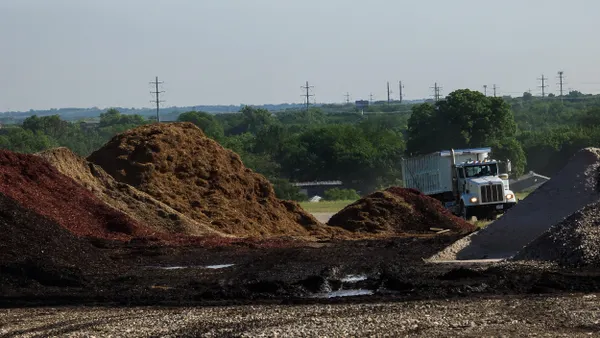
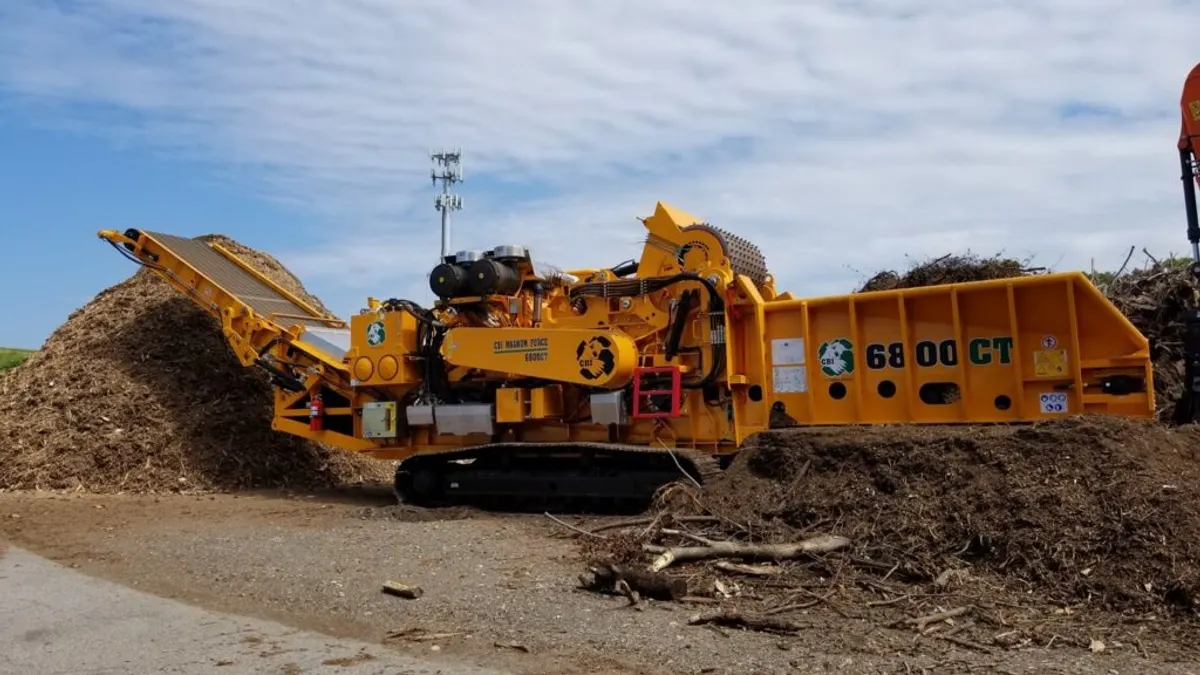
- The Southeast Connecticut Regional Resources Recovery Authority's executive committee approved a $5.2 million contract with local construction company Suchocki and Sons to build an aerated static pile compost facility on property the authority owns.
- The project has long been in the works, as SCRRRA has received multiple funding agreements from state and federal authorities to develop organic waste diversion and processing programs. It remains in advanced negotiations with Black Earth Compost to operate the site and haul organic waste.
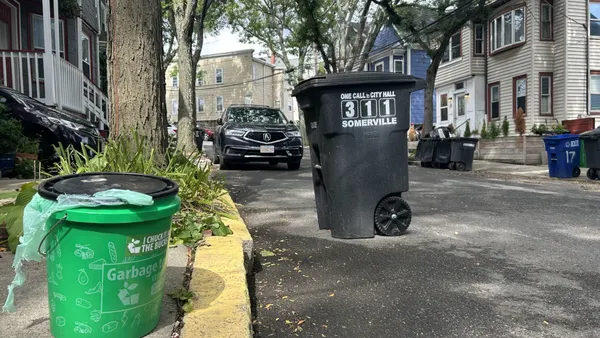
- The authority expects to launch a curbside organics collection program for the site. It also anticipates receiving 50 tons per week when the program initially launches.
Dive Insight:
Connecticut was one of the first states to mandate a food scraps recycling policy for certain waste generators in 2011 and recently expanded the requirement to large institutions. But building out localized processing infrastructure has been a yearslong endeavor.
SCRRRA has been exploring organic waste diversion programs for more than five years, in response to state diversion requirements. The authority owns the land on which the Reworld-run Southeast Connecticut waste-to-energy facility sits, and has long sent municipal solid waste there.
Dave Aldridge, executive director of SCRRRA, said the process to build the composting facility has taken longer than he expected, even though siting it near a waste-to-energy facility made it easier to permit. Nevertheless, he said he'd received "almost no concerns or negative comments" throughout the process, and support remains strong to see it through.
"I found that talking to people about it, people are very interested. I'm very optimistic about our chances of this thing being really successful," Aldridge said.
The region, which includes 12 towns, has seen several pilots on the way to building the state's first large-scale, publicly owned composting facility.
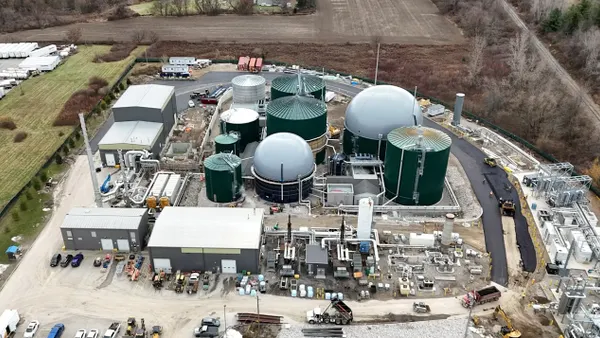
Five years ago, SCRRRA ran a compost pilot program at its Stonington transfer station in which the authority mixed wood waste it had collected with food waste collected by Blue Earth Compost. Preston and Ledyard followed that up with their own collection programs in partnership with Blue Earth Compost in 2024, in which collected food scraps were hauled to the Quantum Biopower anaerobic digestion facility.
Those pilots were initially funded in part through proceeds from nip bottles tax revenue, but SCRRRA later got involved as the costs were higher than anticipated. Aldridge said the authority is continuing its support for the collection programs as a bridge until the composting facility is operational.
Seeing the success of those efforts, officials have been taking steps to make composting a permanent part of the region's toolkit. The authority received a $400,000 Composting and Food Waste Reduction Agreement from the U.S. Department of Agriculture in 2024, which allowed it to purchase equipment for the permanent compost facility. And in March 2025, SCRRRA announced it had received a $4.5 million grant from Connecticut's Department of Energy and Environmental Protection to construct the composting facility.
Aldridge said the final construction contract required the authority to cover the $700,000 difference through existing capital funds, which the board approved last week. SCRRRA published an initial ad seeking bids for the project that anticipated the project would cost about $4 million, but that tally was revised up in response to rising costs following discussions with bidders.
Aldridge expects the authority could finalize its contract with Black Earth Compost in June at its regular meeting. He also noted construction could be completed before the end of the year, allowing Black Earth to take over the site. The authority is covering the construction and equipment costs and will receive a cut of the proceeds from compost sales, while Black Earth is paid as the hauler for organic waste collection.
While the facility is expected to receive 50 tons of waste per week at launch, Aldridge said he expects that tonnage to increase as residents become more familiar with the system. He hopes that in time the system will run with healthy enough margins to be self sufficient.
"That's what we'd really like to see. This thing just runs itself, and then we worry about trash and other kinds of recycling," Aldridge said.