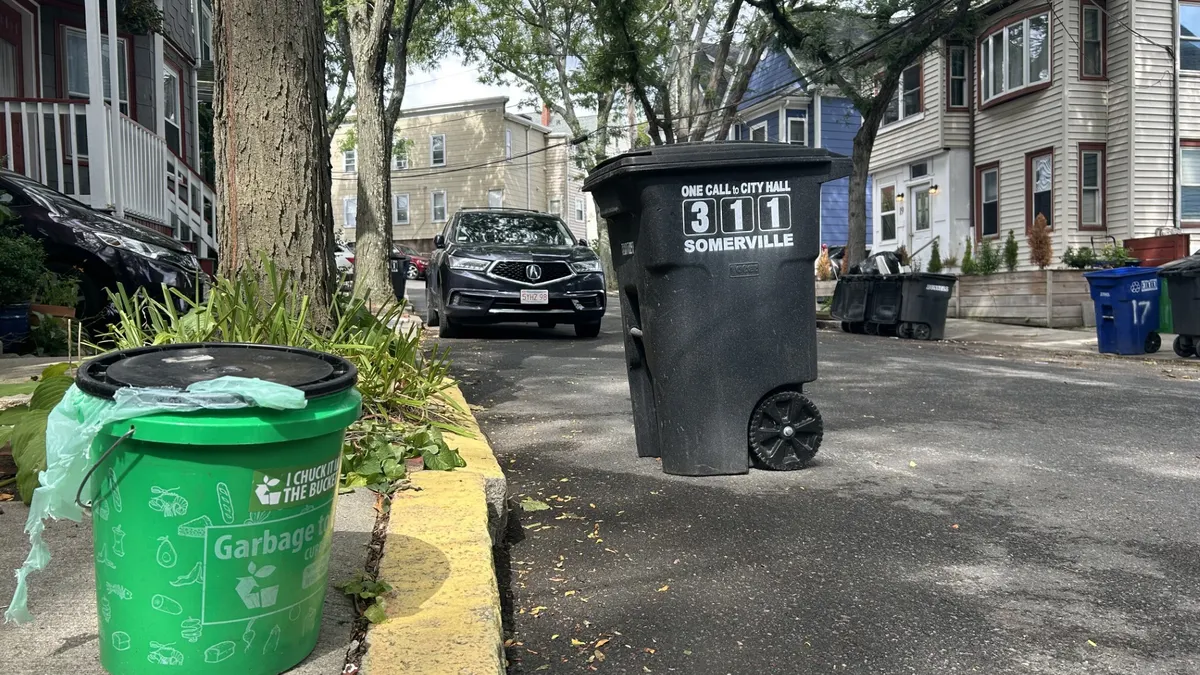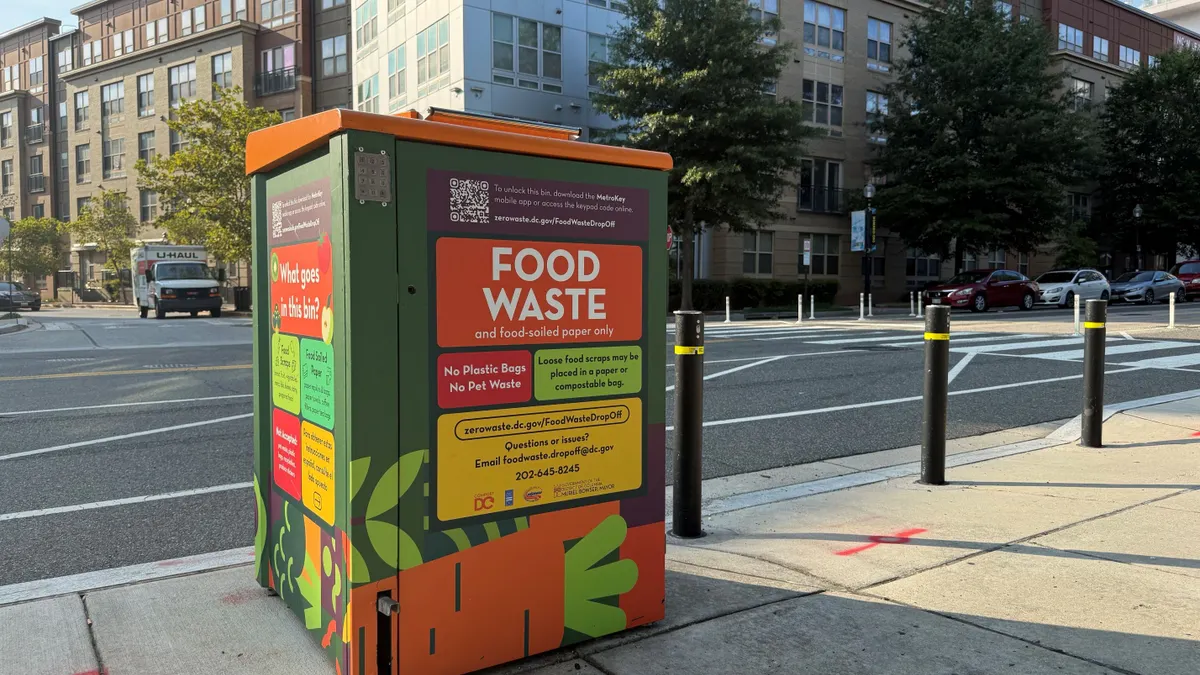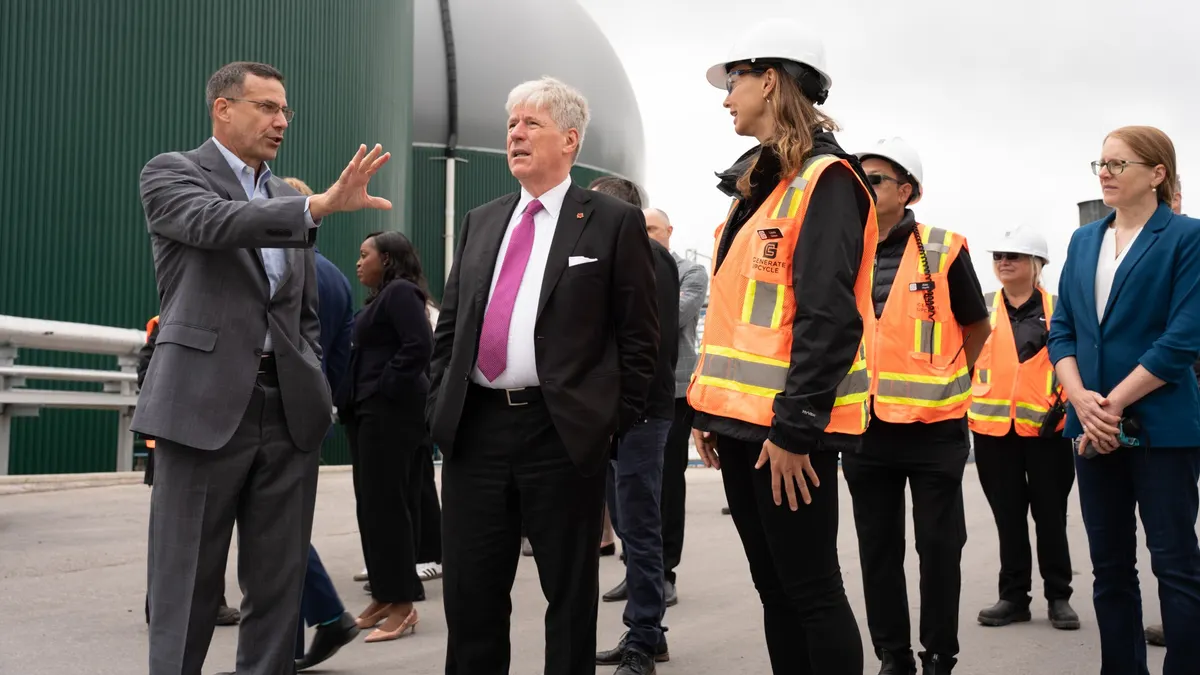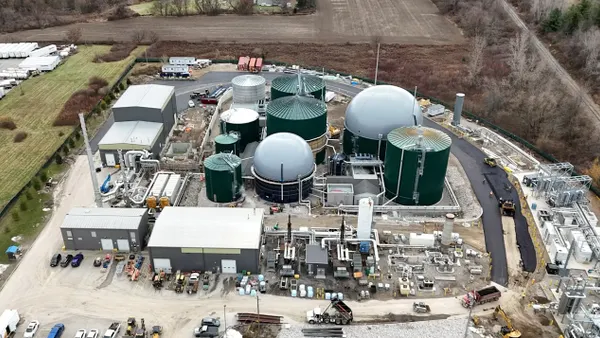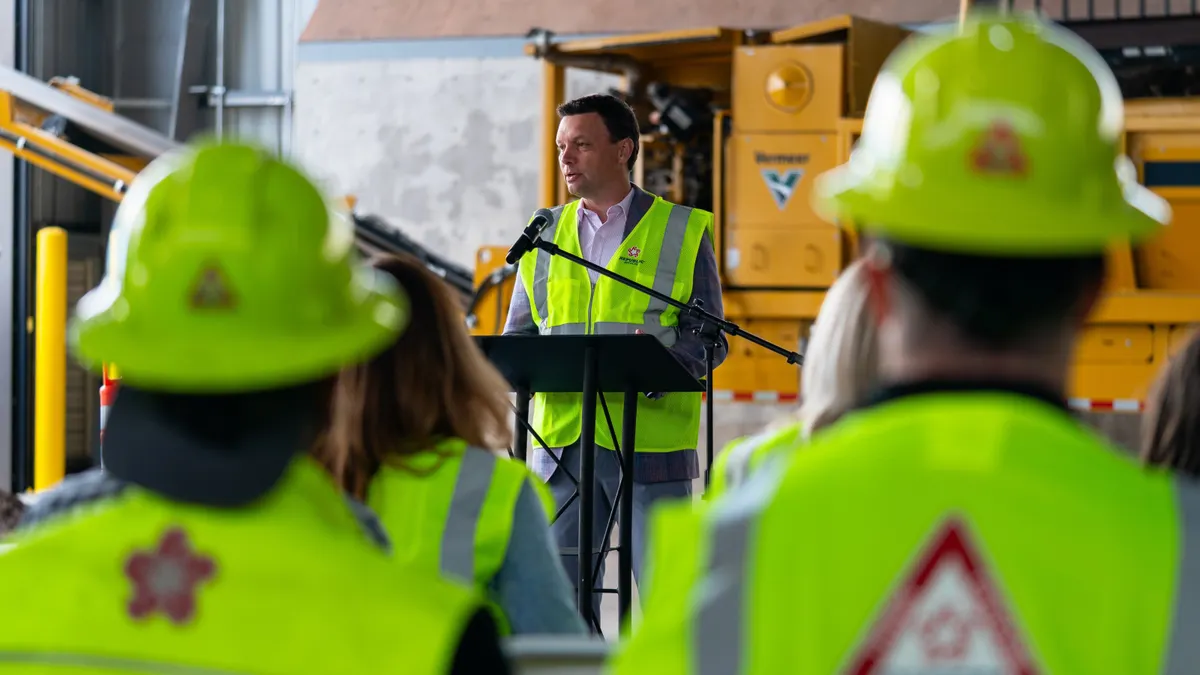
Republic Services is preparing to open an organic waste transfer station this week during a ceremony in Petaluma, California. The Sonoma County site is the latest addition to Republic’s portfolio of organic waste infrastructure, which is growing in response to regulatory pressure and customer interest.
This year, the company plans to add 355,000 tons of annual organic waste processing capacity via development projects. That would add significant volume to the 1.1 million tons of processing capacity the company reported in 2025.
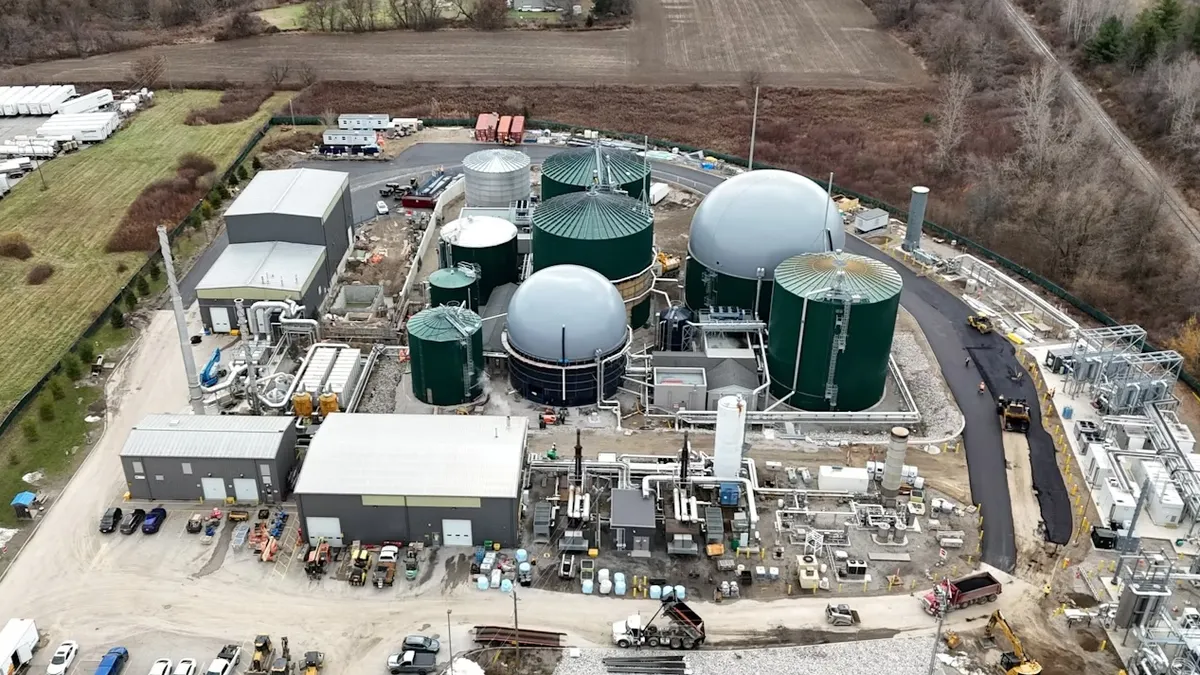
The company has already made progress at multiple sites. In April, it opened an organic waste transfer station near Denver. The 11,900-square-foot facility is located at Republic's Foothills Landfill on the west side of Denver, and will preprocess organic waste before transferring it across town to Republic's East Regional Landfill Compost Facility for processing.
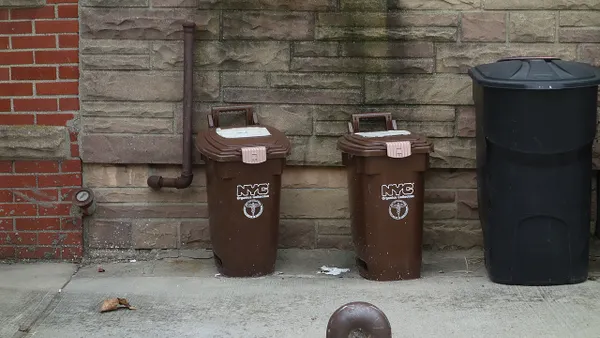
The project received support from the Colorado Circular Communities Enterprise, run by a state agency. It comes online as Denver implements its Waste No More ordinance, which requires multifamily buildings and food waste generators to provide organic waste collection services. The ordinance has already prompted M&A in the compost services market led by Laurel Mountain Partners.
The Waste No More ordinance was created after voters passed a ballot initiative demanding expanded collection services. Chris Seney, director of Republic’s organics program, said the final regulation supports the company’s organic waste diversion efforts in the state, though he noted consumer enthusiasm can play as much of a role as regulation in the business case for expanded organic waste infrastructure.
“I think it's just an overarching trend, and especially in Colorado,” Seney said in an interview. “I think about all my friends and people I know in Colorado, they want to do organics diversion. ... There's definitely a willingness to go down that path and to divert and go to composting. And that's a great thing.”
The equipment at the new preprocessing facility in Denver can handle up to 70 tons per hour, and the composting facility is currently managing about 30,000 tons of waste per year, Seney said. Both sites have room for expansion, which Seney said the company could take advantage of as demand continues to grow.
Seney said the infrastructure requirements for organic waste processing requirements are “very similar” to traditional recycling infrastructure, something in which Republic has also invested heavily in recent years.
“As organics grows, you always need a way to collect it. You need to process that. You have to remove contamination,” he said.
The Denver model takes after Republic’s strategy near San Diego, where the company built a composting site at its Otay Landfill in 2021 but soon needed an organics transfer station to help manage and preprocess material. Less than five years after it opened, the company also began working on an expansion of the Otay composting facility as organics tonnages increased.
Seney said Republic's network of transfer stations is one of its strengths as it expands its foothold in the organics processing markets. That's especially true in California, where a heavily franchised market and organics diversion requirement for residents mean that the hauler is often the party responsible for collecting source-separated organic waste from communities in the first place.
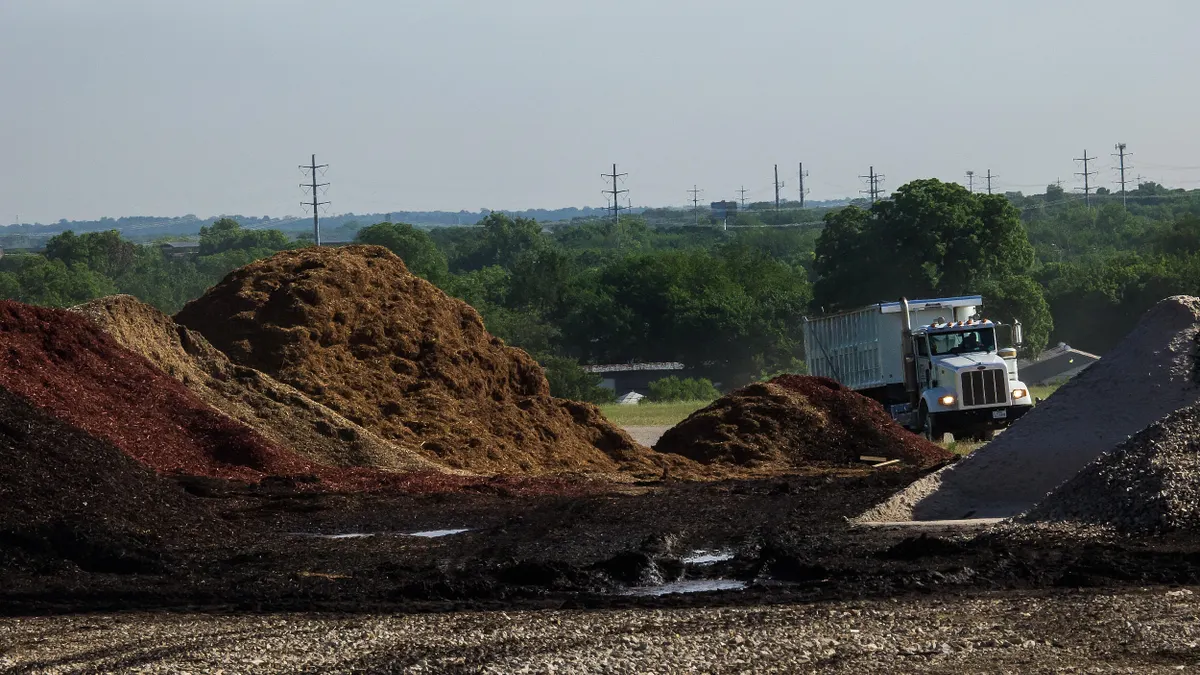
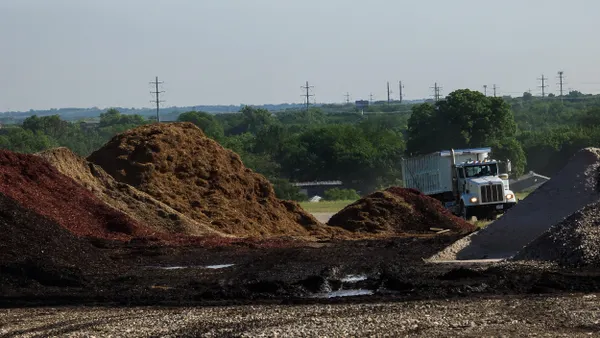
Across its California sites, Republic produces about 20,000 tons of compost each month, Seney said. That could soon expand: The company is building an addition to its Forward Landfill Compost Facility in Manteca, adding 52,000 tons of new composting capacity that would allow the site to process up to 95,000 tons per year.
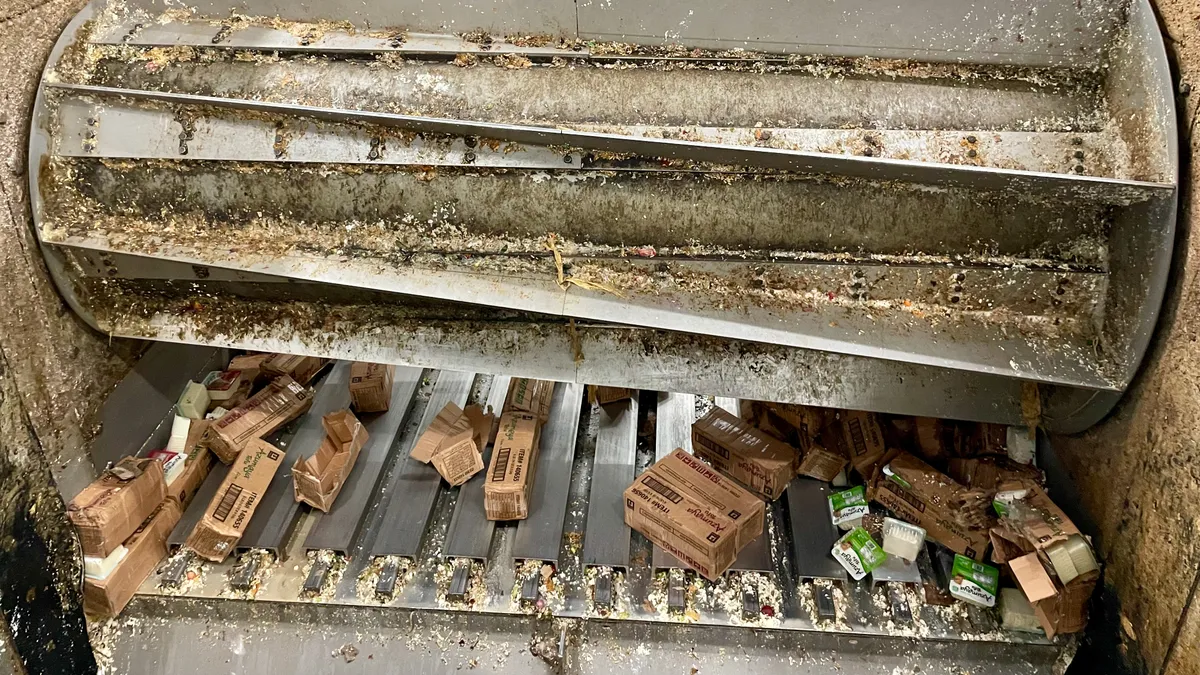
Even more significantly, the company is building a new, 60-acre composting facility at the site of a former dairy farm in San Bernardino, California. Once completed, Republic expects the site will process 300,000 tons of yard and food waste material annually, with the ability to double that throughput over time. The company plans to use depackaging technology at the site, which it envisions as a hub for its transfer stations across Los Angeles and Orange counties.
The company is taking a case-by-case approach to expanding its network of organics processing sites, Seney said. But he noted Republic has the advantage of operating experience across its portfolio that it can apply to new sites. That difference is notable for someone like Seney, who led his own composting company in California before joining Republic Services in 2018.
“Every one of these decisions is made on their own as a separate business case, separate pro forma. There’s quite a bit of thought that goes into any of these sites,” Seney said. “It was very difficult on my own, versus having a lot of support here.”