Updated PFAS destruction and disposal guidance, released by the U.S. EPA on Thursday, notes “promising” new research into the effectiveness of certain methods for destroying per-and polyfluoroalkyl substances, along with ongoing research gaps and areas of concern.
The EPA’s destruction and disposal guidance document, first published in 2021, summarizes the available research on three “widely used and commercially available” types of technologies: deep-well injection, landfilling and thermal treatments such as incineration. The document isn’t meant to endorse one method over another, the agency says, and it doesn’t establish regulations or requirements.
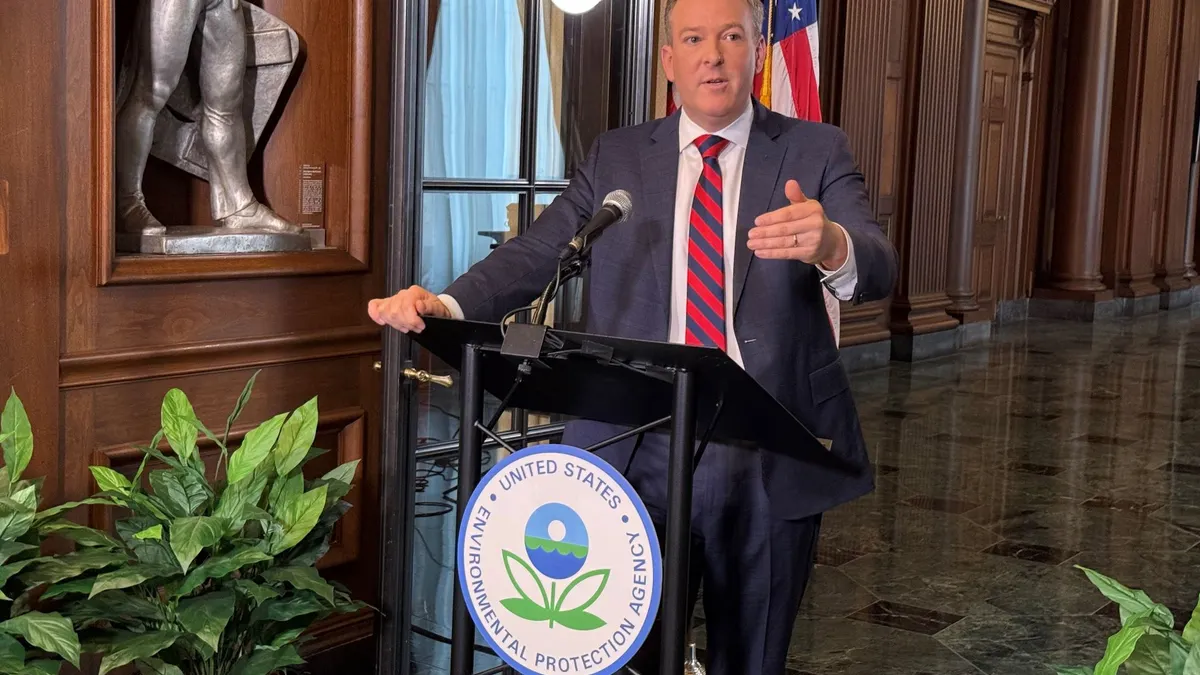
In 2025, EPA Administrator Lee Zeldin announced the agency would update the document annually instead of every three years, saying “we need to continue to research PFAS” both within the agency and outside EPA’s jurisdiction.
The newly published guidance says certain hazardous waste combustors could effectively destroy some types of PFAS. Yet it also highlights “unknowns” over emission control efficiency and other elements that need further study.
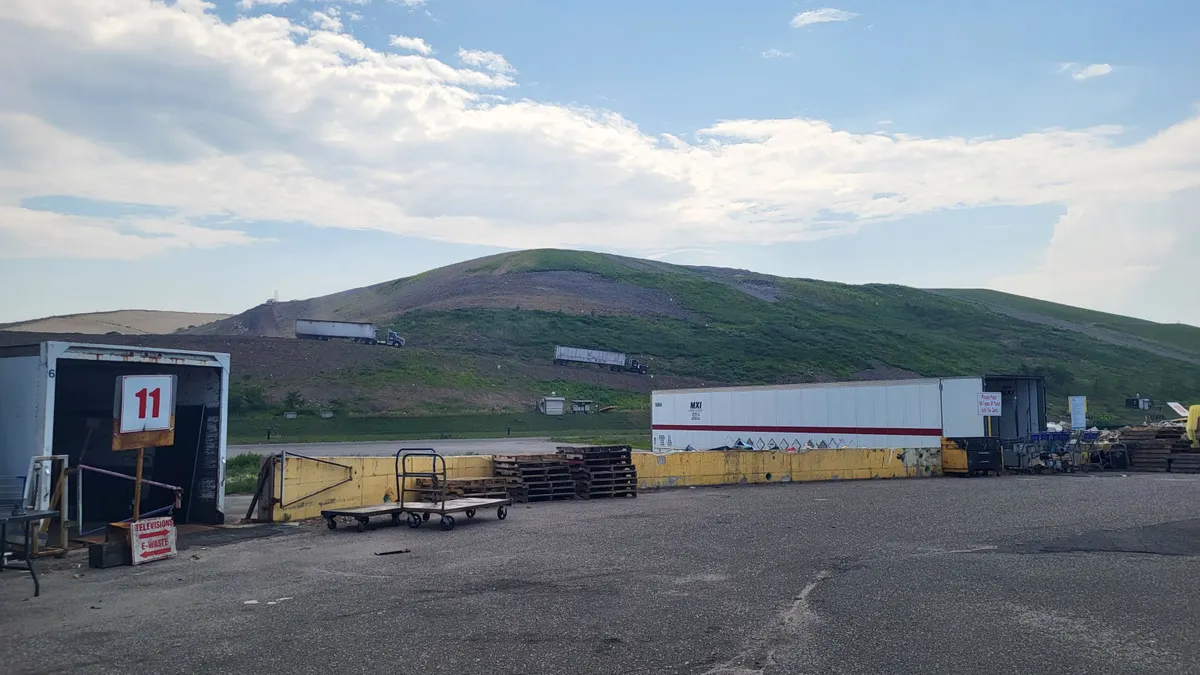
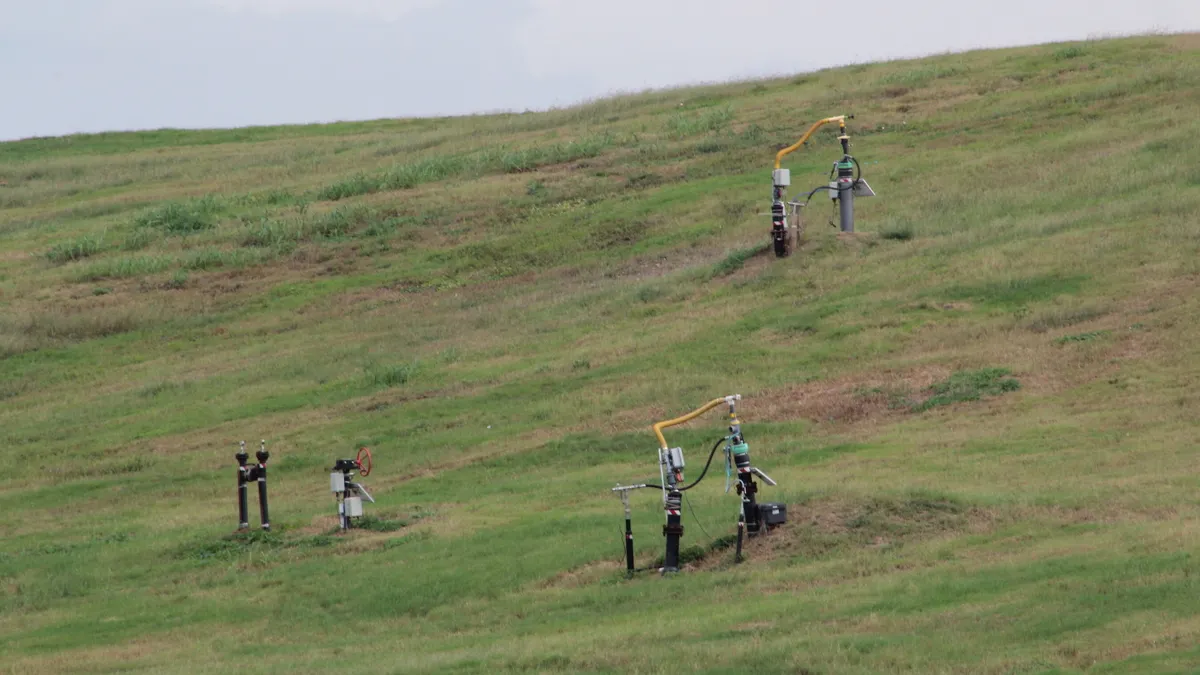
Meanwhile, landfills are likely releasing more PFAS to the environment than researchers previously thought in 2024, the document states. The agency recommends operators choose a hazardous waste landfill when “PFAS concentration of the waste is relatively high,” but notes that more research is needed into the possible pathways PFAS can take once inside any kind of landfill, such as through leachate or air emissions.
The EPA also notes that deep well injection can provide “reasonable assurance” that injected fluids will stay contained and won’t migrate into underground drinking water sources, but says there are a limited number of wells that receive off-site PFAS, and operators must also manage transportation logistics.
The agency will take public comment on the document for 60 days after it’s published in the Federal Register.
Waste industry groups generally follow updates to the guidance document but don’t consider it the final word on PFAS management. That’s because knowledge about PFAS is constantly changing as new research becomes available.
Some PFAS management companies, however, view the guidance document as a resource for waste facility operators to help navigate their options when budgeting and planning for PFAS mitigation efforts. Such companies say business is gaining momentum as state and federal research and interest continues.
Thermal treatment research updates
Certain permitted hazardous waste combustors, as well as certain granular activated carbon reactivation units, may be able to operate in a way that effectively destroys PFAS while also minimizing exposure to human health and the environment, the document said. But the EPA noted a lot of exceptions.
The agency noted “promising” new data on the ability to reach destruction efficiencies of up to 99.9999% for certain PFAS chemicals, such as results gathered from the previously-announced testing at Clean Harbors’ Utah incinerator and Veolia’s Port Arthur, Texas, facility, as well as data from a pilot-scale study at an EPA research facility.
Yet the document also stresses “not every unit currently operates at those conditions and those that do may not operate at those conditions at all times.” It also notes that most of the studies have focused on types of PFAS that are “easily transformed” by incineration, which the EPA sees as a major limitation in its overall research into how PFAS moves through incinerators.
EPA says it wants to continue collaborating with thermal treatment facilities to conduct air emission testing that could help fill in research gaps.
It’s also working on new research to better understand whether PFAS are being released into the air during PFAS destruction and plans to take more measurements from certain waste streams, as well as from stack and fugitive emissions.
For example, future research could help determine whether “harmful products of incomplete combustion or PFAS air emissions are formed by units operating at lower temperatures, like municipal waste combustors,” the agency said. EPA is working with Reworld on a project to evaluate this from a municipal waste-to-energy operations perspective.
EPA is also interested in gathering more data on whether PFAS could be present in secondary waste streams like fly ash and scrubber blowdown, it said.
In the meantime, the guidance document encourages incinerator testing “with a range of methods” before a facility begins accepting large quantities of PFAS-containing materials.
The 2026 document also delves into newer research on the possibilities for using sewage sludge incinerators for PFAS treatment, but notes that there is “substantial variation” in these incinerators’ design and operating conditions. There’s currently not enough data to determine the overall efficacy of SSIs in treating PFAS, the agency said.
The document also highlights recent studies on the opportunities and limitations of carbon reactivation furnaces and thermal oxidizers, noting variations on how these types of facilities operate and the limited data in determining under what operating conditions these methods could potentially destroy PFAS.
Landfill research updates
When EPA released its previous version of the guidance document in 2024, it noted that landfills release more PFAS to the environment than previously thought. It reupped that sentiment in the 2026 report.
“PFAS will not break down under the environmental conditions found inside a landfill; consequently, PFAS will persist in landfills for the life of the compounds,” EPA wrote. ”Since landfills are a containment rather than destruction method, landfills will emit volatile and soluble PFAS as long as [landfill gas] and leachate generation continue.”
EPA recommends landfills adopt engineering controls designed to minimize PFAS releases. This includes installing low-permeability liners and gas collection systems before a landfill considers disposing biodegradable PFAS-containing waste.
Certain types of PFAS-containing materials can break down more easily in landfill conditions, the report states, and that can affect soluble PFAS that are commingled with biodegradable waste. EPA recommends landfills have a combination of both liquid and gaseous emissions controls, such as leachate collection and gas controls, to target these PFAS, EPA said.
Since Subtitle C hazardous waste landfills are already required to have some version of these controls, the 2026 update states a preference for operators to choose these types of landfills when waste has a “relatively high” concentration of PFAS.
EPA acknowledges that most Subtitle D landfills for municipal solid waste can help contain PFAS because of their flexible membrane liner systems and leachate control systems, but some smaller MSW landfills that accept less than 20 tons of waste a day are exempt from certain groundwater monitoring or do not have gas collection systems, creating gaps in PFAS containment strategies, it said.
The document offers details on landfill gas emission control options, as well as updated details for how landfill operators can consider monitoring for or managing PFAS in leachate, either on site or before it’s taken to a waste water treatment plant.