Dive Brief:
- The U.S. House of Representatives passed its draft of the farm bill on Friday. The legislation sets the budget for the U.S. Department of Agriculture, and is typically passed every five years, though this installment is three years late.
- A last-minute amendment to the bill designated composting as a conservation practice under USDA standards, which could unlock expanded federal benefits for the industry. Several provisions backing food loss and waste diversion policy, as well as biogas programs, remained intact.
- The Senate has yet to introduce its own farm bill draft this year, though the Senate Agriculture Committee may start the process in late May or early June, Agri-Pulse reported. While the farm bill process has become contentious, its food waste provisions have typically received broad support in Congress.
Dive Insight:
The most recent 2018 farm bill became a vehicle for significant food waste policy, establishing the food loss and waste reduction liaison position and a pilot establishing the Composting and Food Waste Reduction cooperative agreement program. In the years since, food waste reduction advocates have latched onto the next farm bill as a vehicle for expanded policy support.
The current iteration of the farm bill was passed out of committee in March. It includes several provisions solidifying support for food loss and waste reduction efforts within the federal government. That included making the CFWR program permanent and requiring the liaison to submit an annual report to Congress on their work. It also included instructions to study microplastics and per- and polyfluoroalkyl substances on farmland, as well as to study food loss and waste.
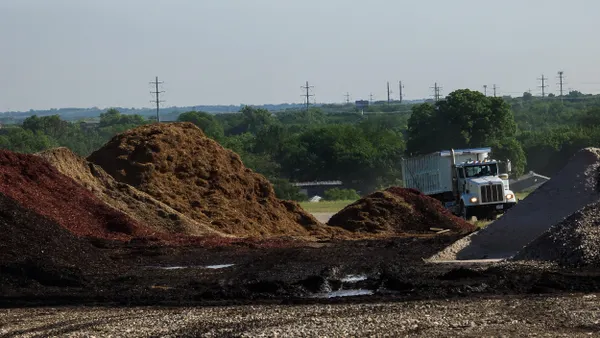
Rep. Julia Brownley, D-Calif., also introduced an amendment approved on the House floor that bolsters the connection between composters and farmers. Specifically, it ensures compost is considered a soil carbon amendment under USDA rules, allowing farmers to receive reimbursement from the federal government if they use it as part of a conservation plan.
While this reimbursement had been possible in the past in some cases, compost was not explicitly written into the rules and could be prohibited by future agency decisions, according to Linda Norris-Waldt, executive director of the U.S. Composting Council.
The need for explicit language was the impetus for the Cultivating Organic Matter through the Promotion Of Sustainable Techniques (COMPOST) Act when it was first introduced in 2020, she added. Lawmakers added language to subsequent iterations of the COMPOST Act which proposed new funding for compost projects of all sizes, but that added funding proposal did not make it into this year’s House-passed farm bill.
Having the provision in the farm bill is “very important” for the composting industry, Norris-Waldt said in an emailed statement. “Providing compost to Americas working farmlands is a key component of restoring soil health in the U.S.,” she said.
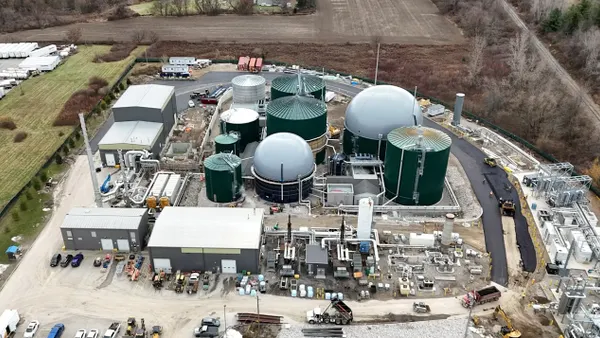
The farm bill also included provisions expanding the Rural Energy for America Program, which has been sidelined by the Trump administration over the last year but funded projects like anaerobic digesters on farmland that can codigest food waste and livestock manure. The draft raises the maximum loan guarantee allowed under REAP from $25 million to $50 million, and includes new language instructing the USDA to fund a diverse range of projects through the program, among other tweaks.
The Zero Food Waste Coalition, a group that includes Refed, the Natural Resources Defense Council and the World Wildlife Fund, had advocated for even greater support for federal food waste efforts than what was in included in the House farm bill draft. That would have included additional funding for grant programs and an expanded Food Loss and Waste Reduction Office which would add staff and greater coordination between federal agencies on such efforts.
“The Farm Bill passed by the House includes a handful of provisions making progress on food waste reduction,” Kumar Chandran, policy director at Refed, said in an emailed statement. “At a time of high input prices and food costs, smart policies to reduce food waste can help farmers capture more revenue and consumers save money. We look forward to working with the Senate to build on this momentum around food waste reduction.”
Food waste reduction advocates have continued their advocacy around other legislation as well. Last week, the House Energy & Commerce Committee held a hearing on food regulation and oversight which included discussion of the Food Date Labeling Act. The bill, which has been submitted to Congress multiple times, would standardize “best by” language on food packaging across the country, which advocates say would provide better clarity on expiration dates for consumers.
Advocates said they would continue to advocate for key programs as the Senate debates its version of the farm bill, including funding for the CFWR program.