Gold Medal Environmental may not be as outspoken as other private equity-backed waste companies, but it’s now similarly focused on growth after multiple years of a complex turnaround plan.
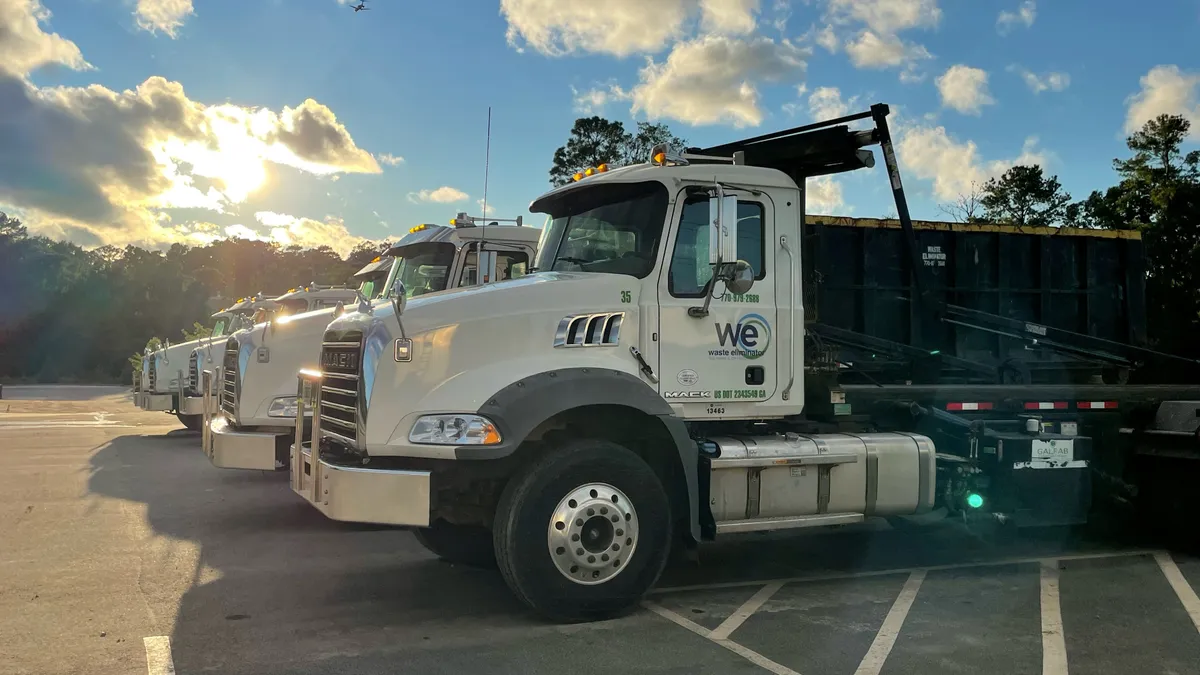
The company’s combined assets employ more than 600 people, operate a fleet of approximately 365 vehicles and generate nearly $200 million in annual revenue. This includes two transfer stations, one MRF and several hauling locations that service the District of Columbia, Maryland, New Jersey, Pennsylvania, Virginia and West Virginia.
The Maryland-based company recently elevated John Doyen from president and COO to CEO. Former CEO Darren Gruendel shifted into an executive chairman role, as part of a broader update to the executive team.
Tyler Kraft is joining the company as COO, following time in the same role at Star Waste Systems (before it was sold to Casella Waste Systems) and various other roles at Republic Services. Marc Scott recently joined as chief revenue and growth officer, following stints at Rehrig Pacific, Republic and other industry companies.
Gruendel said during a recent interview that this new era of growth followed a period of “strategic retreat,” fixing operational challenges and improving margins.
“That meant going slower when it came to acquisitions,” he said. “We are 100% the other way now.”
After a period of divestitures, including select assets to Republic Services in the Philadelphia market and Suburban Disposal in New Jersey, Gold Medal has once again become an acquirer.
In April, it acquired a company based in the Frederick, Maryland, area that provides service from Baltimore to parts of Virginia. Gold Medal declined to name the company. Sources indicate it was J&J Trash Service, which operates more than 50 vehicles according to federal records.
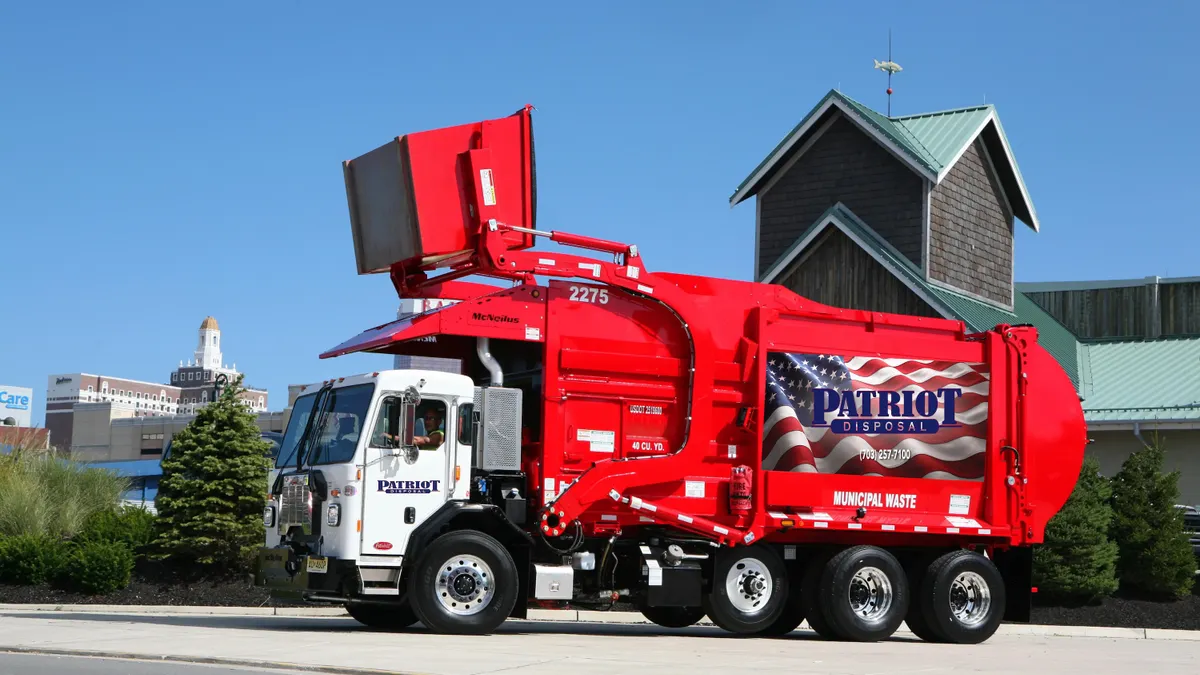
This followed the 2024 purchase of Virginia-based Patriot Disposal, a company doing an estimated $40 million in annualized revenue. Patriot came with a fleet of about 70 trucks and a transfer station in Manassas Park.
Going forward, Gold Medal plans to rebrand under the Patriot name as Gruendel says it has “a great brand and a great culture.”
This growth continues to be backed by private equity firm Kinderhook Industries, which purchased Gold Medal Services and Apple Valley Waste in 2018 to create the Gold Medal Environmental platform. West Virginia-based Apple Valley will still operate under its own name.
Gold Medal initially did a string of acquisitions in 2019, but paused that expansion as it worked to untangle various financial and operational challenges inherited from prior leaders. This also included involvement with the now defunct company BioHiTech Global and its subsidiary Entsorga West Virginia, which operated a mechanical biological treatment facility that has since closed and moved to county ownership.
Gruendel, who has a background in corporate turnarounds, was hired in 2020. Doyen, who previously worked at Republic and other companies, joined in 2021.
“Once we solved the issues that we had in the markets we had, there's great opportunity here,” said Gruendel.
Kinderhook reinvested in the overall Gold Medal Environmental platform in late 2023 via a broader $1.3 billion continuation fund capitalized by AlpInvest Partners, a subsidiary of Carlyle. This fund, which covered nine of Kinderhook’s portfolio companies at the time, included $300 million of unfunded capital for growth and acquisitions.
Earlier this year, Kinderhook also closed a $1 billion continuation vehicle transaction that combined multiple assets into the new platform Ecowaste Solutions in a separate market. During a panel at the recent Waste Leadership Summit, Managing Director Sam Keenan said the firm views this continuation approach as a “a real opportunity to create the bridge” to help grow promising companies in its portfolio.
Gruendel said the Patriot deal was a good fit for their first acquisition in years for multiple reasons.
“Part of the strategy was to go big versus lots of small [transactions], just based on deal efficiencies and everything else. Plus, it was the largest available player in a wildly open and great, mature market,” he said.
Patriot founder John Poague was known in part for pursuing the homeowner association market when other companies decided to eschew that type of residential work.
“HOAs can be sort of instant density. So you can make non-residential margins in there if you are good with your dispatch planning and routing and everything else,” said Gruendel. “That business was built on a market that everybody else thought was not worth going after.”
Looking ahead, under Doyen’s leadership, the company sees lots of potential to grow in Patriot’s operating region. This could involve new post-collection assets, either transfer stations or landfills, in markets such as Virginia and Pennsylvania.
The company is also exploring opportunities to potentially upgrade its Apple Valley MRF, drawing on Kraft’s experience with recycling facility operations.
As part of this growth, Gold Medal has also been staffing up in other roles, including operations managers and executive leadership.
Greg Awitta joined as vice president of human resources last year and has helped take what Gruendel described as a more strategic approach to HR. This is one of multiple improvements in recent years to make the company’s organizational structure, routing strategy and pricing structure more efficient.
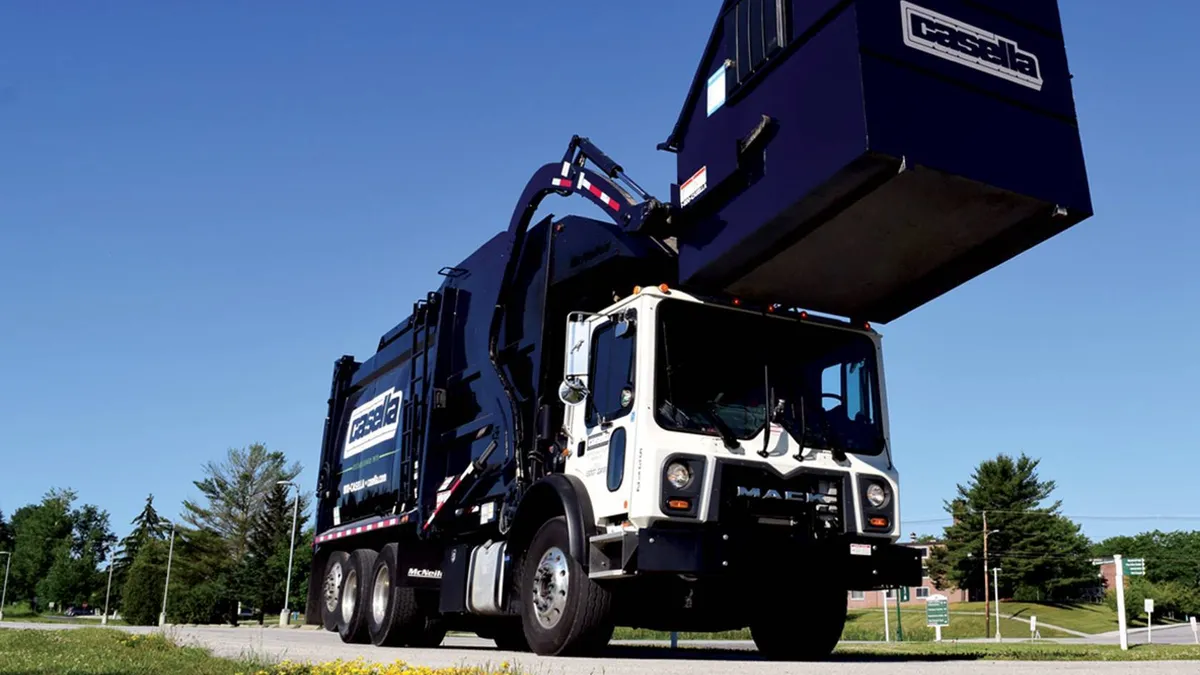
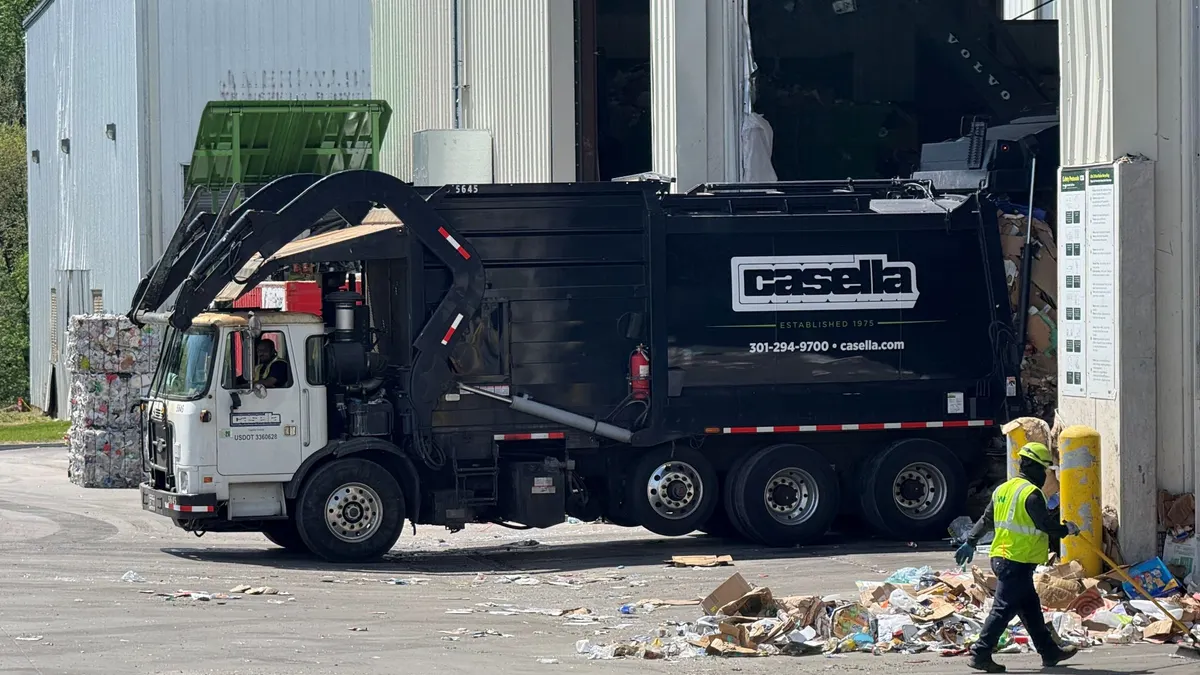
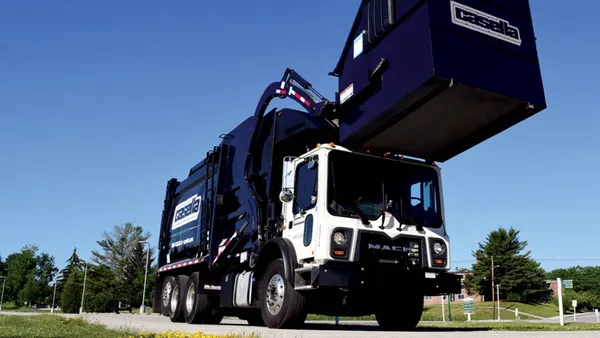
Gold Medal’s growth comes as the market is also seeing newer competition in the mid-Atlantic from the likes of Casella, but Gruendel said the company isn’t concerned.
“I don't think the new entrants in the market are causing any challenges, so long as you can get the team of people that can go out and meet the customer,” he said.
He previewed plans to focus on Virginia in particular as a hub, but sees room for acquisition and expansion throughout the region.
“Manassas is going to be a real target of growth for us. There are a bunch of opportunities in the full range, from little tuck-ins to lateral moves in that area, and even some pretty interesting stuff for vertical integration,” he said. “The area right around D.C. on the I-81 corridor is incredibly attractive and buzzing with growth, both residential and commercial.”