This article is part of a series about the 50th anniversary of the Resource Conservation and Recovery Act.
As more lithium-ion batteries and solar panels reach end of life each year, some recyclers are asking for new federal regulations to keep up with the proliferation of — or the possible dangers of — these emerging waste streams.
The U.S. EPA is considering updating the Resource Conservation and Recovery Act to establish distinct universal waste rules for solar panels and lithium-ion batteries. The goal is to offer more specific regulations for how to safely manage materials that are currently languishing in a regulatory grey area.
The EPA’s universal waste designation is meant to make collection and storage easier than what the process would be like under more strict hazardous waste rules. In general terms, handlers of universal wastes don’t need to meet the same regulatory and paperwork requirements as hazardous waste, such as providing a manifest or obtaining a certain permit. Universal wastes may also be stored for longer periods or at higher volumes.
Ubiquitous items like batteries, pesticides, lamps and mercury-containing equipment are managed as universal waste, and aerosol cans were most recently added in 2019.
Proponents say a specific universal waste designation for lithium-ion batteries and solar panels could make regulatory pathways more straightforward, which could in turn make recycling safer and help the industry collect more material, including critical minerals.
In 2023, EPA first announced it planned to introduce a draft rule encompassing both lithium batteries and solar panels, but that has not yet been published. The EPA’s unified agenda currently lists the estimated final rule date for August 2027.
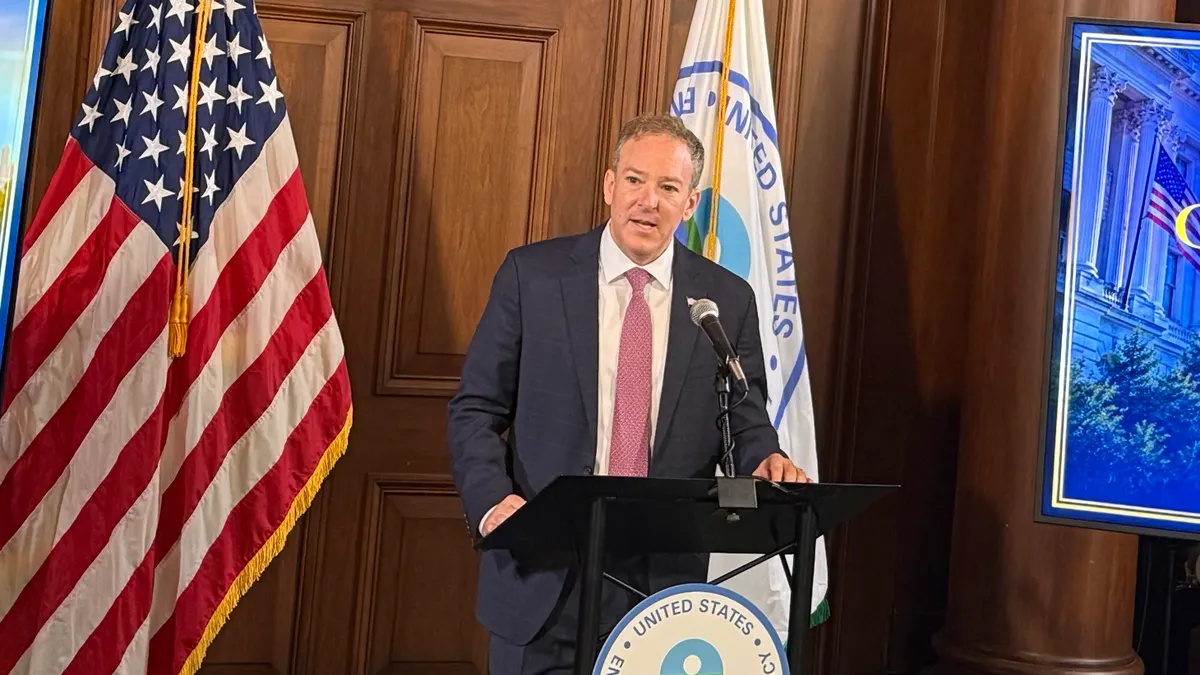
EPA officials told participants at the Association of State and Territorial Solid Waste Management Officials’ annual meeting in Virginia last week that a draft rule was still in the works and might be published sometime in the spring for public comment.
“Our focus is getting the rulemaking out as fast as we can within our process,” said Kathy Lett, an EPA environmental protection specialist in the agency’s RCRA office, during the meeting.
Lithium-ion battery management rules versus reality
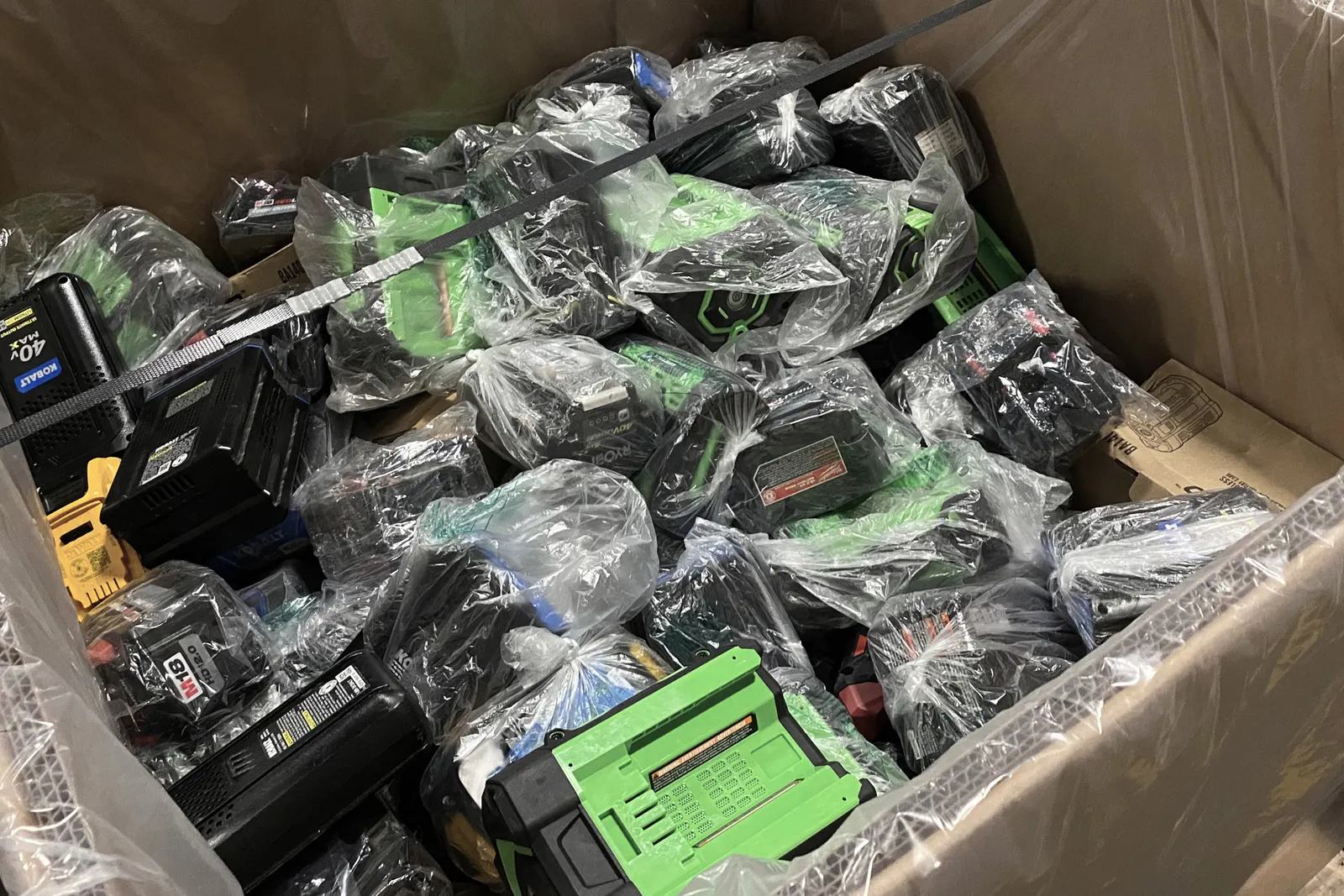
Relevant battery management regulations were made around 30 years ago, before lithium-ion batteries became common. The regulations were “mainly designed for lead-acid batteries,” said Eric Frederickson, vice president of operations at The Battery Network. “Those provisions are clearly not talking about lithium-ion batteries.”
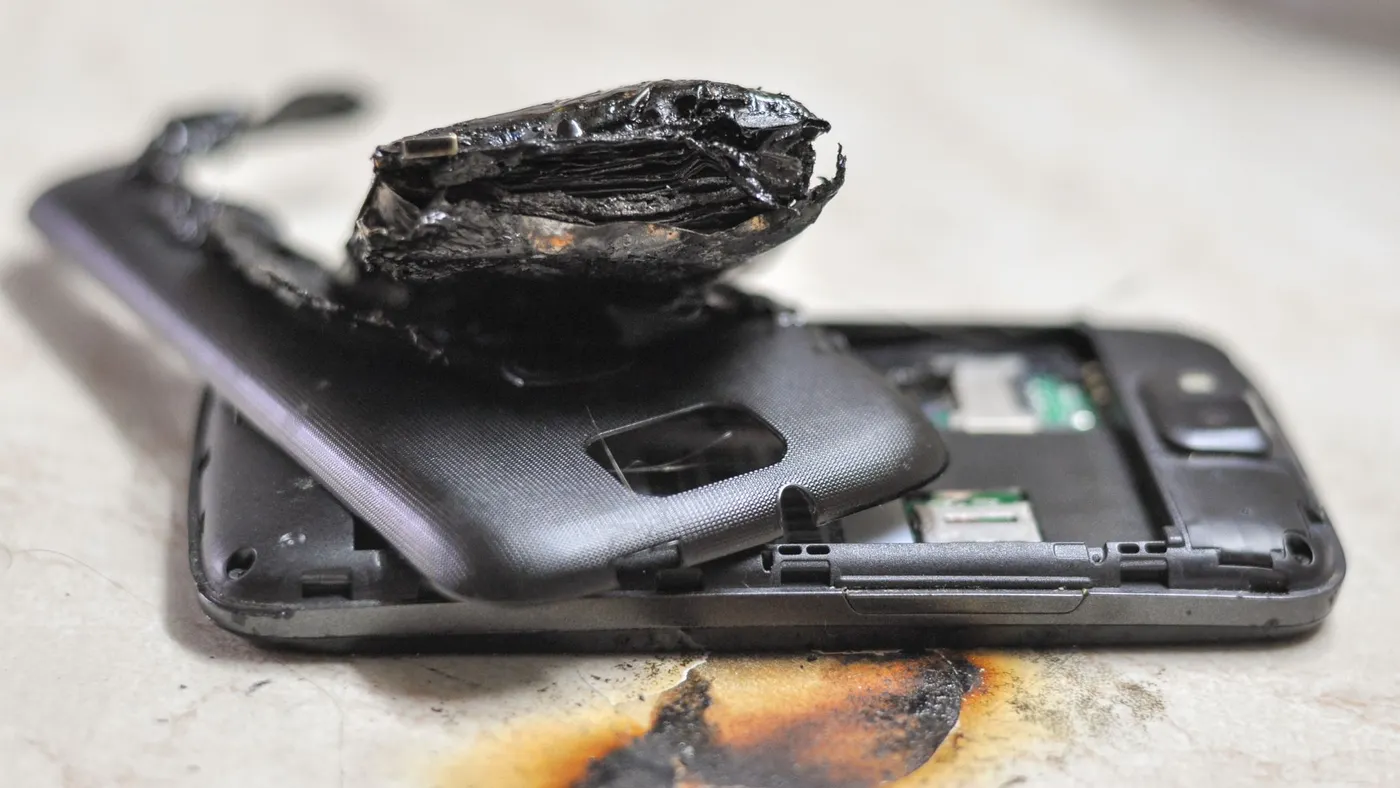
Lithium-ion batteries can store high amounts of energy in a format that’s smaller and lighter than most other types. But these same qualities can make them dangerous to handle or store if not properly managed because of their risk of starting fires.
The EPA considers most end-of-life lithium-ion batteries to be hazardous waste, but unofficially allows these spent batteries to be managed under RCRA’s more general, streamlined universal waste rules.
However, EPA still expects those batteries to end up at a permitted hazardous waste recycler or permitted treatment, storage or disposal facility.
That position isn’t written into RCRA. Instead, it’s in a 12-page guidance memo written by EPA in 2023. In it, the agency says universal waste standards already cover batteries with lithium chemistries. It’s a document some recyclers and waste groups say is a stopgap measure in the absence of a specific RCRA regulation.
Robin Wiener, president of the Recycled Materials Association, said it’s common for EPA to issue memos, clarification letters and FAQ documents in response to questions from industries or associations.
She described this guidance as “relevant but nonbinding,” which is why the recycling industry typically seeks regulatory changes that have a more permanent effect. Such changes can also offer clearer guidance to states, she said.
So how are recyclers and collection programs currently handling end-of-life lithium-ion batteries?
“It’s a little bit all over the place,” said Kristyn Oldendorf, senior director of public policy at the Solid Waste Association of North America. SWANA, along with the National League of Cities and the U.S. Conference of Mayors, called for universal waste regulatory reform in a memo to the EPA in 2024. The National Waste & Recycling Association is also monitoring the EPA rulemaking process.
Some of SWANA’s members include municipalities that host community collection events or manage a drop-off site. These municipalities typically aren’t responsible for transporting or recycling those batteries. But they often have questions about collection strategies, she said.
“I see a lot of different ways for how lithium-ion batteries are handled on site. Sometimes they're manually taping the ends. Sometimes they have a specialized collection bucket. The labeling varies,” she said. “Everyone's doing their best to safely handle the batteries, as far as storing them and how long they're storing them. But it doesn't seem like there's really clear regulations on how to do that.”

Another grey area in current RCRA standards is how to manage the batteries once they’re collected.
Sometimes, damaged or broken batteries can still be handled as universal waste, but sometimes they must be managed as hazardous waste if there’s a “breach in an individual cell casing,” according to the EPA memo.
That puts the onus on recyclers and generators to assess batteries and pick whether they’ll send a load as universal waste or if they’ll follow the stricter hazardous waste regulations, Frederickson said.
Storage is also an ambiguous area of RCRA’s current universal waste regulations, according to members of ASTSWMO’s battery working group. That group supports the creation of lithium-ion-specific rules under RCRA’s universal waste rule.
Hazardous waste storage permitting under RCRA can be costly, so some recyclers and secondary handlers store spent batteries using universal waste handler provisions, which allow storage for one year.
However, ASTSWMO believes these universal waste rules lack safety standards specific to lithium-ion batteries’ tendency to catch fire. There’s currently minimal regulatory safety oversight because universal waste rules aren’t written for that kind of fire danger, the group wrote in a July position paper, which was based on a survey of officials in 45 states.
“EPA should adopt universal waste regulations designed to minimize the threat of fires and the subsequent spread of fires at facilities that store lithium batteries,” the group wrote.
The group advocates for a few universal waste provisions that would require specific non-combustible storage containers and rules for how facilities are set up to handle fires. The group also proposes that handlers which accumulate lower quantities under the 11,000-pound threshold for universal waste should still notify regulators, allowing for inspectors to track whether their site may become a higher-risk location.
Oldendorf said the industry also hopes for rules that clarify responsibilities and add necessary safety features, but without also adding burdensome requirements for facilities that weren’t designed to store high volumes of batteries.
“A MRF is not designed to be accepting lithium-ion batteries, but they're getting in there,” she said, and that means MRFs sometimes have to store batteries for a short period of time before they can be safely collected.
“We don't want it to be so overly regulated that you now need to get a special permit and all the special equipment and everything when you don't even want the batteries in the first place,” she said.
Clearer regulations for lithium-ion batteries under RCRA could also have the indirect benefit of reducing fire risk, Frederickson said.
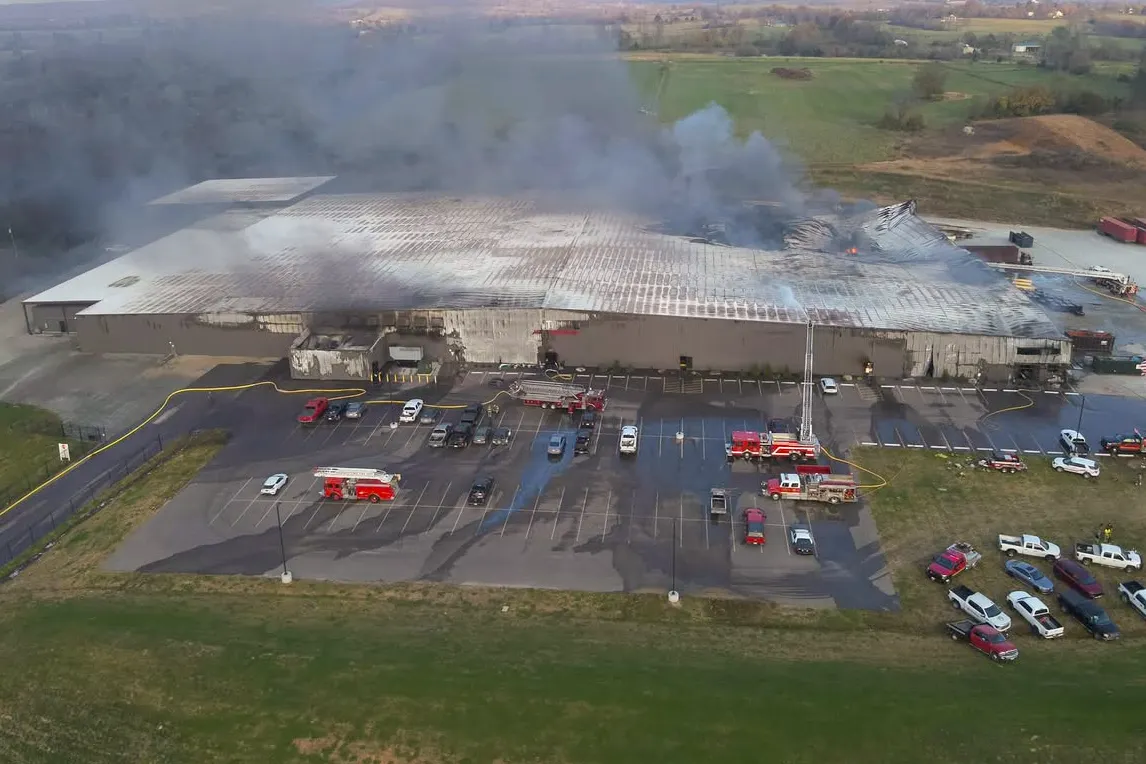
Lithium-ion batteries are already responsible for numerous MRF and waste facility fires each year. A new universal waste rule wouldn’t eliminate that fire risk, Frederickson said, but it could help get batteries out of waste streams in the first place by offering clearer regulatory pathways.
Without specific end-of-life rules for lithium-ion batteries, regulators must take an ad-hoc approach to monitoring the transportation, storage and management of batteries on a state by state basis. Tailored federal rules could help establish a more level playing field for handlers and recyclers, ASTSWMO said.
This could also help encourage stronger collection networks that divert batteries away from MRFs while also spurring investment in recycling and other needed infrastructure, the organization said. ASTSWMO estimates only about 5% of lithium batteries in the U.S. are recycled.
“Without a clear regulatory framework, industry will not invest in this critical recycling infrastructure.”
Shedding light on solar panel recycling regulations
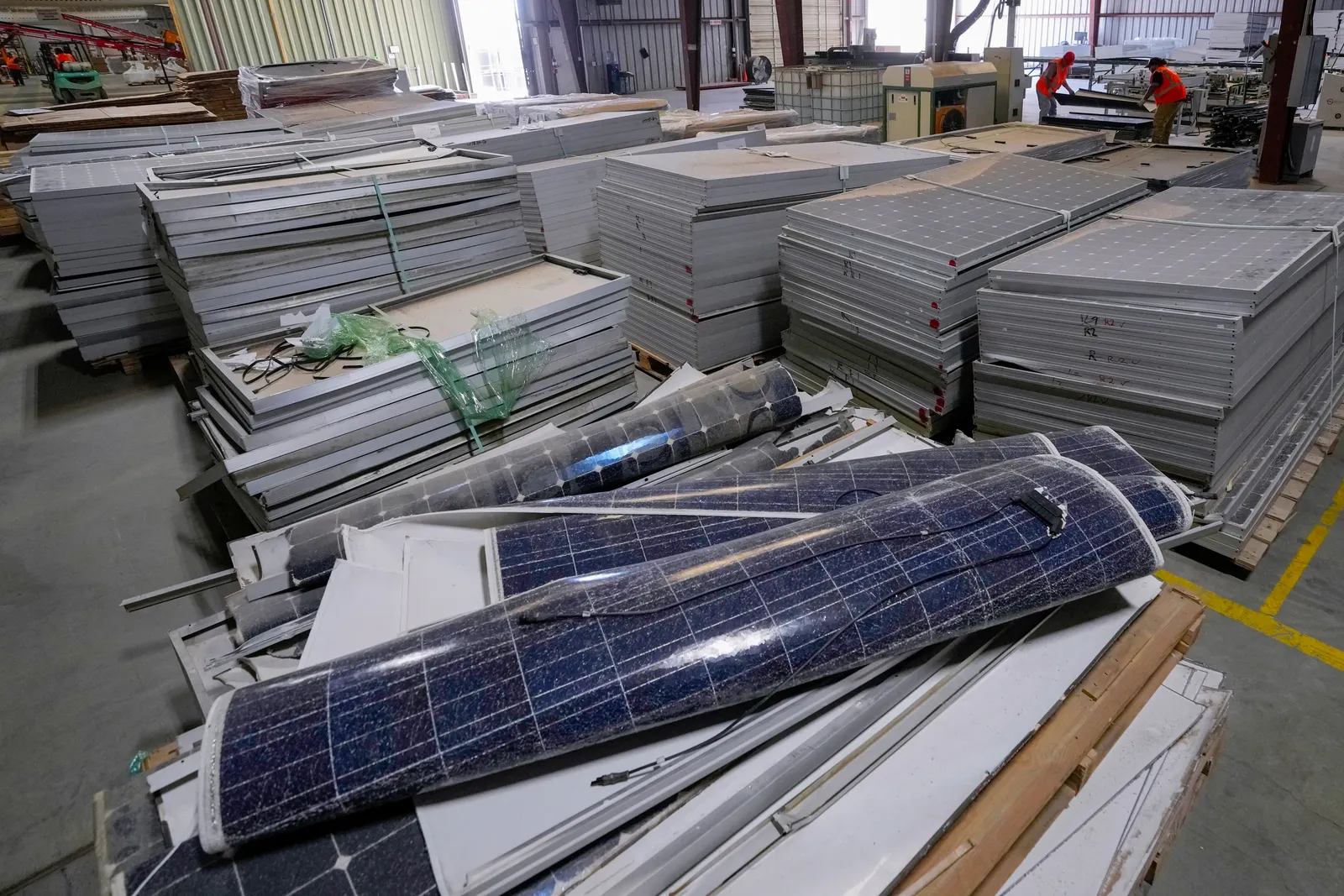
Meanwhile, solar panel recyclers are advocating for their own set of changes to RCRA. They say the existing law isn’t designed to handle the upcoming surge of solar panels approaching end of life.
The way solar panels are managed varies widely by whether they contain hazardous metals or not, as well as who’s considered the “generator” of the solar panel waste. Some types of solar panels can be managed using RCRA’s universal waste rules, but only if specific requirements are met.
Some proponents, including a coalition of power company groups and recycling organizatons like ASTSWMO and SWANA, want solar panels to be broadly managed under the universal waste category. They say the existing rules can be confusing and don’t match the reality of how solar panels are currently recycled.
Putting all solar panels under universal waste designation would also make collection and storage requirements more realistic and help support recyclers, they say.
EPA agreed to consider a possible universal waste standard for solar panels after a 2021 petition from a coalition of power and manufacturing groups called for regulations that better fit the needs of the industry.
Solar panels are generally considered hazardous waste under RCRA. If these end-of-life panels come from a commercial, industrial, or “utility-scale” source, they must be evaluated for toxic materials such as lead and cadmium. If those metals are present above a certain threshold, the panel is classified as hazardous waste and must be managed under RCRA Subtitle C. But if it passes the testing process, it can be considered non-hazardous solid waste.
Yet groups like ASTSWMO say the amount of hazardous materials could vary widely from panel to panel, even from the same model and manufacturer. That could mean testing every panel separately, a process some participants at the ASTSWMO annual meeting last week said was time-consuming and sometimes frustrating when a region has limited sources.
Designating solar panels as universal waste could remove or ease the requirement to test every batch prior to collection, thus speeding up the recycling process, proponents say.
Streamlined universal waste rules could also improve solar panel recycling systems in other ways, according to the petition from energy industry groups. It could allow solar panels to be stored for up to a year instead of the strict 90- to 180-day limits currently set by hazardous waste regulations, allowing recyclers to collect enough panels to coordinate bulk transports and make overall recycling volumes more economically viable.
Recyclers also hope better regulatory certainty will help spur more stable investments in the solar industry and reduce regulatory bottlenecks that can make it hard for existing recyclers to operate.
“A lack of an established recycling market for end-of-life solar panels means that a majority of these materials end up in municipal landfills,” SWANA and municipal groups wrote.
Power companies who sent the 2021 petition are also hoping more streamlined regulations could lower their costs.
States like California and Hawai’i already regulate solar panels as universal waste. Experts say this could provide some examples of how a federal universal waste category could look in practice. But these “patchwork” state rules also contribute to solar panels being regulated unevenly across the country, contributing to higher costs for some utilities and instability in the solar panel recycling industry, they said.

Looking ahead: critical minerals and federal bill influences
Proponents of RCRA updates for both batteries and solar panels say there’s a growing sense of urgency to modernize these rules.
Battery recyclers say fire incidents are growing more and more common. Solar panel recyclers say there’s a growing tide of solar panels expected to be retired soon, and regulatory uncertainty could drive more of these panels to landfills.
Some waste and recycling groups have urged EPA to work more quickly on a rule that the agency announced almost three years ago. State and local officials echoed that sense of urgency during ASTSWMO’s annual meeting last week.
Frustrations over the long wait for a draft rule have also prompted federal elected officials to step in.
Rep. Mariannette Miller-Meeks, R-Iowa, introduced the Battery Recycling for America's Competitive Economy Act, which aims to compel the EPA to finalize rulemaking on lithium-ion batteries as a category of universal waste under RCRA within 18 months of the bill’s passage. It passed the House on Sept. 15.
Broader geopolitical factors could also influence the journey to update universal waste rules for lithium-ion batteries and solar panels due to the critical minerals these items contain.
The federal government in recent years has made it an economic and manufacturing priority to boost U.S. domestic supply chains for critical minerals used in electronics, batteries and magnets. That’s mainly because countries like China corner the market on certain minerals used to make those items.
That conversation has picked up speed recently due to tariffs and the war in Iran, which has strained supply chains for some industries. Those factors have also prompted lawmakers to introduce other legislation, including a bill to formalize a national critical minerals recovery strategy.
During a House hearing in July, Rep. Miller-Meeks said battery handlers and recyclers have “wrestled with a lack of clarity and confusion surrounding current regulations.” She argued that outdated RCRA rules “have made it harder for American recyclers to compete” with China in the critical minerals arena.
Clearer RCRA rules might help address efforts to divert more batteries for recycling and help boost recycling efforts, which could more efficiently feed the U.S. demand for critical minerals contained inside the batteries, Frederickson said. He described lithium-ions as an “incredibly rich secondary feedstock source” for critical materials.
Some generators are managing lithium-ion batteries as hazardous waste but not under universal waste rules, he said. The challenge with that pathway is that those batteries might end up being sent for hazardous waste incineration instead of being considered for recycling.
“At that point, the nickel, the cobalt, the manganese, the copper and the lithium are all removed from the critical material supply chain,” he said.
Solar panels are also considered to have a range of valuable materials including silver, tellurium and indium, “among other valuable materials,” according to the solar industry petition.
The EPA itself has drawn the connection between more straightforward recycling efforts and more robust critical minerals recycling, noting in its lithium-ion battery memo that safe recycling “conserves the critical minerals and other valuable materials that are used in batteries and is a more sustainable approach than disposal.”
Senior Visuals Editor Shaun Lucas and Managing Editor Cole Rosengren contributed to this story.
This is the third in a series of stories about the 50th anniversary of RCRA. We’re offering the Waste Dive community a behind-the-scenes look at how our RCRA coverage has come together and an opportunity for a live Q&A with the team. Register here for the exclusive event on Nov. 19.