Highlights:
- Apple has voluntarily removed its Mac products from the Electronic Product Environmental Assessment Tool (EPEAT) registry raising concerns that recycling of its new products is too difficult to meet standards
- Apple, which helped define the EPEAT standard, has not publicly commented on the decision.
- Outside observers believe that it is due to the fact that new Apple products do not meet the standard.
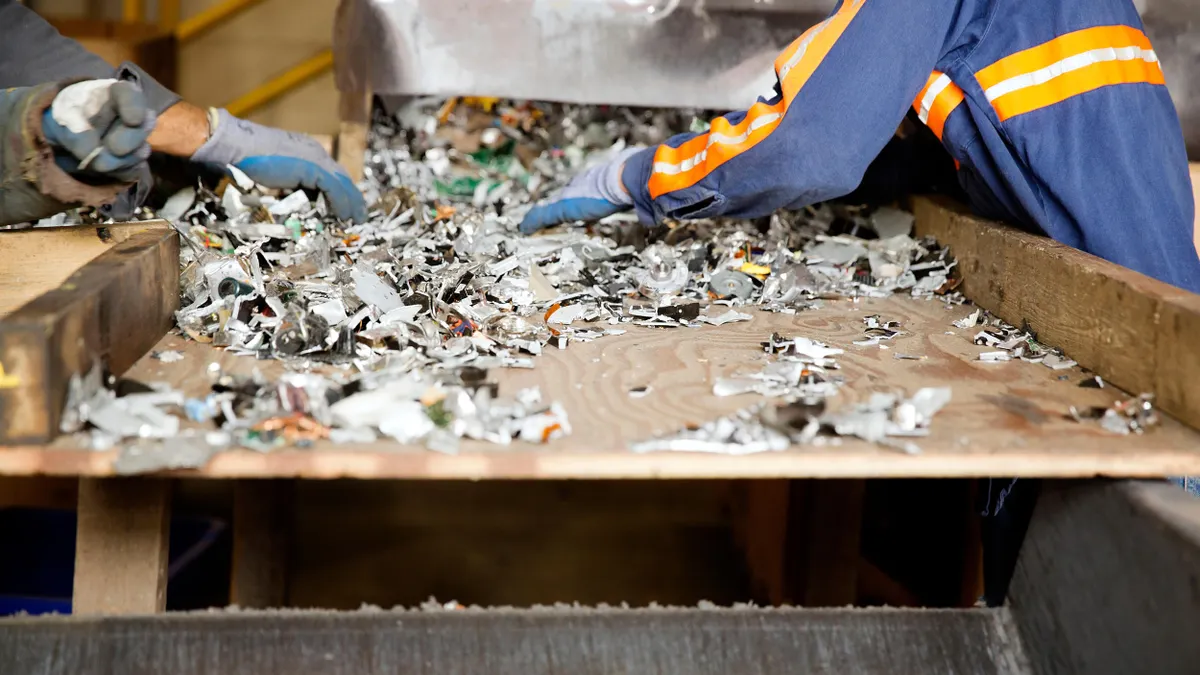
- iFixit CEO, Kyle Wiens, wrote in a blog post "The design may well be comprised of 'highly recyclable aluminum and glass' -- but my friends in the electronics recycling industry tell me they have no way of recycling aluminum that has glass glued to it like Apple did with both this machine and the recent iPad."
From the article:
Apple's decision to withdraw products from the EPEAT standard it helped implement has raised concerns among industry observers and environmentalists, who said the design of the company's new products, including the Retina display, make laptops difficult to disassemble and recycle.
Apple has removed all of its Mac products from the EPEAT registry, including products that were previously EPEAT Gold, a rating given to the most environmentally friendly computers. Some observers said that Apple's unwillingness to work with industry partners to define environmental friendly standards is being shown through new products like the MacBook Pro, a highly integrated laptop that is considered difficult to disassemble and recycle.
However, some argued that the EPEAT process is drawn out and frustrating so Apple decided to cut its losses by disengaging from the certification system. The U.S. government and some other organizations require EPEAT certification for the computers they purchase, but those sales are minor for Apple, so the decision to withdraw from EPEAT is not likely to affect the company's sales in any significant way.