Miami-Dade County has rolled out its new zero-waste plan, which sets in motion a 13-year-long journey to divert 90% of waste from landfill disposal by 2040.
The county’s vision includes a range of updates meant to streamline and standardize recycling and waste collection efforts and invest in composting projects and infrastructure. It also aims to connect more intentionally with businesses and leverage community-based reuse and repair programs.
“Our county produces over five million tons of waste, and we are rapidly running out of landfill space. To protect our environment and public health, we must completely rethink how we manage our resources,” wrote Mayor Daniella Levine Cava in the master plan’s introduction.
Levine Cava first proposed the idea of becoming a zero-waste county back in 2022, and the factors influencing how the county handles its waste have only grown more complex since then. In 2023, a fire at the county’s incinerator prompted a years-long debate over whether the county should invest in a new landfill, waste-to-energy facility or other options.
Meanwhile, the county has also been investing in recycling and composting-related improvements that the zero waste master plan aims to build on. That includes a biochar pilot, ongoing composting improvements in city parks and elsewhere, and a county-centered recycling app to help residents recycle correctly, said Aneisha Daniel, director of the Miami-Dade County Department of Solid Waste Management, in an interview.
County officials worked with zero waste plan development consultant WSP to build the plan. To make sure it reflected the needs and motivations of the community, they solicited feedback from residents through numerous listening sessions, surveys and public events.
Many residents wanted a plan that made recycling easier and less confusing and prioritized new programs such as food redistribution to fight food insecurity, said Nick Ciancio, resilience division director for the waste department, in an interview. Businesses were also very interested in participating in programs that incentivize and recognize zero-waste operations.
That feedback helped craft a plan “where people understood that this is attainable, that this is something we can really do,” Daniel said. “We got buy-in right now, and there’s positive momentum.”
Standardizing Miami-Dade’s recycling playbook
Miami-Dade aims to raise its recycling rate from 36%, the 2024 baseline, to 77%. One of the most immediate plans for that process is to standardize programs and services that are already in place, Daniel said.
That means updating Miami-Dade’s universal recycling ordinance, which requires all 34 municipalities to provide collection services and the source-separation of trash and recycling. However, the ordinance doesn’t have set service level standards or requirements for collection frequency.
On top of that, some municipalities are collecting different items or using different-colored bins to do so, which was creating confusion and frustration for residents, Ciancio said.
“I like to say recycling is the gateway into zero waste, so a lot of the times when we were engaging with [residents], they would say, ‘Oh, I live in Homestead and this is recyclable, but my friend lives in Miami Beach and this other material isn't recyclable.’ … It really made us realize just how important it was to standardize recycling across the county.”
Other elements of the zero waste plan call for haulers to report more metrics about their collection volumes, broken down by garbage, recycling and organics, among other data collection initiatives Miami-Dade plans to use to track progress.
The county also plans to phase in a “Save-As-You-Throw” ordinance for single-family curbside services, which aims to incentivize residents to reduce waste by paying lower collection fees when they opt for a smaller trash cart. But for that to work, the county says it first needs to build up both its curbside recycling capabilities and its capabilities to collect and process organics.
More focus on organics diversion and food recovery plans
New requirements for organics diversion is another key piece of the zero waste plan, officials said.
The county will eventually require commercial food businesses like restaurants, grocery stores, hotels, hospitals and schools to donate surplus edible food to places like food banks and nonprofit groups. These same commercial entities will be required to separate food scraps and other organic material for diversion through “composting, anaerobic digestion, or other approved recovery methods,” according to the plan.
The plan also calls for requiring compost collection systems at multifamily properties.
Miami-Dade also envisions expanding organics infrastructure to be able to handle larger volumes. One goal is to establish a dedicated organics facility that accepts food scraps, yard debris and other organic material, according to the plan.
Daniel said these ordinance updates build on existing composting pilots, including one with MetroSTOR, a smart waste infrastructure company that installed food scrap collection containers throughout the county, including in some parks. MetroSTOR currently leads the collection and composting of food waste collected in those public bins, she said. “We’ll be able to see how successful that is, and how we can scale that up.”
Waste reduction through community partnerships
Improvements to the county’s waste diversion systems need to be convenient and offer incentives that residents can get behind, city officials said.
One proposed initiative that got a surprising amount of public support was a business recognition program meant to reward businesses that work toward zero waste, said Ciancio. That program would promote area businesses that meet key zero waste metrics by featuring them on a website or involving them in social media campaigns, the plan proposes.
“A lot of our community, whether they're in the business community or they're residents of Miami-Dade County, have a really strong understanding of the role that tourism industry plays — not just from an economic perspective, but also from a waste perspective,” he said.
It’s similar to an existing business initiative, the Miami Green Key initiative, a sustainable tourism program that recognizes hotels that meet certain waste reduction, recycling and composting metrics.
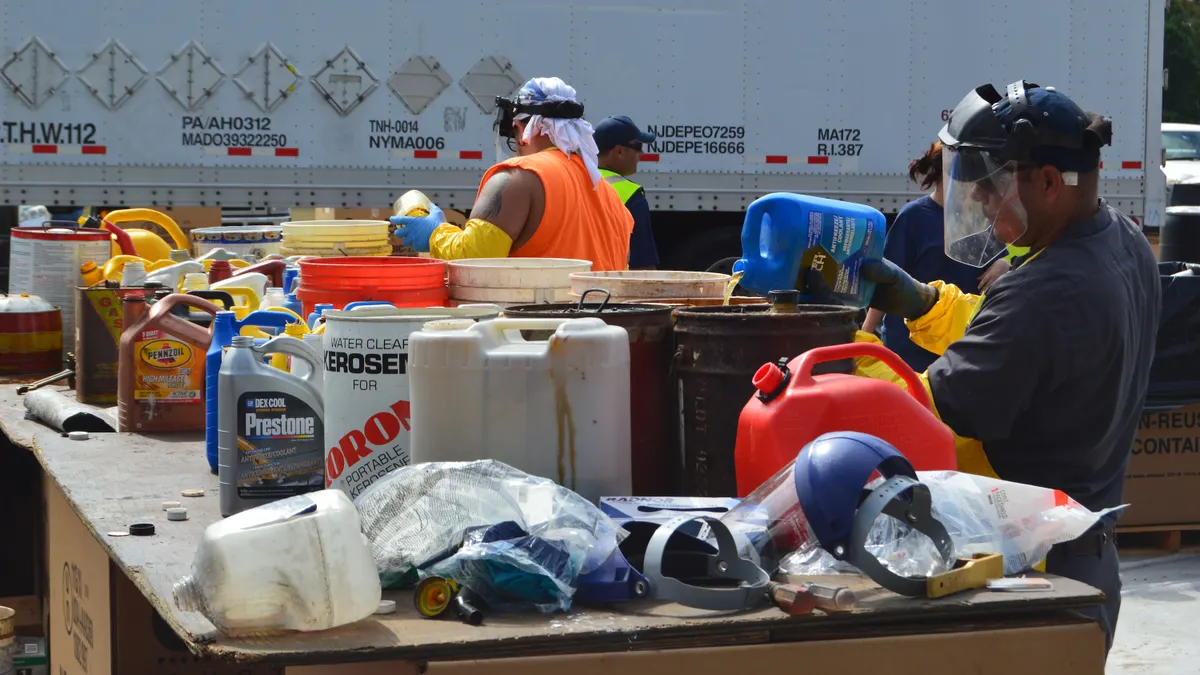
The zero waste plan offers other ideas on how to partner with community groups to leverage existing waste diversion programs and build them into bigger, more accessible services. The plan mentions several options for partnering with municipal buildings, libraries and businesses to establish take-back locations for hard-to-recycle items, such as batteries, pharmaceuticals and paint.
And the plan sketches out ideas for creating a reuse directory that lists community programs and events that help residents repair household items or clothing and swapping unwanted items with community members.
“A zero waste future depends on making waste reduction practical and easy, while connecting it to a higher quality of life, stronger communities, and more meaningful experiences,” Levine Cava wrote in the plan’s introduction.