This article is part of a series about the 50th anniversary of the Resource Conservation and Recovery Act.
RCRA was created in part to manage out-of-control materials management practices by manufacturers 50 years ago. Today, as the U.S. aims to increase domestic manufacturing, the sector is in a very different place.
Waste and recycling executives are touting early tailwinds from domestic investments in semiconductors, pharmaceuticals, data centers and other sectors. Volumes of increasingly complex scrap, hazardous waste and other material may rise as a result, though likely still won’t surpass prior peaks.
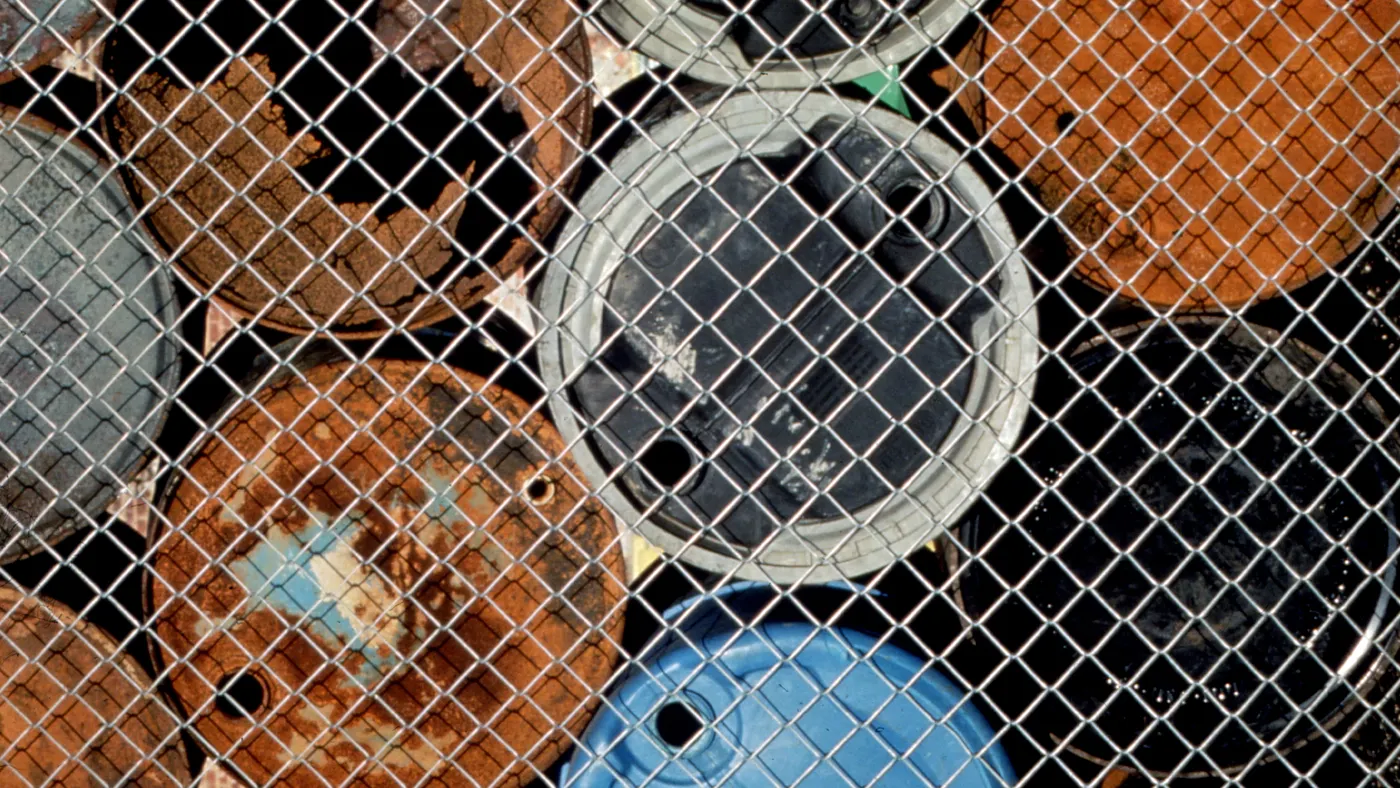
Around the time of RCRA’s passage, the U.S. EPA estimated more than 46 million tons of hazardous waste were generated per year. A House committee report from 1976 estimated at least 30 million of those tons were “literally dumped on the ground each year,” containing substances that can “blind, cripple or kill,” and cited numerous manufacturing examples.
EPA now puts the overall generation number closer to 32 million as of 2023. Experts say this is a sign of RCRA regulations working as intended, and also means what’s left has become more complex.
“The manufacturing economy reengineered their processes to reduce their generation,” said Michael E. Hoffman, CEO of the National Waste & Recycling Association, noting this has led to “an increasing quantity of what we call high hazards. They're not necessarily huge volumes; they're just complicated.”
Manufacturing activity also generates a range of nonhazardous materials. Federal data is less precise on this point, but a 2021 study by the Environmental Research & Education Foundation estimated it was between 270 million to 290 million tons per year.
Hazardous waste volumes remain steady after dropping during '90s
NWRA and its largest member, WM, are members of the National Association of Manufacturers. WM declined an interview request with incoming CEO John Morris, who sits on NAM’s board. NAM did not respond to requests for comment.
The two sectors have long been linked, most recently signing on to a letter urging passage of a federal permitting reform bill. Manufacturers generate lucrative special and hazardous waste, and also make products that eventually end up in municipal waste and recycling streams.
“An underlying good, healthy economy is good for everybody,” said Hoffman. “We are as an industry better positioned than anybody to manage responsibly the residuals of the production of our economy.”
While RCRA is known for its “cradle to grave” approach for managing hazardous waste, there’s also plenty of material generated in the manufacturing supply chain that gets a second life.
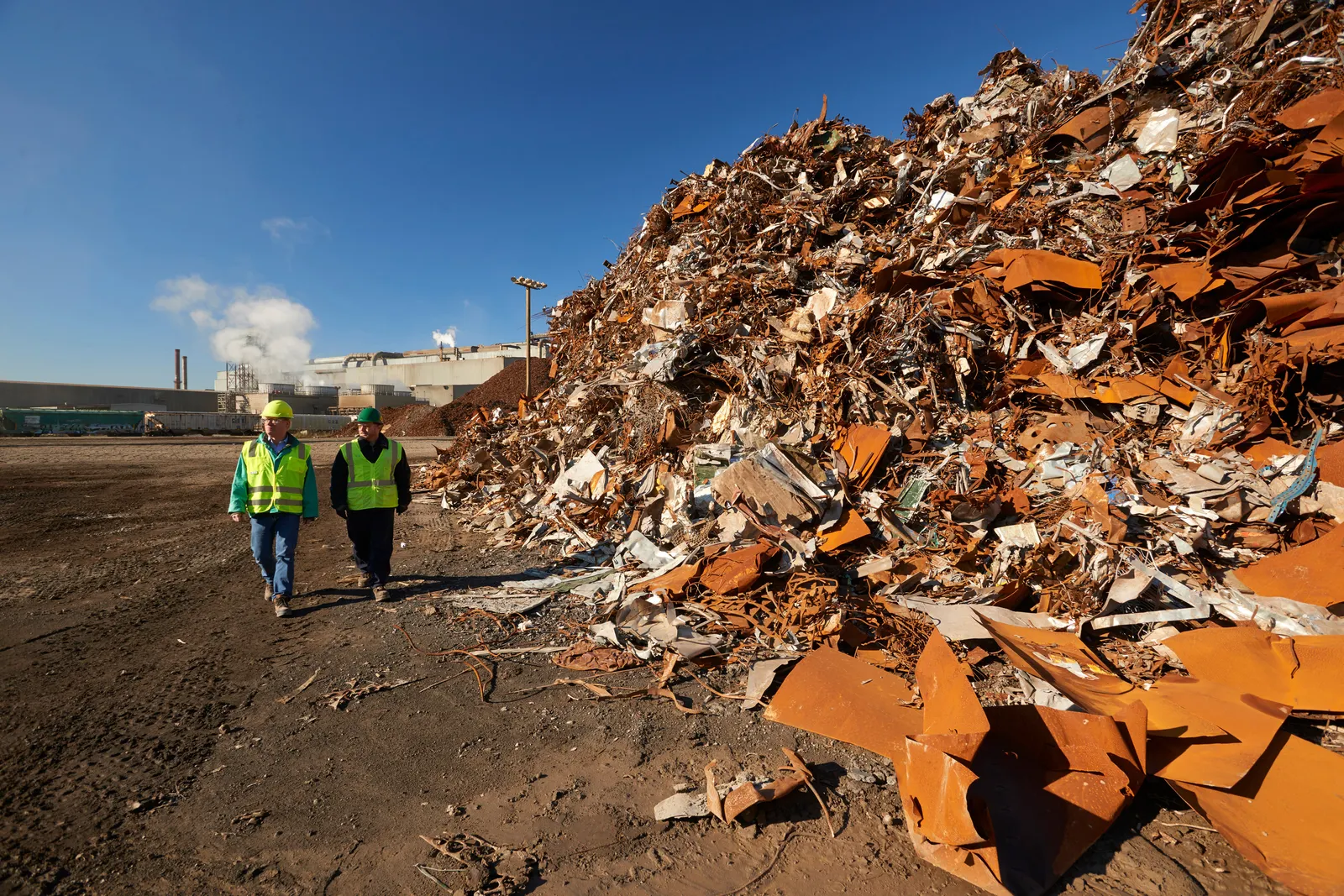
An estimated 75% of the nearly 150 million tons of material recycled during 2024 — including steel, fiber, aluminum, copper and more — went back to the manufacturing sector as feedstock. The federal government’s current push for critical minerals production is yet another link between recyclers and manufacturers.
The Recycled Materials Association, a trade group representing a wide range of recyclers, is also a member of NAM’s Council of Manufacturing Associations. The group has been following federal policies supporting critical minerals projects, metals production and other areas.
“We are very excited and supportive of the administration's efforts at strengthening domestic manufacturing,” said Robin Wiener, president of ReMA. “There's all of this work that needs to be done to build and strengthen advanced manufacturing and our infrastructure here in the U.S. requires more and more recycled materials.”
While international trade policy has at times complicated this trend, manufacturing activity is indeed on the rise and environmental services companies are eager to manage its byproducts.
Clean Harbors recently touted a $600 million, 10-year contract for commercial incineration and wastewater management from a customer growing its domestic manufacturing footprint. During this year’s Waste Leadership Summit, co-CEO Mike Battles said “reshoring is very much alive” and would fuel further growth.
Republic Services CEO Jon Vander Ark said during the event that “we are starting to see some momentum” in manufacturing, following a period where some clients had been reducing service, and reiterated this during the company’s latest earnings call.
These companies and others are investing in new treatment and disposal infrastructure to handle future volumes. Private equity firms and other investors are also increasingly active in industrial and hazardous waste. This is in part because the solid waste market is more saturated, but also because of the projected reshoring trend.
“There's volume that's starting to come back in the U.S.,” said Shlomo Rosenbaum, a managing director at Stifel. “These companies will do well with volumes increasing. It's a pretty direct impact.”
Virtually every good and service produced in the United States either generates hazardous waste directly during production or relies on inputs that do.

Alan Jaske
Hazardous Waste Management: A Hidden Input to U.S. Economic Growth, 2026
The scrap sector has also seen notable investments, including multiple examples of manufacturers investing in recyclers to bolster their own feedstocks.
As all of this unfolds, RCRA regulations are viewed as fundamental elements that can responsibly support this growth.
“If we're going to bring back and have more manufacturing jobs, we need to have a regulatory system that allows that to happen, but without creating the messes that we did when we didn't have the regulatory programs in place when we built up the industrial complex,” said Steven Cook, principal deputy assistant administrator for the EPA’s Office of Land and Emergency Management, during an October 2025 meeting of the Association of State and Territorial Waste Management Officials.
The EPA recently announced plans for unspecified RCRA reform, though has declined interview requests to explain them further.
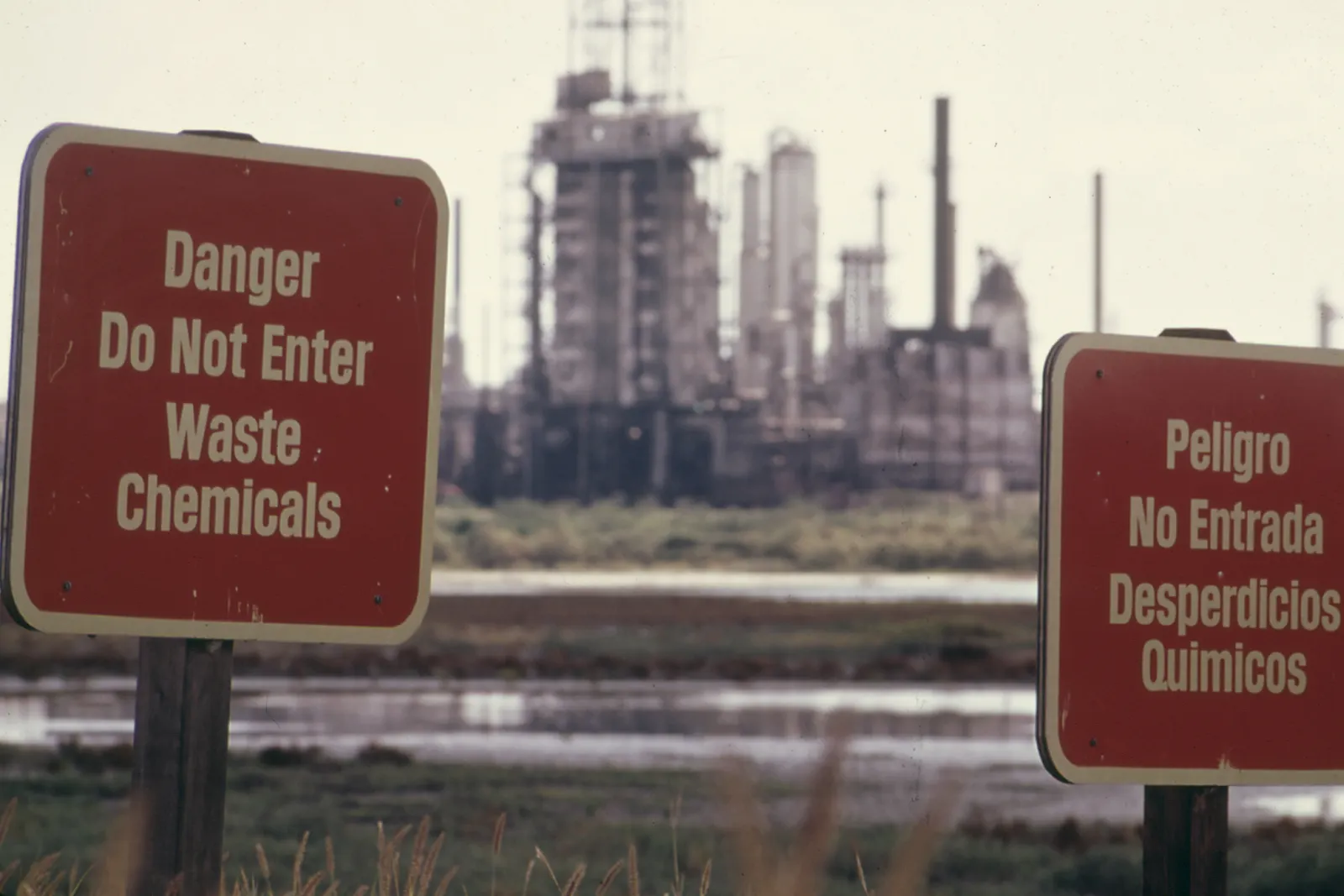
How RCRA hazardous waste rules have evolved since 1976
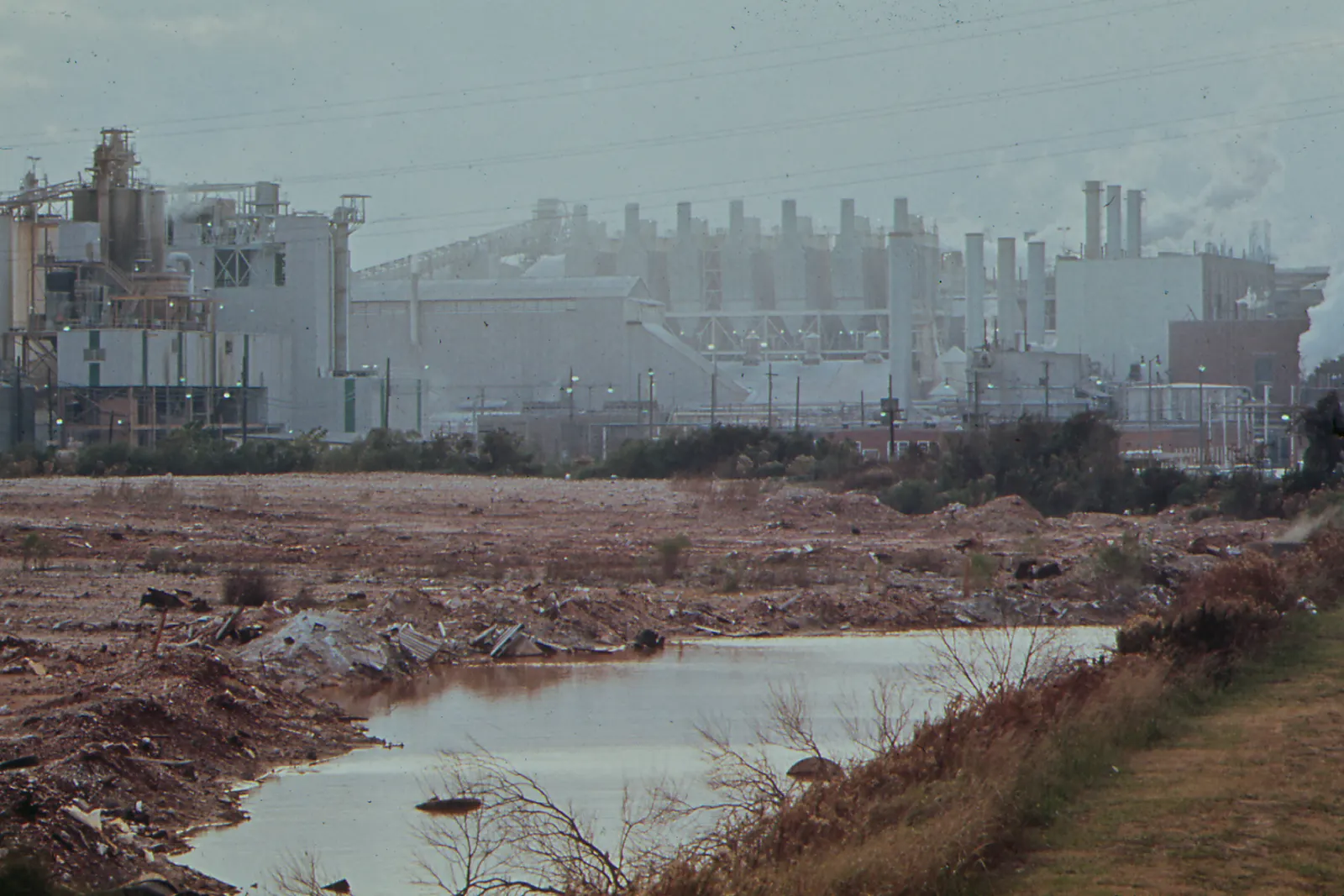
Today’s multibillion-dollar waste and recycling industry built around manufacturing is a far cry from what it was at the time of RCRA’s passage.
While certain aspects such as scrap recycling have existed for many years, the hazardous waste space was more nascent. Unlike how municipal solid waste systems evolved post-RCRA, this was largely not a case where public sector assets were operating that could be brought up to compliance or privatized. In many cases the systems didn’t exist at scale yet or had to repeatedly adapt as regulations evolved.
Industrial and hazardous waste was a key focus in more than a dozen Congressional hearings leading up to RCRA’s passage, but opinions differed among policymakers — including EPA officials — about definitions, federal versus state jurisdiction and other factors. Debate in 1976 over the Toxic Substances Control Act, which occupied more legislative attention than RCRA, raised questions about how to manage these materials but with little resolution.
RCRA’s final drafting was described as rushed by multiple accounts, with its passage even catching some by surprise. The law itself left many questions to subsequent rulemaking, and eventually required further updates by Congress.
Having passed with so little attention, the scope of the program created by RCRA was not widely appreciated at the time ... Almost no one saw the hazardous waste provisions in Subtitle C as the most significant portion of the legislation.
Marc K. Landy, Marc J. Roberts and Stephen R. Thomas
The EPA: Asking the Wrong Questions from Clinton to Nixon, 1990
The agency’s first hazardous waste regulations dropped in 1980, requiring nearly 47,000 generators to manage their material in new ways.
As this all played out in Washington, a young entrepreneur named Alan McKim was looking to grow in Massachusetts. His small fleet of Clean Harbors vacuum trucks, typically used for oil spills, was well-positioned to handle the surging volumes of hazardous waste from fellow environmental services company Interex.
“I was a young kid so I didn't really understand regulatory things,” said McKim. “I had vacuum trucks, I had a transport license, and sure enough, they were bursting at the seams because the new RCRA regulations were starting to take hold.”
During this time more waste facilities were shutting down in the Northeast because they couldn’t meet new Part B standards for hazardous operations under RCRA, so material needed to be transported farther.
Clean Harbors grew exponentially in this period, eventually acquiring Interex — by then its biggest customer — from WM in 1985. This came just a year after Clean Harbors had turned down an offer to sell to WM subsidiary Chemical Waste Management.
The Interex deal gave Clean Harbors its first permitted hazardous waste facility, one of many more to come.
“Here in the Northeast, any incineration facilities were closed. There were no hazardous waste landfills, so everything that was manufactured here had to be moved 1,000, 1,500, 2,000 miles away,” said McKim.
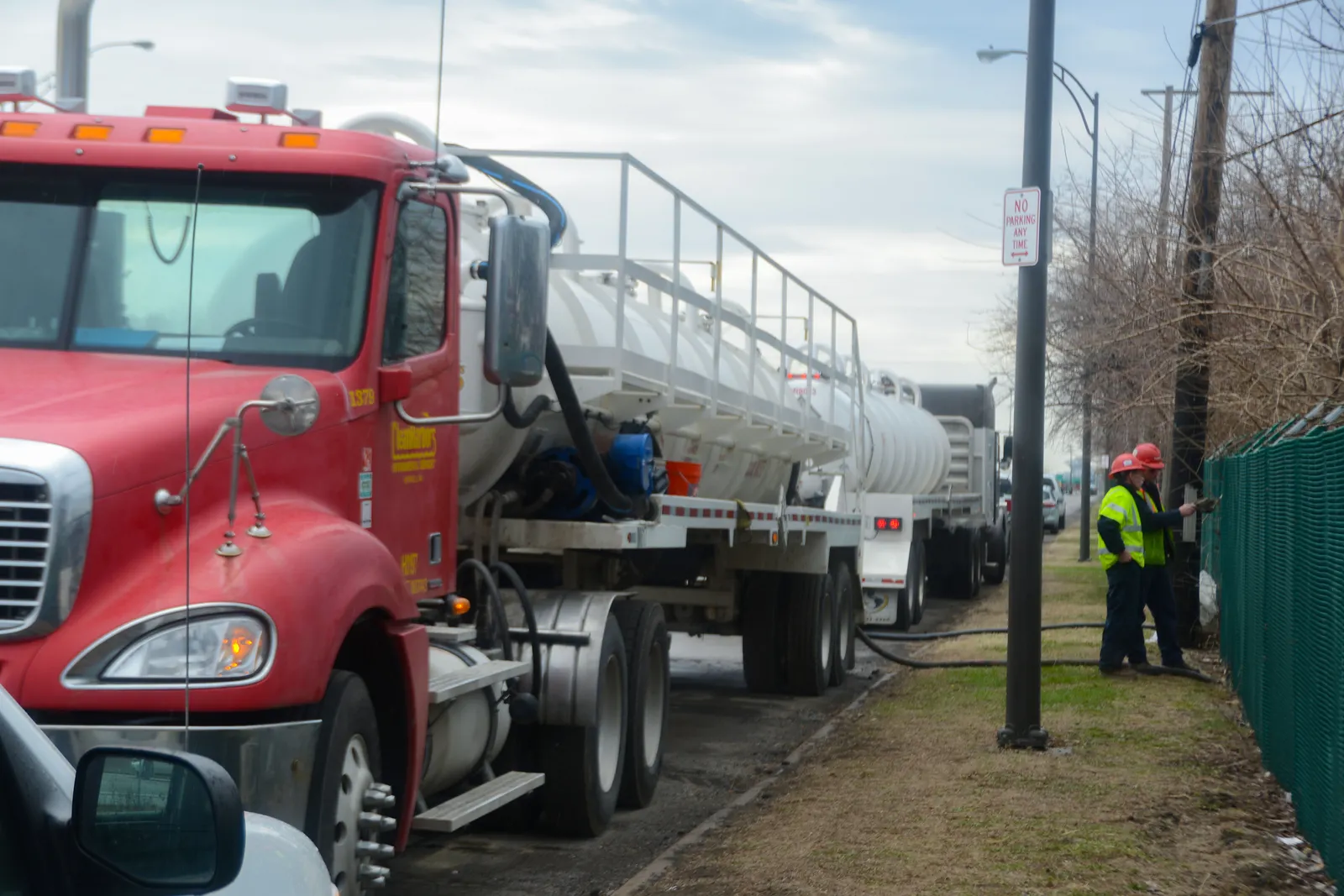
A 1992 Supreme Court ruling in favor of Chemical Waste Management, which had challenged a fee on out-of-state waste at a major hazardous waste disposal site in Alabama, further paved the way for this cross-country trend.
The growing need for hazardous waste management was further spurred on by the Hazardous and Solid Waste Amendments of 1984. Whereas RCRA’s language on certain aspects of hazardous waste management had been vague, the HSWA was much more prescriptive. This was viewed in part as a reaction to uneven EPA regulations during the Reagan administration.
These requirements, described as “the thirds,” laid out a multipart schedule to strengthen generator requirements, limit land disposal and tighten other practices by 1990.
“That's what really drove a lot more waste to incineration and to recycling, the banning of disposing of liquids in landfills,” said McKim.
These rapidly evolving standards presented a big challenge for manufacturers, some of whom were used to the idea of waste going “away” rather than having to carefully categorize, track and manage it. Bob Cappadona got his own front-row seat to this as an intern at GE during the 1980s.
“It was a new world for how waste was managed,” said Cappadona, who is now CEO of Veolia’s hazardous waste business in North America. “Industry was really struggling with understanding what solutions were going to be available to them in order to meet these new treatment standards that had been released.”
This led to a rush of investment during the ‘80s into the ‘90s, including by companies much bigger than Clean Harbors at the time such as WM, Rollins, Laidlaw and others.
Yet it would also be a financially turbulent period for the industrial and hazardous waste sector. McKim said many manufacturing facilities were closing, especially in the Northeast, and those that remained wanted to work with one company that could handle their whole network.
“A big part of why we grew is to meet the needs of our customers who were looking to consolidate the number of suppliers they had and really protect their liabilities,” he said.
Meanwhile, Cappadona said there was “tremendous inconsistency” among competitors. McKim said Marine Shale, a hazardous waste company in Louisiana that significantly underbid the market and was eventually found to be operating illegally, particularly “created havoc.”
Shifting regulatory systems also contributed to this challenge. In one example, the EPA changed course on how hazardous waste requirements applied to material at cement kilns, which NWRA’s Hoffman said “wiped out billions of invested capital in the process.”
In another example, Clean Harbors was able to buy its first hazardous waste incinerator for $1. Oil company Amoco had built a site in Kimball, Nebraska, to handle refinery material, but petroleum industry lobbying led to a change that allowed the material to be injected into cokers instead.
In other cases, Cappadona said the long timelines for construction and permitting meant sites that were coming online had missed the moment, or needed to rethink plans. Veolia’s incinerator in Port Arthur, Texas, was initially constructed to handle remediation soils but was later retrofitted to handle bulk and drum waste.
“The '90s were not pretty times for places like Port Arthur. The capacity that was being built did not align with the volume of material in the market,” he said.
McKim said this turbulence led to a lot of closures and consolidation among industry players. During the mid-90s, he said “nobody was making any money” and many companies were in “survival mode.”
Cappadona said the ‘90s were also when the modern environmental health and safety role came to prominence at manufacturing facilities, with many taking a closer look at minimizing material streams. While this created opportunities for more nuanced advisory services from waste and recycling companies, it also further affected the capacity equation.
“There was a lot of pressure for them, both from a cost and regulatory standpoint, to minimize how much waste they actually generated,” said McKim.
Another key element of this equation was scrap recycling, which also faced its own regulatory complexities.
Wiener, with ReMA, said the sector successfully pushed to get scrap recycling exempted from Subtitle C regulations in 1985, along with further changes in 1997 and 2015. RCRA’s universal waste rules, established in 1995 for lead-acid batteries, have also continued to evolve for different recycling streams.
But a push to try and get recycling expressly defined in RCRA stalled in the early ‘90s. Wiener, who initially worked on RCRA issues as an attorney, said that while the law’s environmental protections are positive, it continues to raise challenges for recyclers.
“It was designed primarily to address what they called discarded materials and waste management, and unfortunately, the definitions initially were not sufficiently clear and caused a lot of challenges with confusion over what is product/valuable materials, commodities, and waste,” said Wiener.
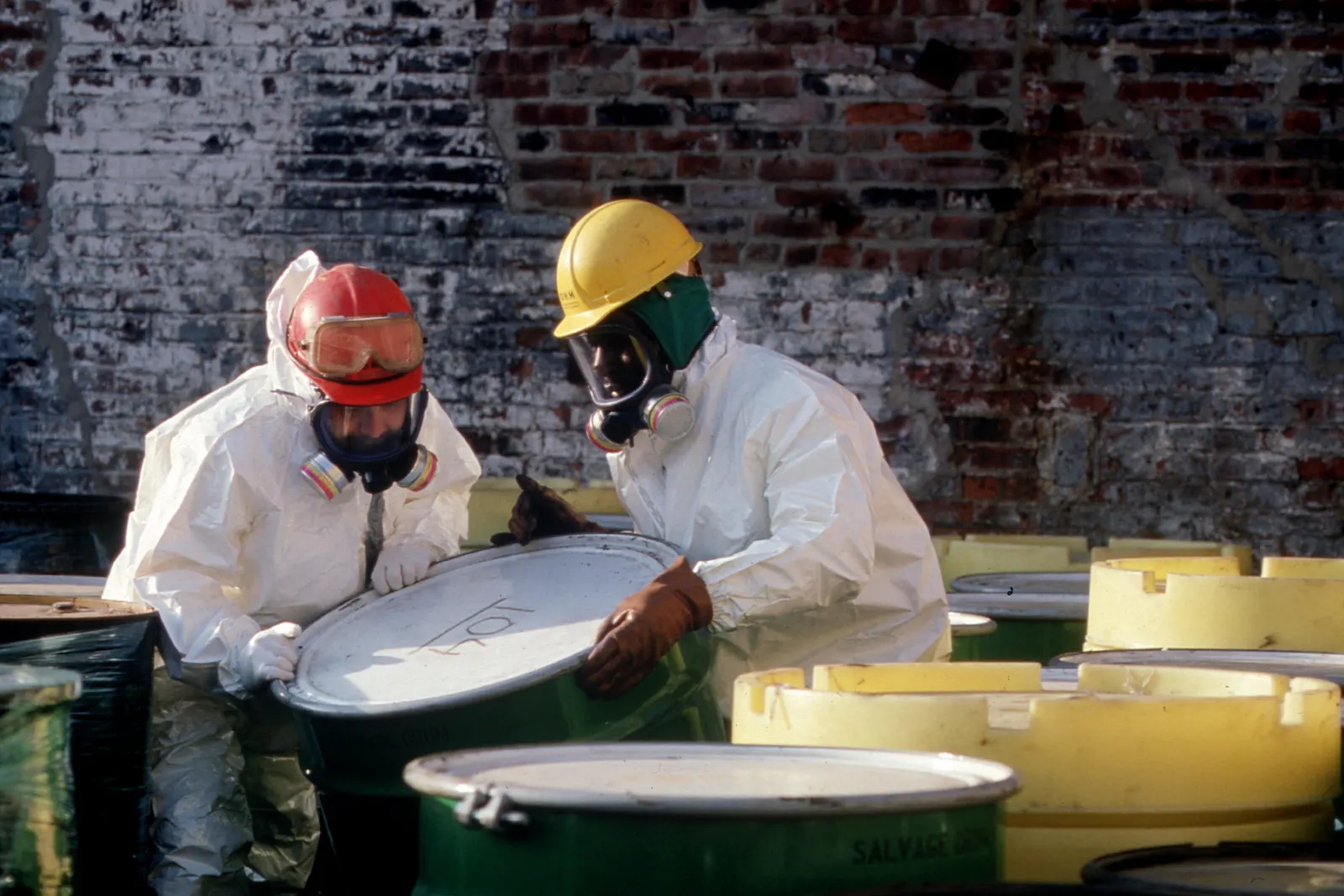
How much is enough hazardous waste disposal capacity?
While the 2000s continued to be eventful, investment activity and capacity largely rationalized.
Following a wave of consolidation in the late ‘90s into early ‘00s that saw the likes of Laidlaw, Safety-Kleen and others absorbed, the environmental services sector is once again in a period of change and expansion.
Hazardous waste treatment and disposal revenues expanded from $3.6 billion in 2003 to almost $9 billion in 2021, much faster than solid waste revenues, according to research from Charles River Associates that was commissioned by Veolia.
In the last few years, Republic bought US Ecology, Veolia bought Clean Earth and numerous private equity or investment firm-backed companies have been scaling through their own acquisitions.
Many companies have invested in new or expanded facilities, most notably via greater commercial incineration capacity. The Charles River Associates report projected that annual hazardous waste volumes could rise 5 million tons from 2023 to 2033 and most of that would be driven by manufacturing.
While a 2024 EPA assessment projected the U.S. has enough hazardous waste disposal capacity through at least 2049, certain parts of the market are considered tighter and companies say they’re planning ahead for the expected manufacturing uptick.
Commercial hazardous waste management capacity in 2024
Clean Harbors expanded capacity at its Kimball, Nebraska, incinerator by 70,000 tons in 2024 and Arcwood Environmental is expanding capabilities at certain sites. Veolia is on track to open an upgraded incinerator in Gum Springs, Arkansas, this year that will bring online 100,000 tons of capacity and also generate electricity.
“That's a big deal for the market,” said Aadit Shrestha, an associate at Stifel. Shrestha said capacity was a top issue at the recent EI Digest conference, as “incinerators are pretty much running full.”
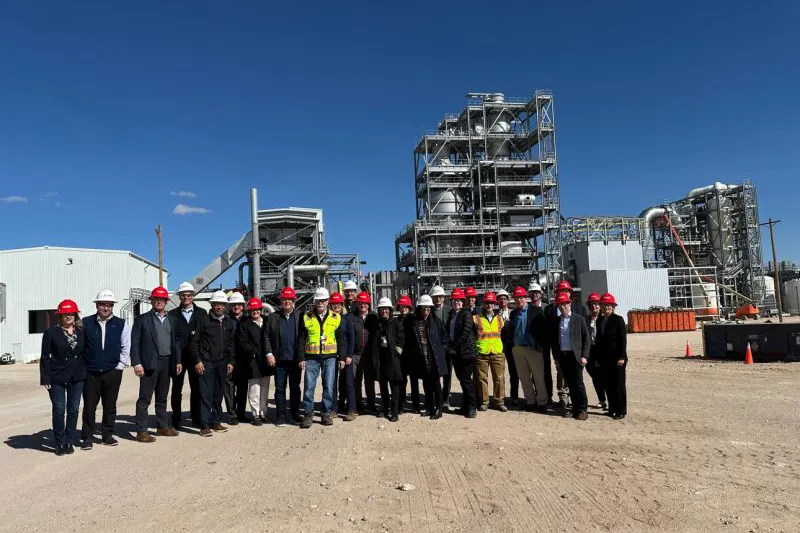
Another ongoing topic of discussion is if and when manufacturers will close their own captive incinerators, like 3M did in 2021. This could create further capacity needs, and possibly more opportunities. Veolia’s Arkansas project, for example, is a renovation of a legacy Alcoa site that it acquired in 2020.
But not all sites are created equal. Clean Harbors’ Battles previously noted that only 40 captive incinerators, approximately half of those remaining, could be worth considering for conversion to commercial sites. EPA data from 2021 estimated these sites managed 414,800 tons via incineration.
In some cases these facilities may be located too tightly within a manufacturer’s existing campus, would be too challenging to get permitted for commercial use or could be too expensive to upgrade to meet newer federal air emissions standards. These same upgrade considerations could also lead manufacturers to shutter the sites, though in some cases companies may choose to keep operating them at low volumes to avoid the eventual remediation liabilities of closing.
Another factor that could play into hazardous waste disposal capacity is PFAS regulations. Industry experts continue to wait to see if the federal government will push tighter standards or policies that may lead to higher volumes, including remediation of Department of Defense sites. The DOD’s recent lifting of a moratorium on PFAS incineration has provided an initial boost.
For all of these reasons, the sector is already looking ahead to where the next round of expansions could occur — Veolia’s Port Arthur site in Texas is a possibility, as is Clean Harbors’ site in Aragonite, Utah — but permitting a greenfield site is considered unlikely.
“You can expand them, but to get new ones is near impossible,” said Stifel’s Rosenbaum.
And while there have been some Subtitle C landfill expansions, designed to typically handle liquids or sludges, the permitting and demand landscape is considered less favorable.
“Landfill volumes actually have been pretty much flat through all these manufacturing investments,” said Shrestha.
What’s next for RCRA? Updated rules, new growth areas
As domestic manufacturing is poised for a potential comeback, and the sector has evolved to try and minimize its byproducts, the next era of industrial waste and recycling management has only just begun to unfold.
McKim projects the uptick in investments by pharmaceutical companies and others will bring a “huge growth opportunity for the industry”
He said that while Clean Harbors has invested in disposal alternatives for decades, citing a supercritical fluid treatment system in the ‘90s as one example, new opportunities will continue to arise. Cappadona cited Veolia’s recent investment in an Arizona recycling facility for semiconductor materials, among others.
Both companies say certain major manufacturers have consulted them early on about planned treatment options and facility designs.
ReMA members are similarly contacted early in certain manufacturing projects to ensure they can provide consistent feedstock of recycled materials for certain processes.
Wiener said her group will continue to push for a stronger federal definition of recycling, noting they came close with the passage of the Superfund Recycling Equity Act in 1999 but not far enough. Now, she sees an opportunity to revisit regulatory perceptions from prior decades.
“Today there is an understanding … of the essential role that recycling plays as part of manufacturing, and as an integral part of stable, resilient and secure manufacturing supply chains,” she said. “Mechanisms, statutes, agreements, developed in the ‘80s need to be modernized to reflect that.”
Details remain scant about what EPA has in mind for its “Common Sense RCRA Reform” plan, and some enviromental groups are wary of any agency moves that could limit oversight of a hazardous waste sector that can still have dangerous outcomes without proper management.
The agency’s website lists recent reform examples such as upcoming electronic manifest requirements, allowing Alaska to run its own hazardous waste program, a proposal to use scrap tires as fuel and granting multiple site-specific industry petitions from Republic and Clean Harbors.
“If reform is about refining on the margin that seems a reasonable course of action given the changing mix of manufacturing in the USA. If it is a wholesale reset – that is not necessary and would be hugely disruptive,” wrote Hoffman via email.
Observers believe RCRA’s foundational systems are here to stay. According to the agency, RCRA regulations cover an estimated 2.96 billion tons of solid, industrial and hazardous waste per year.
Cappadona said that Veolia, as an international company, is often asked about emerging regulations in other countries. He said that while RCRA may differ from some approaches, it’s considered a time-tested model.
“I don't believe people debate the safety of society, and that's the impact that RCRA has had is the benefit of clean drinking water, the benefit of children not being exposed to chemicals in the environment,” he said.
Cappadona expects that when the law’s 75th or 100th anniversary rolls around, people will be talking about how it evolved to account for the latest emerging contaminants from the manufacturing process.
“We've talked about PFAS for quite a few years. What's the contaminant that we haven't even thought about today?”
Senior Visuals Editor Shaun Lucas contributed to this story.
This is the fifth in a series of stories about the 50th anniversary of RCRA. We’re offering the Waste Dive community a behind-the-scenes look at how our RCRA coverage has come together and an opportunity for a live Q&A with the team. Register here for the exclusive event on Nov. 19.