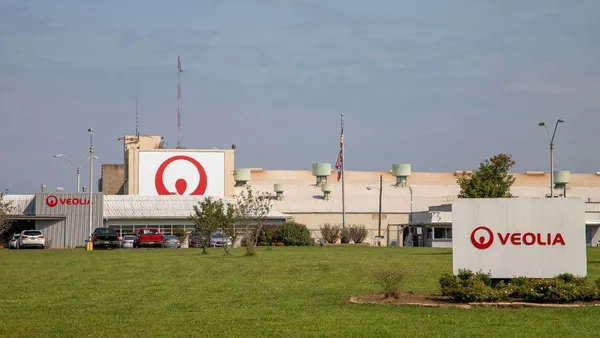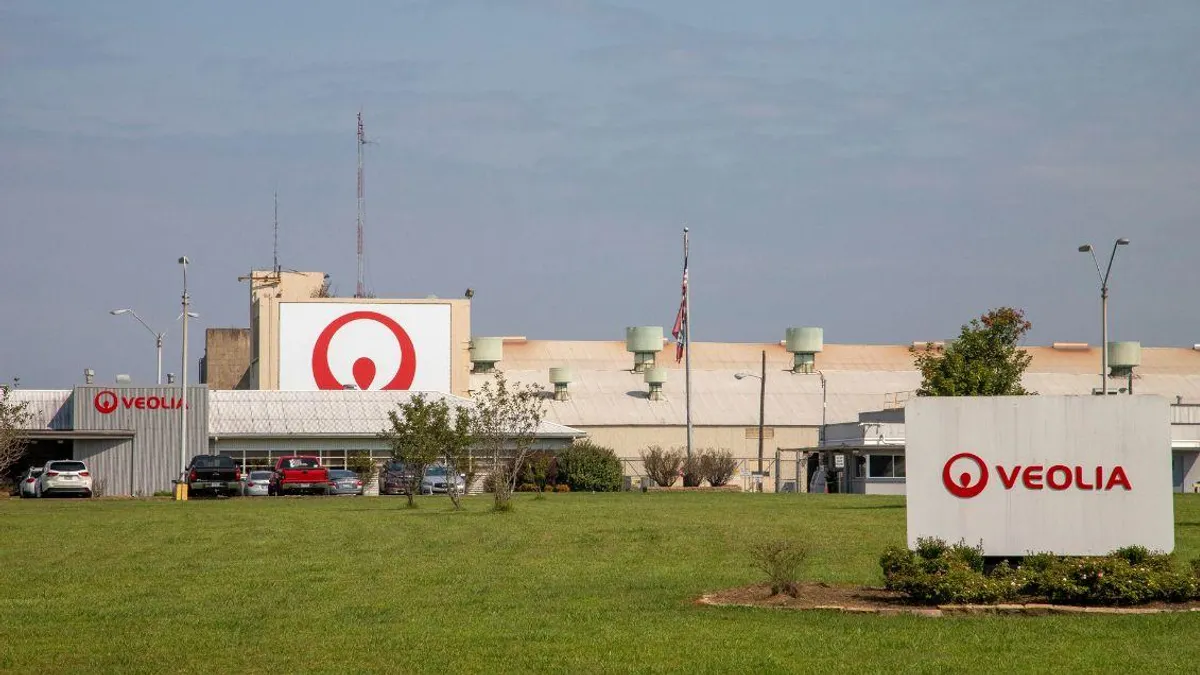
Veolia’s first few months integrating Clean Earth has been “successful,” Veolia CEO Estelle Brachlianoff said during the company’s third-quarter earnings call Thursday. The deal, which was finalized on June 1, significantly advanced Veolia’s plans to become a dominant presence in the United States.
The Clean Earth deal doubled the size of Veolia’s hazardous waste operations in the U.S. and made it the second-largest hazardous waste player in the country. Following the deal, Veolia’s U.S. revenue is projected to be $6.3 billion.
Brachlianoff said Veolia is targeting $120 million in cost synergies over the initial four years following the acquisition. She expects Clean Earth to be accretive to the company’s earnings in 2027.
“We see significant potential to accelerate growth by combining Clean Earth's strong U.S. platform with Veolia's technologies, expertise and broader range of services. I must say first customer feedback is excellent,” Brachlianoff said.
The company as a whole saw its Q3 revenue from hazardous waste rise 2.6% year over year. That growth was driven by commercial gains and positive price adjustments in Europe and the U.S., according to the company’s earnings release.
Veolia continues to make other efforts to grow its business in the U.S. On April 14, it announced the launch of its Data Center Resource 360 resource, which the company expects will drive additional growth through the rapidly growing sector. Data center-related offerings include water optimization, waste heat recovery, waste and critical equipment management and regulatory support, according to the company’s website.
Worldwide, the company is targeting 1 billion euros in revenue from artificial intelligence-related operations by 2030. The company aims to provide “20% energy reuse (notably through waste heat recovery), 75% reduction in water footprint, up to 95% waste recycling and reuse.”
Brachlianoff also addressed the outcomes of the U.S. midterm elections, in which the Democratic Party made sweeping gains throughout the country and took control of both chambers of Congress. She said the impact on Veolia’s business was the same as President Donald Trump’s election to a second term two years ago: none.
“We rely on the demand from cities and from industries as opposed to federal contract or federal decisions,” Brachlianoff said. “That protects us from a political change in Washington.”
Demand for PFAS removal and other services continues to be strong in the U.S., she added. Brachlianoff predicts the reshoring of strategic industries will continue to drive growth in the coming months.