Dive Brief:
- The Vermont Department of Environmental Conversation is accepting public comments on its draft solid waste rules, which provide updates on key priorities related to organic waste facilities and depackaging, as well as the land application of biosolids.
- The proposal would also extend PFAS, or per- and polyfluoroalkyl substance, standards to a paper manufacturing byproduct and additional categories of biosolids used as soil amendments.
- The organic waste industry has closely watched the rulemaking process. Composters have criticized state regulators for years as depackaging and anaerobic digestion facilities have taken over a growing share of feedstock.
Dive Insight:
Depackaging equipment has become increasingly common in the United States as more and more jurisdictions look to divert their organic waste from disposal.
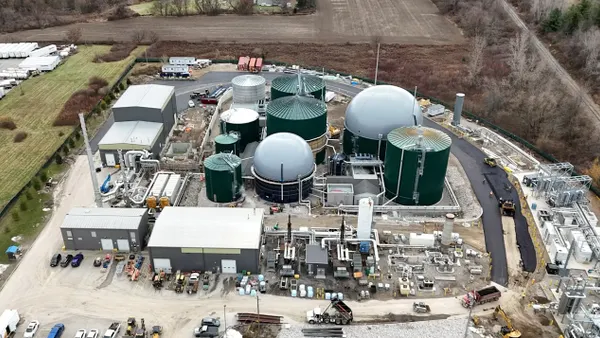
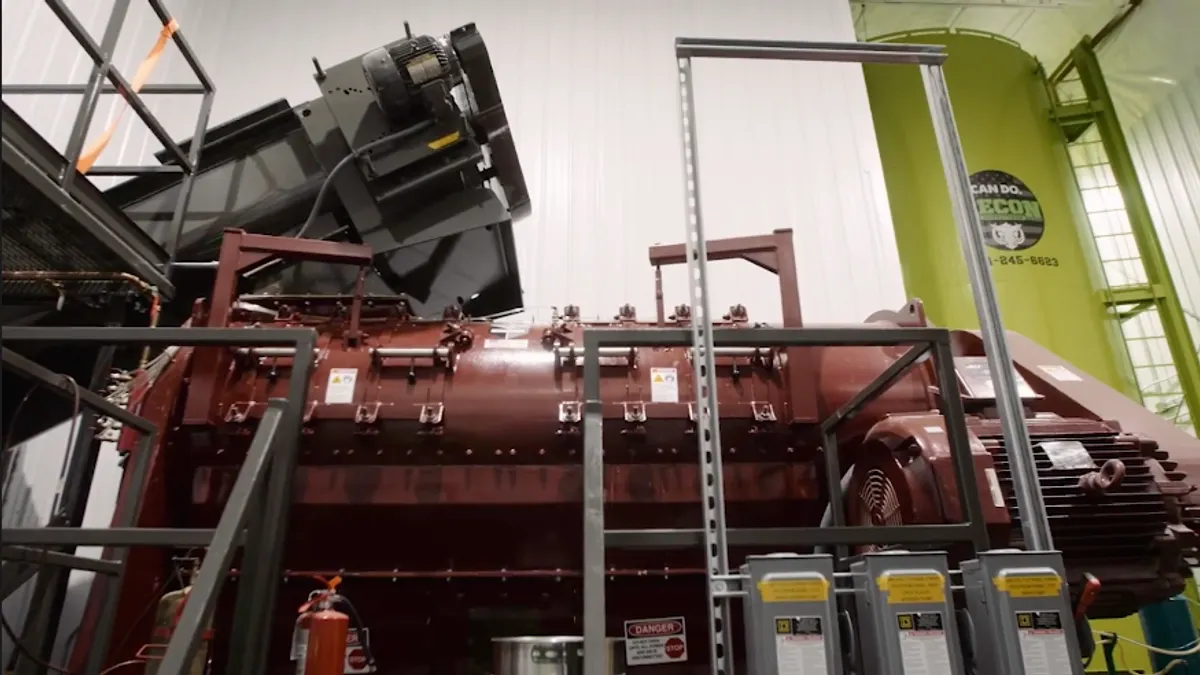
The equipment, which typically smashes apart packaged foods and screens out most of the inorganic debris, is often paired with anaerobic digesters to process the resulting slurry. But composters in multiple states, including Vermont, have been wary of the technology, which they say could allow digester companies to take over key feedstocks for their operations.
Vermont has been embroiled in this debate for years. The state was the first in the nation to pass a near-total ban on organic waste disposal, setting up a cottage industry of relatively small organic waste haulers and composters. But by 2020, the arrival of depackagers in the state led to public pressure from the industry, leading to a moratorium on new facilities and a prolonged regulatory process.
The state's solid waste rules were last updated in 2020. The process includes multiple draft reviews and public comment periods.
The draft language released this month is similar to what was proposed a year ago in an earlier stage of the rulemaking process. Regulators are also drawing from a series of recommendations made by a depackaging stakeholder group convened in 2022 after lawmakers required its creation.
The group, composed of a mix of composters, anaerobic digestion representatives and other stakeholders, failed to agree on most recommendations. A majority — which included the composters but did not include the anaerobic digestion representatives — backed language prohibiting the commingling of source-separated and packaged organics.
The latest draft keeps that language. It also includes language preventing facilities from feeding hand-separated food residuals into depackaging machines, effectively keeping what's seen as a cleaner stream out of a slurry produced by depackaging equipment. The draft also allows the secretary of the Vermont Agency of Natural Resources and DEC to permit certain exemptions, which composters had opposed.
Other language sets new inspection requirements at all food waste management facilities and requires depackagers to assess their feedstocks to prevent safety and contamination risks. Medium and large composters must also sample their finished compost more frequently for metals and bacteria and follow other assessment criteria.
For biosolids, Vermont regulators are proposing to adopt screening standards for PFAS. The standards were previously circulated in 2024 as the state's interim PFAS strategy for high quality biosolids and set limits on five PFAS compounds, including PFOS and PFOA. Above those limits, biosolids cannot be land applied.
The proposal this year would expand those requirements to lower-quality Class B biosolids beginning in 2028. Regulators are also proposing to apply those standards to short paper fiber, a byproduct of the paper manufacturing process sometimes used as a soil amendment.
Other changes to biosolids rules pertain largely to reporting requirements, especially for businesses importing highly processed biosolids from out of state. Generators or importers of such biosolids are also now required to report to the state where they delivered biosolids, enabling regulators to keep a closer eye on land that may be at risk if the biosolids are later determined to be contaminated.
Agency officials are holding a public meeting to discuss the proposal on June 10. The public comment period closes on June 19.