Baldwin County, Alabama, isn’t known as a recycling powerhouse, but it’s building the elements it hopes will change that image.
Spurred by upcoming business opportunities from end markets, a rising population and recent federal funding, the county’s solid waste authority has invested in several new recycling infrastructure projects in recent years.
“The biggest goal is for us to make recycling in our environment a priority for Baldwin County,” said Terri Graham, CEO of the Baldwin County Solid Waste Disposal Authority.
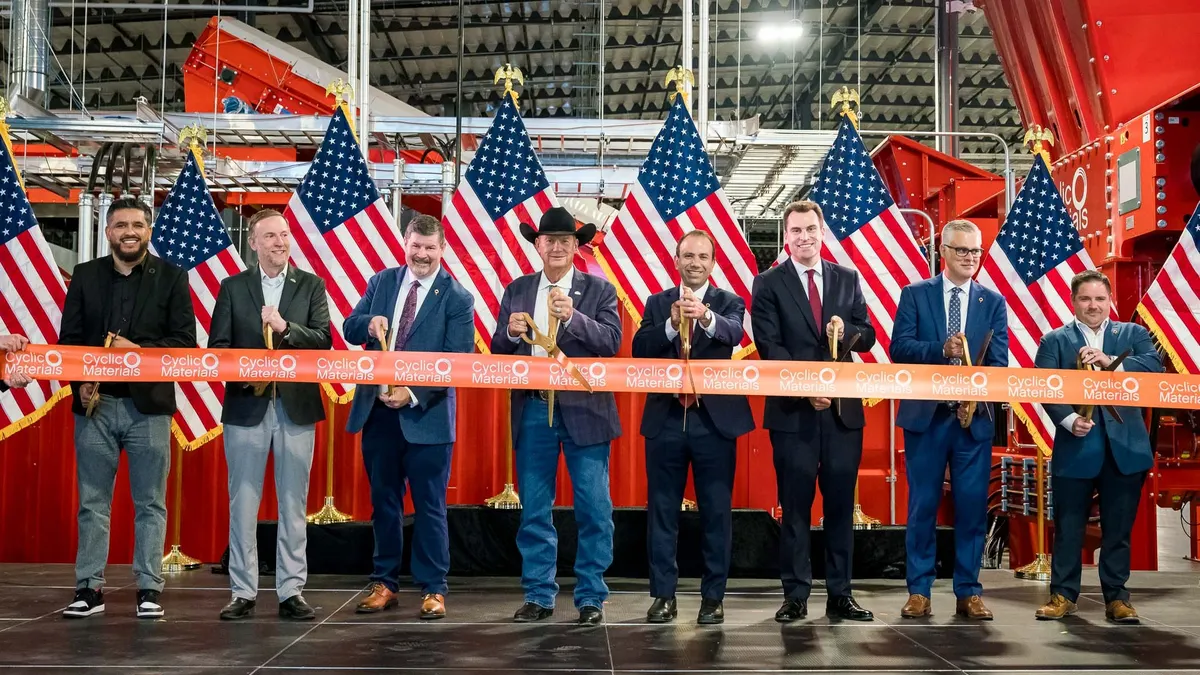
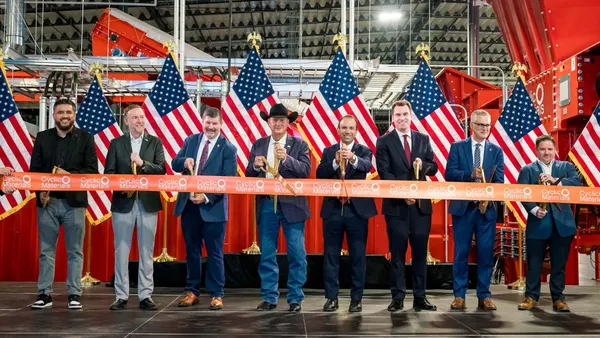
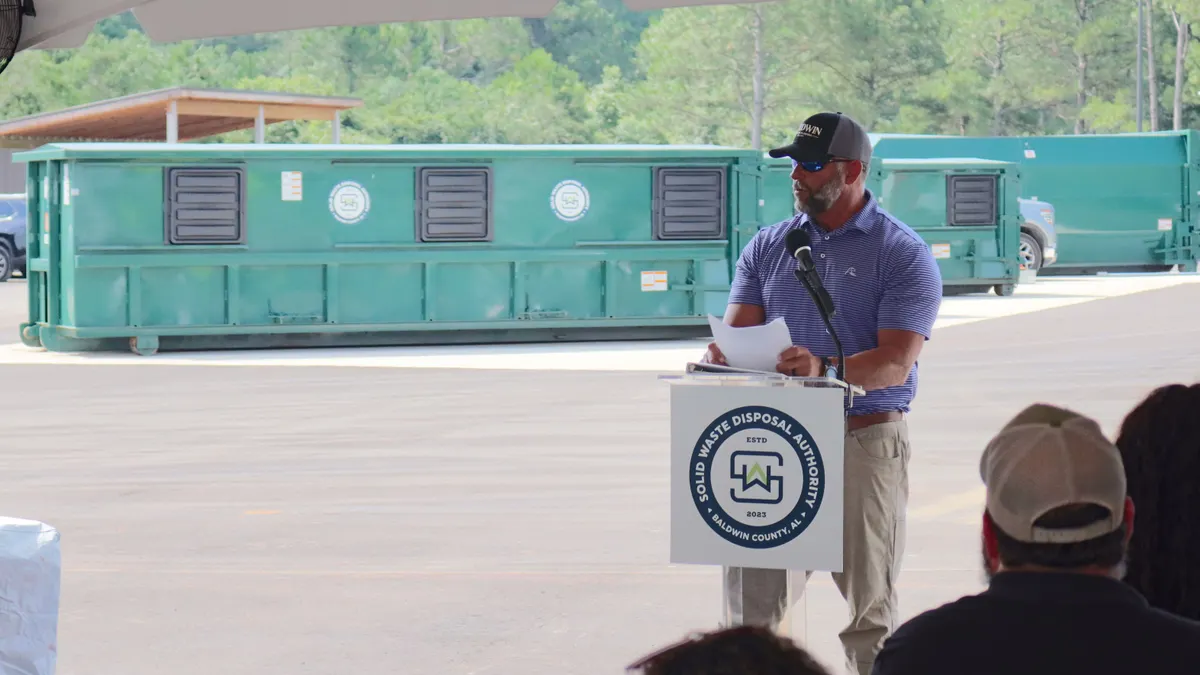
Last week, SWDA announced it had opened a new Center for Hard to Recycle Materials, known as a CHaRM Center. It’s the third center of its kind in the county, and three more are planned for the future, she said.
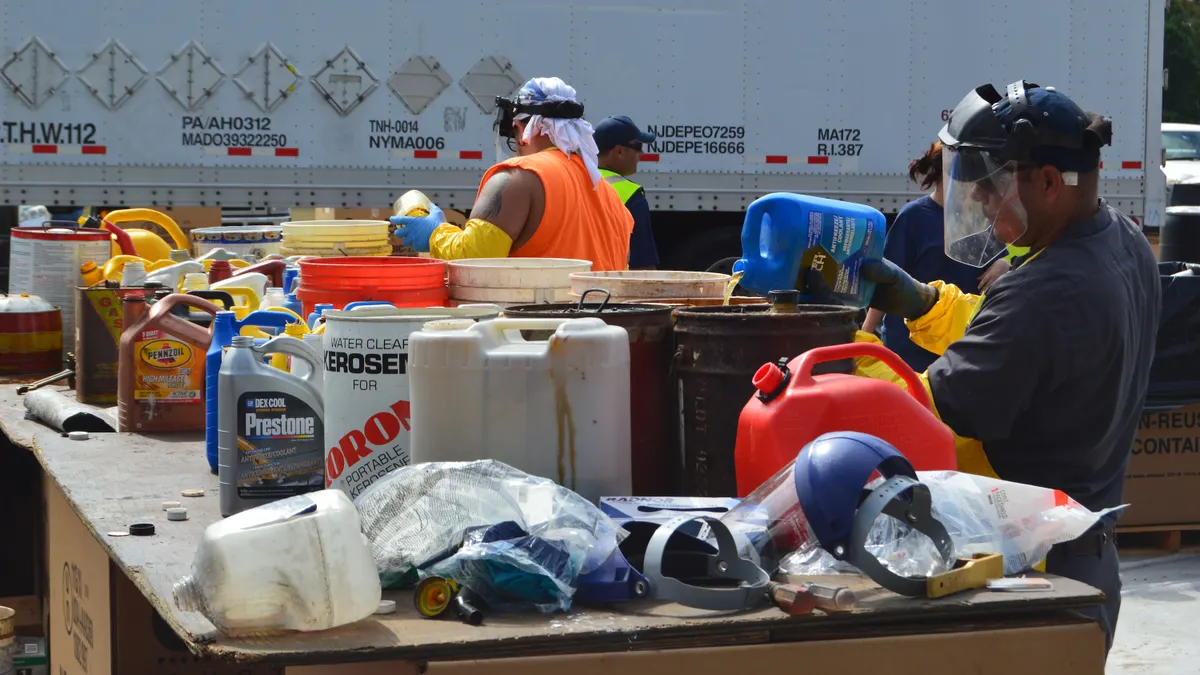
The drop-off centers are meant to offer a convenient place to take items not accepted in curbside bins, such as light bulbs, glass and batteries.
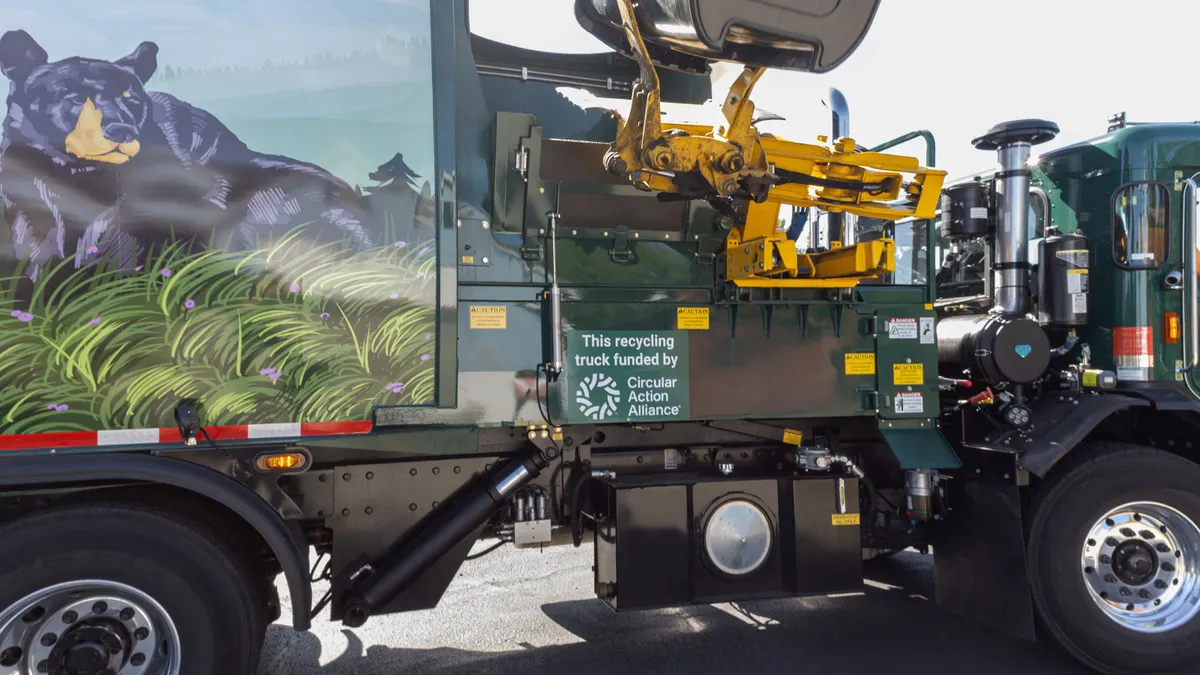
The CHaRM centers are also meant to augment and support more major recycling upgrades the county has undertaken in recent years, such as the completion of a new 40,000 ton-per-year MRF that opened in 2025, along with a new RNG plant. That MRF includes a 7,000-square-foot recycling education center with its own mobile education bus that travels throughout the county. An expansion of its transfer station is also in the works, which will eventually have its own CHaRM center, too.
The long-term goal is to increase recycling rates and recycling acceJohn Liu, a principal investigator and research scientist at the institute, spoke about the TechAMP program and what feedback has been like from its first cohort focused on the aerospace and defense sectors.ss in a region that hasn’t felt the same pressure to prioritize waste diversion compared with some other parts of the country, Graham said.
The Northeast United States is grappling with constrained landfill capacity, and seven states are building out recycling programs as part of newly passed extended producer responsibility laws for packaging, Graham said. Meanwhile, Baldwin County’s current MSW landfill has about 35 years of capacity left, while one of its two C&D landfills is expected to get an expansion soon.
“Land here isn't scarce. Landfill rates generally are a little bit cheaper down in the South. So I think that's all played into us maybe not having as advanced of municipal recycling systems as some other areas of the country,” she said.
Population growth spurs recycling education, outreach
Several factors are changing that disposal-focused outlook, Graham said.
The region’s job opportunities have driven a rapid population increase, she said, and that growing population has spurred SWDA into action to prioritize projects like the MRF and the CHaRM centers. Many of these new residents have moved from states with more well-established recycling infrastructure, and they expect the same level of recycling access in their new home, she said.
At the same time, SWDA realized it needed to provide better educational outreach about what can and can’t be recycled in curbside bins.
“I knew the CHaRM centers were going to be a critical infrastructure for us because there's so many things people don't understand can't go in your normal waste stream,” Graham said.
“My vision was to give them places where they can take some of these things that they don't know what to do with. That way, maybe we could keep them out of the MRF.”
The new Orange Beach CHaRM center, located near the coast in Gulf Shores, joins two other existing CHaRM locations in Fairhope and Summerdale.
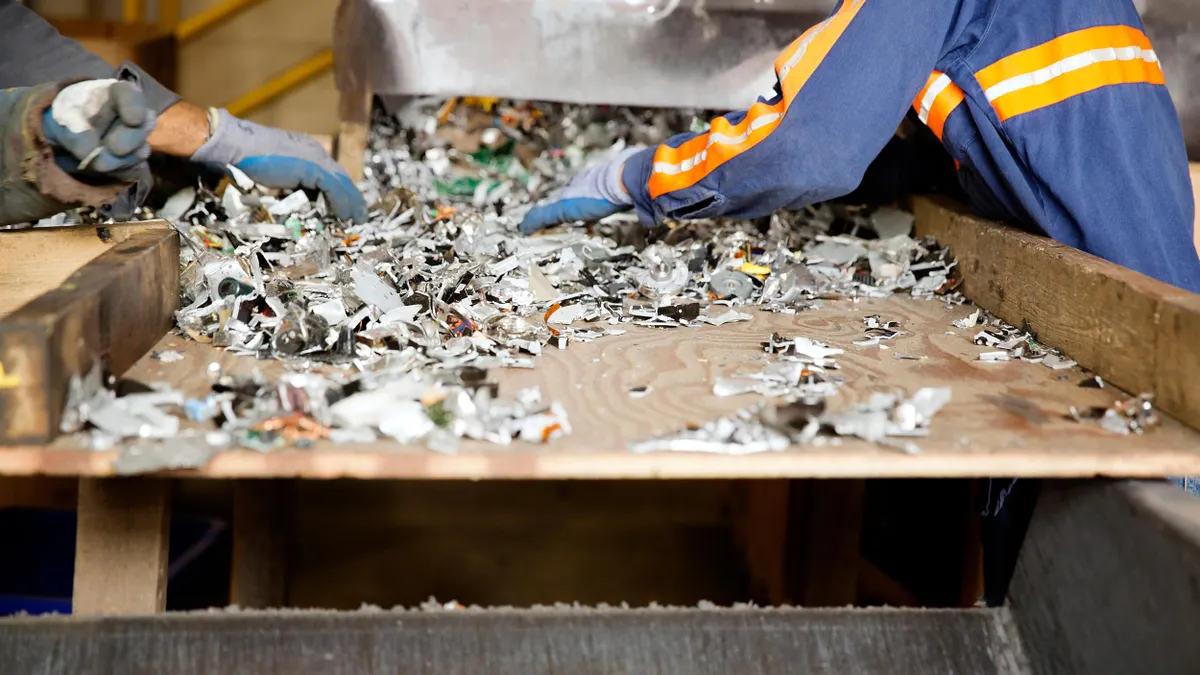
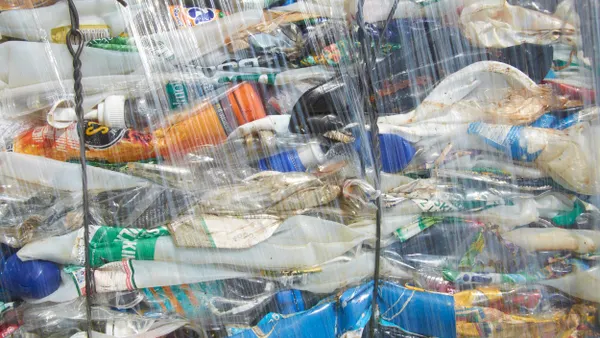
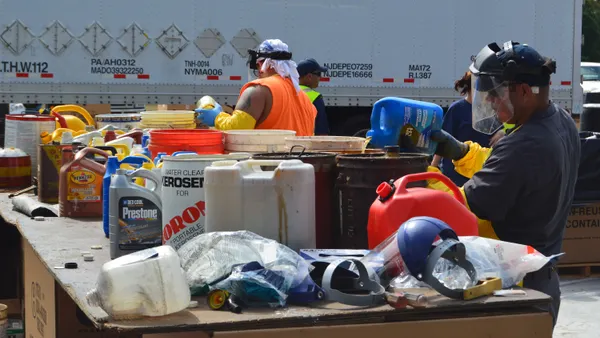
CHaRM takes materials like electronics, residential paint, tanks and household hazardous waste for a small fee. It also allows residents without curbside recycling service to drop off items like aluminum cans, plastics and cardboard for free.
Together, SWDA’s existing CHaRM facilities have served 19,369 customers, and workers there have manually collected and processed 26,205 hard-to-recycle items, SWDA said in a news release.
The new 47,538-square-foot Gulf Shores location also has the added benefit of keeping materials off the coasts and out of the ocean, said Chris Blankenship, commissioner of the Alabama Department of Conservation and Natural Resources.
The facility was partially funded through a $1.5 million grant from the Gulf of Mexico Energy Security Act, or GOMESA, a federal program that shares Gulf oil and gas production revenue with certain coastal states to fund conservation projects.
“The Orange Beach CHaRM is a perfect example of that investment at work. By expanding access to responsible recycling and disposal services, this facility will help protect our coastal waterways, wildlife habitats and the natural resources that are so important to Baldwin County’s quality of life and economy,” Blankenship said.
Local opportunities to capture recycling end market revenue
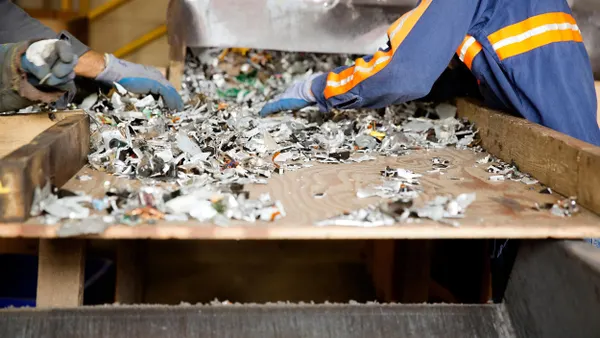
The CHaRM facilities have another benefit, too: bringing in higher volumes of recycled materials that can be sold to local end markets.
SWDA hopes that with higher volumes of recyclable materials, it can take better advantage of business-centric recycling opportunities that are unique to the county. Baldwin County is close to some of the most recognizable recycling end markets in the U.S., including Troy-based KW Plastics, which describes itself as the world’s largest plastics recycler and supplier of HDPE and PP recycled resins. The authority also sends some of its recycled plastics to Indorama Ventures, a major global rPET resin producer with a facility in Athens, Alabama.
“The great thing about Alabama that most people don't realize is we have a lot of end markets in our state. We're not having to really ship many things outside of Alabama. There's a lot of cardboard markets nearby too, like Pratt or International Paper,” Graham added.
Baldwin County is also preparing for Novelis to open its new $5 billion integrated recycling and rolling plant in Bay Minette, which is expected to consume about 17 billion used beverage cans a year to fuel its aluminum production. That plant is expected to finish commissioning in the second half of the year, and the waste authority is already shipping all of the aluminum it collects to Novelis, she said.
“We want people that are moving into our area to know that [recycling] is part of the infrastructure that we have, that it's part of where our future is,” Graham said. “We just want people to realize that we're not taking this lightly. This is a new opportunity and something that we're really proud to embrace.”
This story first appeared in the Waste Dive: Recycling newsletter. Sign up for the weekly emails here.