New laws and regulatory updates related to right-to-repair laws and extended producer responsibility programs have taken effect in July.
Some updates help advance EPR for textiles, carpet and packaging programs in California, Washington and New York. Meanwhile, a new right-to-repair program in Connecticut encompasses most types of consumer electronics.
These updates build on a list of new laws that took effect in January.
What new recycling and waste-related laws are affecting your area? Let us know at waste.dive.editors@industrydive.com.
Connecticut right-to-repair law takes effect
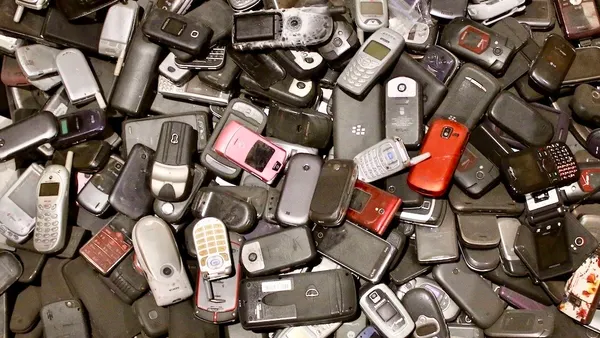
Connecticut’s right-to-repair law for consumer electronics went into effect July 1. The law covers most new home electronics and appliances manufactured after July 1, but certain products like video game consoles and alarm systems are exempt.
The law requires manufacturers of covered equipment to make certain parts, tools and manuals available to independent repair providers. The right-to-repair provisions are part of a larger consumer protection law the Connecticut legislature passed in 2025.
Textile producers meet key California EPR deadline
Textile and apparel producers selling products in California had until July 1 to meet a key EPR for textiles deadline: register with the state’s producer responsibility organization.
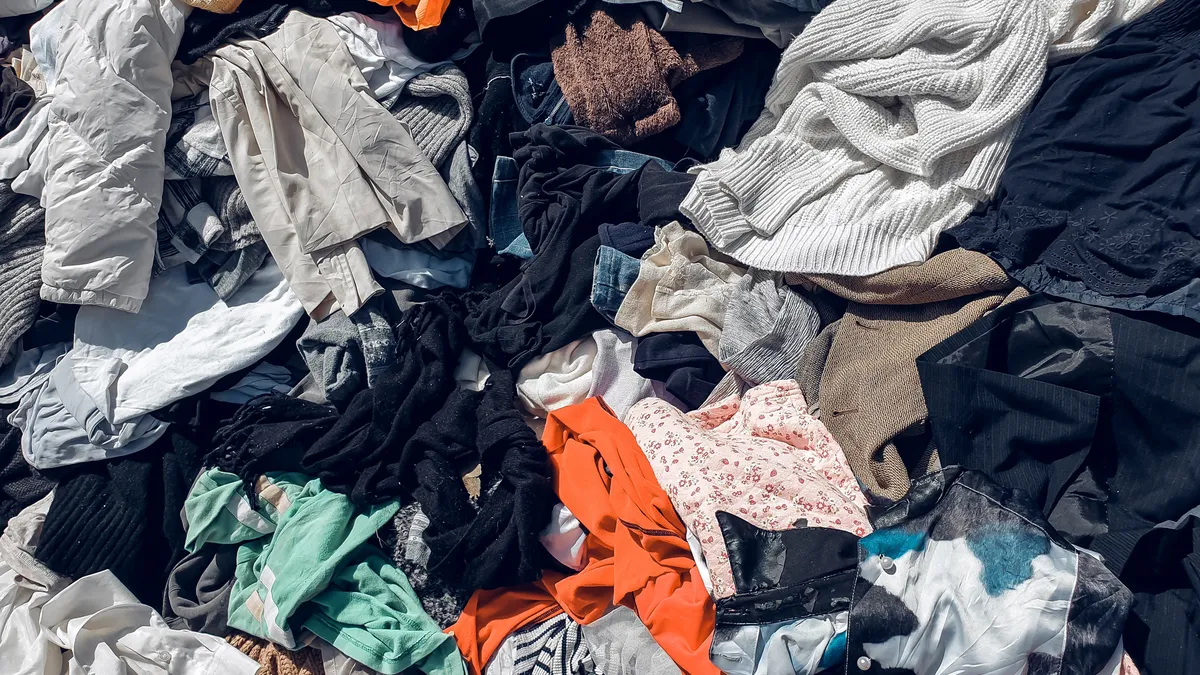
CalRecycle selected Landbell USA to manage the country’s first textile EPR program, which aims to divert clothing and other textiles from disposal. The program, which applies to covered materials like clothing, towels and bedding, is set to start in 2030.
Washington producers join packaging EPR PRO
Packaging producers in Washington had a July 1 deadline to register with the Circular Action Alliance, the state’s producer responsibility organization, under the state’s EPR for packaging program.
The law also calls for the state’s Department of Ecology to conduct a statewide needs assessment and submit it by Dec. 31, 2026, to be updated with any new data by Dec. 31, 2027. When fully implemented in 2030, the law establishes an EPR program for most kinds of paper and packaging and aims to expand curbside recycling service for hundreds of thousands of households.
New York’s carpet EPR program delayed again
Implementation has been delayed on key parts of New York’s carpet EPR law, originally set to begin July 1. A state enforcement discretion letter from New York’s Department of Environmental Conservation offers an extension on previous deadlines to give carpet producers more time to comply with new rules.
The law requires carpet producers to join a PRO and create a plan for establishing a carpet collection program. Producers now have until Dec. 31 to do so, according to the letter. The program will now officially go into effect on July 1, 2027. The letter also outlines other deadline extensions for provisions related to carpet sales and compliance reports.
New York’s EPR for carpet law sets mandatory carpet recycling rates, calls for recycled content in new carpet and requires free, convenient locations for residents to drop off old carpet. The law also bans intentionally added perfluoroalkyl or polyfluoroalkyl substances in new carpet.
This isn’t the first time the program has been delayed. The EPR for carpet law was originally signed into law back in 2023 and was meant to go into effect in 2024. But Gov. Kathy Hochul signed a chapter amendment in 2023 to postpone the effective date for the law until July 1, 2026, giving carpet producers more time to create collection programs.