Dive Brief:
- The U.S. Senate Committee on Agriculture released its draft of the farm bill on Tuesday. The long-awaited bill, which funds the U.S. Department of Agriculture for five years, includes provisions considered beneficial to organics recycling.
- The bill text omits language that would promote food loss and waste diversion research. That’s long been a priority for proponents of organic waste diversion, which successfully campaigned for the creation of the Food Loss and Waste Reduction Liaison position in the last farm bill, which passed in 2018.
- The Senate's current bill language also omits provisions on microplastics research and policies considered supportive of the compost industry. Food waste reduction groups like Refed plan to advocate for the inclusion of such provisions, which were part of the House’s farm bill draft passed in April.
Dive Insight:
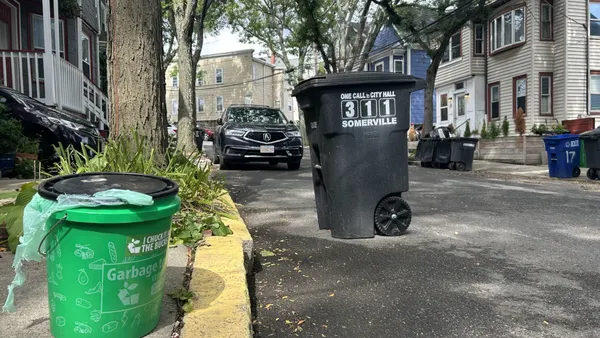
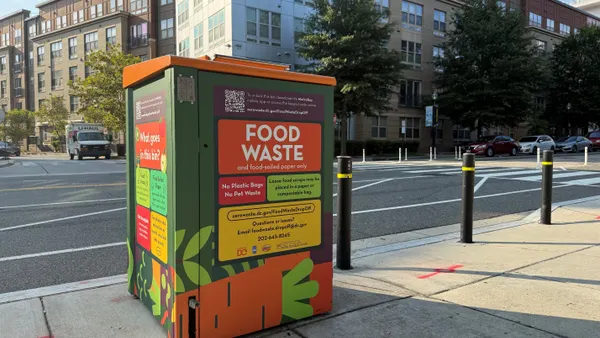
The farm bill has enabled supportive policy for small-scale composting projects for years. To date, the Composting and Food Waste Reduction program under the Office of Urban Agriculture has obligated more than $23 million to projects around the country since its launch in 2020.
The food loss and waste reduction liaison has also coordinated interagency action between the USDA and partner agencies like the U.S. EPA and the Food and Drug Administration. Food waste reduction proponents, organized as part of the Zero Food Waste Coalition, have advocated to expand the role into a full office during this farm bill cycle, though their efforts so far have been unsuccessful.
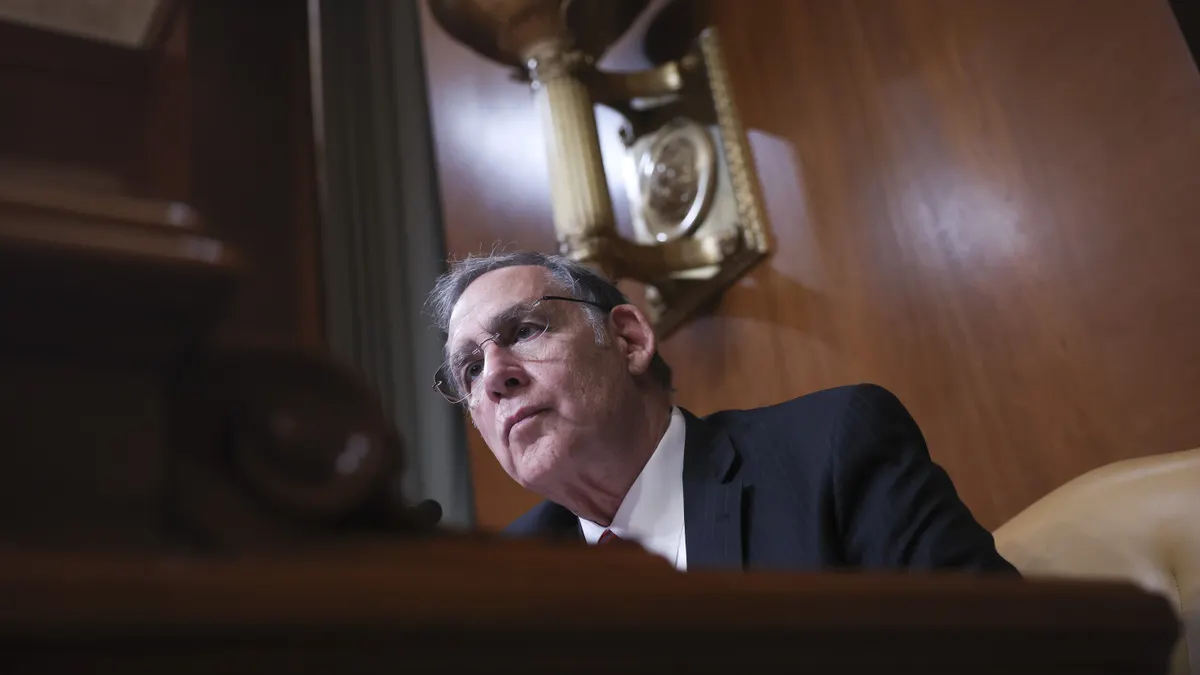
Nevertheless, the farm bill appears to continue to support existing compost-related initiatives. In a statement accompanying its release, Sen. John Boozman, R-Ark., chairman of the Senate Committee on Agriculture, Nutrition, and Forestry, called the newly released language a “discussion draft that reflects the input and priorities of Republicans, Democrats, and most importantly, rural America.”
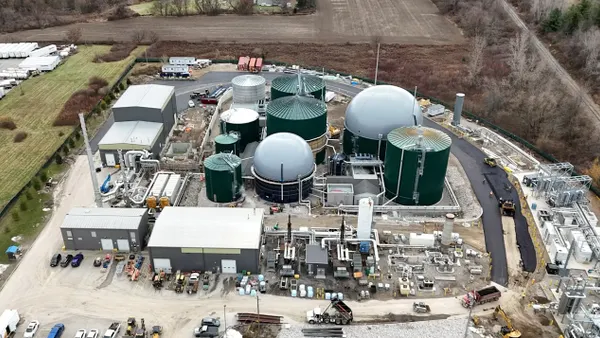
The bill would make permanent community compost funding programs run by the USDA's Office of Urban Agriculture. It would also make anaerobic digestion projects eligible for funding under the program, similar to language in the House’s version of the farm bill.
And like the House version, the Senate's farm bill draft would also double the maximum loan guarantee for projects funded by the Rural Energy for America Program from $25 million to $50 million. The program has emerged as a funder of farm-based biogas projects, though the USDA has been scrutinizing the financial stability of such projects over the last year.
The Senate’s draft omits some provisions included in the House’s final version of the bill.
Both versions of the farm bill include language on researching the effects of PFAS contamination on farmland, but the Senate's version does not include an additional look at microplastics that the House included. The House also specifically called out PFAS contamination from land-applied biosolids or compost, while the Senate did not.
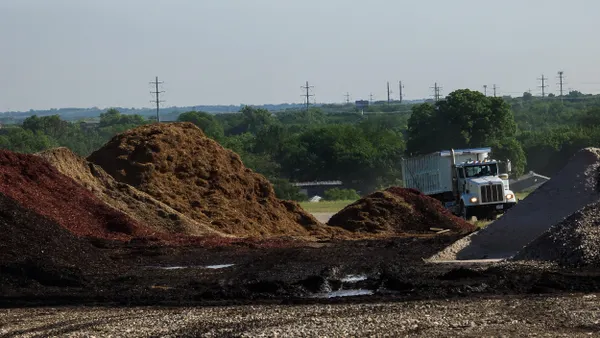
The House also proposed making composting a conservation practice, while the Senate version would not. That designation, which was included in a last-minute amendment, is a longtime priority of the composting industry. It would allow more farmers to get reimbursed by the federal government if they use compost as part of a conservation plan, according to the U.S. Composting Council.
In a statement, Kumar Chandran, policy director at Refed, said that food waste reduction policy can help address consumer’s concerns about affordability and drive more revenue for struggling farmers. He praised provisions of the Senate draft that supported the Composting and Food Waste Reduction program, but said there was more work to do to align with the House's language.
"As the farm bill process unfolds, we look forward to working with the Senate to carry over the food waste provisions from the House-passed bill," Chandran said.
Congress is three years overdue to pass a new farm bill. This year’s iteration still must go up for debate in the Senate agriculture committee, though it does not yet have a meeting on its calendar to discuss the bill.