The U.S. biochar industry saw major growth over the last few years, fueled by cheaper feedstocks, increased demand and a broadening carbon credit market, according to a report released last week by the American Biochar Institute.
Annual production rose from 86,893 metric tons of biochar in 2023 to 151,329 metric tons in 2025. The industry's total economic value tripled over that same period, as equipment manufacturers began to scale and production became more sophisticated.
ABI, a nonprofit established in 2009 to support the development of a U.S. biochar industry, surveyed more than 400 industry participants in 2025 for its report. Over the last few years, it's seen growth in biochar largely driven by the use of woody biomass feedstocks, including the residual sawdust, bark and wood chips created by the forestry industry.
But there are signs that other feedstocks may be on the rise as the industry matures. Startups like Orbital Biocarbon that process sewage sludge into biochar have begun to attract investment. Amp Robotics is also developing a system that will sort out the organic component from municipal solid waste, which it will then process into biochar.
Amp plans to generate revenue both from a processing agreement with the Southeastern Public Service Authority of Virginia and from carbon credits it will generate through the creation of its biochar. That combination of tipping fees and carbon credits provides a potent case for a waste-to-biochar boom, said Myles Gray, executive director of ABI.
"I think the waste industry probably has the most bulletproof business model right now in the biochar space," Gray said. "It's only just getting into the game right now."
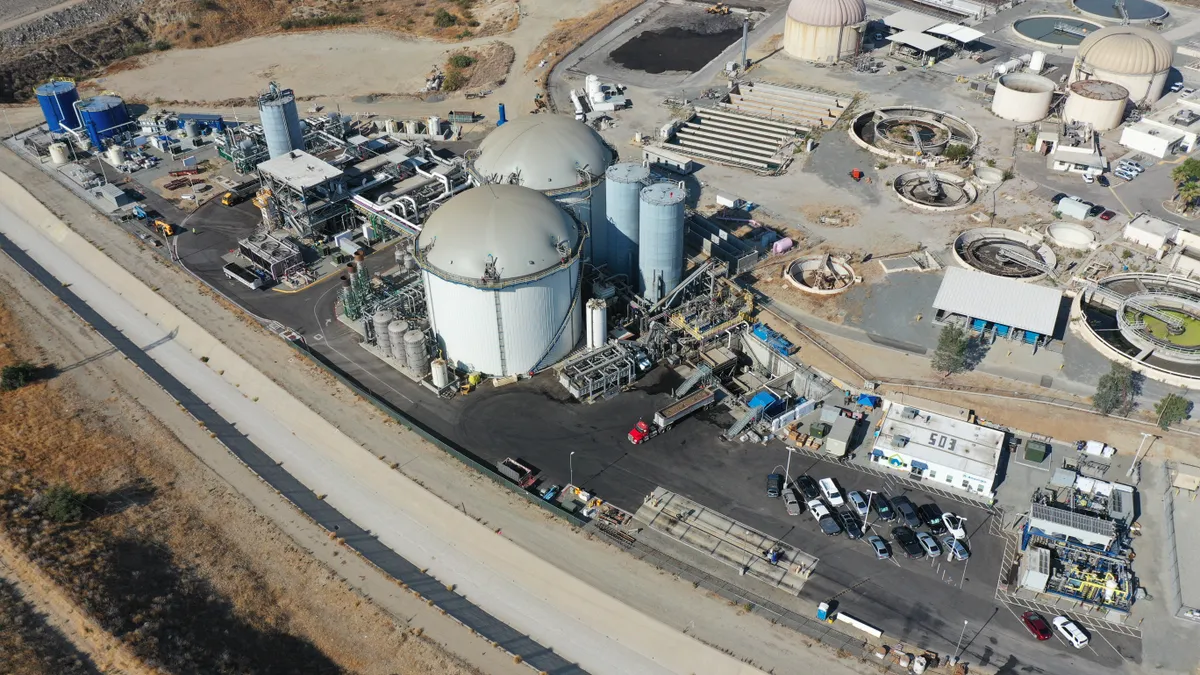
Biochar is typically created by treating organic materials like wood waste and biosolids through pyrolysis, which subjects feedstocks to high temperatures in an oxygen-free environment. The process creates gases and solid biochar.
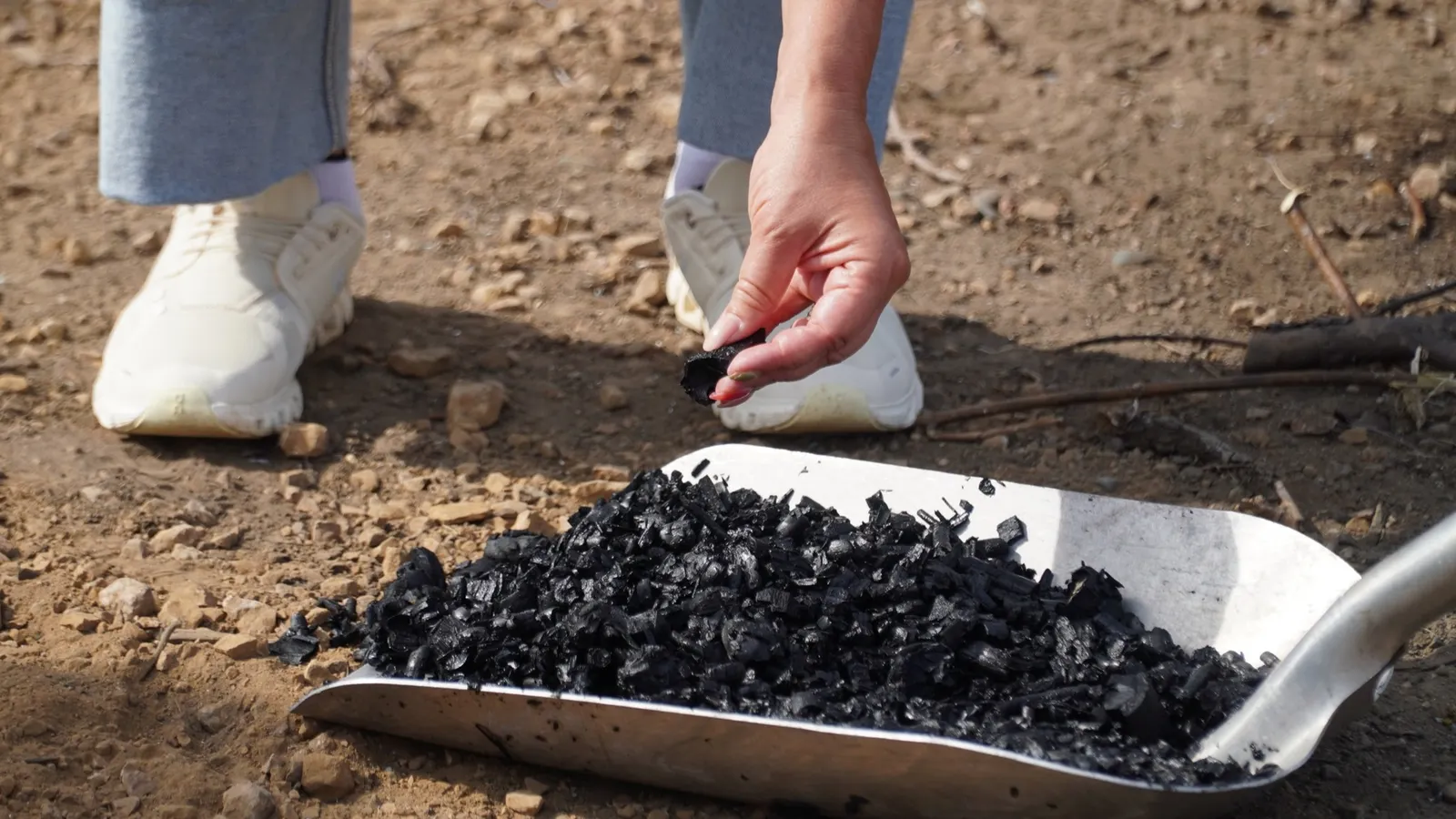
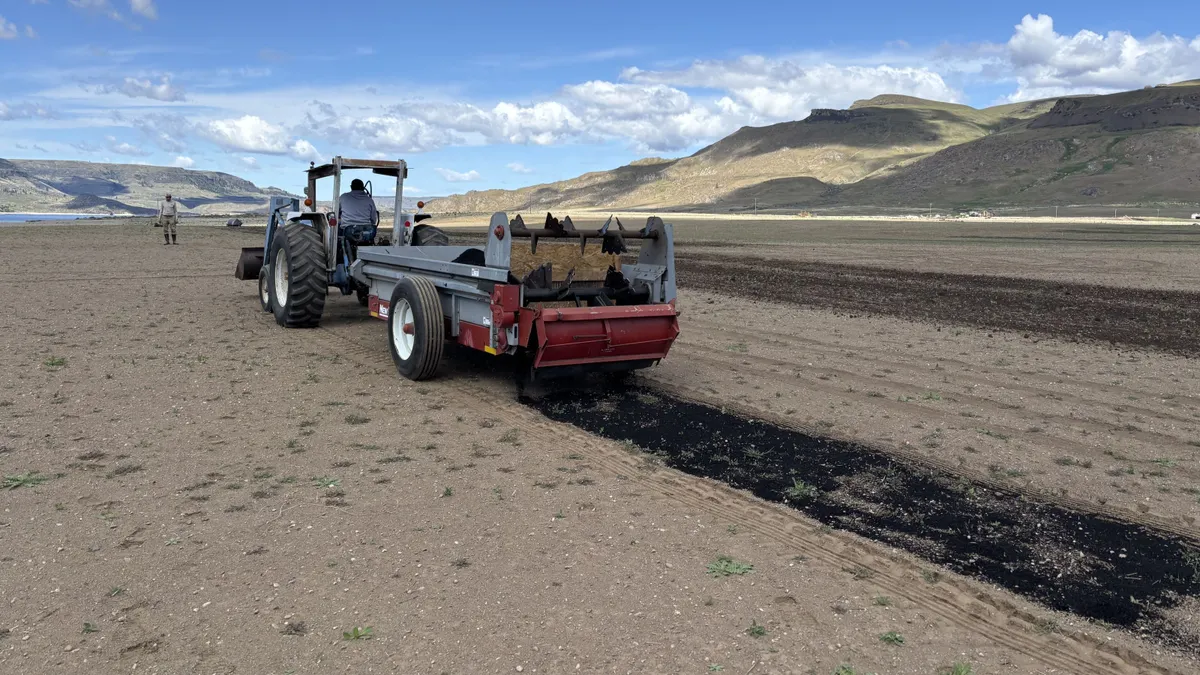
The biochar itself is a form of activated carbon that can help soils retain nutrients and filter certain contaminants like heavy metals and per- and polyfluoroalkyl substances. Biochar is also slow to break down, leading to increasing interest in the material as a form of long-term carbon sequestration.
The carbon credit market has broadly begun to recognize biochar as a means of carbon removal, regardless of feedstock type — about 94% of biochar companies in the U.S. today generate revenue from credits, per ABI's report.
The report found that 42% of biochar produced in the U.S. was associated with operations generating 11% to 20% of their revenue from carbon credits, while 25% of production was associated with operations generating 71% to 80% of their revenue from carbon credits. That indicates a divergent approach within the industry in which some producers rely on the credits while others use them to supplement revenue from other aspects of the business, like tipping fees and the sale of the biochar itself.
The biochar industry is a heterogeneous mix of companies. Several of the most common feedstocks today are forms of woody biomass, including leftover material from forestry management, ecological restoration projects and natural disasters.
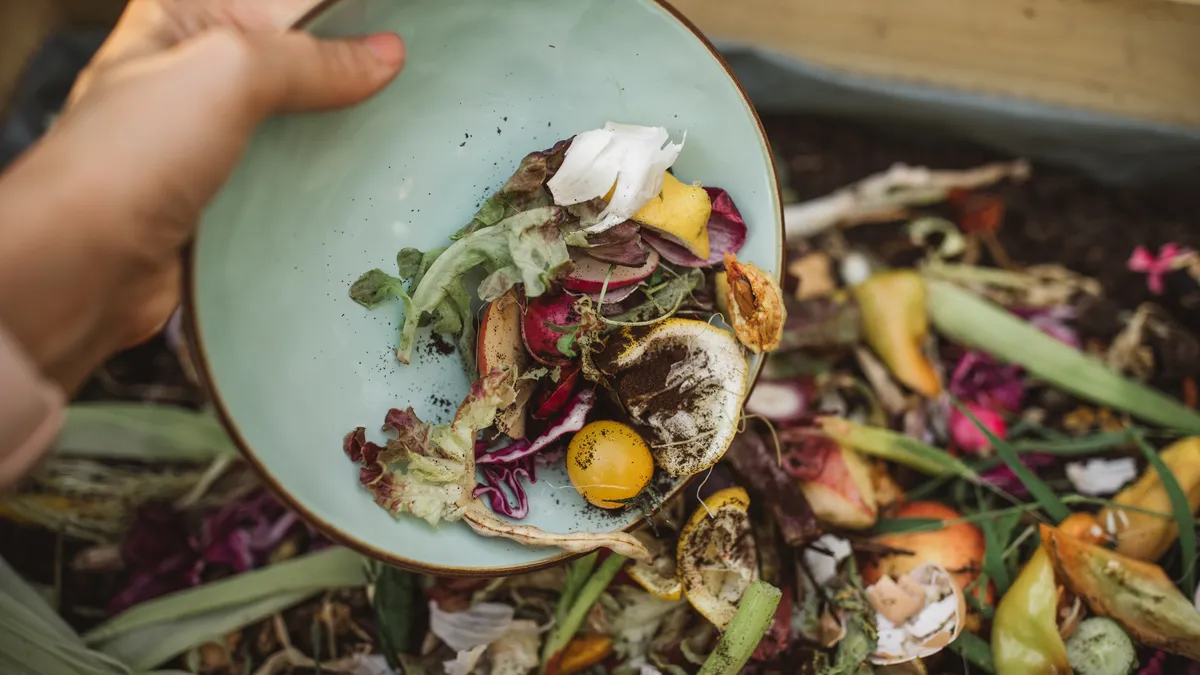
Meanwhile, about 13% of ABI’s survey respondents reported using construction debris, 9% reported using food waste and 5% reported using biosolids. But Gray thinks the use of those materials in the biochar industry will grow faster than other sources of feedstocks over the next decade, and may even overtake woody biomass in terms of total production capacity.
Gray expects non-biomass feedstocks to become more common over time. The carbon credit market can be fickle, and biochar projects in other countries are cheaper than U.S. counterparts, suppressing the price of biochar-related carbon credits in international marketplaces, he said.
There are also structural reasons why biomass-based producers may one day be overtaken by waste, Gray said. For one, the former category often has to pay for its feedstock from the forestry industry. It's also further exposed to the whims of commodity markets — biochar production has increased in part because forestry product residual prices are low, due to declining demand from the paper industry, per Gray. But if those dynamics shift, it could be to the detriment of biochar producers.
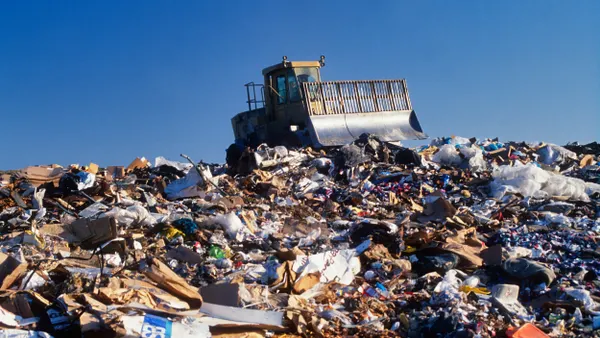
Public officials and private companies alike are increasingly looking for alternatives to disposal for organic materials and may be willing to pay the tipping fees necessary to make biochar economical.
"The companies that are successful right now in the U.S. that are growing fastest are those that are managing organic wastes," Gray said. "If you can bring that piece in, it makes the business model a little simpler."
For now, that means the greatest economic value many biochar producers can provide is in their ability to process organic materials rather than their final products. Gray said ABI is focused on developing end markets to convince people that biochar producers are creating something valuable.
ABI predicts a 133% compound annual growth rate in biochar production from 2025 to 2027, which would mean more than 800,000 metric tons of biochar would be produced nationwide next year. That's based on optimistic assumptions from planned facility expansions, the organization acknowledges.
Still, even if half of the projected growth occurs by 2027, which Gray said is more likely, that would lead to hundreds of thousands of tons of additional biochar produced. That represents significant growth, something the biochar industry has long hoped to see.