Dive Brief:
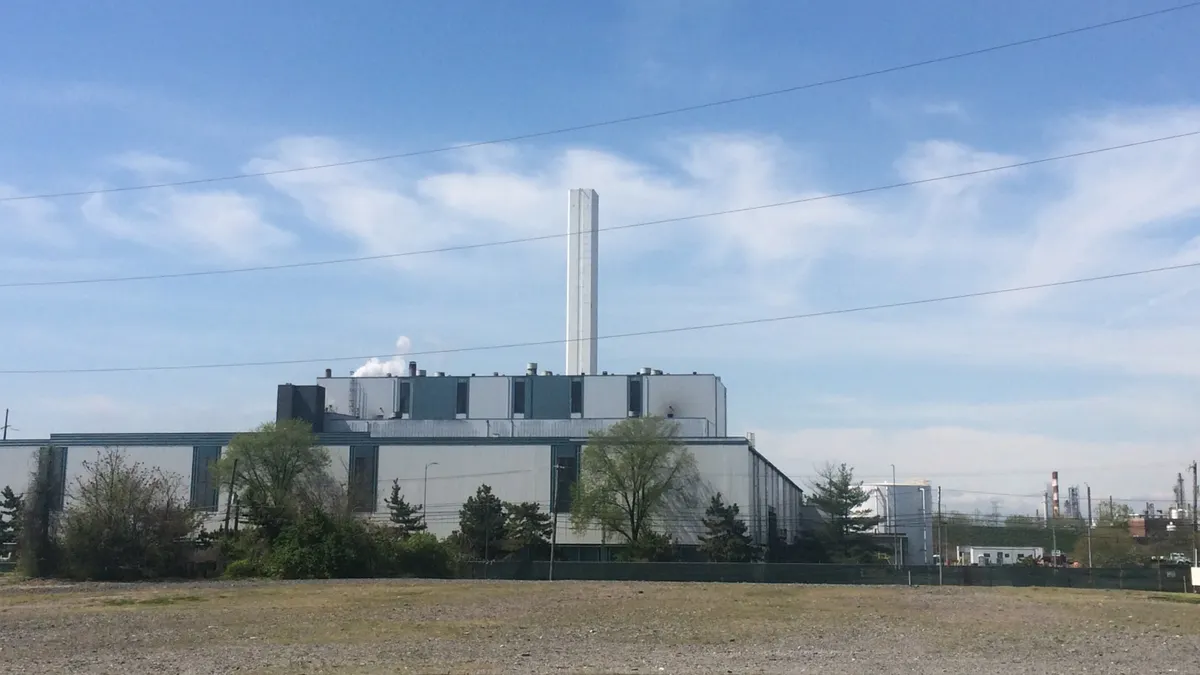
- The Philadelphia Department of Sanitation on Friday announced plans to award solid waste disposal contracts to WM, Reworld and Republic Services. The decision adds Republic to the city's list of waste providers and retains WM and Reworld, the latter of which operates the contentious Delaware Valley Resource Recovery Facility in nearby Chester, Pennsylvania.
- Several Philadelphia city councilmembers have advocated for an end to the practice of burning Philadelphia's waste, making the contract procurement process particularly contentious. Opponents say ending shipments of the city's waste to Reworld Delaware Valley would likely force the facility to shut down.
- The four-year contracts with the providers still need to be finalized. The city has not yet disclosed details, including the amount of waste each company is likely to accept.
Dive Insight:
Philadelphia has spent several months analyzing proposals from waste companies in the area. It initially released a request for proposals on Dec. 23, and began accepting bids on March 20, per the procurement department.
The city had previously signed seven-year contracts with WM and Reworld that expired at the end of Philadelphia’s fiscal year on June 30. The Sanitation Department extended those contracts by six months to cover the belated RFP process, according to a release.
Last year, Councilmember Jamie Gauthier introduced a bill that would forbid the burning of Philadelphia's MSW. The bill came close to a vote, but at a council meeting in January she postponed that vote as it didn't appear clear the bill would pass.
The Reworld Delaware Valley facility was built in 1992, and has long faced opposition from area residents. Pennsylvania considers Chester to be an area with environmental justice concerns, due in part to a pollution burden in the 99th percentile compared to other communities around the state. The area is relatively low-income and has high rates of asthma as well.
Philadelphia officials have acknowledged in the past the role they play in supporting the facility. A resolution passed by the city council in 2023 called the Reworld Delaware Valley facility the largest polluter in Chester, and urged city staff to evaluate the environmental justice impacts of the city's waste management practices and consider alternatives.
Philadelphia has previously sent about 400,000 tons of waste annually to the Reworld facility, about a third of its capacity. The facility in turn produces 87 megawatts of electricity and recovers about 35,800 tons of metal each year. Reworld has positioned the facility as a cleaner alternative to landfilling, which comes with its own pollution challenges.
The request for proposals also includes details on Philadelphia's existing collection services. The Sanitation Department collects about 600,000 tons of waste and 85,000 tons of recyclables annually using a fleet of more than 300 vehicles.
In addition to the initial four-year term, the city also has the option to extend the contracts through three one-year terms. WM plans to provide disposal capacity at its Fairless Landfill, while Republic plans to provide capacity at its Conestoga Landfill, according to city documents. Amp Robotics and eForce Compliance had also bid on the request for proposals, but were not selected.
City leaders plan to support zero waste measures, per the release. Philadelphia's contract process for recycling is separate from the waste process. In its information-gathering phase last year, the city heard from one recycling firm that recommended a longer contract timeline than waste to support infrastructure development, bring down costs and further incentivize recycling in the city.