Dive Brief:
- WM has signed a new recycling processing contract with Seattle Public Utilities scheduled to start in April 2027, a move the agency hopes will help reduce contamination rates and improve commodity quality.
- The five-year contract, with the option for two three-year extensions, is expected to cost SPU about $6.4 million in 2027. WM will make improvements at its recycling facility in Tacoma and two transfer stations in Seattle to help fulfill the contract, a WM official said.
- Seattle’s current recycling processing contract is with Rabanco, a division of Republic Services, which has held the contract since 2007, according to city council documents.
Dive Insight:
The contract broadens WM’s presence in Seattle, where the company already provides residential and commercial waste and recycling collection services for the city’s Northwest and South areas, as well as some yard and food waste collection services. Recology covers these services for the city’s Northeast and central areas. WM also manages Seattle’s C&D waste on a separate contract.
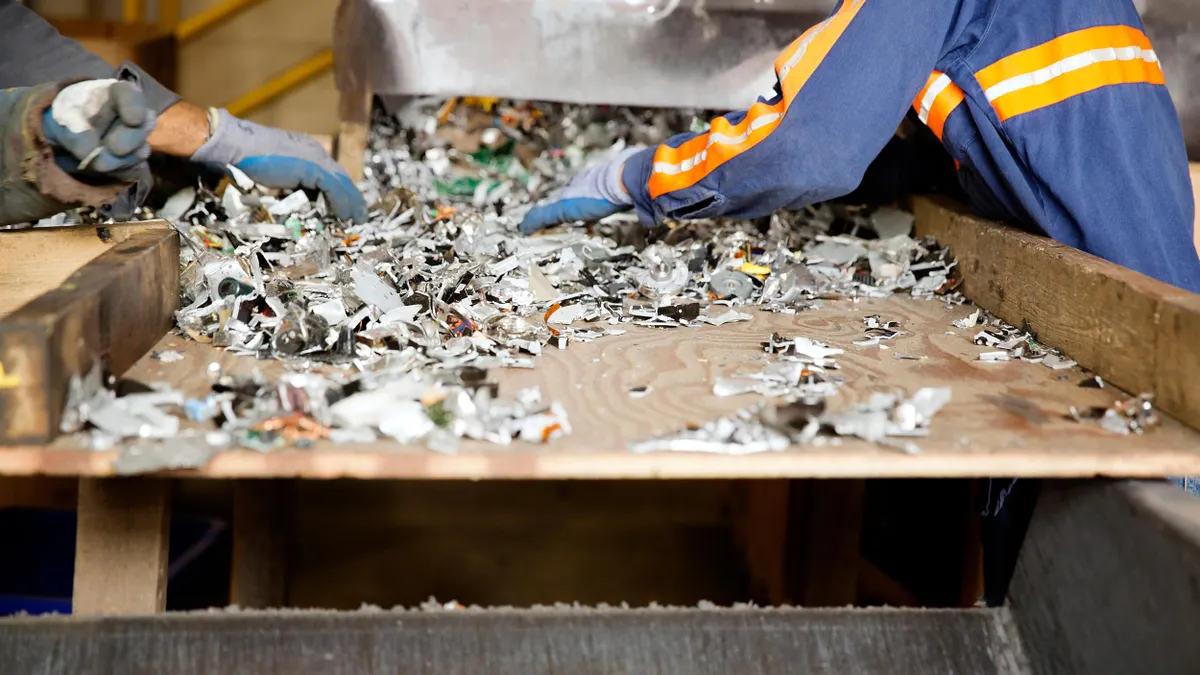
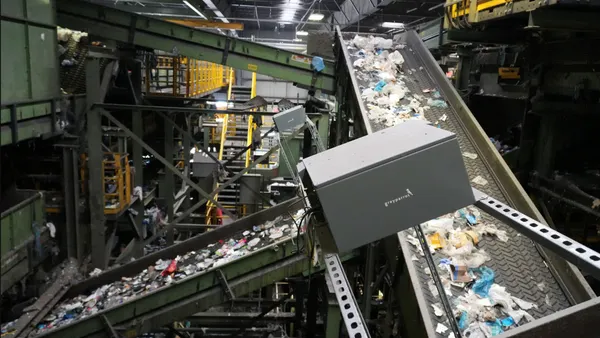
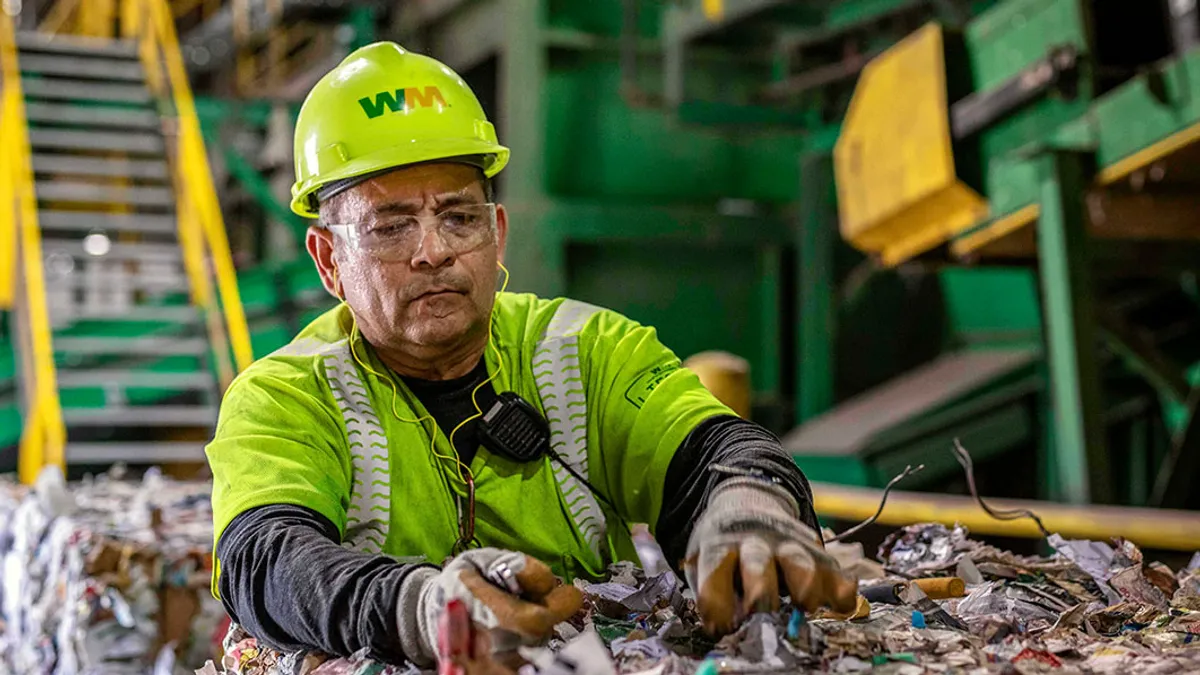
WM will process Seattle’s recyclables at recycling facilities in Woodinville and Tacoma which have AI-assisted sorting capabilities designed to make sorting more efficient and catch more contaminants, according to a WM spokesperson. The Cascade Recycling Center in Woodinville underwent a $40 million upgrade in 2023. WM also upgraded its Tacoma facility in 2022.
The two MRFs are meant to offer logistical and facility redundancy to “seamlessly manage the city’s recyclables and ensure uninterrupted, efficient service,” said Jason Rose, area vice president for WM Pacific Northwest, in a statement.
WM also operates another MRF in Washington, the Spokane Materials and Recycling Technology Center, which is not expected to process recyclables as part of this contract.
Seattle City Council approved the recycling processing contract on June 16. SPU says the new contract will cost more than its previous contract with Rabanco, in part because Rabanco’s contract goes back several decades and processing costs have increased since then. That contract has been renewed several times under similar terms and conditions.
WM will also charge a higher processing fee compared to the prior contract, SPU stated in a fiscal note, but says it would ultimately offset the higher processing fee through “improved recycling processing and commodity quality requirements, which increase commodity volumes and revenues and reduce disposal costs to ratepayers.”
SPU says WM is expected to offer “higher goals for regional markets and markets that have reduced negative environmental impact” and provide improved “overall end-market transparency.” That transparency could also help improve the public’s trust and participation in recycling, the utility said.
SPU says it was looking for a contractor that could improve the quality of recyclables into higher-grade commodities. That is a priority, SPU said in the fiscal note, because it expects to lose about $2.4 million in commodity revenue through 2030 due to “declining market prices.”
Though the contract doesn't start until 2027, SPU wanted to formalize the agreement in 2026 to give WM time to purchase new equipment or upgrade or reconfigure its facilities before the April 2027 start date.