Consumers, recyclers and communities are grappling with how to manage materials that don’t always have the clearest recycling pathways, from vapes to textiles to batteries. So what does it take to move a material from “recyclable” in theory to recyclable in practice?
Speakers at a virtual National Zero Waste Conference panel on Thursday offered perspectives on how to approach these problems on realistic and practical terms and offered lessons from recycling puzzles of the past.
Recyclers are problem-solvers that can see potential in a range of difficult-to-recycle materials, but they’re also practical, said Leslie Brooks, principal consultant of Kaizen Sustainability Solutions. Without a clear path for collection, processing, and end markets — not to mention sufficient funding to carry those processes out — a material is not going to be recycled.
“The material can have value, and a technology can exist to recover it. Yet it can still end up disposed of,” she said.
Speakers agreed that a product’s design is central to whether it can be successfully recycled, but noted that design-for-recycling conversations among producers, recyclers and consumers have been uneven in recent years.
Most of the new EPR for packaging laws — passed in seven U.S. states — include some provision that calls for producers to use packaging that is more easily recycled, or redesign their packaging to incorporate recycled content. Progress on packaging EPR implementation could shed some light on what it takes for companies to redesign their products, said Stefanie Valentic, a policy reporter for Resource Recycling.
Those insights could also apply to products that aren’t required by law to include recyclable materials or more easily-recycled elements.
But Justin Stockdale, a self-professed “garbage nerd” and owner of Recycled Revival consulting firm, said the majority of packaging EPR programs in the U.S. are led by product producers. “In my opinion, we're handing over the control of those systems to the very manufacturers we're trying to regulate.”
Stockdale instead advocates for a more consumer-centered approach, where recycling systems are designed more around consumer behaviors and desires to see products last longer and become more recyclable. “There’s example after example where the consumer decision-making really drives manufacturer behavior,” he said.
Stockdale also calls for recycling system designers to be realistic about how a hard-to-recycle material will actually be collected, processed and handled. Consumers often face roadblocks, such as inconvenient drop-off programs that require them to travel long distances or pay to get rid of certain items, he said.
Marrying consumer convenience and producer accountability is the key to successful recycling programs, said Joanne Brasch, assistant director of the California Product Stewardship Council.
“If we don't hold the industry accountable, it's just a bunch of money into collection and sorting,” she said.
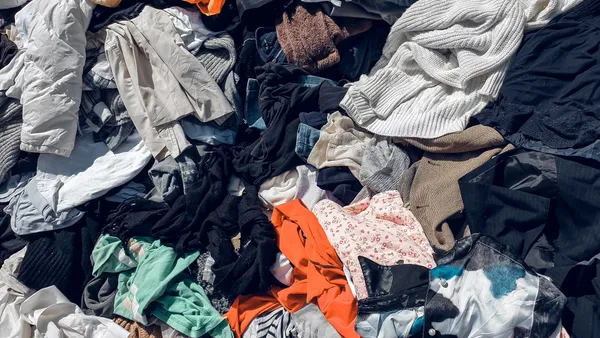
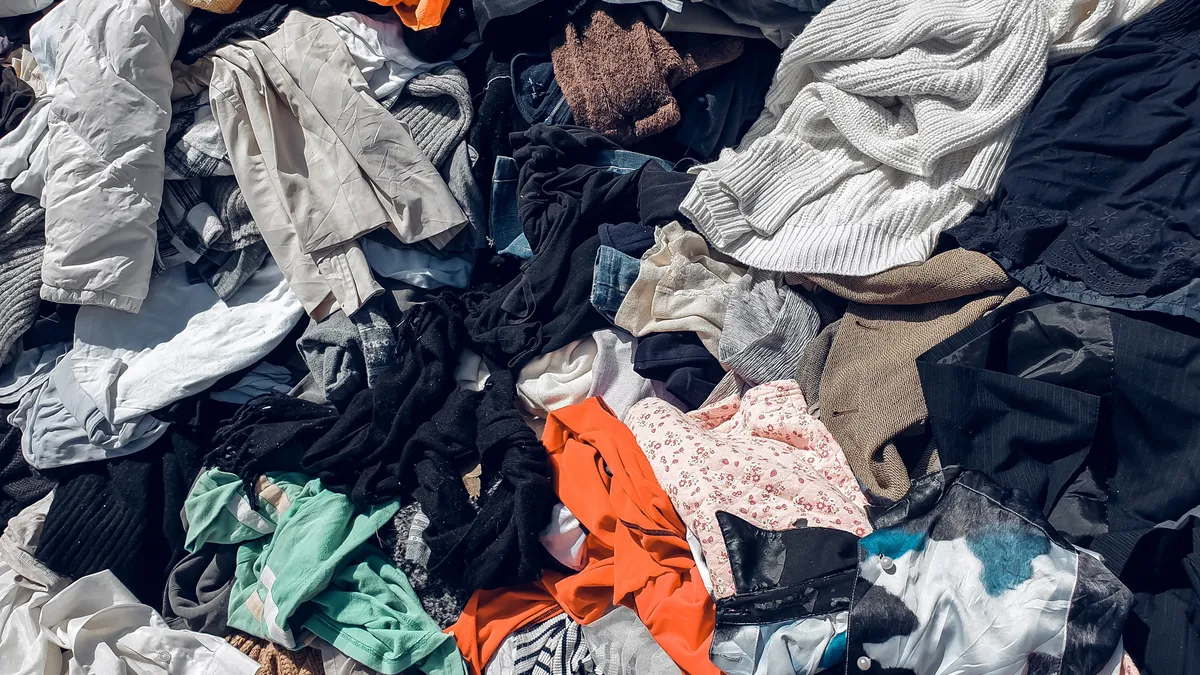
California already has experience regulating recycling systems for challenging materials such as pharmaceuticals and sharps, she said. CPSC also helped lead the state’s recently passed textile EPR law, which requires producers to pay for the management of clothing and other items at end of life, including convenient reuse and repair options.
Speakers also stressed that hard-to-recycle materials cost money to manage, and it’s important that those costs are distributed fairly.
“In the current political moment we're in, affordability reigns supreme in the vernacular,” Brooks said. “I've always asked: affordability for who? If it's affordability for the producer, that's a lot different than affordability for local governments and jurisdictions.”
Some producer groups have criticized EPR structures, saying the costs producers incur to comply with new recycling rules will be passed on to consumers. Brasch said that hasn’t penciled out for producers of sharps and prescriptions covered under California’s law, where they’re required to internalize costs.
For the state’s mattress, carpet and paint stewardship programs, customers pay an upfront fee that can be between 3% and 5% of the product’s price, she said. For newer stewardship programs — say, for textiles and certain batteries — “we still don’t know. What's really important is transparency into those fees.”