This is the latest installment in Waste Dive’s Biogas Monthly series.
Ontario-based Char Technologies is ramping up multiple facilities in the U.S. and Canada offering high-temperature pyrolysis for organic waste streams. The company is betting it can offer a solution for woody biomass, biosolids and other materials by turning them into biogas and solid fuels for steelmakers.
The company began by developing a process to convert anaerobic digestate into an activated carbon product that could pull hydrogen sulfide out of biogas. But when executives met with steel manufacturer ArcelorMittal, they decided to pursue a solution to produce biocarbon that could replace metallurgical coal in steelmaking facilities.
Char Tech developed a new facility that could process woody biomass to meet that need. When the feedstock is processed through a high-temperature pyrolysis process, it produces 20% solids that can be turned into biocarbon and 78% volatile matter and gas. The latter component could easily be upgraded into RNG, representing a revenue opportunity for Char Tech, said CEO Andrew White.
"If you’re bringing in a feedstock and you’re not able to create a revenue stream and value stream out of 78% of it, that limits what you can pay," White said.
The company is considering developing other products as well, including biochar instead of biocarbon. But White noted that the market for biocarbon is more straightforward, as steelmakers can take in large quantities at once. Meanwhile, biochar offtake partners are more diffuse, and the market is more reliant on carbon credits for revenue.
Char Tech is also partnering with Synagro and the City of Baltimore on a facility to process biosolids into biochar, removing per- and polyfluoroalkyl substances in the process. The partners recently announced PFAS were substantially eliminated in biochar produced at their pilot site.
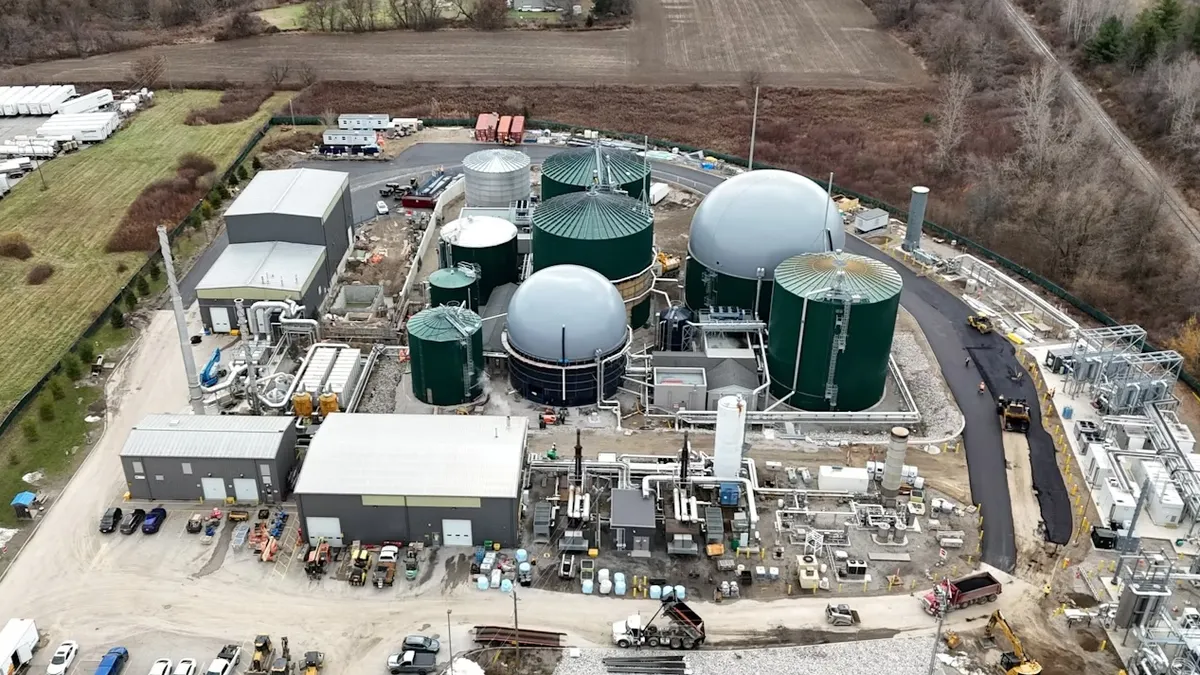
Char Tech’s first commercial-scale plant is expected to come online this month in Thorold, Ontario. It’s developing two other facilities in Saint-Félicien, Québec, and Hurket, Ontario. Each of those is expected to produce biocarbon and RNG. White said the company is also interested in advancing its biosolids process in the United States, potentially by licensing the technology rather than building new plants itself.
"Ultimately what we're doing here is important," White said. "It's about getting the technology deployed rapidly."
Below is a selection of other biogas news from August.
Biogas companies report Q2 earnings
Publicly traded companies operating in the biogas space reported their second quarter earnings in August. Three of them reported improving financial metrics.
Anaergia reported revenue of $63.9 million in the second quarter of this year, up from $32.3 million in Q2 2025. The company's net loss was $2.1 million, compared with a net loss of $9.5 million in Q2 2025.
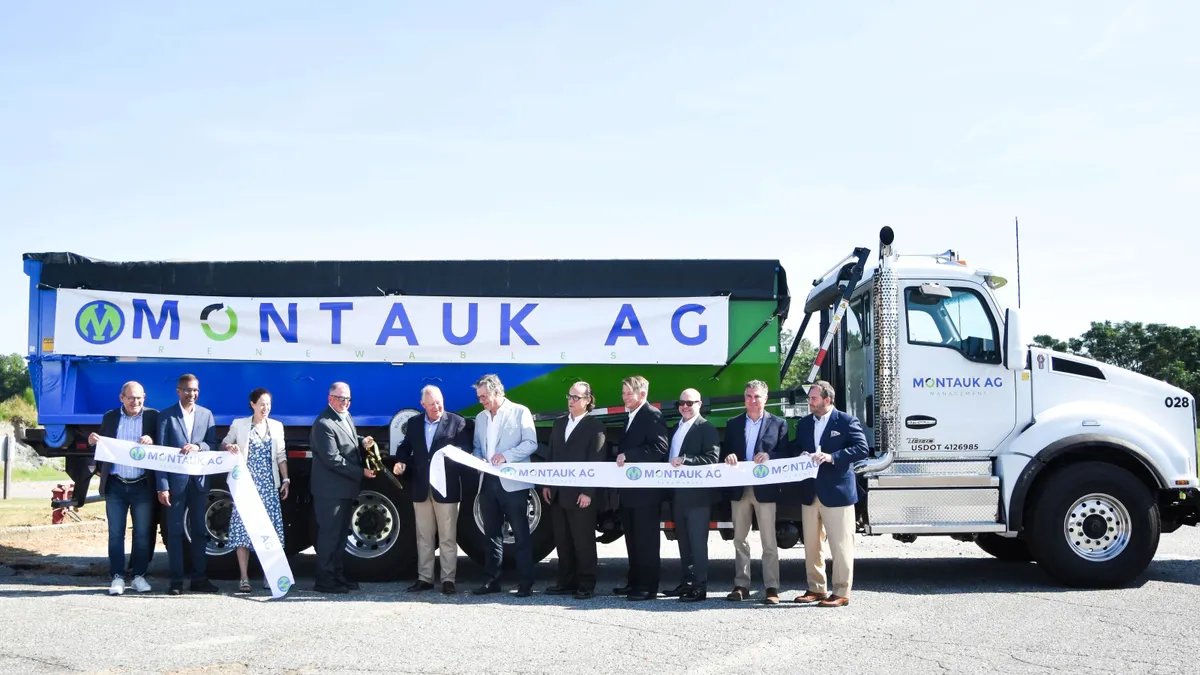
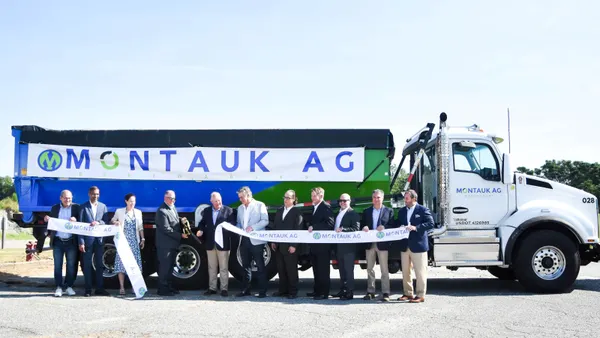
Montauk Renewables reported revenue of $54 million in Q2, up 19.7% year over year. It reported a net income of $200,000 compared with a net loss of $5.5 million in Q2 2025. The company's RNG production increased 3% year over year, reaching about 1.5 million mmBtus for the quarter.
Clean Energy Fuels reported revenue increased 3.7% year over year in Q2 to $106.4 million, while it showed a net loss of $14.9 million in Q2, compared with a net loss of $20.2 million in Q2 2025. The company sold 63.2 million gallons of RNG in Q2, up 2.9% year over year.
Clean Energy Fuels also reported a string of new fueling and maintenance agreements with partners across Western Canada. Waste companies named in the announcement include GFL Environmental, Integrity Waste Solutions, Prairie Waste Solutions and Environmental e360.
Neogenyx Fuels kicks off Nebraska manure digester project
Negoenyx Fuels and Adams Land & Capital broke ground Aug. 26 on an anaerobic digestion facility at a feedlot in Broken Bow, Nebraska. The facility will convert manure into roughly 1.2 million mmBtus of RNG annually.
Neogenyx formed in May as a spin off of Ameresco's biogas division. Private investor HA Sustainable Infrastructure invested $400 million in the spinoff and acquired a minority stake.
The company is planning to accelerate development of biogas projects, building on Ameresco's long track record in the space. The Nebraska project is its first in the agricultural space.
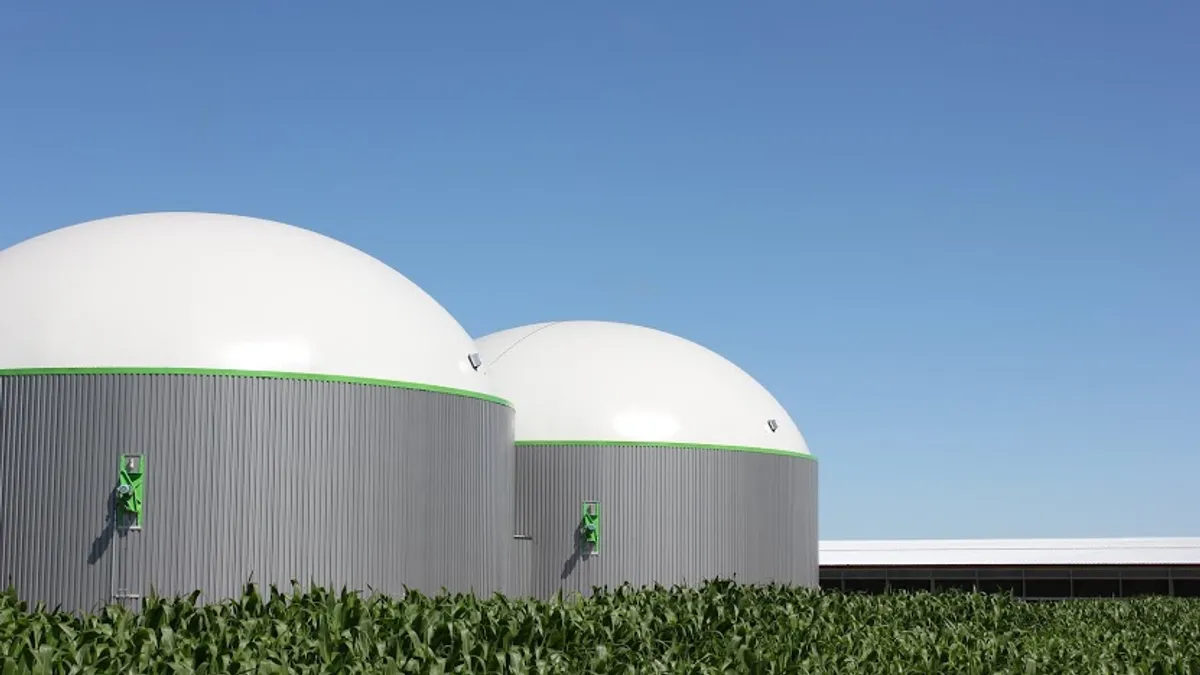
Anaergia is the equipment provider for the facility. The site will deploy eight anaerobic digestors capable of processing a combined 4,400 standard cubic feet of biogas per minute. Byproducts are also expected to be reused onsite as livestock bedding and agricultural fertilizer.
Waga commissions RNG plant at Indiana landfill
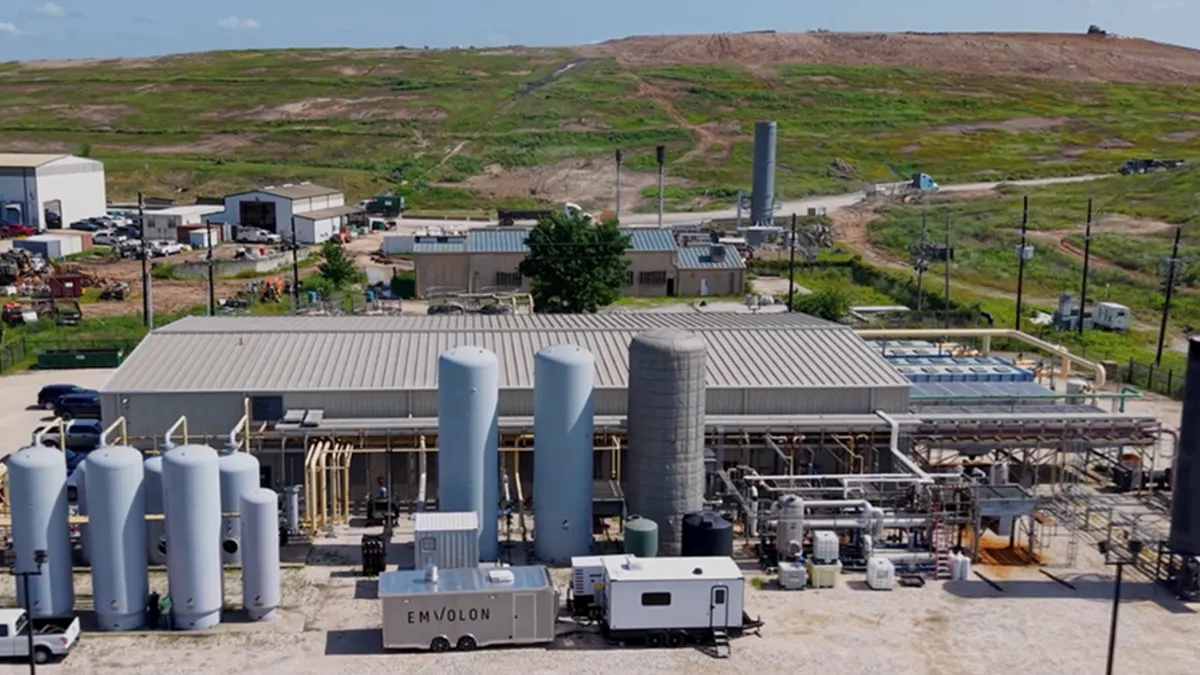
Waga Energy celebrated the commissioning of a new landfill-gas-to-RNG plant at Best Way Disposal's Decatur Hills Landfill in Greensburg, Indiana, on Aug. 18. The facility is expected to produce 203,000 mmBtus of RNG per year at full capacity, according to a news release.
Best Way Disposal, a family-owned company headquartered in Kalamazoo, Michigan, operates in four states and owns two other landfills. It invested in civil work and the natural gas interconnect for the RNG facility.
Waga financed and built the plant and will operate it under a 20-year agreement. It operates 38 RNG production units globally and has 19 units under construction. The company was acquired by private equity firm EQT Infrastructure a year ago.