Dive Brief:
- The U.S. EPA has extended the comment period by 30 days for its new guidance for managing per- and polyfluoroalkyl substance contamination in biosolids. Some interested parties have already begun to weigh in, with environmental groups in particular criticizing the report as a perceived reduction in ambition.
- EPA’s new draft guidance released in July criticized a previous EPA assessment published in the final days of the Biden administration. The newer guidance claimed the prior assessment was “disconnected from real-world conditions” in its findings of health risks for farmers exposed to biosolids.
- In a letter sent to the EPA, many industry groups asked for more time to submit formal comments, including the National Association of Clean Water Agencies, the U.S. Composting Council, the National Waste & Recycling Association, the Solid Waste Association of North America and regional wastewater and biosolids associations. But the EPA held a listening session on Aug. 12 that provided an early preview of several groups’ positions.
Dive Insight:
The EPA’s new draft guidance has the potential to affect management practices at wastewater treatment plants, which receive leachate that may contain PFAS from landfills and other facilities. Any EPA action on the issue may also have ripple effects for compost facilities, landfills and other faciltiies that accept sewage sludge if acceptable management pathways shift, and especially if restrictions on land application expand.
The new guidance provides an overview of biosolids management practices that states have adopted to address PFAS contamination, but is careful to note that it was not endorsing those actions. Those practices include new monitoring requirements for wastewater treatment plant operators and, in some states, limited bans on land application of biosolids when the material is found to surpass a certain contamination threshold.
Emily Remmel, senior director of regulatory affairs at NACWA, thanked the agency for reaffirming its support for land application of biosolids during the August listening session. She also said the association appreciated “EPA's candid discussion of the inherent flaws of the draft risk assessment.”
“Public confusion remains widespread, and this draft guidance is helpful at clarifying misconceptions created by the draft risk assessment,” Remmel said on the call.
Remmel noted that NACWA was still soliciting comments from its membership, which includes more than 360 publicly owned wastewater treatment works across the country. But she urged the EPA to collect national data on the occurrence of PFOA and PFOS in biosolids to better inform potential regulation.
That recommendation was echoed by Courtney Briggs, senior director of government affairs at the American Farm Bureau Federation, during the call. She called the Biden-era report's methodology “horribly flawed.” She also said that since the federal Food and Drug Administration has very rarely found PFOA and PFOS in foods available at grocery stores, regulations limiting land application of biosolids may be “a solution in search of a problem.”
Public Employees for Environmental Responsibility, which has filed lawsuits over PFAS contamination in biosolids, is urging the EPA to take a more hands-on approach that reflects its first draft risk assessment. Kyla Bennett, director of science policy at PEER, said during the EPA's listening session that the new guidance “offers no alternative to [land application] other than shifting the burden to consumers and farmers themselves, which is ridiculous.”
She also called the American Farm Bureau Federation “shortsighted,” noting farmers have had to close their farms in Maine and Texas due to contamination.
In Maine, state Rep. Bill Pluecker has worked in the legislature to address PFAS contamination caused by biosolids used as fertilizer on farmland. The state has struggled to identify appropriate disposal capacity for the material since it instituted a land application ban, though a biosolids dryer is set to come online this year at the WM-managed Crossroads Landfill.
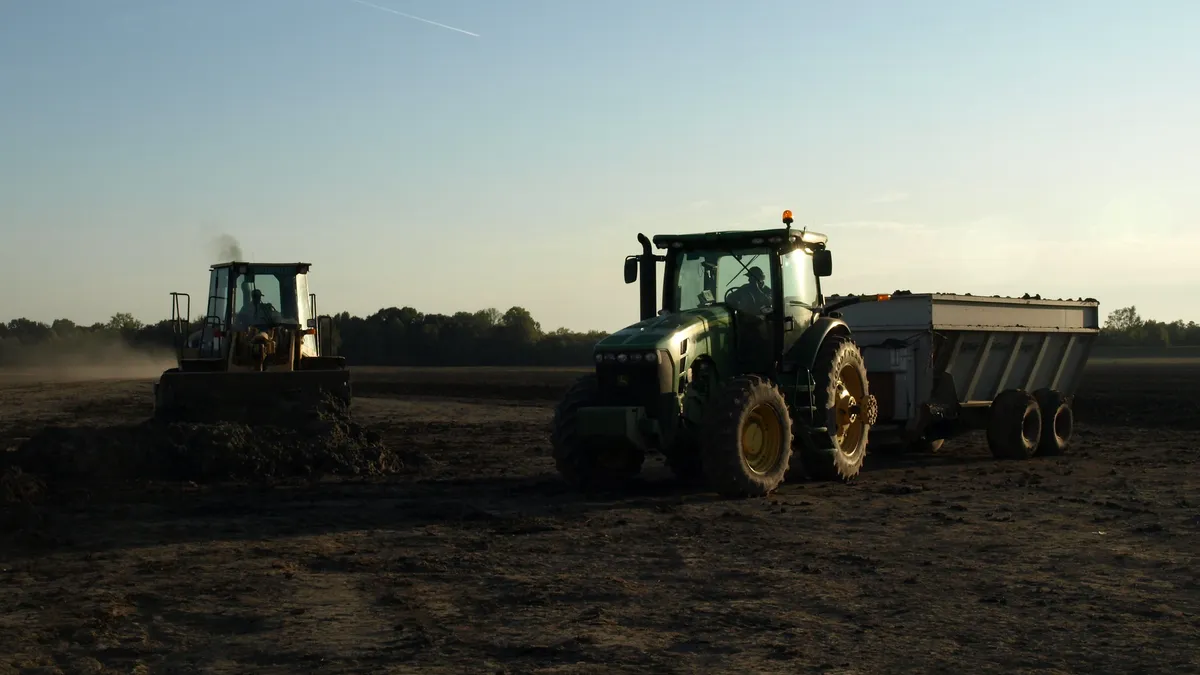
Yet Pluecker highlighted the risk that PFAS contamination poses to farmers — dozens of Maine farms have been found to have PFAS contamination in their soil after spreading significant amounts of biosolids, according to studies performed by the state. Pluecker said the EPA should be moving to address this contamination more definitively rather than allow for the potential spreading of PFAS-laden materials.
“They have the power to take the burden off of farmers,” Pluecker said in an interview.
Any new regulation on PFAS contamination in biosolids will likely come with costs, including through new monitoring capabilities at wastewater treatment plants or disposal fees for biosolids redirected to disposal.
Pluecker is himself a farmer, and has worked with the Maine Organic Farmers and Gardeners Association on policy solutions to PFAS contamination in biosolids. He said MOFGA and other environmental groups are aligned with water agencies on the need to manage costs. He wants to see costs imposed upstream on manufacturers, rather than allow the financial burden to flow to wastewater treatment plants and farms.
“We are all facing this contamination, this crisis, and we don’t want to be pinned with the bill,” Pluecker said. “These folks are the ones making profits off of this, and they should be the ones picking up the bill as well.”
The comment period for the EPA's draft guidance closes Oct. 5.