ST. LOUIS — Researchers with the Environmental Research & Education Foundation shared new data last week tracking the destination of municipal solid waste as well as the status of open landfill sites across the U.S. Their work, some of which is not yet published but was highlighted at RCon, suggests landfills are accepting growing tonnages even as alternatives like composting and anaerobic digestion see modest gains.
The data can help communities make informed decisions about open landfill sites and guide the waste industry as disposal capacity decreases due to regulatory hurdles, Suzie Boxman, senior director of programs at EREF, told Waste Dive in an interview at RCon.
“If we’re thinking about site closures and maybe growing constraints on capacity, you might need every site you can get,” Boxman said. “We want to be comprehensive and have all the information out there for people to use.”
Disposal shifts
Boxman hosted a panel at the industry event on Friday outlining tonnage data showing where municipal waste and recycling streams were sent in 2023. The survey took a bottom-up approach, basing estimates on reported tonnages from individual waste or recycling facilities, regional entities or state entities. That’s compared with previous research conducted by the U.S. EPA, most recently in 2018, which was based on estimates drawn from waste generation numbers.
Boxman said EREF’s research largely aligns with trends in EPA’s data, despite the methodological differences.
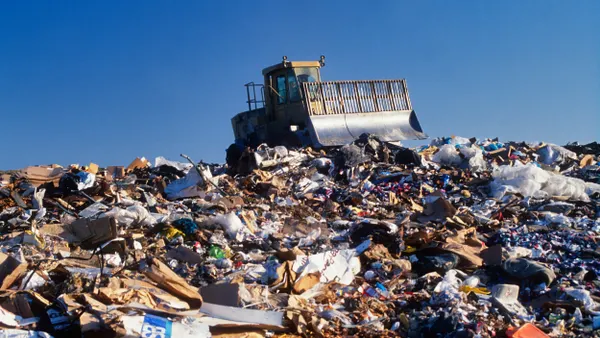
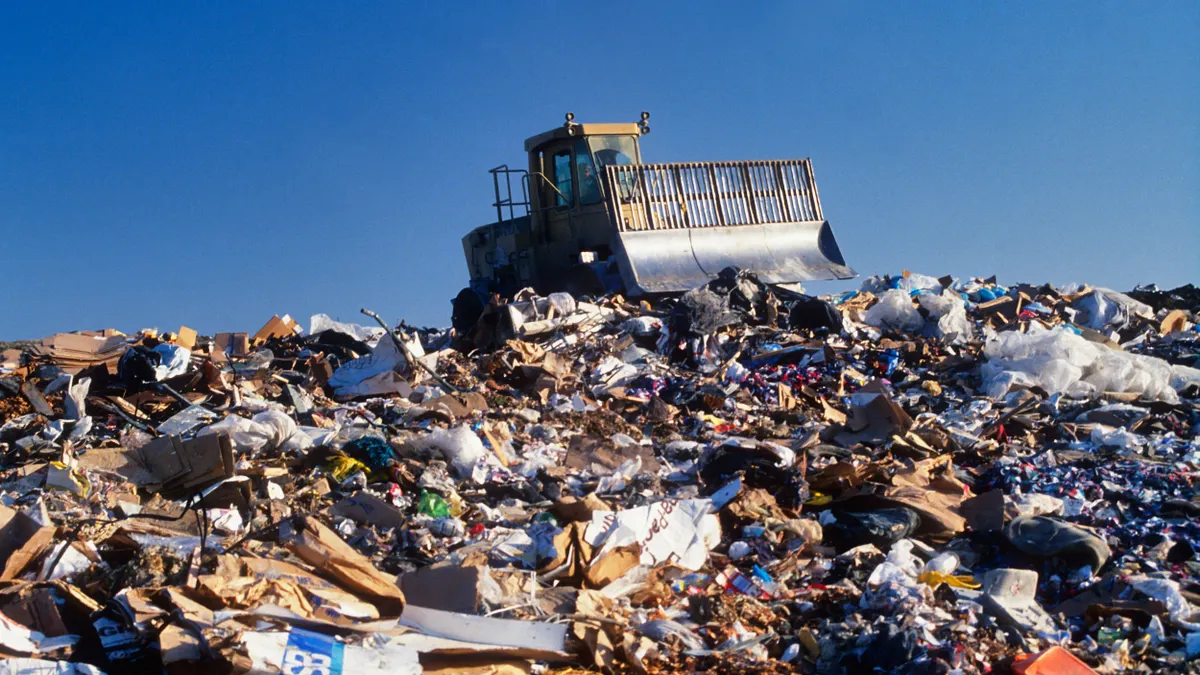
While the raw figures are preliminary, EREF’s data suggests there was a 10% increase in the amount of MSW managed nationally from 2010 to 2023, equivalent to a 3% increase in the per capita disposal rate. Landfills have represented a growing share of the pie: The percentage of MSW handled by landfills rose from 67% in 2016 to 71% in 2023. The percentage of MSW that waste-to-energy facilities handled fell from 8% to 6% over the same period, reflecting several facility closures over the last decade.
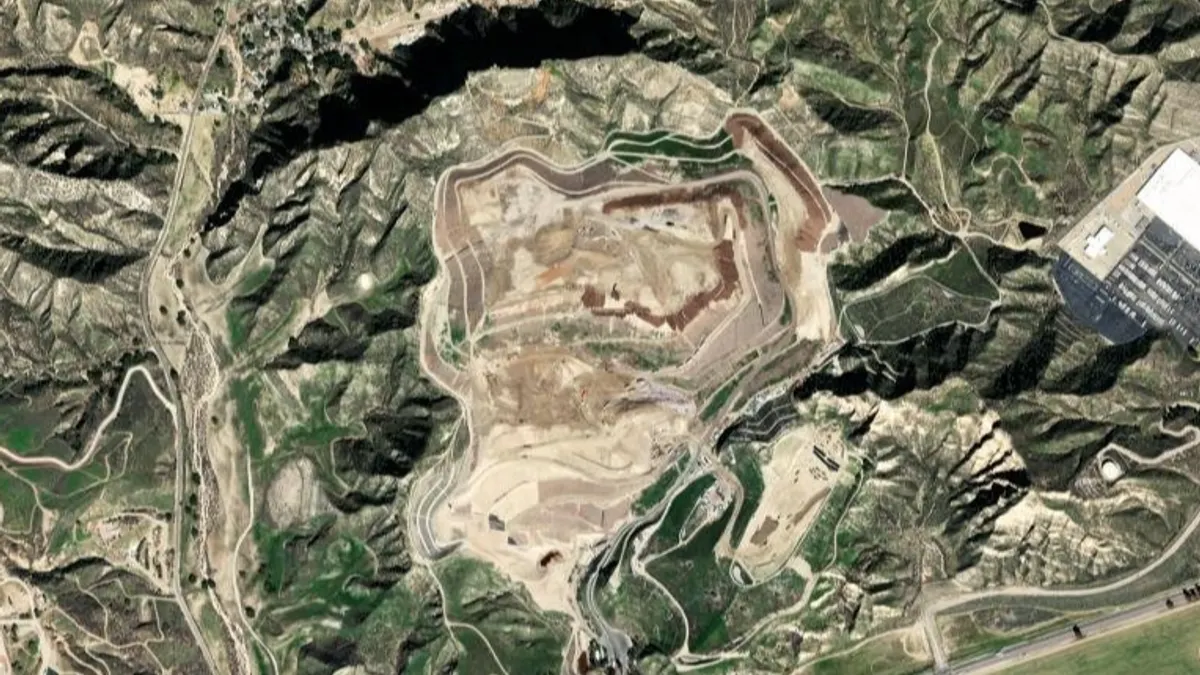
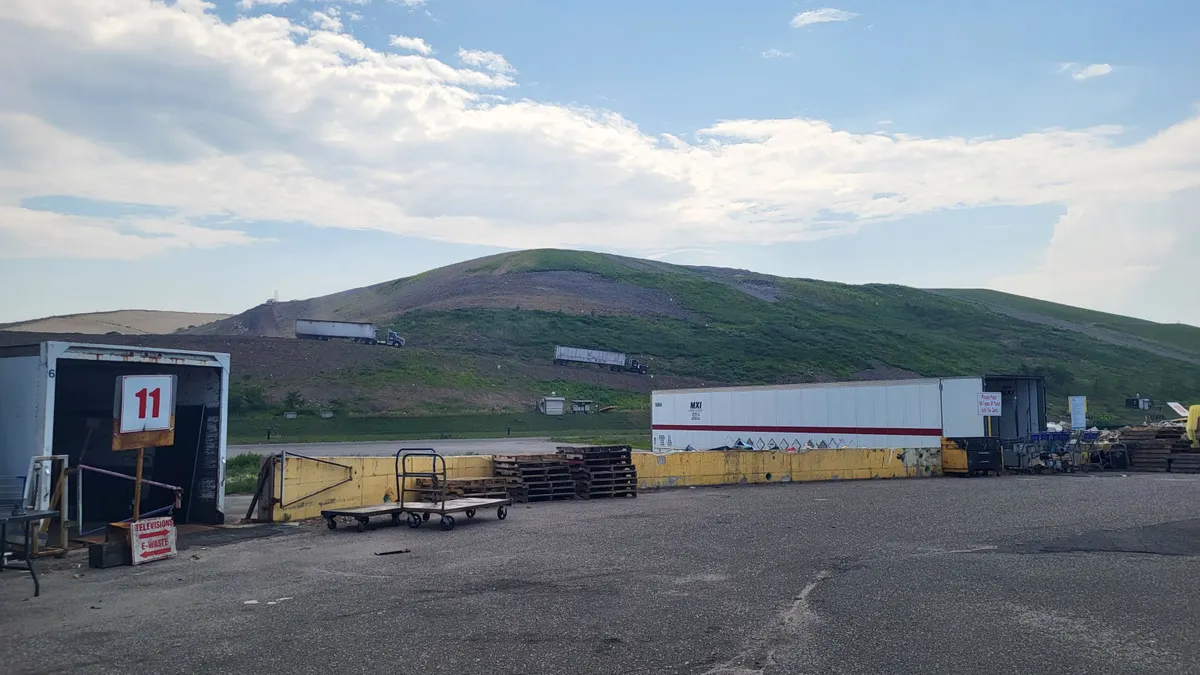
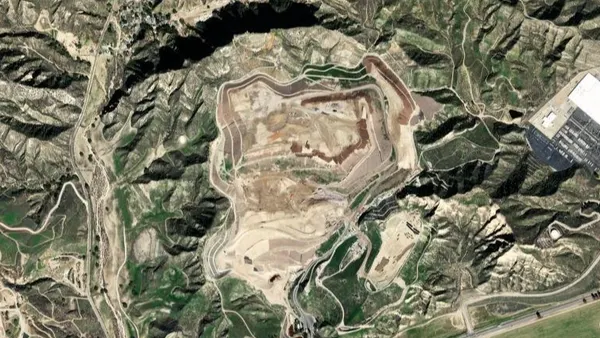
That research comes on the heels of a finalized report issued by EREF last week tallying open landfills across the country in 2025. The report identified 1,412 active landfills in 2025, down about 10% from 2010, the earliest year for which EREF has data.
Site closure decisions were likely influenced by consolidation in the private sector as well as the concentration of increasing tonnages in larger facilities. As consolidation continues, haulers could be forced to ship waste over greater distances. The declining number of landfills could also “place great operational and regulatory importance on the remaining landfill infrastructure,” according to the report.
EREF also determined that the share of publicly versus privately owned landfills has stayed about the same over the last 15 years — roughly 35% of landfills are privately owned. The data shows public and private landfills have closed at a similar rate, likely because they face some of the same pressure to shut down from communities, Boxman said.
That balance in ownership comes despite private landfills handling a growing share of the total landfilled waste, owing in part to their larger permitted capacities and ability to serve broader areas. Boxman said EREF researchers were surprised by those findings.
“Our current theory is that there is an increasing trend to privatization, but it’s a size issue. What this report doesn’t really tell is where the tonnage is going,” Boxman said.
The group’s preliminary research tracking the destination of municipal solid waste, which they expect to publish later this year, aims to resolve that question.
Recycling material flows
The amount of MSW handled by U.S. recyclers fell from 19% to 17% from 2016 to 2023, per EREF's preliminary study. Those totals include materials handled by MRFs, as well as certain direct-to-processor programs, Boxman said. Residual material that is sent to a landfill from a MRF is also subtracted from recycling totals, she noted.
The study period included the implementation of China’s National Sword policy, which shut off an endpoint for recyclable materials and may partially explain the decline, according to Boxman.
Among the 10 states with the highest recycling tonnages, California and Maryland saw the biggest declines in tonnage between 2016 and 2023. Even so, California recorded the second highest recycling tonnage, behind Florida and ahead of Washington. Virginia and Washington saw the biggest increases in recycling tonnages over the same period.
Meanwhile, composting tonnages and anaerobic digestion tonnages both grew over EREF's study period.
EREF charted a modest gain in composting tonnages from 2016 to 2023, with California and New Jersey recording the highest overall tonnages and Florida and Illinois seeing the biggest increases over that period. Boxman also noted that EREF’s methodology leaves out some tonnage that has been captured in previous EPA surveys, since the agency has considered uses like animal feed and codigestate as a composting pathway.
While anaerobic digestion tonnage has risen sharply over the last decade, the technology still manages only 1% of all MSW handled in the United States.