A new range of technologies designed to detect batteries in waste streams is offering a new tool for operators to battle the ever-growing threat of facility fires. But these new technologies won’t work without continued focus on public information campaigns designed to prevent batteries from entering waste streams in the first place, said speakers at the Waste Leadership Summit, held June 8-10 in Washington, D.C.
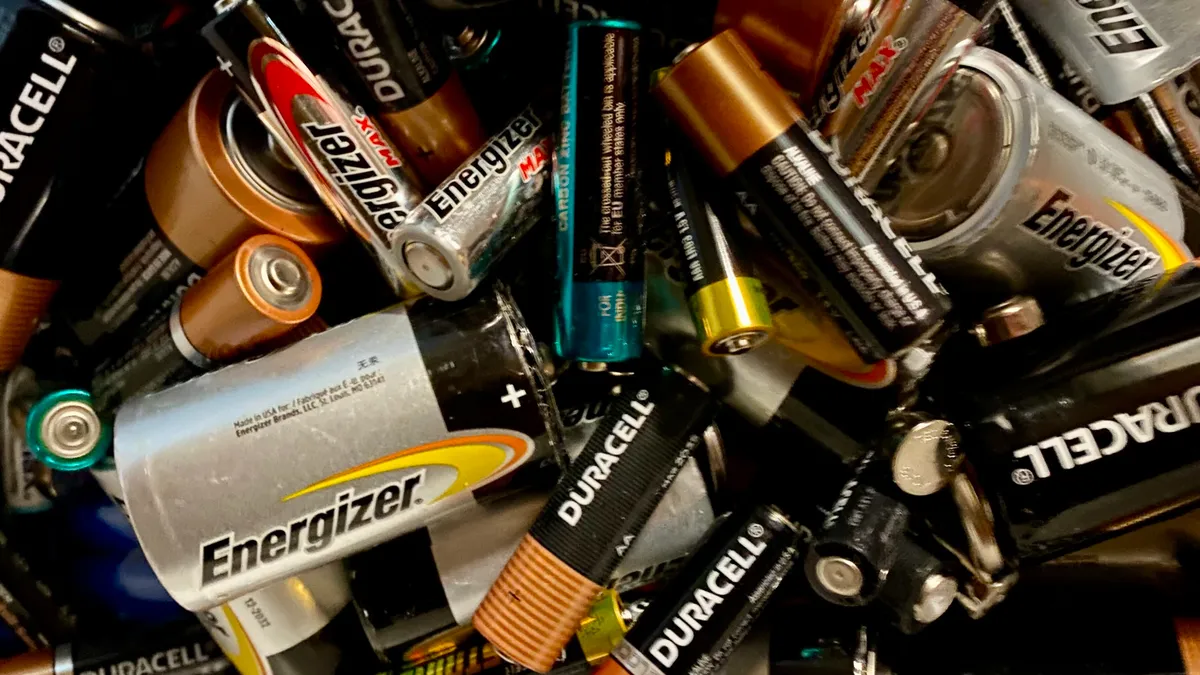
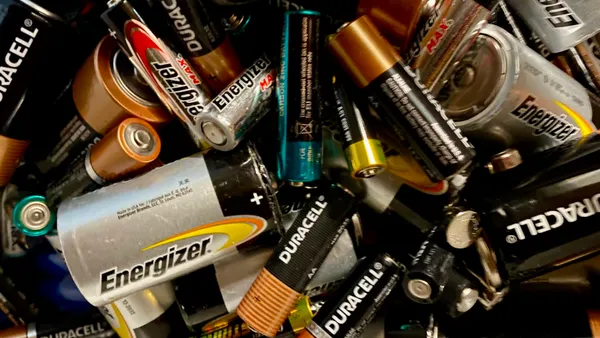
Battery fires are only getting worse due to the rising prevalence of lithium-ion batteries in everything from scooters to toothbrushes. The stakes are higher, too: The financial impact of fires is growing, with smaller incidents costing companies around $2,600 per incident and major fires costing up to $22 million, said Ryan Fogelman, VP of fire protection at Fire Rover, a fire suppression system company. That’s leading some insurance companies to pull out of the industry because of increased risk, he said.
Battery detection technology companies see themselves as the second line of defense, with the first and best step being public prevention, said Raghav Mecheri, CEO of Visia, during a session on tech options. Visia designs customizable X-ray technology options for recycling facilities, and battery detection is among their suite of offerings.
It can feel like an uphill battle to get people to stop putting batteries in household trash and recycling bins, but part of the problem is that residents aren’t dropping batteries in their bins with malicious intent, speakers said.
“We're seeing a well-intended but misguided consumer that wants to do the right thing,” said Eric Frederickson, vice president of operations for The Battery Network, during a session on battery fires.
Public information campaigns, such as the National Waste and Recycling Association’s “Skip the Bin, Turn Your Batteries In,” campaign, are one line of defense to offering more clear directions for residents to follow, Mecheri said.
“Public education like what NWRA puts out, along with collection infrastructure for curbside systems — that is really where the [battery] collection really happens, because that's when people can learn how to properly dispose of them so they don't end up in the stream,” he said. “It's so difficult, once they do, to remove them operationally.”
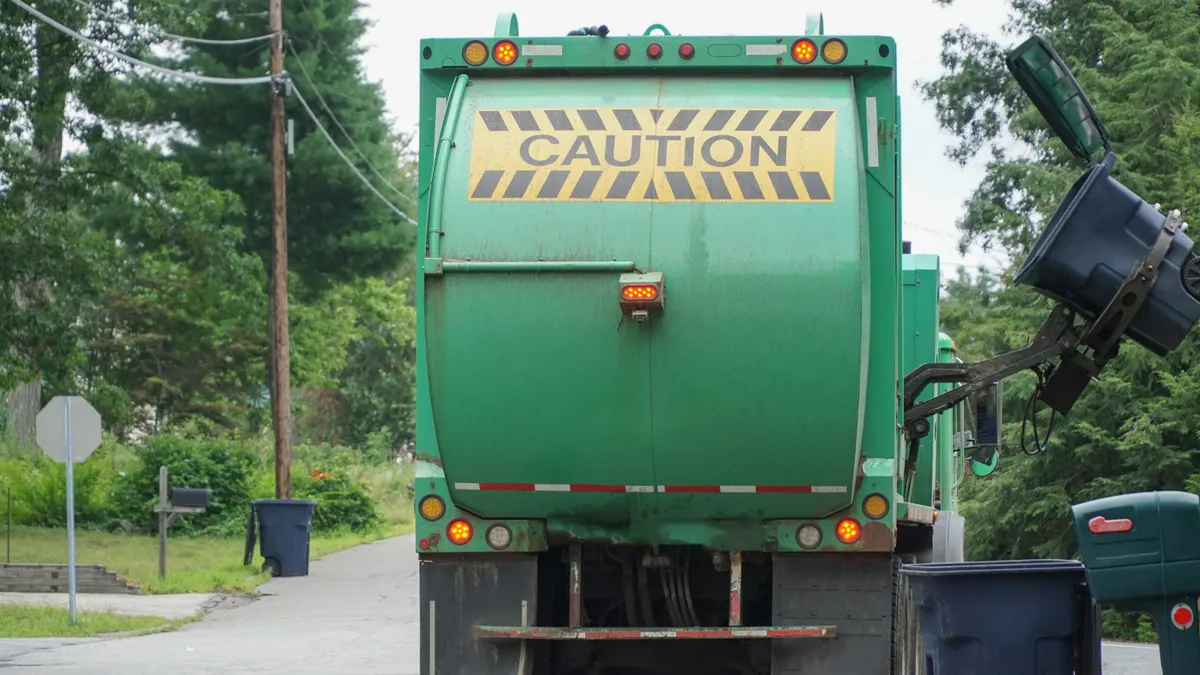
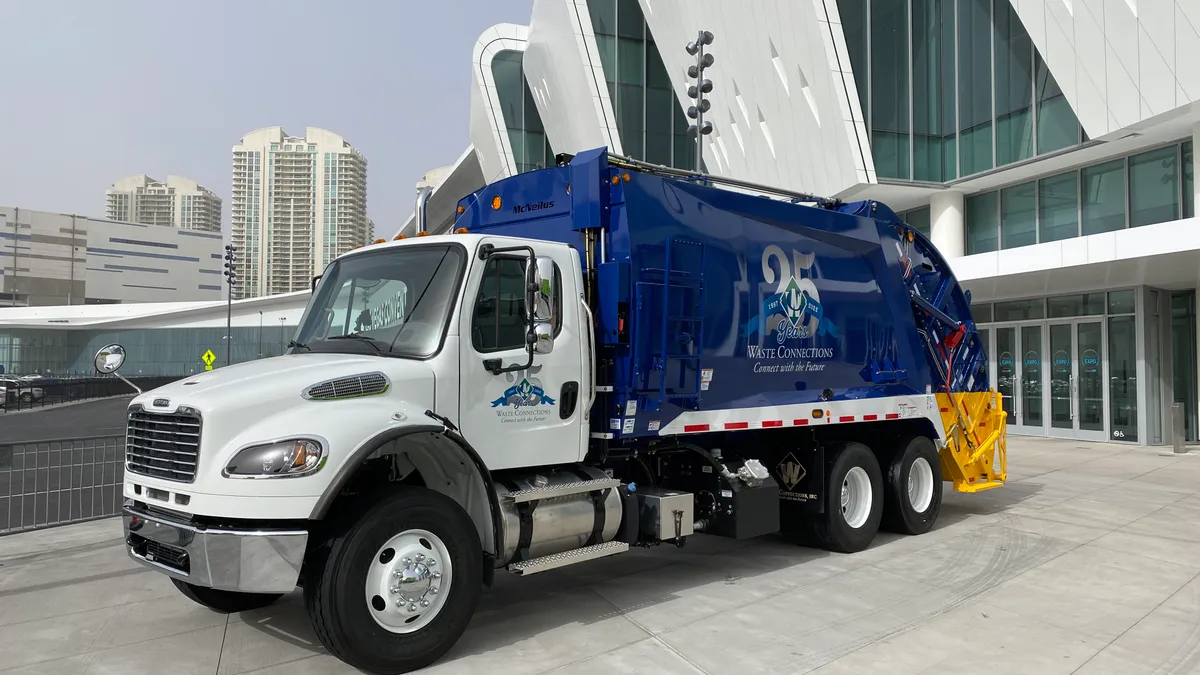
Newer technologies designed to detect batteries in curbside bins — before a truck takes it to a MRF — is one way to bridge that gap between consumer education and blocking batteries from entering facilities, said Penny Lane Case, CEO of Nexstera Tech. Nexstera uses an AI-powered radar system mounted on the recycling truck to detect batteries.
“The problem with batteries is that they're so hidden, and what the waste industry can't see they can't change,” she said.
Both Mecheri and Case said they often start their consultations with waste and recycling operators by asking them what other prevention strategies they’ve deployed first. Optimizing workflows to stop batteries at the gates, or stop batteries before they get too deep into a MRF, is a critical step in designing long-term battery detection solutions, they said.
“We want to know what budget you have for technology, but also what support you have around the education?” Case said. “It’s about technology that is then able to reinforce education and place the education in the hands of the communities that are making the mistakes. We really want to understand what does that timeframe look like for you to identify something, and then get it back to your community? And are you willing to put in effort for that full-service solution?”
Partnering with public education resources can also help operators save time and money in the future, she added. “If you're in a MRF and you're trying to pick out every battery you see, but it will be far too many for you to stop the line every single time and it may not be economical,” Case said.
Once the prevention piece is firmly in place, MRF operators can think outside the box to find the right detection options, Mecheri said. “We can think about a fleet of options, so we can point lasers to the battery, we can trigger diverters if you're on a conveyor belt,” he said. “We can stop the line. We can talk about sorting systems. The idea is that every implementation is possible.”
Samuel Ares, CEO of battery detection system company Dragonfly, said operators can install and implement detection systems today that offer high rates of accuracy as well as a large volume of data to give operators insights into their battery flows. But companies and operators must also think beyond new equipment to determine how automated systems will connect to the wider MRF infrastructure, he said.
“What I'm trying to do with that connection of systems to systems is to coordinate between the conveyor belts, the detectors [and] the fire suppression system and then help coordinate the action quickly,” he said. “It takes just a few minutes to react [in order to] prevent it from turning into something catastrophic.”
Detection equipment can be an important new tool to keep battery fires from igniting, but operators must also keep employees up to date on safety training in order to coordinate all of these interventions together, said Chris Ball, vice president of environment, health and safety at WM. That includes teaching employees what not to do in the case of a fire.
“Your best employees are going to be those ones who really don't want to bend over backwards or go above and beyond to try and put out a fire, [because] they’ll put themselves in harm's way,” said Ball.
Instead, WM aims to make it clear that once a fire moves to a more serious stage, it’s up to professional firefighters or fire-suppression systems to take the lead.
“That's the company that's trying to protect you, by not expecting you to run up to a transfer facility waste pile with a garden hose to put something out,” he said.
Disclosure: Informa, which owns a controlling stake in Informa TechTarget, the publisher behind Waste Dive, is also the owner of the Waste Leadership Summit. Informa has no influence over Waste Dive’s coverage.