The waste and recycling M&A market has quietly chugged along through the first half of the year, with notable activity in the Southeastern and South Central United States. That activity comes amid a U.S. market where growth is tied in part to artificial intelligence, according to Federal Reserve analysis.
In the public markets, investors' appetite for riskier opportunities in AI has softened the share prices for large waste companies somewhat, according to an investor note shared by RBC Capital Markets on Monday. As a result, the waste sector has traded below the S&P 500 index this year.
But as earnings season begins, structural trends like improving commodity prices for renewable natural gas and OCC are expected to boost underlying metrics, RBC said. What's more, there's still plenty of room for M&A announcements from companies that have previously teased 2026 will be an above-average year, such as Republic Services and Waste Connections.
A version of that dynamic is playing out in private capital markets. Some of the risky alternatives that investors are flocking to are associated with artificial intelligence-related businesses, including water and power utilities. Infrastructure funds have been directing some of their capital to data center construction, but they still have plenty of an appetite for the waste sector, according to Effram Kaplan, co-CEO of Brown Gibbons Lang & Co.
"There is no shortage of capital chasing the waste sector, and if anything, it continues to surprise us on the upside," Kaplan said.
Regional trends
Capital continues to chase markets where there is room for consolidation and population growth. That's led to plenty of M&A interest in the Southeast and central U.S. Texas alone has seen at least 11 deals since the start of the year, Waste Dive identified through its M&A tracker. North Carolina and Kansas each saw at least five deals, and Ohio, Tennessee and Oklahoma each saw at least four.
The rise of Texas-based transactions mirrors not just population growth, but also corporate relocations, Kaplan said. Texas has attracted more corporate headquarters than any other state since 2018, according to a report from real estate firm CBRE.
That can precipitate a rise in commercial waste as well as residential waste, representing an attractive opportunity for haulers. The importance of the state's petrochemical exports amid the continuing war in Iran is also a tailwind for growth, Kaplan said.
The Southeast's population growth has attracted investment since the COVID-19 pandemic first spurred a shift. That trend was validated in part by Macquarie Asset Management acquiring a majority stake in Florida-based Coastal Waste & Recycling in 2023.
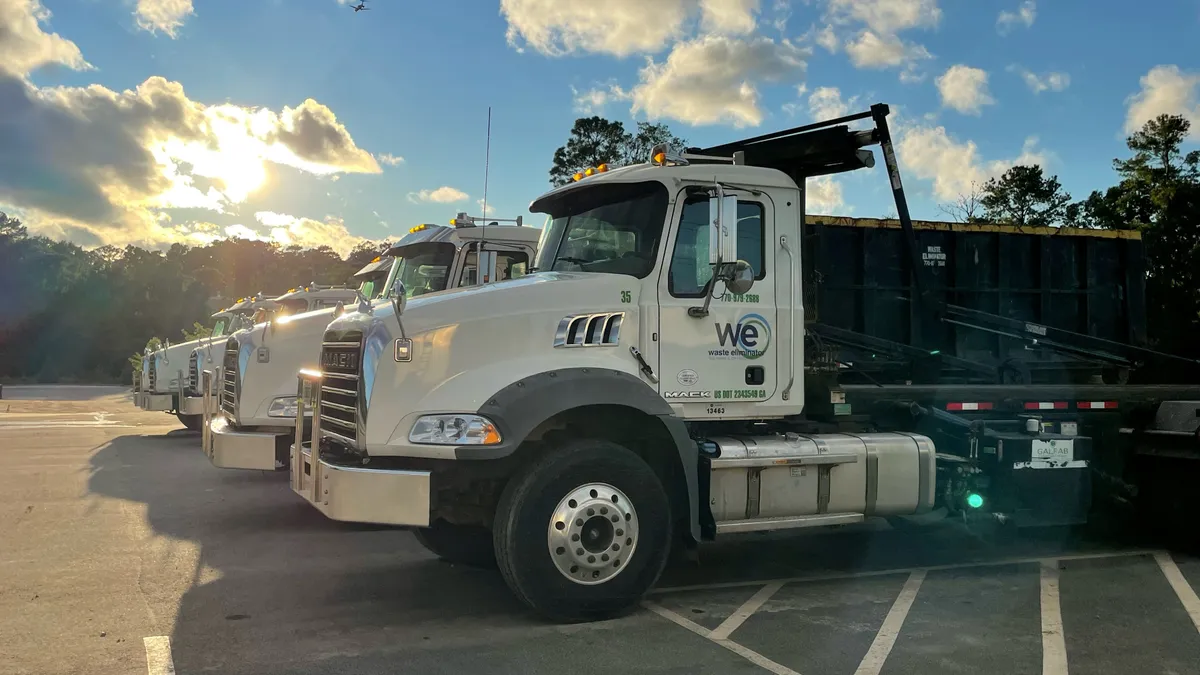
TPG announced last month that it would acquire Waste Eliminator and Liberty Waste Solutions, two separate companies operating in Georgia, North Carolina and South Carolina. The deal "aims to create a waste infrastructure provider in one of the fastest-growing regions of the U.S." said JD Vargas, a partner at TPG Transition Infrastructure, in a statement accompanying the deals’ announcement.
Kaplan said the deal will require interweaving companies with slightly different focus areas: Waste Eliminator focuses on waste hauling and recycling for commercial and industrial waste generators, while Liberty Waste focuses on integrated waste and recycling for commercial and residential clients. But he said the deal will be supported by metropolitan areas with growing populations.
"If you just ride an organic growth wave, given demographics, it can be a positive investment relative to other parts of the country," Kaplan said of the deal. "The Southeast is definitely an interesting area."
Bringing deals to close
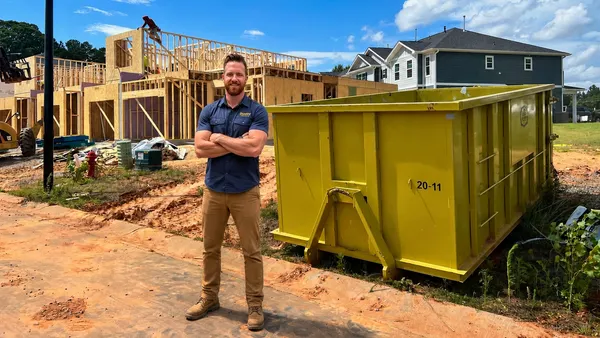
Ecowaste Solutions has found plenty of room to make deals to fuel its growth. The waste platform launched earlier this year with the backing of private equity fund Kinderhook, and has since closed 10 deals, CEO Dustin Reynolds told Waste Dive. Ecowaste is headquartered in Coppell, Texas, and maintains three additional regional nodes in Tyler, Texas; Springdale, Arkansas; and Mobile, Alabama.
Reynolds, who previously led Kinderhook-backed recycling and waste firm Cards, said he worked with leadership to revamp his company's approach to M&A last year. To ensure more rapid deal closes and smoother integrations, Ecowaste built out a dedicated M&A team. That team now handles most of the acquisition process, from the signing of a non-disclosure agreement to pre-close integration to post-close integration, before handing off an acquired hauler at the 90-day mark to its regional team.
The strategy has made Ecowaste one of the most active acquirers in the Southeast. Reynolds said the company is willing to take a look at haulers of all sizes, including one-to-10-route operators serving Ecowaste's existing markets.
Those small, independent operations can get squeezed by rising fuel, equipment and labor costs, and may be motivated to make a deal, Reynolds said. But with the backing of a private investor, Ecowaste has been able to close deals without too much impact from macroeconomic trends.
"If you're buying these [haulers] at the right price and you're not overpaying, you do not put strain on your organization," Reynolds said.
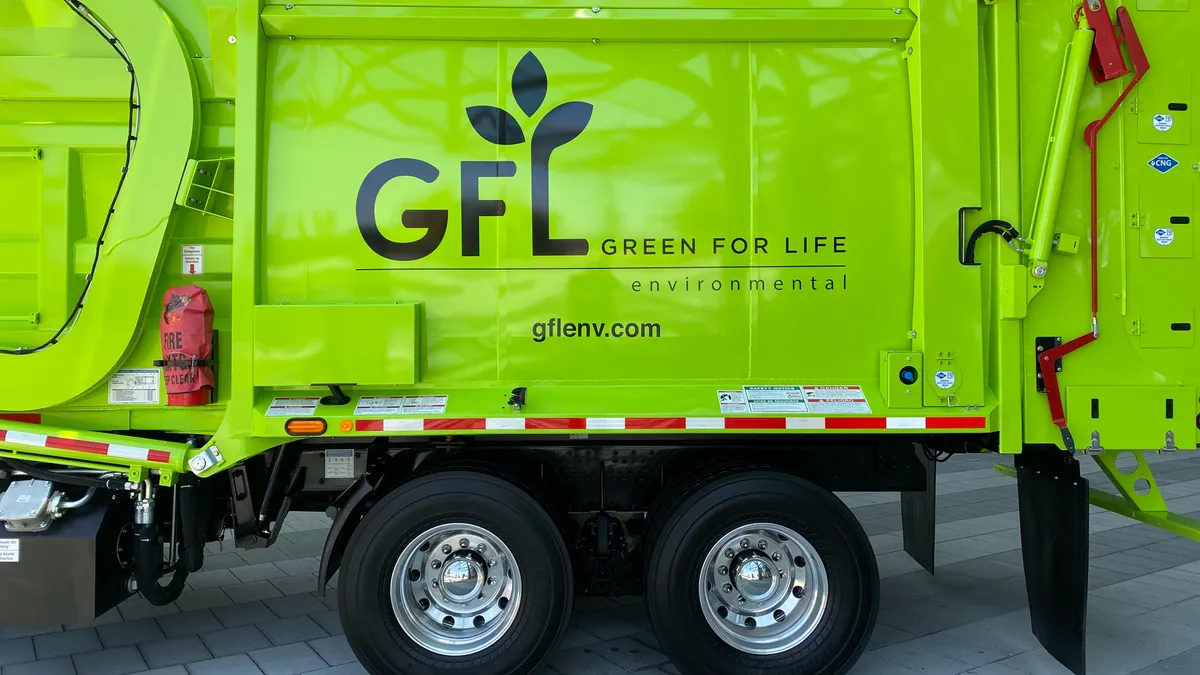
There might be even larger deals on the horizon in the second half of the year. Recent rumors that GFL Environmental is entertaining offers from major private investors have drawn a great deal of attention from analysts.
Meanwhile, several private equity firms may be ready to sell their environmental services platforms. According to PE Hub, that includes TPG Growth, which backs Denali Water Solutions; Ares Management and its partners, which back Interstate Waste Services; Palladium Equity, which backs Superior Environmental Solutions; and Pritzker Private Capital, which backs Valicor Environmental Services. Each of those companies manages a distinct portion of the waste and environmental services sector, but they are pursuing deals at a beneficial time for the industry.
Kaplan said that reflects a long-term interest in waste, which generates slower returns than a “sexy” industry like AI but nevertheless represents a growth opportunity.
"There is an increased appetite for the boring stuff, and that’s where we live," Kaplan said. "There’s no shortage of opportunities."