The Battery Network collected 9.3 million pounds of batteries in 2025, driven by its household collection programs as well as newer programs targeting larger formats, according to the organization’s 2025 impact report.
The nonprofit stewardship group started in 1994 and rebranded itself from Call2Recycle in January, a move meant to better characterize the work it does throughout all stages of the battery lifecycle. The 2025 impact report covers work the organization says “laid the foundation” for its rebrand.
The Battery Network emphasizes that its work has evolved beyond battery collection in recent years to include extended producer responsibility, logistics and transportation, business-to-business services and partnerships with recyclers to more efficiently recover critical materials from batteries.
In 2025, the organization said it continued to invest in “solutions for emerging waste streams,” which included collection programs for e-bikes, high-energy batteries and electric vehicle batteries.
“As battery technology evolves, so do the challenges—and opportunities—of responsible recycling,” the report states.
In 2025, the organization launched a new drop-off program for high-energy batteries, which are typically over 300 watt hours and used in certain outdoor power tools and equipment. It collected more than 60,000 pounds of these batteries across more than 1,800 collection sites. The program is funded by equipment manufacturers.
The Battery Network continued its e-bike battery collection program in 2025 by collecting about 50,000 pounds of batteries, which it says is a 14% increase year over year. That program now has 2,400 collection sites nationwide.
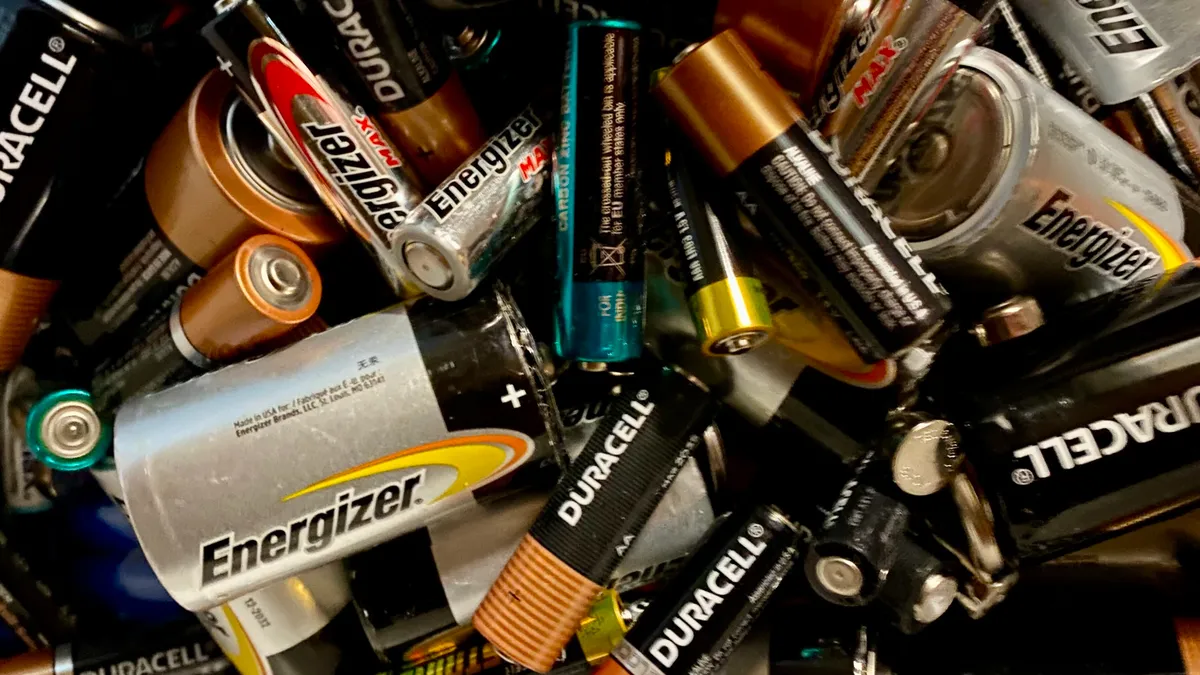
Household battery collection continues to drive the bulk of the organization’s volume and is its largest program. It collected 9.2 million pounds of household batteries in 2025, which included 6.4 million pounds of rechargeable batteries and 2.8 million pounds of single-use batteries.
The organization also continued its battery fire prevention and outreach programs, including its Avoid the Spark campaign meant to teach consumers about the risks of improperly disposing batteries. It also partnered with the National Waste and Recycling Association on a collection event and helped several schools host battery collection competitions, according to the report.
The Battery Network will continue developing and updating other programs, such as its EV battery collection program and its extended producer responsibility programs, into 2026. It acts as the stewardship organization for many states with battery EPR laws.
“The transition to a more electrified future will require trusted infrastructure, innovative solutions, and strong partnerships,” wrote CEO Leo Raudys in the report.
Changes to state battery laws in the U.S. this year include a new EPR program in Illinois. Vermont also recently added rechargeable batteries to its program, which now covers most single and rechargeable batteries.