Dive Brief:
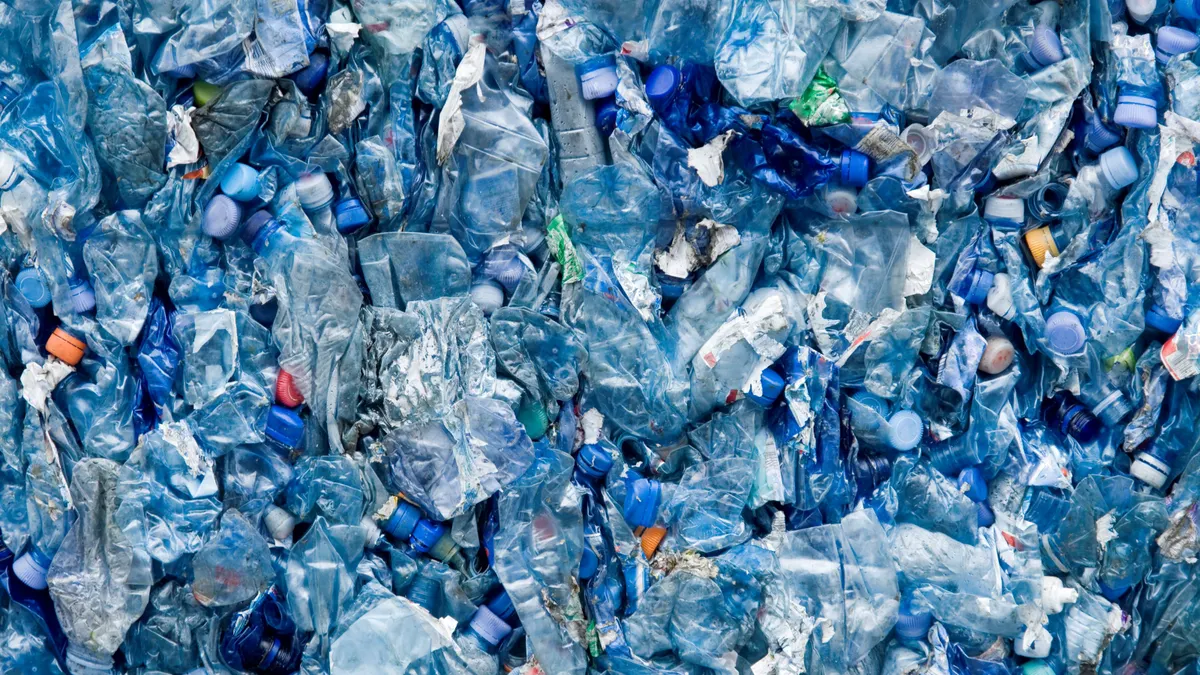
- More than 5.1 billion pounds of U.S. postconsumer plastic were recovered for recycling in 2024, about 2.3% more than in 2022, according to newly released recycling data from the Association of Plastic Recyclers and the U.S. Plastics Pact.
- Plastic film had the biggest recycling volume jump in that time period, rising by almost 207 million pounds for about 1.37 billion pounds recovered.
- But recovery volumes for PET and HDPE bottles lagged, with collection decreasing by 89.3 million pounds in that same two-year period. “Non-bottle rigids,” a category that includes HDPE, PET, LDPE, PP and PS types, decreased by 7.5 million pounds.
Dive Insight:
The results come as the plastics recycling industry works to raise recycling rates through infrastructure investments and policy changes, even as it faces headwinds from recent reclaimer closures and other market pressures.
But APR says the data shows that the country can consistently collect more than 5 billion pounds of plastic per year. The report, released every two years, is based on surveys conducted by recycling data firm Stina and trade group NAPCOR, the National Association for PET Container Resources.
“To unlock the next phase of growth, we need policies that create stronger demand for recycled plastics and support investment across the recycling value chain,” APR President and CEO Steve Alexander said in a news release.
Recyclers collected about 113 million pounds more plastic in 2024 than they did in 2022, according to the data. But overall recycling rates are still down from a high point measured between 2014 and 2016, when recovered volumes were well above 5 billion pounds.
The report also shows how the U.S. has moved toward prioritizing domestic recycling supply chains in recent years, which APR said “contributes jobs and economic benefits across the more than 21 states with active plastic reclamation facilities.”
The report indicates that fewer pounds of plastics have been exported overseas in recent years. In 2024, 6.2% were exported, a percentage about flat with what was exported in 2022. That’s compared to 30.7% exported in 2014.
In 2024, 4.8 billion pounds were processed by reclaimers in the United States, Canada and Mexico. That includes 4.3 billion pounds handled by U.S. plastic recycling companies, the report states.
Percentage of US-sourced postconsumer plastic recovered for recycling that was sent to North American reclaimers in 2024
- PET bottles: 97.9%
- HDPE bottles: 97.9%
- PP and other bottles: 96.7%
- Non-bottle rigids: 92.1%
- Film: 87.4%
- Other plastics: 48.3%
The survey also detailed the headwinds plastic recyclers faced in 2024. Respondents said soft demand for post-consumer recycled resins was a challenge, as elevated recycled plastic bale prices had to compete with “persistently low” virgin resin prices. That made it tough for reclaimers to invest in new capacity, APR noted. Contamination added to the expense of processing the material, respondents added.
Some survey respondents also predicted that markets would remain tight “until minimum recycled content regulations take effect or virgin prices move higher.”
APR noted that these findings were recorded before the PET recycling plant closures that took place in 2025 and 2026. Those closures reduced domestic recycled PET capacity by an estimated 25%.
In a statement, Alexander noted that some of the same headwinds from 2024 are affecting markets today.
“Plastic recycling is poised for significant growth as a proven solution to reduce plastic waste and strengthen domestic manufacturing, but today's marketplace continues to favor low-cost virgin plastic over recycled materials,” he said.
APR applauded the findings as “one of the industry’s most comprehensive assessments of post-consumer plastic recovered for recycling,” but the organization also called for additional sources for such data.
“Because the United States does not currently require comprehensive reporting for plastic recycling, a national recycling rate cannot be calculated consistently,” APR said in the news release.
New extended producer responsibility for packaging laws in seven states could help build better data sources in the future by establishing more consistent data reporting requirements, it said.
“As these programs are implemented, the additional reporting is expected to provide a more complete picture of recycling performance and help inform future investments and policy decisions,” the association said.