Eric Gerstenberg is set to become sole CEO of Clean Harbors beginning next year, following the retirement of current co-CEO Mike Battles, the company announced Wednesday. The two have shared responsibilities since March 2023, when they took over from founder and CEO Alan McKim.
Gerstenberg joined Clean Harbors in 1989 and has worked his way up the ranks. He was chief operating officer prior to becoming co-CEO.
“Clean Harbors has set the standard in the hazardous waste industry for more than 40 years and I’m honored to lead this iconic company,” Gerstenberg said in a statement. “Our mission of creating a safer and cleaner environment remains the bedrock of our organization."
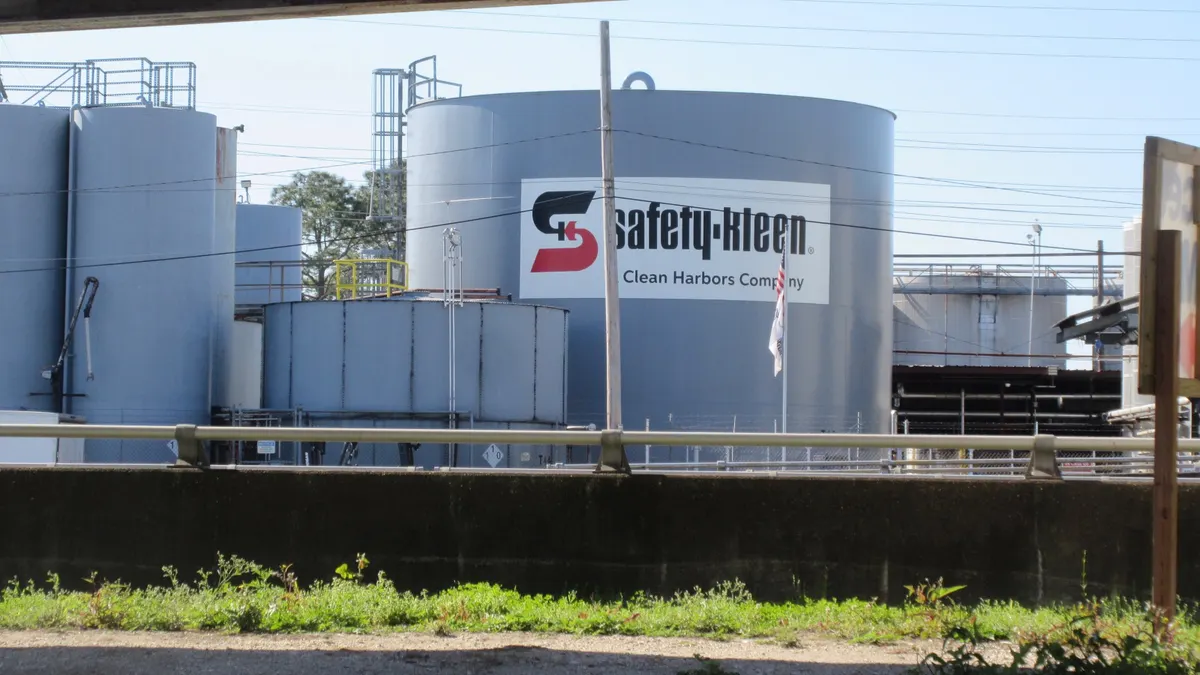
Battles has helped lead the company during a period of rapid growth, acquisitions and strategic pivots. The company's switch to a charge-for-oil model in its Safety-Kleen Sustainability Solutions used oil business helped stabilize a flagging segment. More recently, the company's suite of solutions for per- and polyfluoroalkyl substances has become a strong growth driver.
Battles will continue to hold a strategic advisory role at Clean Harbors in 2027.
“Since appointing Eric and Mike as Co-CEOs in March 2023, Clean Harbors has experienced continued success, including delivering record top- and bottom-line results and more than tripling its stock price,” said Rob Willett, chairman of the board, in a statement.
The announcement came just before Clean Harbors' earnings call, in which executives reported strong financial results.
Clean Harbors has also been in the process of implementing a hub-and-spoke strategy for its business, including through new facilities in Baltimore and Phoenix. On Wednesday, executives said they had secured a site in the Los Angeles area to build a new $55 million hub.
Executives did not disclose the exact location, but noted it would consolidate operations from six other facilities. That consolidation will result in up to $7 million in annual lease savings, and the company expects it will lead to expanded wastewater treatment, e-waste and other service offerings in the region.
Gerstenberg said Clean Harbors began consolidation activities "right away" following the site acquisition. He said it's likely the most expensive hub Clean Harbors will develop — the Baltimore hub project cost $20 million and the Phoenix project cost $15 million. Nevertheless, Gerstenberg said the Southern California market offered plenty of opportunity for the company.
"It's a tough market from a regulatory standpoint," Gerstenberg said. "That's a good thing, because it's fueling a lot of growth for us."
The Los Angeles area was also the source of a significant emergency response event for Clean Harbors. A food warehouse fire in Boyle Heights drove $120 million in revenue for Clean Harbors as it spent more than two months cleaning up the cold storage facility. Roughly 75,000 tons of frozen food waste was remediated during the cleanup, according to Gerstenberg.
"Our teams did an incredible job of mobilizing, cleaning up that event and keeping it moving as fast as possible," he said on the call.
Clean Harbors also plans to continue investing in its PFAS and data center remediation work, both of which represent growth opportunities for the business. The company is raising the midpoint of its full-year adjusted EBITDA guidance to $1.46 billion, up $80 million from its previous guidance disclosed in July.